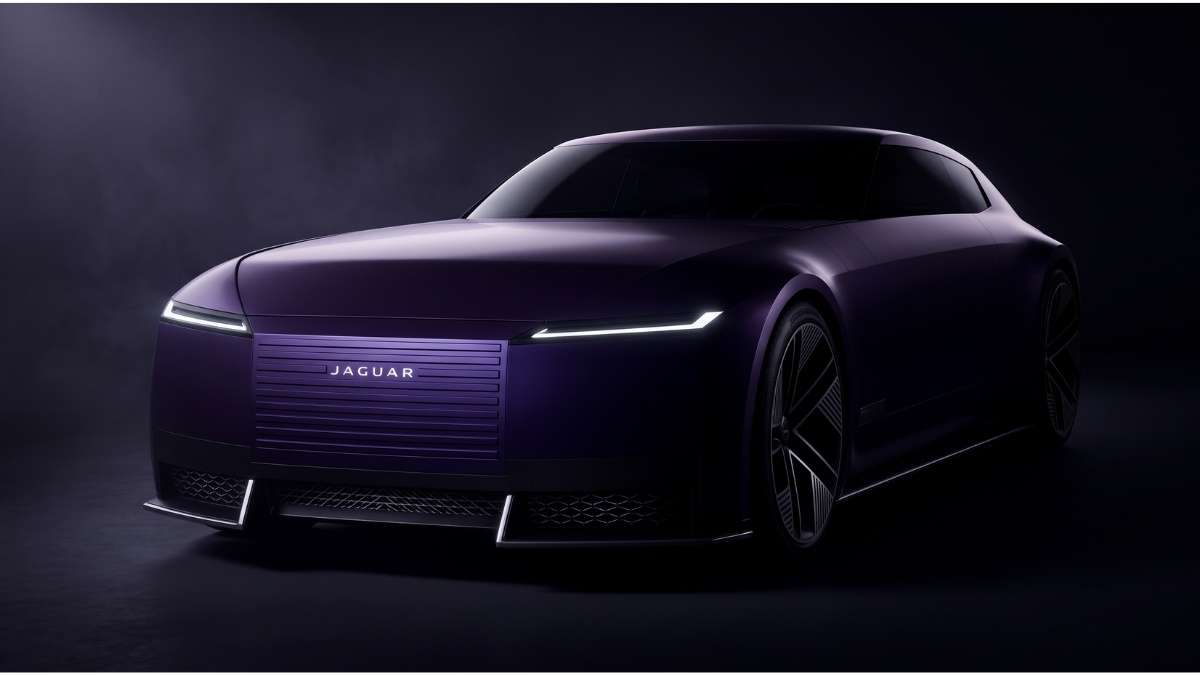

In the technology and automotive sectors, analysts frequently discuss the concept of the "bet-the-company" product launch. Apple executed one flawlessly with the original iPhone; Ford did it with the Taurus in the 1980s to stave off bankruptcy. But rarely do we see a legacy luxury brand willingly burn its own ships on the shore, aggressively alienate its historical demographic, and wager its entire ninety-year heritage on a single, highly polarizing pivot. Yet, this is exactly the precarious, high-stakes position Jaguar finds itself in today.
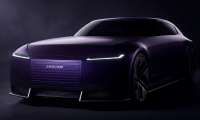
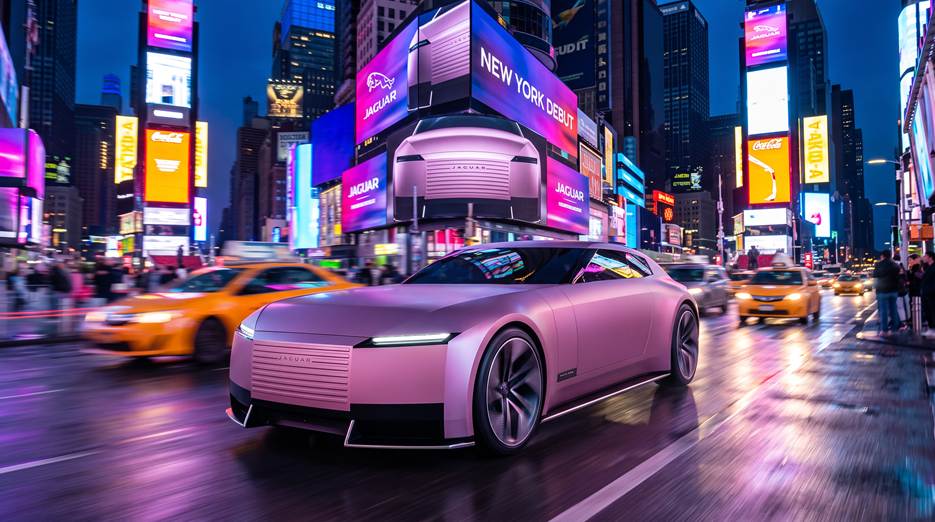
The suspense, and the rampant industry speculation, finally has an expiration date. Jaguar executives have just announced that the physical debut of the highly anticipated new GT—officially dubbed the Type 01—will take place this fall. Specifically, Lennard Hoornik, Jaguar Land Rover’s Chief Growth Officer, confirmed during the recent JLR Investor Day that the world premiere will occur this October in New York City. The launch, according to Hoornik, will be handled in a "very special way," locking in a hard timeline for the brand's complete relaunch. You can review the specifics of this strategic announcement in this Motor1 primary source report on the Jaguar Type 01 debut.
This is a defining, make-or-break moment. For over two years, Jaguar essentially paused its global sales operations, starved its loyal dealer network of fresh product, and underwent a radical brand overhaul that discarded its traditional feline curves for a brutalist, modernist design language. They voluntarily abandoned the affordable luxury segment—where they competed against the BMW 3 Series and Audi A4 - to chase the ultra-wealthy buyers who typically cross-shop Bentley and Porsche. But as we transition from computer-generated renderings, abstract concept art, and PR spin to physical sheet metal rolling onto a New York stage, the underlying business reality is stark. Jaguar is attempting one of the most difficult market repositioning maneuvers in corporate history, and their margin for error is absolutely zero.
Why This Launch is Deeply Problematic for Jaguar
From a strategic market perspective, the timing and execution of this launch are fundamentally problematic. First and foremost, Jaguar is launching an ultra-luxury electric grand tourer—expected to cost upward of $130,000 to $150,000—into a premium EV market that has significantly cooled over the last eighteen months. The enthusiastic early adopters and tech-centric wealthy buyers who fueled the initial luxury EV boom have already purchased their Porsche Taycans, Lucid Airs, and Tesla Model S Plaids. Today, the broader luxury market is showing a strong, measurable preference for high-performance plug-in hybrids. This places Jaguar’s strict "electric-only" dogmatism at odds with current high-net-worth consumer buying trends.
Secondly, Jaguar has committed a cardinal sin of corporate brand management: they actively alienated their existing customer base before successfully securing a new one. By explicitly telling the market to "forget everything that went before," and launching a recent marketing campaign that sparked immense cultural controversy online, they severed ties with the traditionalist buyers who faithfully kept the lights on in Coventry for decades. When a company rebrands this aggressively, it is essentially demanding that the market accept its new identity unconditionally - a massive leap of faith for consumers being asked to spend six figures.
Finally, the product itself—which draws heavily from the Type 00 concept—features a blunt, brutalist aesthetic that completely lacks the universal, organic appeal of past Jaguar icons like the E-Type or the F-Type. By moving radically upmarket, Jaguar is no longer competing on value; they are targeting elite buyers who demand unimpeachable brand prestige. Jaguar, having been largely absent from the market and historically plagued by legacy quality perception issues, currently lacks the gravitational pull to easily command that premium. This deep disconnect between current brand perception and ultra-luxury product pricing creates a massive barrier to entry that a flashy, "very special" New York launch event cannot instantly solve.
The Fallout if Consumers Continue to Pan the Car
If the market's initial reaction to the physical Type 01 echoes the widespread skepticism and outright hostility that greeted the concept phase, the fallout will be immediate, cascading, and catastrophic. In the automotive industry, as in the tech hardware space, momentum is everything. If consumers pan the car upon its October reveal—whether due to its polarizing aesthetics, its exorbitant price tag, or its technological capabilities falling short of promises - Jaguar will face a systemic failure across its entire business ecosystem.
The first major casualty will be the independent dealership network. Dealers have patiently endured a multi-year product drought based solely on corporate promises of this high-margin, ultra-luxury EV future. If the Type 01 arrives and fails to generate immediate, robust pre-orders, those dealers will face immediate insolvency or will demand massive financial bailouts from JLR. We could see a mass exodus of retail partners, which would completely collapse Jaguar's physical distribution and servicing footprint in North America and Europe.
Furthermore, the financial sunk costs associated with this specific vehicle are astronomical. The bespoke Jaguar Electric Architecture (JEA) platform was developed from scratch at tremendous expense. If the flagship vehicle that debuts this platform fails to achieve its volume targets, those R&D costs transform overnight into a massive financial anchor. A panned launch means the vehicle instantly becomes a distressed asset on the balance sheet. To move metal and keep factories running, Jaguar would be forced to resort to heavy discounting and heavily subsidized leasing. This strategy entirely destroys the nascent "ultra-luxury" brand equity they sacrificed everything to build. Once a $150,000 luxury car requires $30,000 on the hood to sell, the brand cachet is dead, and the wealthy buyers they are targeting will flee to safer, more established luxury marques.
Assessing the Odds of Failure and Institutional Survival
When objectively evaluating the market dynamics, economic headwinds, and consumer sentiment, I place the odds of this launch failing to meet Jaguar's internal profitability and volume metrics at uncomfortably high levels—likely north of 65 percent. The headwinds are simply too severe for a seamless victory. You have a legacy brand attempting to triple its average transaction price overnight, utilizing a highly polarizing design language, and relying entirely on a battery-electric powertrain during a period of intense EV skepticism among luxury buyers.
The existential question is whether Jaguar can survive if the Type 01 fails. The harsh reality of modern corporate finance dictates that they probably cannot—at least not in their current, independent corporate form. Parent company Tata Motors has demonstrated remarkable patience and financial generosity with JLR over the years, but that patience is heavily subsidized by the massive, sustained global success of the Range Rover and Land Rover Defender product lines. Jaguar, as a standalone entity, has been a financial drag on the broader JLR portfolio for years.
If the Type 01 is a commercial failure, Tata Motors’ board will not throw good money after bad. We would likely see the end of Jaguar as an independent manufacturing marque. The most probable outcome of a failed launch is that Jaguar gets reduced to a mere trim level—perhaps a high-performance EV badge engineered onto future Range Rover platforms—completely losing its bespoke engineering identity. Alternatively, the brand could be spun off and sold to an aggressive Chinese EV manufacturer looking to acquire European heritage. In the absolute worst-case scenario, the brand is completely shuttered. Jaguar is walking a tightrope without a safety net; its survival is inextricably linked to the immediate market acceptance of the Type 01.
How Jaguar Must Pivot to Overcome a Stumbled Launch
If the October launch stumbles, the automotive press is overly critical, and early order banks remain empty, Jaguar cannot afford to be paralyzed by corporate hubris. They will need to execute a rapid, pragmatic pivot to save the JEA platform and the brand itself. First, they must immediately reconsider their dogmatic stance on electric-only propulsion. While executives have recently denied reports of a hybrid pivot, necessity is the mother of corporate invention. If the JEA platform can be adapted to accommodate a high-performance plug-in hybrid drivetrain, they must accelerate that engineering program immediately. Range anxiety remains a massive hurdle in the grand touring segment, and offering a PHEV alternative could instantly broaden their addressable market and reassure hesitant buyers.
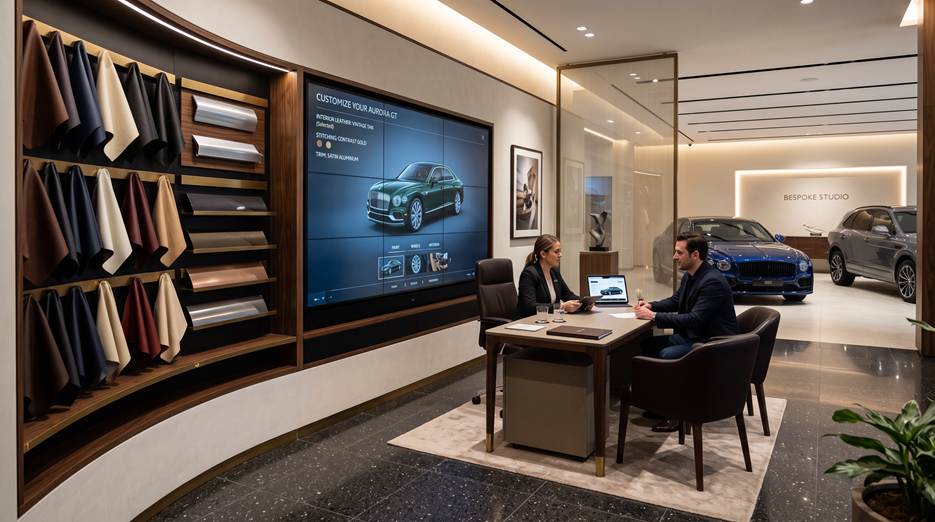
Secondly, Jaguar must pivot their sales strategy from "volume luxury" to "artificial scarcity and extreme bespoke service." If the broader market rejects the car as a standard production vehicle, Jaguar should drastically cut its production targets and lean heavily into customization. By treating the Type 01 like a coachbuilt special edition—offering buyers one-on-one virtual sessions with lead designers, infinite paint-to-sample options, and white-glove, enclosed-trailer delivery—they can justify the exorbitant price tag through the exclusive experience rather than relying solely on the hardware.
Finally, leadership will have to swallow their pride and heavily subsidize the initial lease rates to ensure the cars actually hit the road. In the ultra-luxury segment, visibility breeds desire. If the cars are not physically seen parked in front of high-end restaurants, luxury hotels, and country clubs, the brand will fade into obscurity. Absorbing residual value losses on early leases is a painful financial hit, but it is a necessary, albeit expensive, marketing expense to artificially seed the market and establish a physical presence for the controversial new brand identity.
The Optimal Path to Avoid a Failed Launch
The best strategic path for Jaguar, naturally, is to prevent a failure from occurring in the first place. To achieve this, the October New York debut must be an absolute masterclass in automotive marketing, technical transparency, and product execution. The "very special way" this car is revealed cannot just be a flashy press conference with celebrity DJs; it must effectively and clinically communicate the undeniable engineering superiority of the vehicle.
To avoid failure, Jaguar must decisively win the technical argument. We've seen glimpses of this potential in early testing—such as this deep-dive review of the physical Type 00 prototype's road dynamics—but the production Type 01 must go even further. The promised tri-motor, 1,000-horsepower powertrain must deliver acceleration and handling that makes a Porsche Taycan feel dated, practically verifying the engineering claims Jaguar is banking on to save the brand. The promised 800-volt architecture and sub-15-minute fast charging must be demonstrable on stage, independently verifiable by tech journalists, and industry-leading. High-net-worth buyers will often forgive polarizing aesthetics if the underlying technology provides them with ultimate bragging rights at the golf club.
Furthermore, Jaguar needs to meticulously control the media narrative. They must pivot completely away from the defensive, combative posture they adopted during the early rebranding backlash. The core marketing message in New York needs to be relentlessly focused on uncompromising luxury, brutal performance, and unmatched British craftsmanship. They should target ultra-high-net-worth individuals through closed-door VIP previews weeks before the public auto show, securing a foundational block of concrete pre-orders. Success breeds success; if Jaguar can proudly announce that the first year of production is already sold out to elite clientele by the time the sheet is pulled off in New York, it will instantly validate the Type 01 in the eyes of the public and create the vital momentum required to sustain the brand's resurrection.
Wrapping Up
The global automotive industry is littered with the forgotten corpses of legacy brands that failed to accurately read shifting market dynamics, but Jaguar’s current gambit is unprecedented in its sheer audacity. By abandoning its heritage, discarding its traditional customer base, and vacating its historic price brackets all at the exact same time, Jaguar has engineered a scenario where only absolute perfection will suffice. The October New York debut of the Type 01 will not merely be a standard product launch; it will be a public corporate referendum on the company's right to exist. If Jaguar delivers a technological marvel backed by peerless luxury and flawless execution, they may just pull off the greatest, most surprising reinvention in modern automotive history. But if they misjudge the consumer appetite for a polarizing, six-figure electric grand tourer, this October launch will undoubtedly mark the definitive end of the Leaping Cat.
Disclosure: Images rendered by Artlist.io
Rob Enderle is a technology analyst at Torque News who covers automotive technology and battery developments. You can learn more about Rob on Wikipedia and follow his articles on TechNewsWord, TGDaily, and TechSpective.
Set Torque News as Preferred Source on Google
Follow us today...