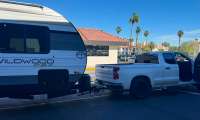

Toyota built an incredible midsize pickup when it redesigned the fourth-generation Tacoma.
Then came the gear slipping, violent shift flares, and sudden loss of drive power on brand-new trucks.
I have spent over three decades investigating manufacturing defects and service drive disputes, but this latest stalemate is one of the most frustrating consumer traps I have ever uncovered.
The Media Missed The Administrative Trap Inside Toyota Service Bays
When mainstream automotive outlets first reported on Toyota's official Technical Service Bulletin (T-SB-0076-24), they treated it like a proactive success story.
Headline after headline celebrated Toyota's willingness to replace complete eight-speed automatic transmissions and torque converters on affected 2024–2026 models.
What those surface-level summaries completely ignored was the strict administrative gatekeeping happening behind closed dealer doors. Thousands of truck owners are taking their bucking, hesitating Tacomas to dealerships, only to be turned away without a single wrench touching their vehicle.
The mainstream press reported on the TSB as an automatic repair, but in reality, it is a narrow procedural trap.
If your truck does not trigger a specific warning light, Toyota's warranty system effectively blocks your technician from fixing the underlying mechanical breakdown.
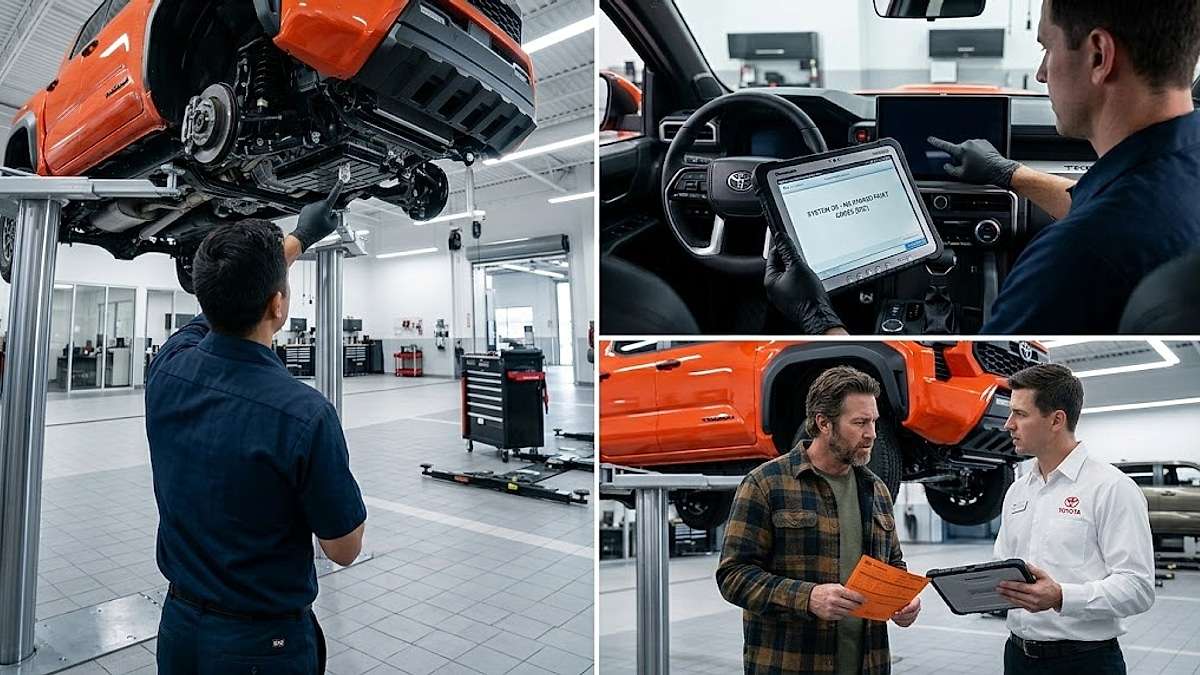
How Six Diagnostic Trouble Codes Created A Bureaucratic Wall
Inside Toyota’s official TSB documentation, the manufacturer explicitly outlines the exact criteria required for a complete transmission swap.
Technicians are instructed to hook up their Techstream diagnostic tools and check for six specific Diagnostic Trouble Codes (DTCs).
These specific codes include P07407F for a stuck torque converter clutch actuator, along with pressure control solenoid codes P074571, P079571, P08BA71, P271371, P280771, and P281671. If any of these seven stored faults appear, Toyota authorizes a full unit replacement under warranty.
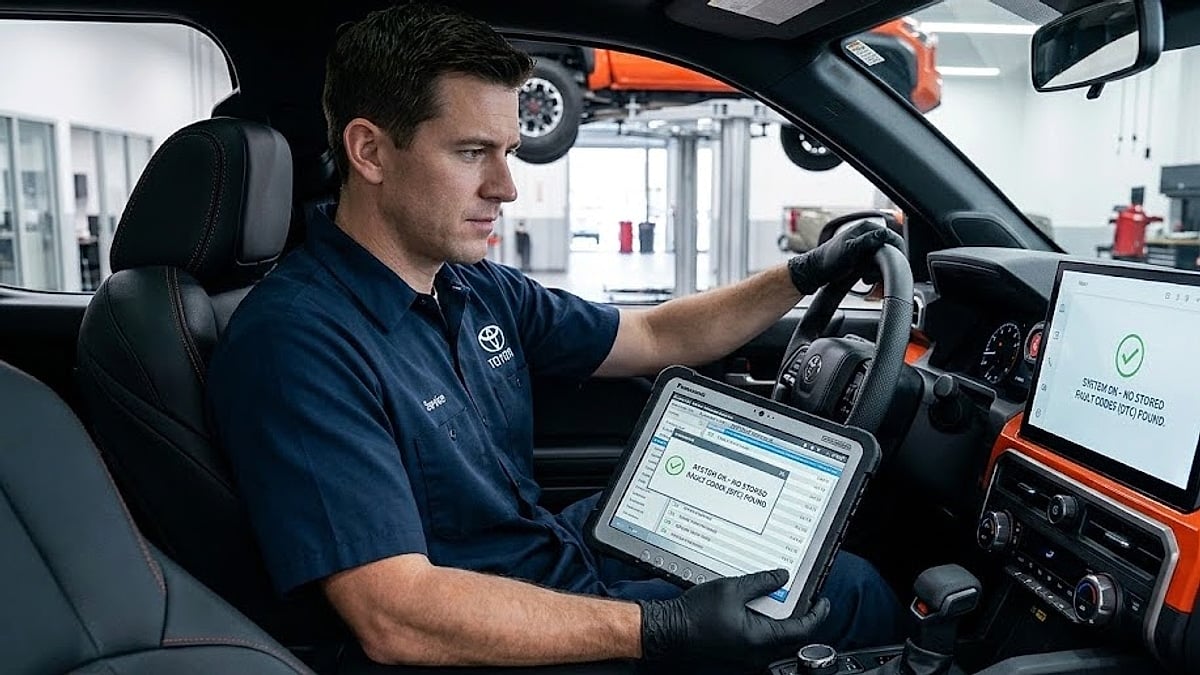
However, if your truck exhibits severe low-speed shudder, delayed 1-2 upshifts, or solenoid cavitation without illuminating the check engine light, the service advisor’s hands are tied.
Without an active DTC recorded in the engine control unit, Toyota's corporate warranty system will not reimburse the dealership for warranty labor. As a result, service managers simply print out a repair order that reads "cannot replicate customer concern" and hand you back your keys.
To understand how ECM logic exacerbates these hydraulic pressures under load, see my deep dive into the factory software mapping behind 4th-Gen Tacoma shift quality.
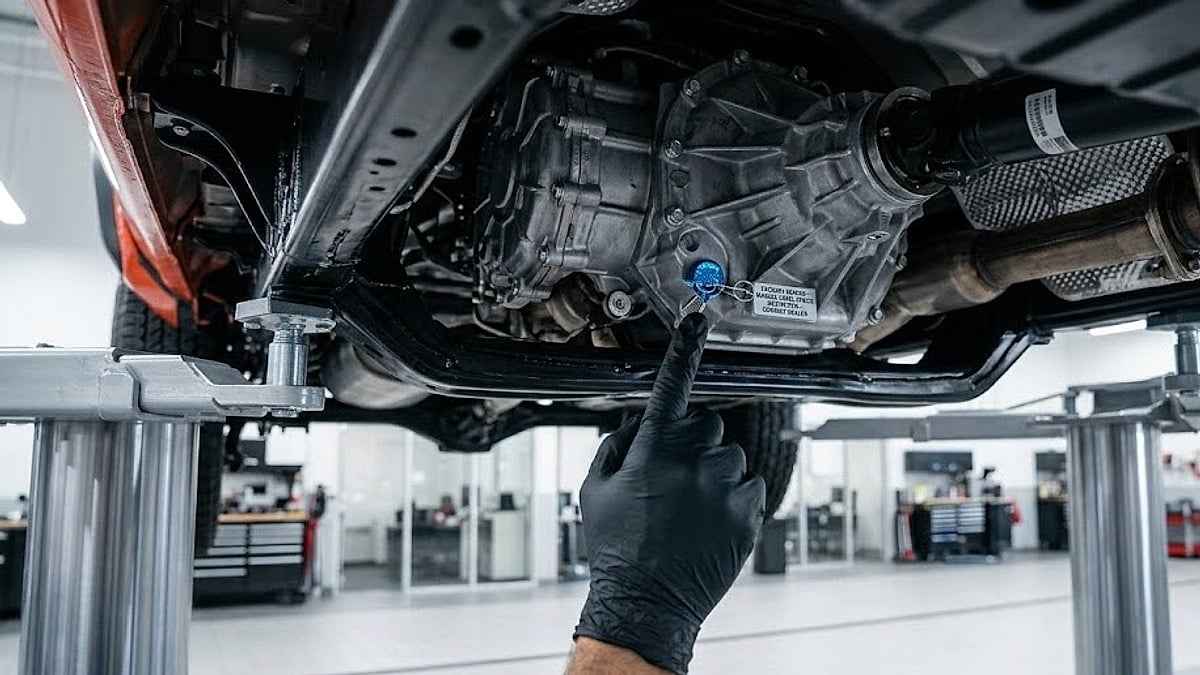
The Technical Nightmare Of Sealed Transmissions And Factory Fills
To truly understand why these transmissions are failing without always setting error codes, we have to examine the mechanical root cause.
Toyota eliminated the traditional transmission dipstick on the fourth-generation Tacoma, adopting a fully sealed system. During initial production runs, a noticeable percentage of trucks left the assembly plant with automatic transmission fluid levels trailing 200mL to 400mL below optimal capacity.
When fluid runs low in a high-pressure, eight-speed hydraulic transmission, fluid aeration and cavitation occur inside the valve body.
Microscopic air bubbles pass through the electronic pressure control solenoids, causing fluctuating hydraulic pressure against the clutch packs. This hydraulic instability leads to subtle slipping, harsh engagement, and intense thermal friction long before the solenoid physically jams enough to trigger an official DTC.
Why Dealership Technicians Refuse Manual Fluid Inspections
You might wonder why a technician does not simply pull the truck onto a hoist and check the fluid level manually.
The answer comes down to flat-rate dealership economics and complex thermal maintenance procedures.
Verifying the fluid level on a sealed Toyota eight-speed automatic is not a simple five-minute job. A technician must hook up a diagnostic tool, bring the transmission fluid temperature into a narrow window between 95°F and 113°F, pull the overflow plug on a lift, and adjust the level precisely.
Because Toyota warranty policies do not pay technicians for manual fluid verification without an active DTC, techs lose money performing this diagnostic procedure. Instead of spending an unpaid hour checking fluid temperatures, technicians take the easiest route allowed by the factory.
They clear the transmission's adaptive learning memory or perform a basic electronic software reflash.
This software band-aid temporarily alters hydraulic shift timing, masking the physical shudder for a few hundred miles while allowing internal wear to continue undetected.
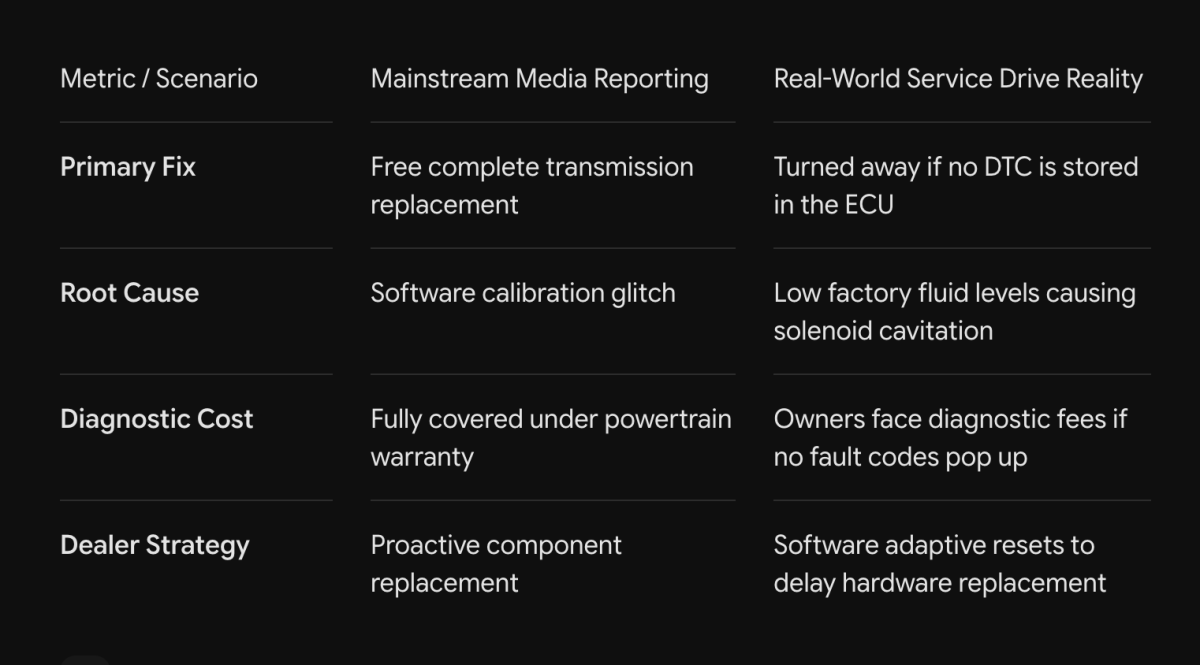
Comparing Early Press Coverage With Real-World Service Realities
The disconnect between corporate press releases and service drive realities has left truck owners completely in the dark.
The table below breaks down what standard media outlets told the public versus what is actually happening in dealer repair bays.
Software Band-Aids Simply Push The Failure Beyond Warranty Limits
Relying on a software reflash to quiet an underfilled transmission is a dangerous game for truck owners. When software increases line pressure to compensate for slipping, it forces internal oil pumps to work significantly harder.
Higher hydraulic pressure compensates for fluid aeration in the short term, but it drastically elevates internal operating temperatures. That heat accelerates fluid oxidation and steadily breaks down friction material on the clutch plates.
By the time the transmission finally throws one of the six mandatory DTCs, the vehicle may be dangerously close to expiring its 5-year/60,000-mile powertrain coverage.
This creates a ticking clock where the vehicle owner bears all the financial risk for a known manufacturing defect.
For a complete breakdown of how these initial shifting anomalies scale into catastrophic mechanical failures and legal action, read my full report on the growing 8-speed automatic class-action lawsuits.
The Four-Step Protocol To Overcome The Dealership Warranty Trap
If your 2024–2026 Tacoma is exhibiting transmission hesitation or rough shifting, you cannot simply drop it off and hope for the best.
You need an aggressive, documented strategy before you ever hand your keys to a service advisor.
- First, record continuous dashcam or smartphone video showing the instrument cluster and tachometer during cold starts. Capturing visual proof of RPM flares, delayed gear engagement, or sudden vehicle hesitation gives you undeniable evidence when no codes are present.
- Second, demand in writing that the dealership perform a formal fluid level temperature overflow inspection per factory repair manuals. Explicitly state on the repair order that you are requesting a manual check for factory underfill conditions, not just a scan tool code readout.
- Third, instruct the advisor to inspect the transmission pan for metallic debris if they perform any fluid service. Toyota’s service guidelines state that finding metallic particles in the pan warrants immediate unit replacement, regardless of DTC status.
- Finally, if the dealer refuses to perform a manual fluid check without a stored code, open an official case with Toyota Brand Engagement. Provide your video documentation and request a field technical specialist to inspect the truck alongside the dealership foreman.
Vehicle Owners Must Take Control Of Their Repair Paperwork
Automotive manufacturers rely heavily on consumer passivity to manage warranty costs on new vehicle platforms. When thousands of owners accept a "cannot replicate concern" write-up, corporate warranty metrics look pristine on paper.
Every time your truck shifts erratically, bring it in and ensure the exact symptoms are typed verbatim into the repair order.
Having a paper trail showing multiple visits for unaddressed transmission slippage is your strongest leverage if you ever need to pursue state lemon law protections.
Toyota makes outstanding trucks, but no manufacturer is immune to assembly line flaws and rigid administrative policies. By exposing this procedural warranty trap, owners can finally get the technical fixes they paid for.
Before You Leave… check out my Torque News Home Page for more of my informative Toyota Tacoma news articles.
About The Author
Denis Flierl is a 14-year Senior Reporter at Torque News and a member of the Rocky Mountain Automotive Press (RMAP) with 30+ years of industry experience. Explore his full investigative reporting archives and technical guides at DenisFlierl.com.
Based in Parker, Colorado, Denis leverages the Rockies' high-altitude terrain as a rigorous testing ground to provide "boots-on-the-ground" analysis for readers across the Rocky Mountain region, California EV corridors, the Northeast, Texas truck markets, and Midwest agricultural zones.
A former professional test driver and consultant for Ford, GM, Ram, Toyota, and Tesla, he delivers data-backed insights on reliability and market shifts. Denis cuts through the noise to provide national audiences with the real-world reporting today’s landscape demands.
Connect with Denis: Find him on LinkedIn, X @DenisFlierl, @WorldsCoolestRides, Facebook, and Instagram.
Photo credit: Denis Flierl
Set Torque News as Preferred Source on Google
Follow us today...