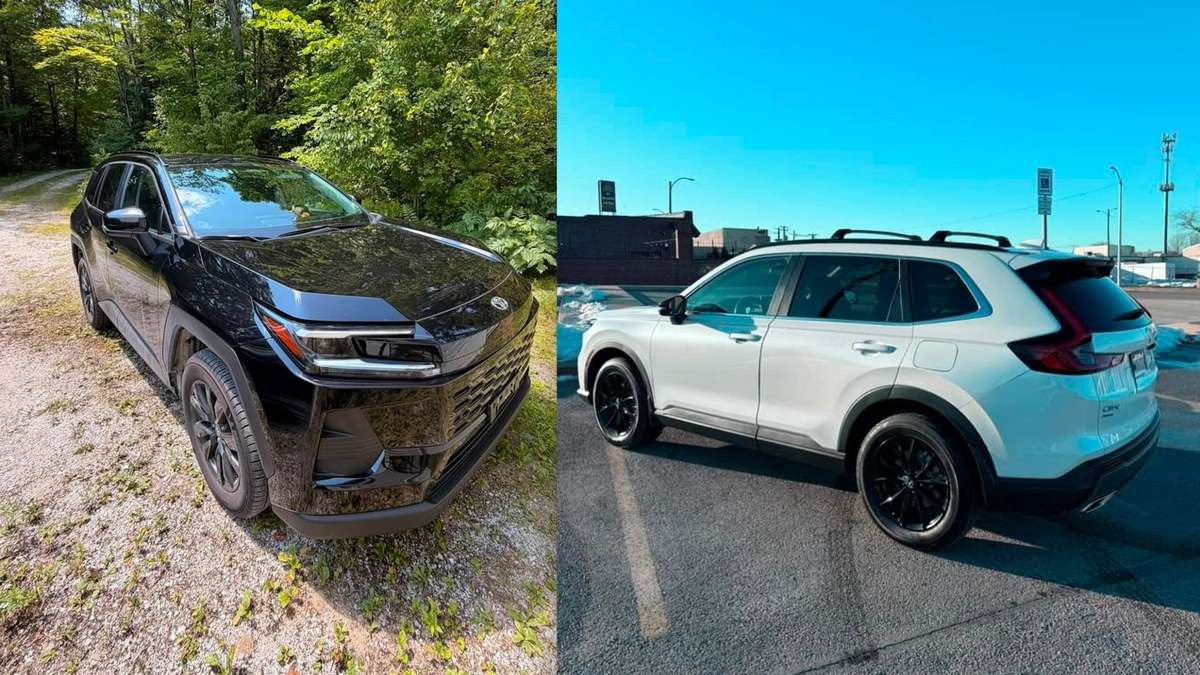

44.5 MPG is mind-blowing.
That is real-world hybrid efficiency at its absolute peak.
Yet, one long-term Honda owner is walking away from Toyota's crown jewel.
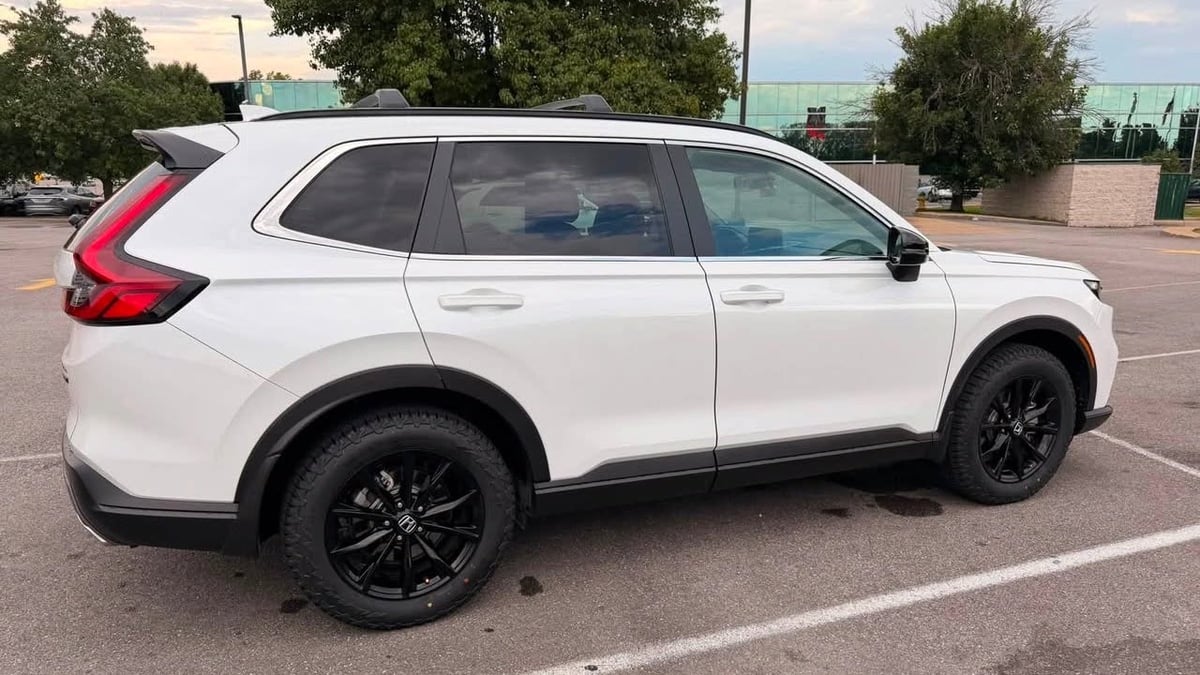
When St. Louis resident Yvan Carr-Chua handed back the keys to a 2026 Toyota RAV4 loaner after logging 450 miles across Missouri interstates, rural highways, and surface streets, he was staring at a massive mathematical victory. His personal vehicle, a 2025 Honda CR-V Sport Hybrid, averages 33.8 MPG over 22,000 miles of daily driving, meaning the rival RAV4 handed him a staggering 10.7 MPG jump without a single change to his driving style.
Despite that insane 600-mile range on a single 14-gallon tank, Carr-Chua is stubbornly refusing to jump ship to Toyota, exposing a major hidden rift in the compact SUV wars that window stickers completely fail to capture.
As I have noted in my investigative analysis on Toyota RAV4 Hybrid vs. Honda CR-V Hybrid: There's Only One That Will Last 300,000 Miles, while Toyota’s planetary gear e-CVT architecture remains an absolute mechanical vault for ultra-high-mileage drivers, Honda’s cabin ergonomics present an entirely different level of daily refinement that legacy specs cannot measure.
In a candid breakdown shared on the Honda CR-V 2023-2026 Facebook Discussion Club, Carr-Chua delivered an unvarnished owner-to-owner comparison that cuts straight to the root cause of why fuel economy alone no longer guarantees brand loyalty.
“I’m currently in a 2026 RAV4 rental for the week and here’s my takeaway as a 2025 CR-V Sport Hybrid owner... Exterior: By far the best-looking RAV4 they’ve put out. Interior: Meh… same old song and dance from Toyota. If somewhat rugged, somewhat childproof, and lots of plastic is your vibe, then this is the vehicle for you. The lines feel dated, the cuts aren’t luxurious, and the materials are lackluster... Infotainment greatly outclasses the CR-V... Fuel Economy: If this is your top item, I’ve never seen anything like this... I’m getting 44.5 mpg with zero adjustment to my driving style at all! Holy crap. 600 miles to a 14-gallon tank is insane... In conclusion, I personally would not purchase one, as I’m loyal to Honda, and prefer the nicer interior design.”
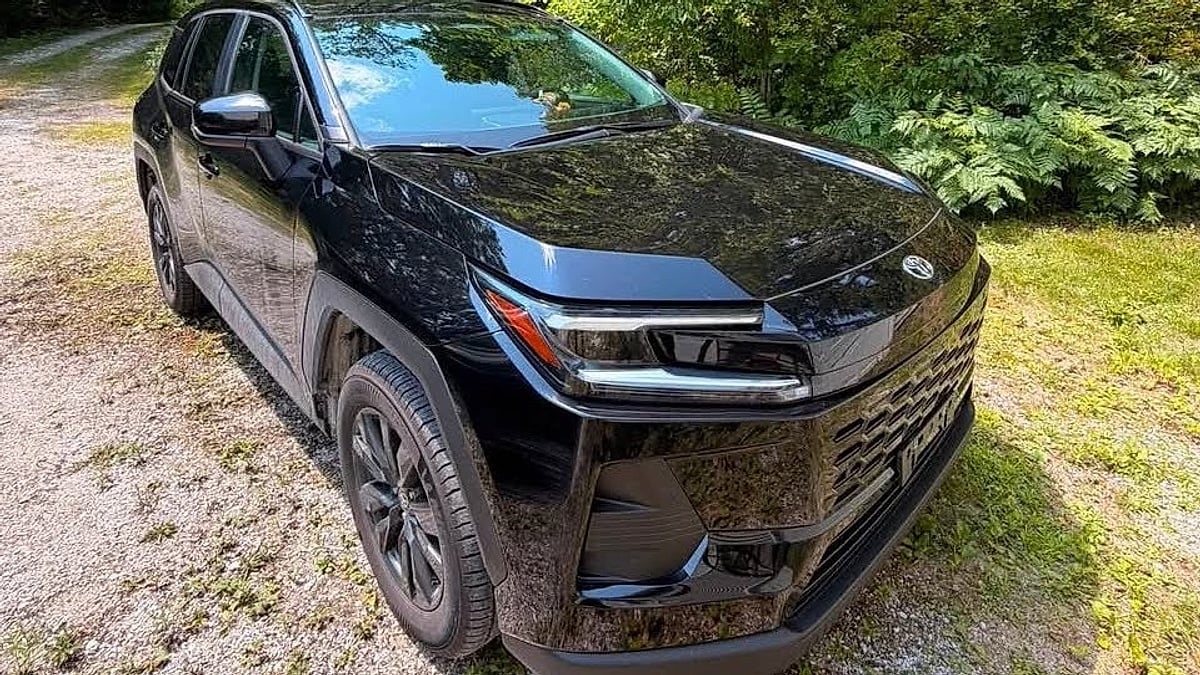
That single assessment highlights the exact tactical tradeoff drivers are silently making on dealership lots across North America today.
A comprehensive multi-vehicle comparative report from U.S. News & World Report Automotive Division notes that "the cabin quality, with its high-end materials and user-friendly technology, gives the interior a finish that reflects Honda's consistent investment in the tactile quality of its most accessible models."
The Tactile Subframe War Behind Your Dashboard
Why does a buyer willingly forfeit nearly 11 extra miles per gallon just to stay inside a Honda?
The root cause isn't found on a standard brochure; it resides deep within the structural assembly and material science of modern vehicle dashboards.
Toyota deliberately engineers the RAV4’s interior around hard, high-durability polypropylene plastics to lower manufacturing overhead, meet strict fleet durability targets, and provide a "childproof" cabin that resists severe scratches over a decade of abuse.
However, those rigid plastic panels lack the acoustic damping layers and micro-foam backings that Honda integrates into the sixth-generation CR-V’s honeycomb dash architecture and isolated structural subframes.
When you drive over expansion joints at 70 mph, those hard plastic cutouts in the Toyota transmit high-frequency vibration directly into the cabin, creating what Carr-Chua described as a "clunky dash cluster placed along a flat, water slide of a plastic dashboard."
As I revealed in another field investigation, Honda CR-V Hybrid Owner Rents 2026 Toyota RAV4 Hybrid, Rejects Its High Seating Position and Rough Ride Quality, Honda achieves its buttery acoustic advantage by utilizing a specialized, lightweight aluminum front subframe that is completely rubber-isolated from the primary unibody chassis.
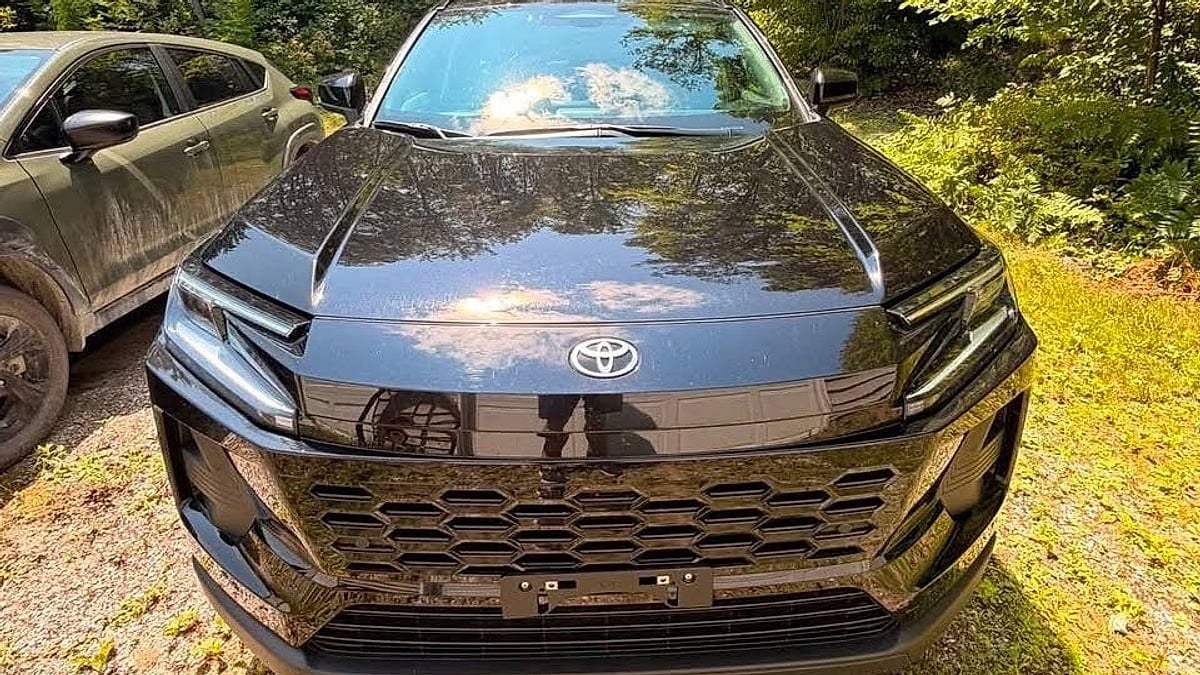
Industry-wide metric tracking from independent review groups like Ralph Honda Technical Analysis further confirms that while Toyota leans heavily into a rugged aesthetic, "the RAV4’s entry-level and mid-tier trims feature practical interior materials that do not match the sophisticated tactile experience and premium leather-wrapped touchpoints engineered into the CR-V.”
Rocky Mountain Altitude Testing Exposes The Real-World MPG Gap
Living and testing vehicles here in Parker, Colorado, I regularly push these hybrid crossovers through severe elevation swings, sub-zero morning cold starts, and steep mountain passes along the Front Range.
High-altitude atmospheric changes expose a fascinating engineering split between these two automotive giants.
Toyota’s 2.5-liter naturally aspirated Atkinson-cycle engine paired with its dual-electric motor setup relies on aggressive engine RPM flare under load, which allows the engine to generate massive efficiency sweet spots on flat Midwest terrain—explaining Carr-Chua’s insane 44.5 MPG run in Missouri.
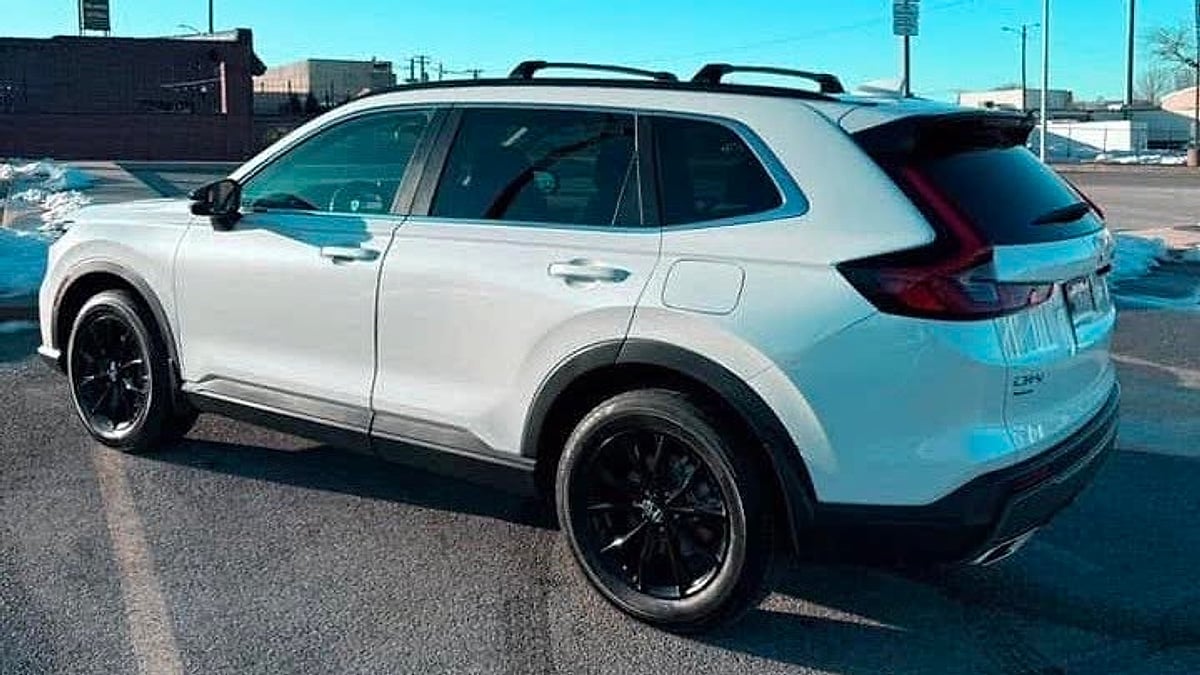
However, up here at 6,000+ feet above sea level, that same Toyota powertrain screams loudly under hard acceleration, vibrating through that hard plastic dashboard and disrupting the peace of the cabin.
Honda’s two-motor direct-drive hybrid powertrain operates more like an electric vehicle, using its 2.0-liter gas engine primarily as an onboard generator, which keeps cabin decibel levels significantly lower during high-stress mountain climbs.
While Colorado drivers might see their fuel economy drop closer to the 34 MPG mark due to thin air and steep gradients, the acoustic insulation of the CR-V creates a calm, luxury-adjacent environment that hard plastic utility vehicles simply cannot replicate.
What Is The Next Logical Question For SUV Buyers?
If Toyota clearly dominates the raw mileage test while Honda wins the cabin refinement battle, which hybrid setup actually survives long-term mechanical abuse without throwing catastrophic diagnostic trouble codes?
The immediate answer boils down to your regional climate and long-term ownership goals.
If you live in a snowy, road-salt state where high-voltage corrosion is a constant threat, Honda’s simplified direct-drive hybrid transmission eliminates the vulnerable rear high-voltage harness layout that has plagued older RAV4 models.
Conversely, if you live in a dry climate, drive 30,000 miles annually, and view your crossover purely as a tool to haul kids and gear, Toyota's bulletproof planetary gear train will easily march to 300,000 miles long after the plastic interior trim has aged.
The Final Verdict On Today’s Hybrid Rivalry
Yvan Carr-Chua’s week-long test proves that vehicle purchasing decisions are no longer decided by a single impressive stat line on a window sticker.
Toyota built an incredible fuel-sipping powertrain wrapped in a rugged appliance, but Honda built a cohesive, comfortable daily sanctuary that owners simply enjoy sitting in every single morning.
Tell Us What You Think: Would you walk away from a staggering 44.5 MPG rating just to keep a softer, quieter, higher-end dashboard in your daily driver?
Leave a comment in the red "Add new comment" link below and let us know which trade-off you would make!
There’s More Coming… Also check out my Torque News Home Page for more of my informative Honda CR-V news articles.
About The Author
Denis Flierl is a 14-year Senior Reporter at Torque News and a member of the Rocky Mountain Automotive Press (RMAP) with 30+ years of industry experience. Explore his full investigative reporting archives and technical guides at DenisFlierl.com.
Based in Parker, Colorado, Denis leverages the Rockies' high-altitude terrain as a rigorous testing ground to provide "boots-on-the-ground" analysis for readers across the Rocky Mountain region, California EV corridors, the Northeast, Texas truck markets, and Midwest agricultural zones.
A former professional test driver and consultant for Ford, GM, Ram, Toyota, and Tesla, he delivers data-backed insights on reliability and market shifts. Denis cuts through the noise to provide national audiences with the real-world reporting today’s landscape demands.
Connect with Denis: Find him on LinkedIn, X @DenisFlierl, @WorldsCoolestRides, Facebook, and Instagram.
Photo credit: Denis Flierl via Yvan Carr-Chua
Set Torque News as Preferred Source on Google
Follow us today...