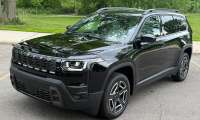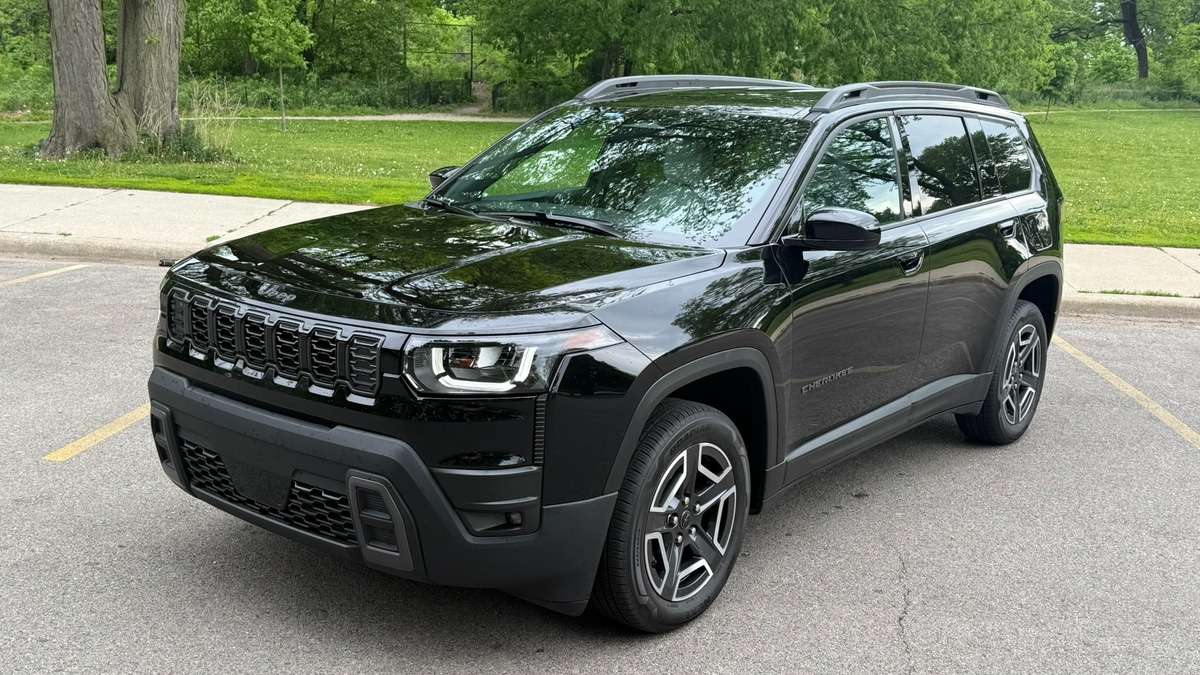

The long-awaited next generation of the Jeep Cherokee returned from a two-model-year hiatus and brought forth something new for the brand - a model with a hybrid-only powertrain. Putting a more modern, more fuel-efficient powertrain into the off-road-capable Cherokee seemed like a smart move, especially since other key competitors either offered a hybrid, or like Toyota’s RAV4, had gone hybrid only.
Jeep also had a chance to give the Cherokee a major makeover since the previous-gen vehicle was getting more than a little long in the tooth. And it had an opportunity to improve the Cherokee’s on-road manners and levels of interior comfort, plus the features mix.
Unfortunately, Jeep didn’t fully meet those goals.
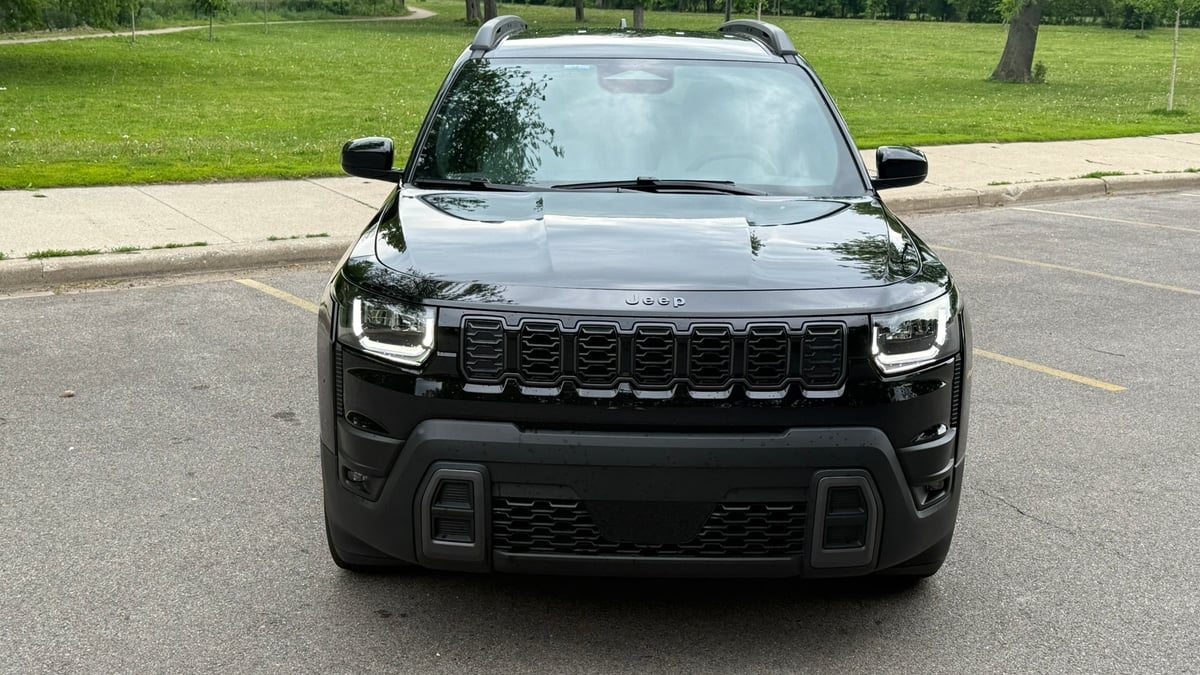
On The Road With The 2026 Jeep Cherokee Laredo
Some of the flaws I am about to point out when it comes to the Laredo trim can be corrected by the Cherokee buyer - all one has to do is select a higher trim and lay out more cash. But that’s also a bit of a problem - at one step up from the base model, the Laredo seems like it could be a volume trim, and I was hoping a volume-trim Cherokee would feel a bit more upscale.
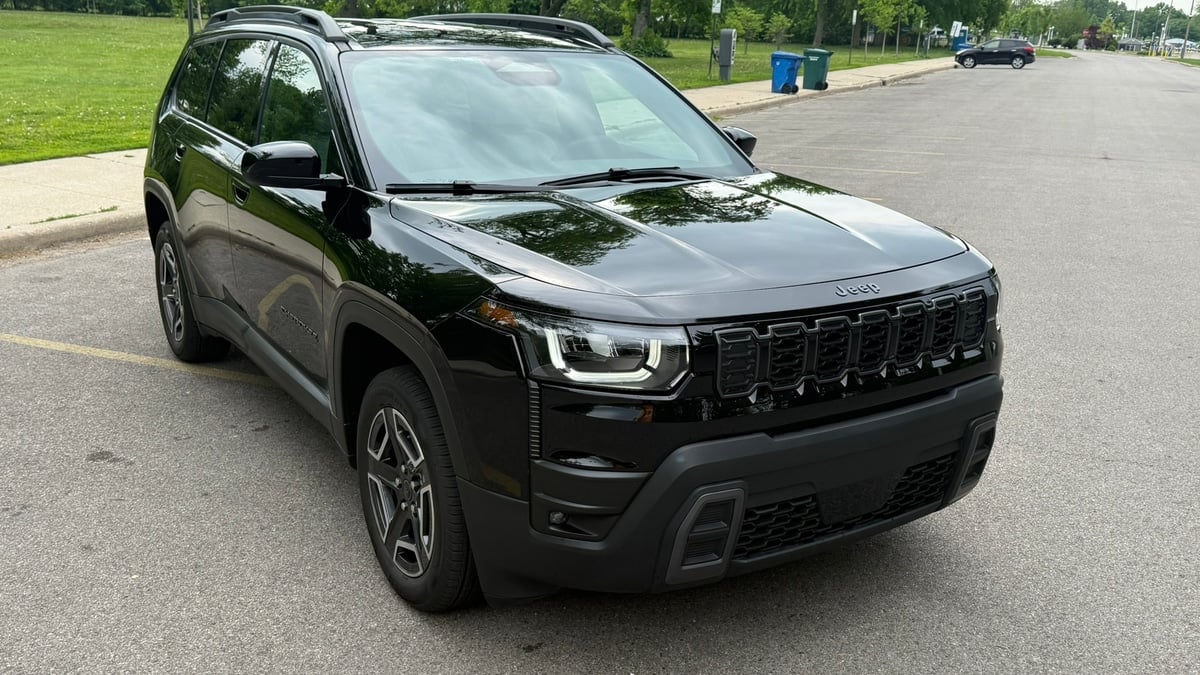
There is good here, to be clear. I like the new Cherokee’s squat, boxy look better than the mish-mash of curves and angles on the previous gen (full disclosure: A close family member owns a 2021 Cherokee). It looks more, for lack of a better word, “Jeepy.” In other words, the family resemblance to the rest of the brand is clearer and less reliant on just the seven-slot grille.
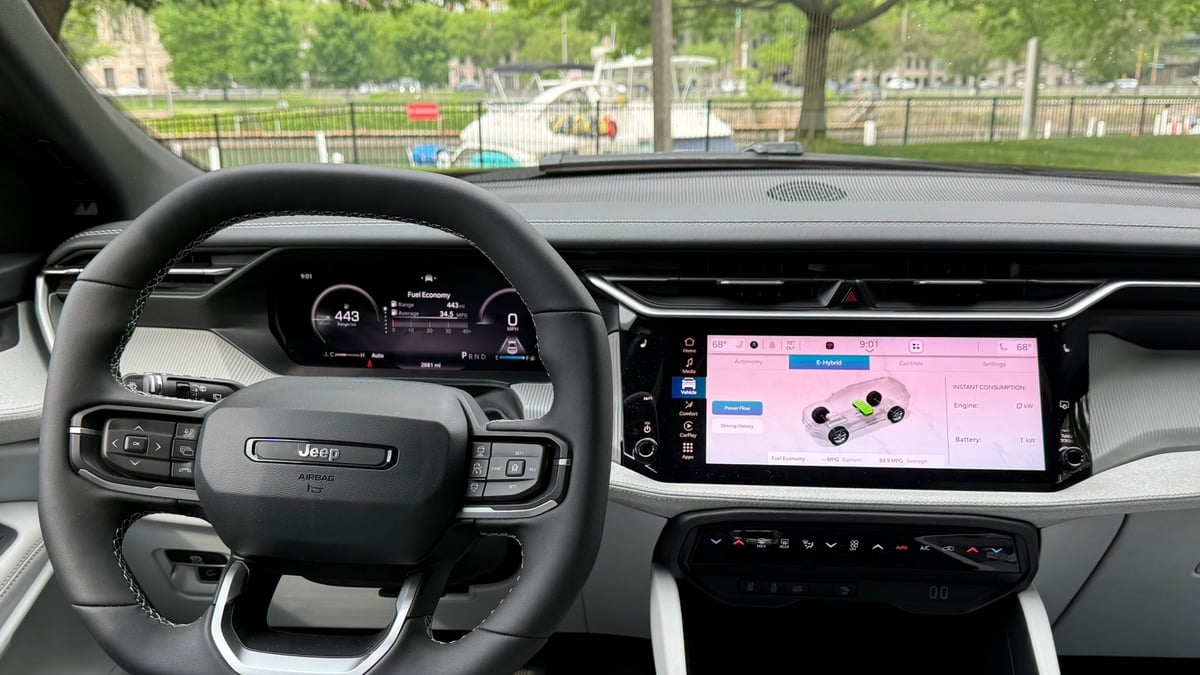
The interior design is leaps and bounds better than the previous gen, and one of the pros on the pro/con list. The dash looks better, with a nice, long sweep from side-to-side and a well-integrated infotainment screen. There’s nice storage space ahead of the cupholders, and while there is some haptic-touch control, it works seamlessly. Design has been a Stellantis success in recent years, and it shows here.
Another checkmark on the “good” list is the powertrain itself - well, sort of. The good news is that the setup, which pairs a 1.6-liter turbocharged four-cylinder gas engine with two electric motors for 210 total system horsepower and 230 lb-ft of system torque, really does manage to sip fuel. I got up into the higher 30s in MPGs, and the freeway miles on a road-trip from Chicago to rural east-central Wisconsin certainly helped.
The bad with the powertrain is that it needs more low-end grunt, and while the gas-to-electric transitions were more buttoned-down than in Jeep 4xes I’d driven previously, they were still clunkier than what’s seen in the competing hybrids.
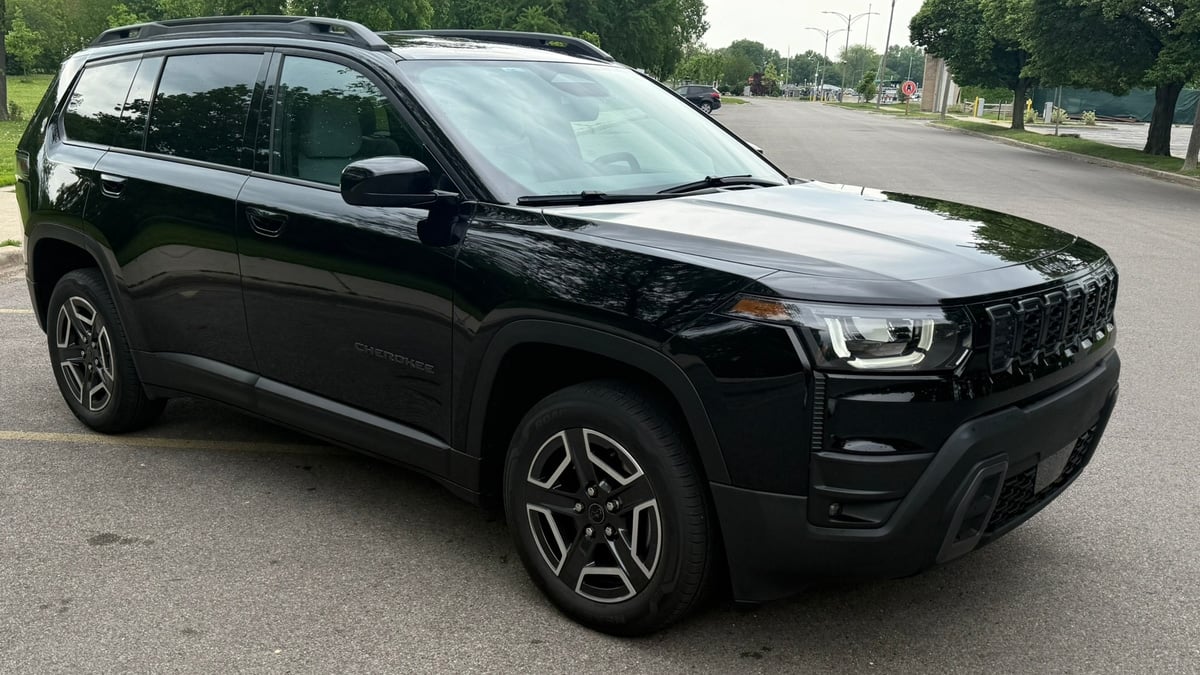
I had other beefs. The cloth seats weren’t comfortable after about 50 miles of constant seat time, and I also felt like leather should be standard on this trim. As noted above, I wish some features didn’t require splurging for the Limited or Overland trims. A heated steering wheel, premium audio, and wireless phone charging are among the items you can’t get on the Laredo trim. Perusing the Jeep consumer Web site, I’d suggest that if you can’t swing the top-trim Overland, you should go one step up from the Laredo and snag the Limited. But even then, you have to go Overland if you want a dual-pane sunroof, premium audio, and a power liftgate. I am intentionally ignoring the 85th Anniversary Edition trim, since it’s presumably available only for a limited time.
Legroom was OK up front and the cargo area is reasonably large, but the rear seat was a tick tight on legroom. Headroom was a tight in both rows - the Cherokee feels a little cramped because of that.
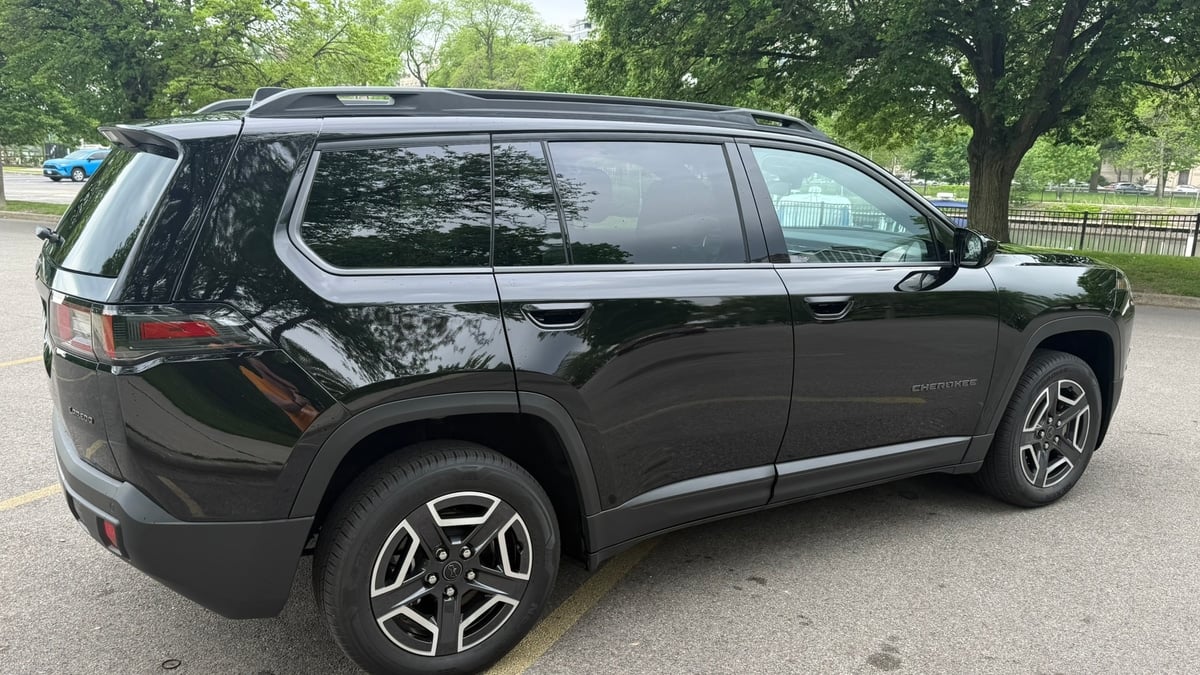
Another beef was the ride - it’s more than a little too stiff with occasional float. I don’t expect sports-car handling on a vehicle that’s meant to be an on-road commuter with better-than-average off-road capability, but the steering is disconnected and the Jeep’s maneuvers aren’t sharp. Body roll, at least, is well-muted.
Speaking of off-road capability, Jeep hasn’t yet brought back the Trailhawk trim - that was the true trail-tackler. I am sure Jeep will bring it back at some point.
Fuel economy, by the way, is listed at 39 mpg city/35 mpg highway/37 mpg combined. The transmission, which has a dial shifter in order to save interior space, is an electronically controlled continuously variable automatic. The Laredo has four-wheel drive.
Standard And Available Features
My Laredo test unit showed up with a base price of $38,000 and standard features included keyless entry and starting, rain-sensitive wipers, UConnect 5 infotainment with a 12.3-infotainment screen, satellite radio, wireless Apple CarPlay, wireless Android Auto, heated front seats, split-fold rear seats, 18-inch wheels, LED headlamps, LED front fog lamps, and roof rails.
Standard and available advanced driver-aid systems included trailer-sway damping, rearview camera, electronic roll mitigation, active driving assist system, active lane-management system, full-speed forward collision plus, blind-spot and cross-path detection, pedestrian/cyclist emergency braking, enhanced accident response system, drowsy-driver detection, intersection collision-assist system, adaptive cruise control with stop and go, and rough-road cruise control.
The only option was the $595 black paint. So with that and the $1,995 destination fee, the total came to $40,590.
That’s not a bad price, and the good news is that the Limited and Overland don’t cost too much more. The bad news is that while springing for those will get you desirable features, that won’t solve the issues with the powertrain and ride and handling. Well, the 20-inch wheels standard on those two trims might help.
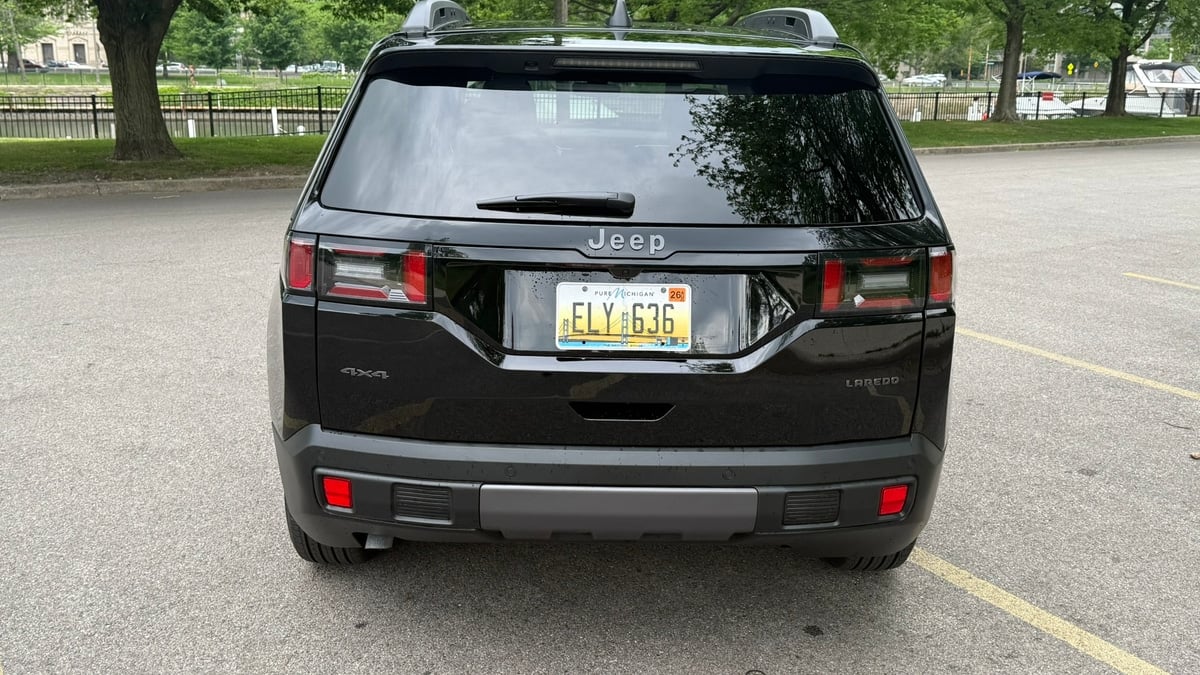
I was really hoping, giving the two years off, that the Jeep Cherokee could better compete in the cutthroat five-seat compact crossover segment. I assume it has better-than-average off-road capability - I’ve not yet had the chance to take one off-road - although I don’t think it can really compete with a Ford Bronco Sport Badland’s off-road chops until the Trailhawk returns. Unfortunately that version of the Bronco Sport has better on-road performance, too, though Ford doesn’t offer a hybrid in that vehicle and the three-cylinder isn’t as stout as the four. Meanwhile, Toyota’s RAV4 is also hybrid-only, and it has better road manners, an available sport version, and is a better overall package.
If Jeep can add some grunt and perhaps change the feature/trim mix, that will be a good step in the right direction. Some ride sacrifice is understandable in an off-road-oriented crossover, yet Ford has shown that a small crossover setup for off-roading can, with the right tuning, not require too much trade-off on road.
Jeep did a lot to improve upon the previous generation Cherokee, but it’s not quite enough. Let’s hope the inevitable mid-cycle refresh takes a giant leap forward.
Images: Tim Healey
About The Author
Tim Healey is an experienced automotive writer and editor from Chicago. He has covered automotive news at Consumer Guide Automotive, Web2Carz, AutoGuide, and was the managing editor at The Truth About Cars. Tim is a member of the Midwest Automotive Media Association. You can find him on Facebook, X/Twitter, and on LinkedIn.
Set Torque News as Preferred Source on Google
Follow us today...