

If you're an EV owner, shopper, or just someone who likes keeping tabs on the fast moving world of electric vehicles, today's headlines are a mixed bag. Tesla's driverless robotaxi service just started picking up real passengers with nobody behind the wheel, while a tiny Italian city car company thinks it found the answer to America's parking and charging headaches. Let's break it all down.
Tesla Cybercab Hits Public Roads in Austin
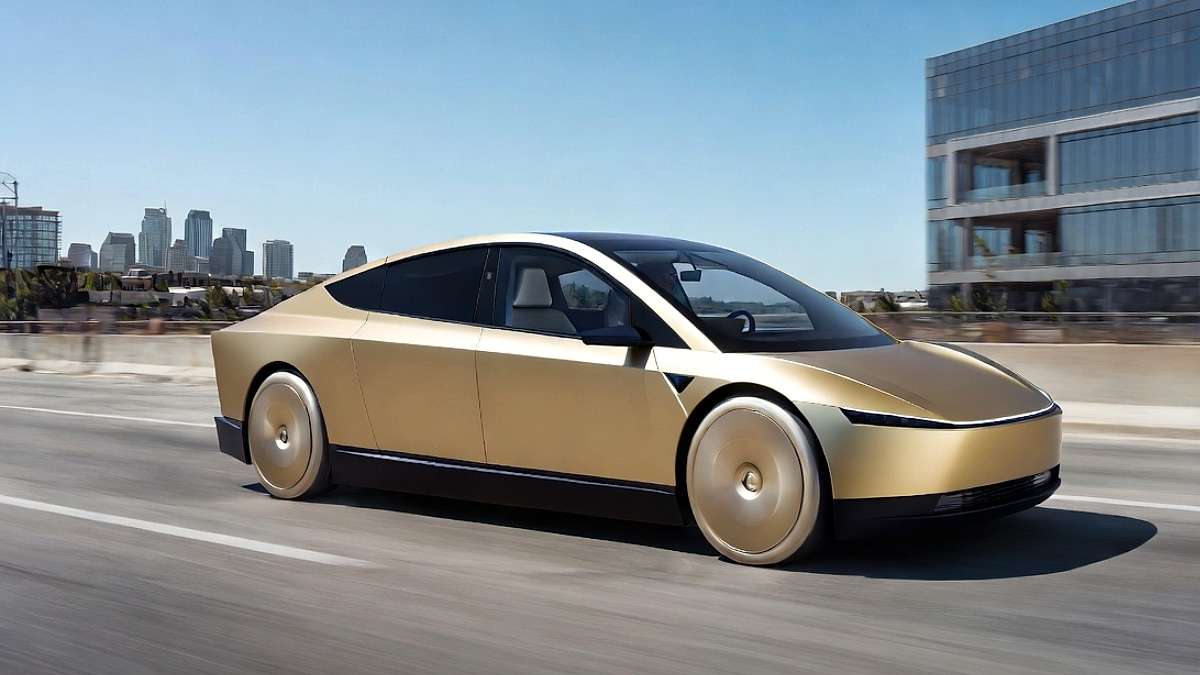
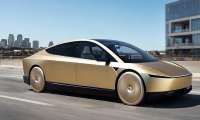
Tesla has started engineering tests of production spec Cybercabs on Austin streets and highways. These dedicated two seat robotaxis have no steering wheel and no pedals. It's a strange thing to see roll past you at a stoplight, but drivers keep spotting them, and it's not just happening in Texas either. Similar test vehicles have already been caught on camera navigating traffic in Colorado, with a safety monitor onboard collecting data the whole time.
You might be wondering: Is the Cybercab truly driverless and available for rides yet?
That safety monitor detail matters more than people realize. Tesla's Austin robotaxi program has already drawn scrutiny after crash data showed the fleet getting into accidents more often than human drivers, and our own coverage dug into what that crash data really means for the company's autonomy timeline. So no, the Cybercab isn't fully driverless for the public yet. These are engineering tests, and full unsupervised operation is still a ways off.
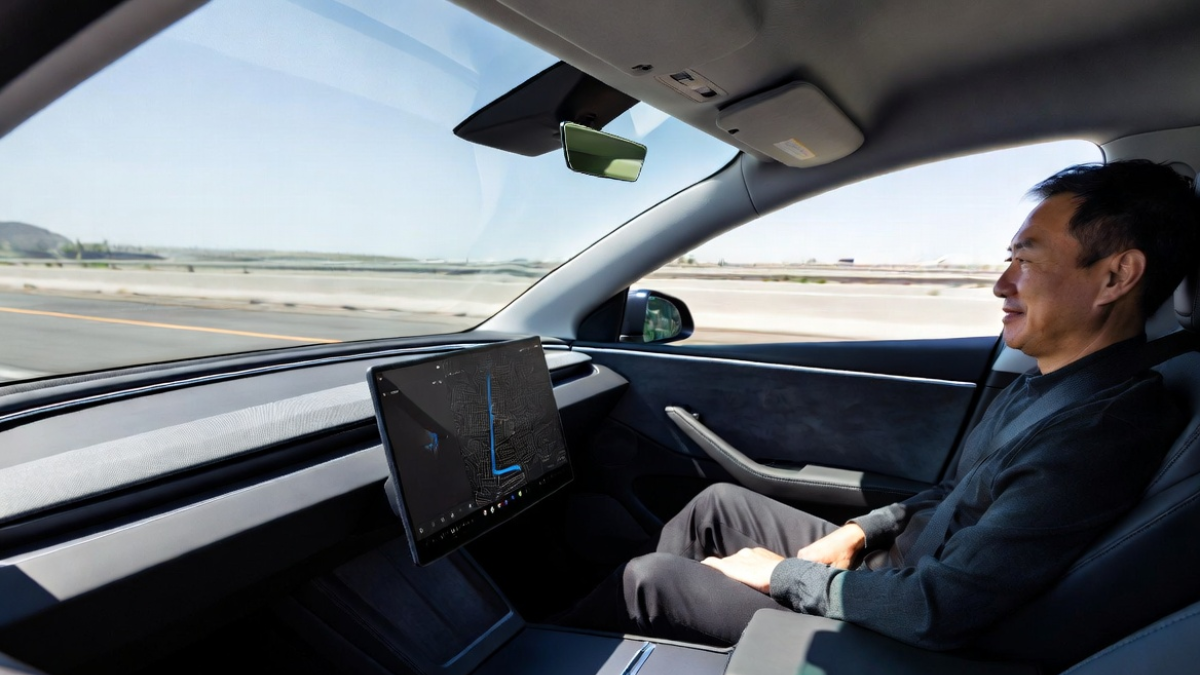
There's also a bigger infrastructure story hiding underneath all this. A car with no steering wheel and no pedals can't exactly plug itself in, which is why regulators recently gave Tesla the green light to use wireless charging technology built specifically for the Cybercab fleet. That's the kind of quiet regulatory approval that tells you a company is building for scale, not just a pilot program.
Even the little details are getting attention. Turns out the Cybercab's beige paint job isn't random at all. Our team traced it back to a 1970s German taxi color that helped invent the modern vehicle wrap, which is a fun rabbit hole if you're into automotive design history. Not everything in the EV world is about horsepower and range. Sometimes it's about a paint chip from fifty years ago.
GM Recalls Nearly 15,000 Cadillac Vistiq Electric SUVs
Now let's talk about General Motors, because this one is serious. GM halted shipments and recalled roughly 14,540 Cadillac Vistiq three row electric SUVs, primarily 2026 models, over a power folding third row seat that may not reverse when it hits an obstruction. This is the same three row SUV we covered when Cadillac first pulled back the curtain on the Vistiq as its answer to a growing luxury EV segment, and it's a reminder that even well reviewed vehicles can hide mechanical surprises after they hit driveways.
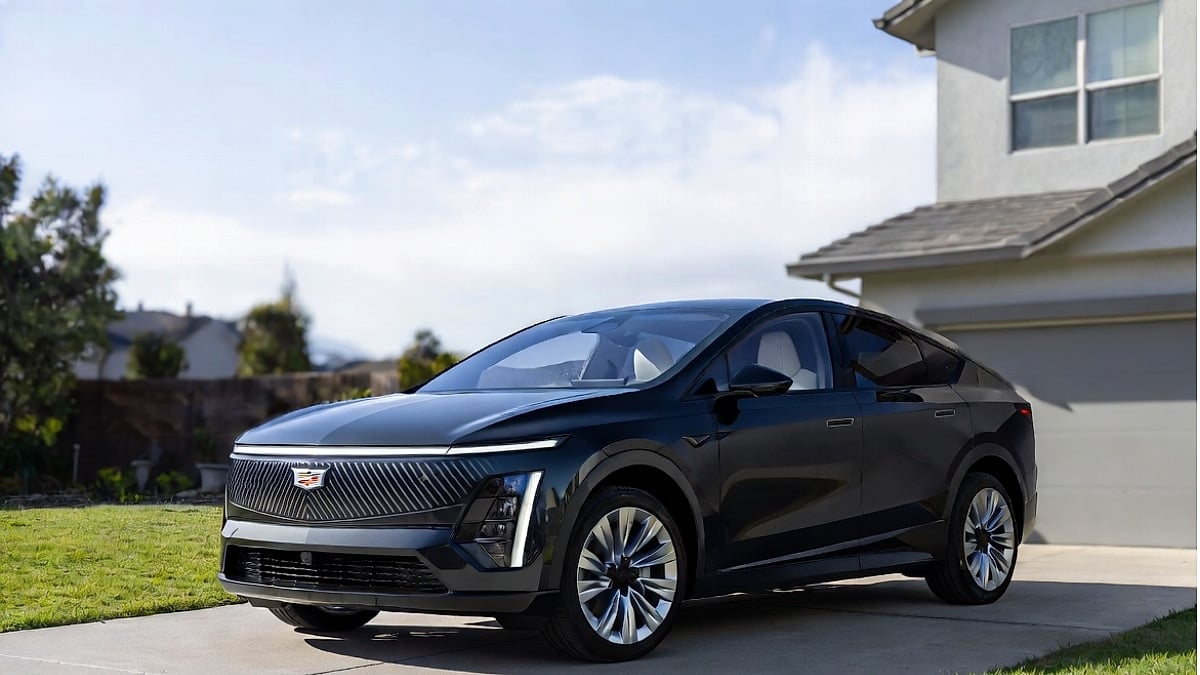
According to Electrek, GM told federal regulators that a person, especially a child, may be trapped by a rear powered seatback, which is about as blunt as a recall filing gets. No injuries have been reported so far. Dealers will disable the power fold feature and later replace the seat module for free, and notification letters start going out in early August. If you're driving one, check your VIN on NHTSA.gov or the myCadillac app before your next family road trip.
It's worth remembering why families were drawn to this SUV in the first place. When we spent real seat time in it, our review found that the Vistiq quietly solves a pricing problem the Escalade IQ created for buyers who wanted three rows without six figure money. That value proposition doesn't disappear because of a recall, but it does mean owners should stay patient while GM sorts out a permanent fix.
Cadillac has also been working hard to convince luxury SUV shoppers that this vehicle competes with more than just other EVs. Our deeper look at the Vistiq argued that its real competition isn't Tesla at all, it's every gas powered three row luxury SUV parked in driveways across the Southeast. A recall like this one tests that argument, but it doesn't necessarily break it.
Affordable New EVs and Broader Market Shifts
On the accessibility front, Fiat's charming little Topolino is now aimed at the US market at a price around $14,000. It's a compact two seater built for short urban hops, and Stellantis is betting Americans are tired of circling the block looking for parking. If you want a sense of how far Fiat's small car strategy has already come stateside, our seven day test drive of the 2025 Fiat 500e through the streets of Charlotte captured both the charm and the range anxiety that comes with owning a small EV.
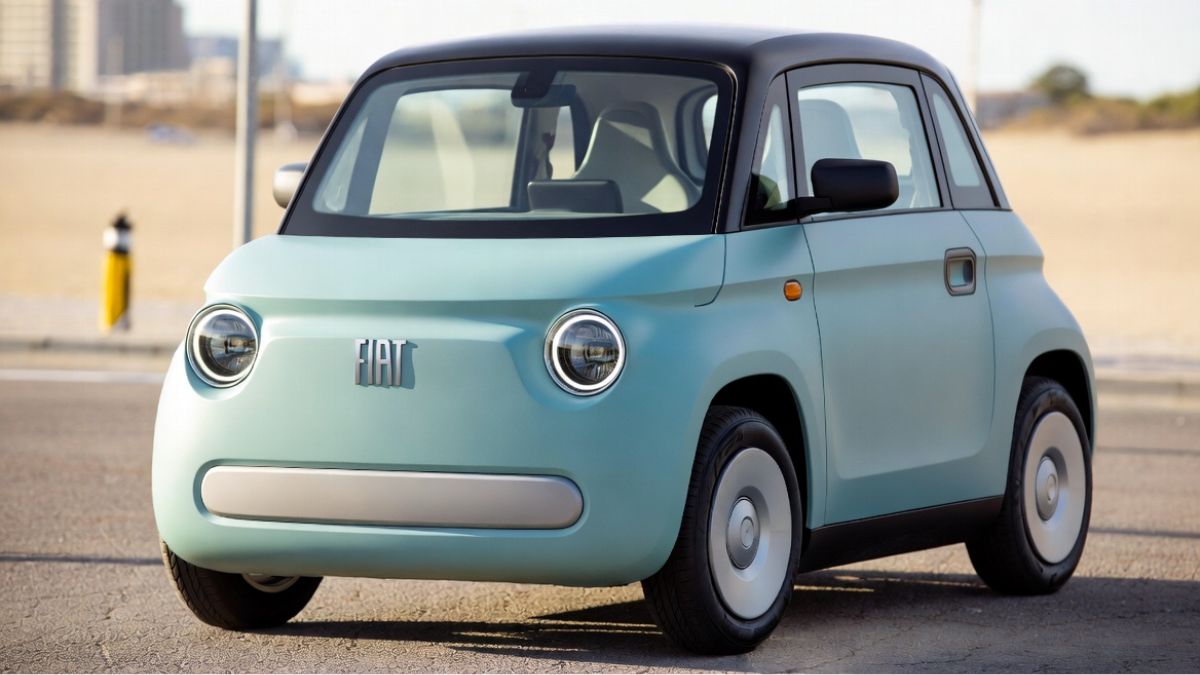
Here's the honest truth though. Cheap EVs have not been flying off lots in 2026. Our reporting found that Americans have shown a surprising disinterest in buying budget priced electric vehicles this year, even with strong options on the table. The Topolino may be adorable, but it's entering a market where the Bolt and the Leaf are struggling to move units.
That doesn't mean the segment is dead, though. There genuinely are more affordable EV choices today than most shoppers realize, and our breakdown of the full lineup of budget friendly electric vehicles on sale right now is worth a look if you're EV shopping on a real world budget. Global competition is pushing more small, cheap EVs into the conversation, even if American buyers haven't fully warmed up to them yet.
Bottom Line for EV Enthusiasts
So here's the moral of today's stories. Progress in this industry rarely arrives clean. Tesla's robotaxi ambitions are real, but they're still being tested in public, with real risk attached. Cadillac's Vistiq is a genuinely good SUV, but even good SUVs get built with parts that fail. And Fiat's tiny city car might be exactly what some drivers need, even while the broader affordable EV market struggles to find buyers. None of these stories are simple wins or simple failures. They're just where the industry actually is right now.
What caught your attention most, the Cybercab progress, the Vistiq recall, or the push for cheaper EVs? And if you own a Vistiq, have you already gotten your recall notice? Drop a comment and let us know.
Return tomorrow, or check our Torque News Home Page for more interesting automotive news articles.
About The Author
Armen Hareyan is the founder and Editor-in-Chief of Torque News and an automotive journalist with over 15 years of experience writing car reviews and industry news. Now based in the Charlotte region (Indian Land, SC, he founded Torque News in 2010, which since then has been publishing expert news and analysis about the automotive industry. He can be reached at Torque News on X, Linkedin, Facebook, and Youtube. Armen holds three Masters Degrees, including an MBA, and has become one of the known voices in the industry, specializing in the landscape of electric vehicles and real-world stories of actual car owners. Armen focuses on providing readers with transparent, data-backed analysis bridging the gap of complex engineering and car buyer practicality. Armen frequently participates in automotive events throughout the United States, national and local car reveals and personally test-drives new vehicles every week. Armen has also been published as an automotive expert in publications like the Transit Tomorrow, discussing how will autonomous vehicles reshape the supply chain, and emerging technologies in vehicle maintenance.
Set Torque News as Preferred Source on Google
Follow us today...



Comments
It is actually not all…
Permalink
It is actually not all Vistiq. it is all 2027 and many 2026 models but not all.
I think, since there is no…
Permalink
In reply to It is actually not all… by Raychel Gates (not verified)
I think, since there is no fix at the moment so it would be all 2026 models.