
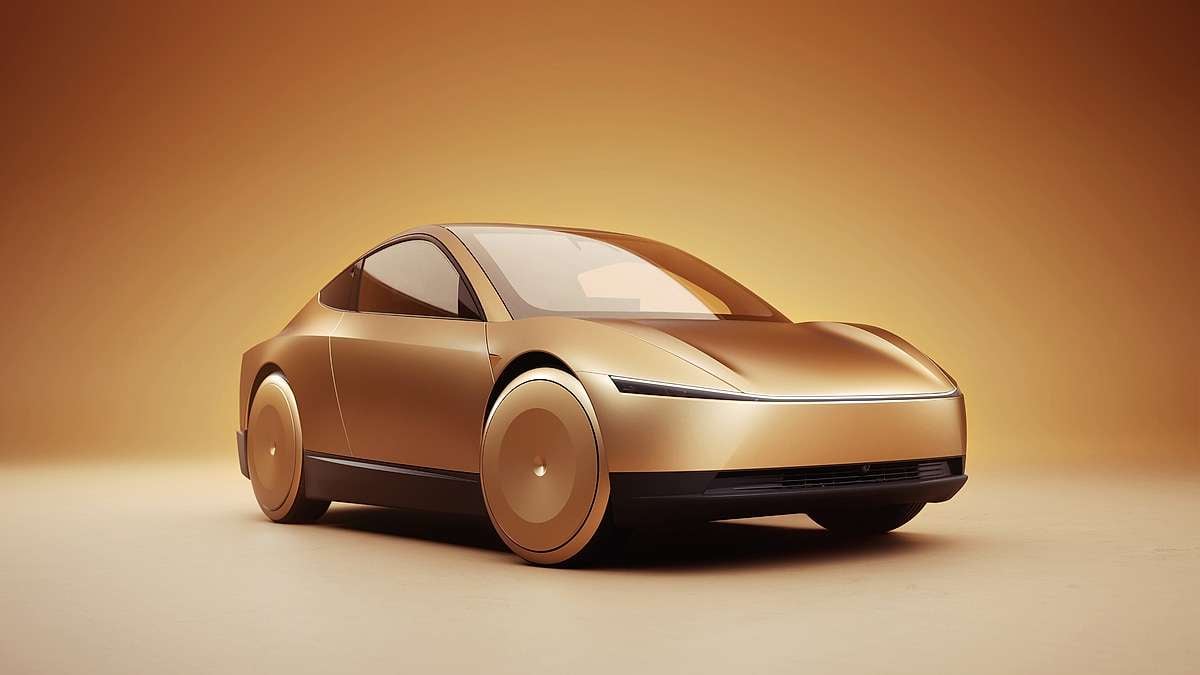

The beige hue of the forthcoming Tesla Cybercab, a color strikingly similar to the "Hellelfenbein" (light ivory) mandated for German taxis in the 1970s, reveals an unexpected lineage for modern vehicle aesthetics. This specific shade contributed to the development and widespread adoption of full-body vehicle wraps, a technology now ubiquitous across the automotive industry. What began as a practical solution for a regional taxi fleet nearly five decades ago has evolved into a multi-billion-dollar customization market, now poised to define the appearance of future autonomous vehicles.
"Fun fact, I didn’t expect to go down a rabbit hole on
Back in the 1970s, in Germany, taxis were required to be a specific beige color called “Hellelfenbein” (light ivory).
At first, that meant actually painting the cars, which was expensive and permanent. Not ideal when a lot of taxis were just regular cars being rotated in and out of service.
So instead, companies like 3M adapted adhesive vinyl into removable films that could temporarily change a car’s color.
Taxi companies could wrap their cars in beige, run them as taxis, then peel them off later and resell the cars like normal.
That ended up becoming one of the first real large-scale uses of full-body vehicle wraps, not just decals or signage.
It basically proved three things early on:
Full wraps were actually practical
They could replace the paint in some cases
Removability had real value
Advertising
Here’s the ironic part:
The new Cybercab is almost that exact same beige color.
Kinda wild that the color that helped start modern car wrapping 50 years ago is now the base for (predictably) one of the most wrapped vehicles ever.
Thanks for joining me on this spiral lol."
The user teslabros has unearthed a fascinating, almost poetic, historical loop. The beige "Hellelfenbein" was not merely a color; it was a catalyst for innovation. Faced with the economic impracticality of repainting vehicles that might only serve as taxis for a few years, German taxi operators spurred the development of adhesive vinyl films.
Tesla Cybercab: The Future of Autonomous Mobility
- The Tesla Cybercab is an autonomous, electric vehicle designed for a robotaxi service, aiming to revolutionize urban transportation with on-demand rides. Its design makes clear interior space and passenger comfort, reflecting its dedicated purpose as a self-driving shuttle.
- Revealed at Tesla's "Cyber Rodeo" event in 2022 and further detailed at Investor Day 2023, the Cybercab is expected to be a purpose-built vehicle, not a modified existing model. This allows for optimized design around autonomous operation and passenger experience.
- The vehicle is central to Tesla's vision of a fully autonomous ride-sharing network, where owners can dispatch their vehicles to earn income when not in use. This model promises to significantly reduce per-mile transportation costs for consumers.
- While specific production timelines and technical specifications remain largely under wraps, the Cybercab represents Tesla's long-term strategy to dominate the autonomous mobility sector. Its introduction could reshape urban planning and personal vehicle ownership paradigms.
This was a direct response to a regulatory burden, transforming it into an opportunity for companies like 3M to pioneer a flexible, reversible solution that proved the viability of full-body wraps. The implications were immediate: wraps could substitute paint, they were practical for large fleets, and their removability offered significant resale value advantages.
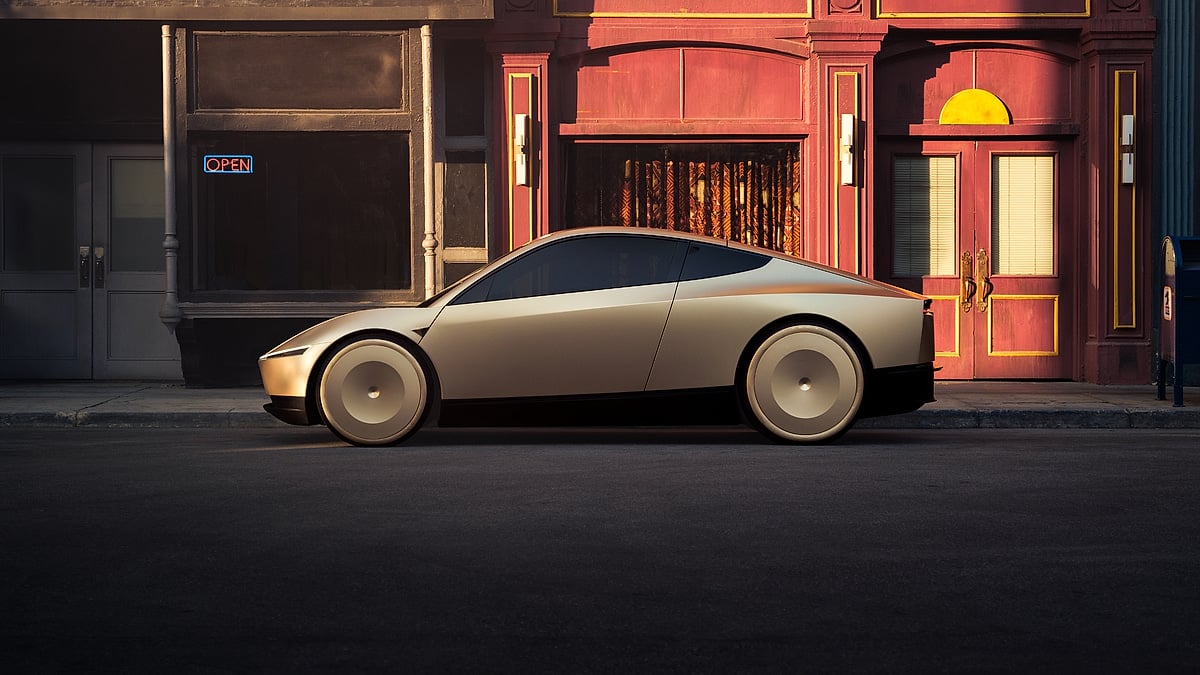
The Cybercab's return to this specific color, whether intentional or coincidental, shows a recurring theme in automotive design and utility: form often follows function, even when that function is purely economic. The original beige wrap allowed for quick conversion and reconversion of vehicles, maximizing their utility and resale value. In an era where Tesla is pushing for a fleet of autonomous robotaxis, the ability to rapidly deploy, brand, and potentially rebrand or resell vehicles without permanent paint modifications becomes critical. This is where the historical parallel truly resonates.
Reddit user u/97PG8NS, who lives in a city with a BRT bus line, provided a contemporary example of this very principle: "On a somewhat related note...the city I live in has a BRT bus line that uses 60-foot articulated buses in a bright lime green livery unique to the BRT line. However, the buses are actually wrapped rather than painted like the rest of the fleet and are white underneath. This was done because the funding used to buy the buses for the BRT line expressly prohibits their use on other lines but if they ever needed 60 footers on a non-BRT line, all they'd have to do is remove the lime green wrap and wrap it in the normal dark blue livery."
This comment confirms the enduring value proposition of vehicle wraps. The flexibility to change a vehicle's appearance without committing to a permanent paint job offers significant operational advantages, particularly for fleet vehicles subject to specific branding, funding stipulations, or eventual resale. The core economic drivers that pushed German taxi companies to adopt wraps in the 1970s are still very much alive today, albeit applied to different types of vehicles and services.
The discussion also touched on the persistence of these regulations. Reddit user u/M4DHouse noted: "Some German Bundesländer (states) still require this color for taxis, Hamburg, for example."
This detail reveals the deep-rooted nature of the "Hellelfenbein" requirement in German taxi culture. Regulatory frameworks, even seemingly minor ones, can drive significant technological shifts. The fact that the color persists in some regions today speaks to its lasting impact and the initial mandate's influence. It also provides a direct link to the historical context that teslabros brought to light, showing that the legacy of this beige isn't just in wraps, but in ongoing policy.
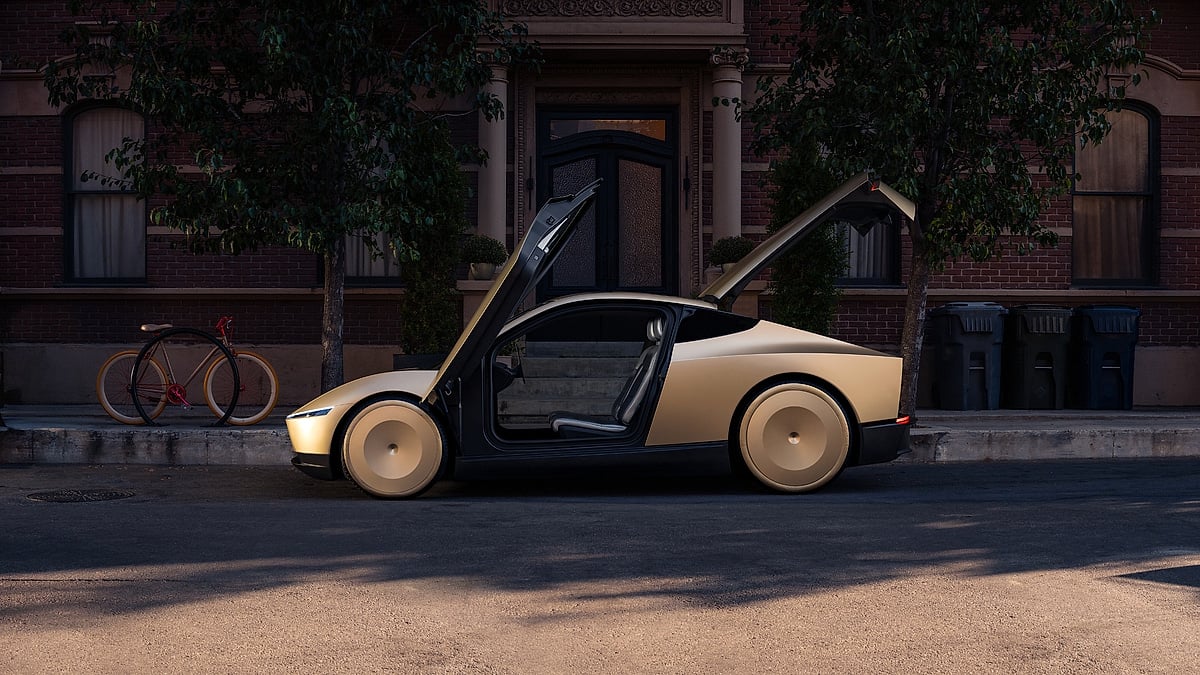
The Tesla Cybercab's beige palette is more than a design choice; it's a historical callback to the very origins of modern vehicle wrapping, a technology born from economic necessity and regulatory compliance in 1970s Germany. The flexibility and cost-effectiveness that wraps offered then are precisely what make them indispensable for today's diverse fleets, from municipal buses to future robotaxis. This is a powerful demonstration of how practical problems drive innovation, and how good solutions, like the humble vehicle wrap, continue to shape the automotive landscape decades later.
Image Sources: Tesla Media Center
About The Author
Noah Washington is an automotive journalist based in Atlanta, Georgia, covering sports cars, luxury vehicles, and performance culture. His reporting focuses on explaining the engineering, design philosophy, and real-world ownership experience behind modern vehicles.
Noah has been immersed in the automotive world since his early teens, attending industry events and following the enthusiast communities that shape how cars are built and driven today. His work blends industry insight with enthusiastic storytelling, helping readers understand not just what a car is, but why it matters.
Noah is also a member of the Southeast Automotive Media Association (SAMA), a professional organization for automotive journalists and industry media in the Southeast.
His coverage regularly explores sports cars, luxury vehicles, and performance-driven segments of the automotive industry, including the evolving culture surrounding Formula Drift and enthusiast builds.
Read more of Noah's work on his author profile page.
You can also follow Noah here:
Set Torque News as Preferred Source on Google
Follow us today...






