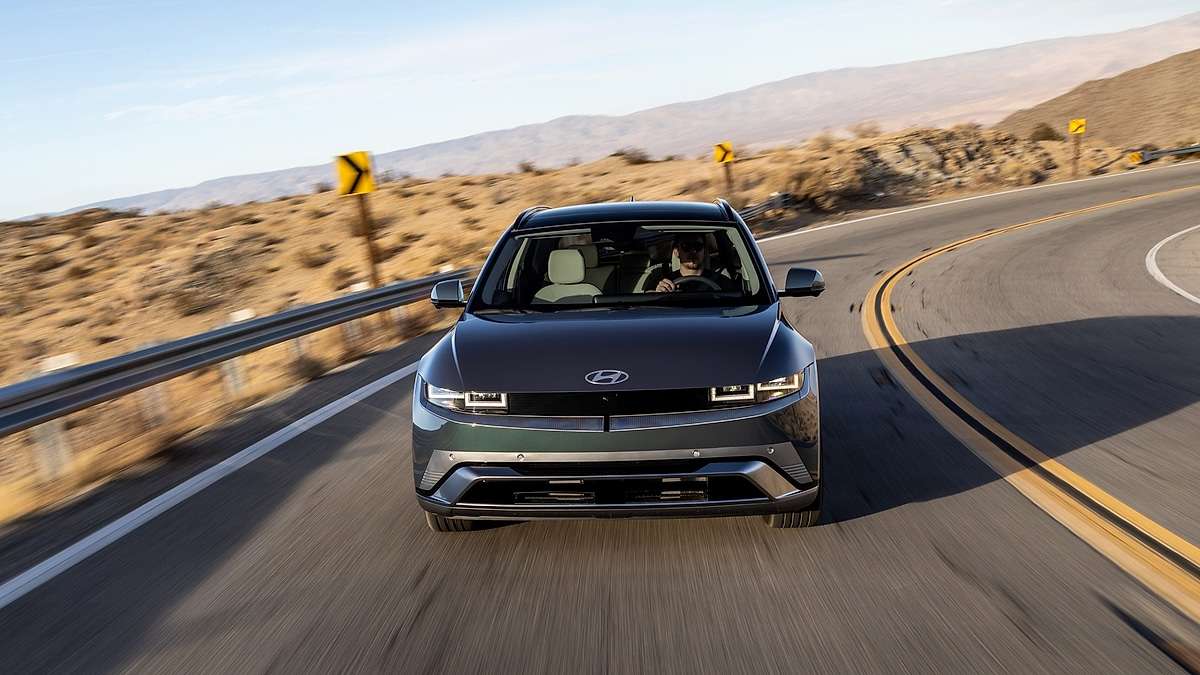

A Reddit user, who owns both a Hyundai Ioniq 5 and a Polestar, reports being forced to park their electric vehicles "far away" when visiting their 70-year-old parents. The reason: their parents are "scared of it combusting and that fire not being able to be put out." This is a direct consequence of pervasive, unsubstantiated fear. The core problem is that misinformation about EV safety is actively shaping owner behavior and family dynamics.
This specific anecdote shows a broader, troubling pattern where fear-mongering about electric vehicle fires, often detached from actual incident rates or comparative data, has taken root in public perception for the Ioniq 5. It forces otherwise rational individuals to make decisions based on emotion rather than fact, impacting everything from parking choices to the wider adoption of cleaner transportation. The industry's failure to effectively counter these narratives has left a vacuum for speculation and outright falsehoods.
"Context: I own and drive EVs (Ioniq 5 and Polestar) and am not someone who goes on about them. I just like the driving experience and don’t mind the limitations.
When I visit my parents, I have to park far away as they are scared of it combusting and the fire not being able to be put out. Where is this information coming from? They are both 70yo and susceptible to other ideas of government conspiracies, etc.
I respect my parents' wishes and don’t want to change them. I just want to know who is creating the misinformation and why they are scaremongering my pension-age parents?"
Hyundai Ioniq 5 & Polestar 2: Fire Safety and Public Perception
- The Hyundai Ioniq 5 and Polestar 2 both utilize advanced liquid-cooled lithium-ion battery packs, designed with multiple layers of thermal management and structural protection. These systems are engineered to prevent thermal runaway and protect the battery in the event of a collision, significantly reducing fire risk.
- Independent studies and data from organizations like AutoInsuranceEZ indicate that hybrid vehicles have the highest fire incident rates, followed by gasoline vehicles, with electric vehicles having the lowest. For every 100,000 vehicles sold, there were 3,475 hybrid fires, 1,530 gasoline fires, and only 25.1 EV fires.
- EV battery packs are subjected to rigorous crash testing and safety standards, including crushing, puncturing, and extreme temperature exposure, far exceeding the safety requirements for smaller consumer electronics. This robust engineering is often overlooked in public discussions about EV fire safety.
- Despite the lower statistical risk, the perception of EV fires is often heightened due to the dramatic nature of thermal runaway events and the challenges first responders face in extinguishing them. This shows a need for better public education and training for emergency services.
The user's experience with their parents is a symptom of a larger communication breakdown. While EV fires do occur, the rate is demonstrably lower than that of gasoline vehicle fires. Yet, the perception is often the inverse, fueled by sensationalized media reports and a general unfamiliarity with new technology. The industry has been slow to proactively educate, preferring to let the data speak for itself, which, in a noisy media landscape, is simply not enough.
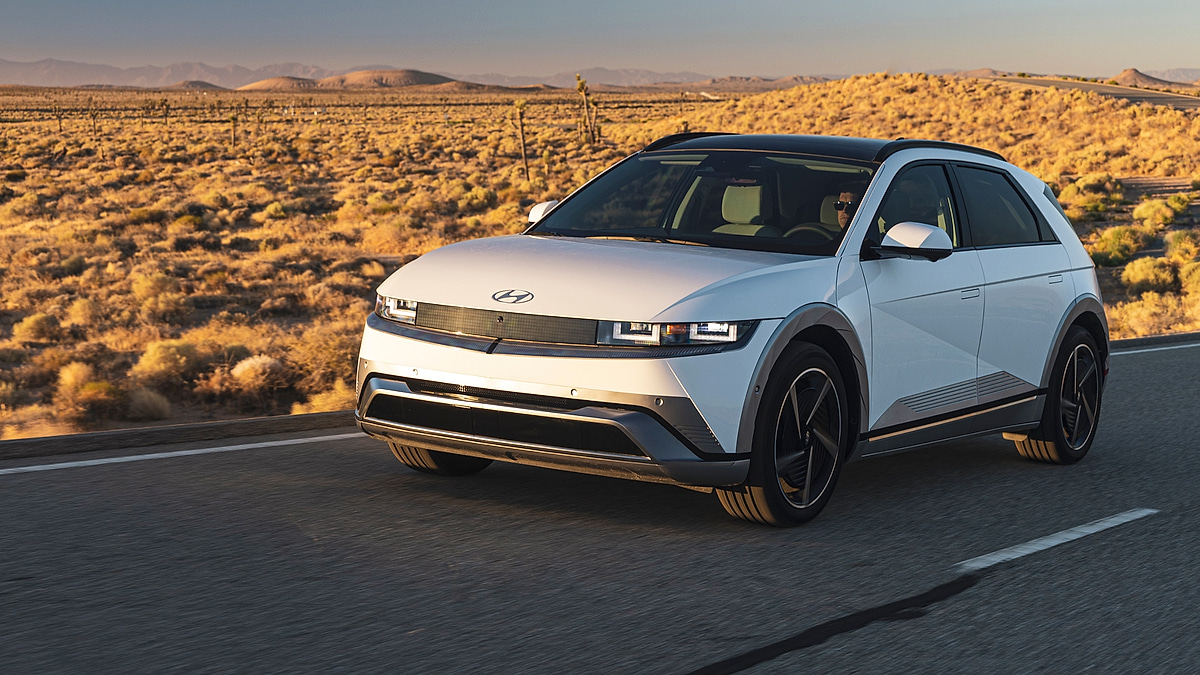
This is where the pattern becomes clear. The comments section of the post quickly pivots to the hypocrisy of fearing EV fires while ignoring the inherent dangers of internal combustion engines. Reddit user @robstoon, who drives a 2021 Hyundai Kona Electric, succinctly points out: "It's always fun when people are worried about EV fires when they probably carry around lithium batteries, generally with much less protection circuitry, in their pants on a regular basis." This observation cuts directly to the heart of the issue: selective fear.
The average smartphone, laptop, or e-bike contains lithium-ion batteries with far less robust thermal management and crash protection than those found in modern electric vehicles. Yet, the public does not harbor the same level of anxiety about these devices. This suggests the fear isn't solely about the technology, but about its scale and the novelty of its application in a vehicle. The industry's messaging needs to address this psychological barrier, not just present raw statistics.
Reddit user @willingzenith, an Equinox EV owner, amplifies this point, stating, "Not to mention the cars they have that carry around 20+ gallons of explosive liquid." This is a crucial counterpoint that EV proponents frequently raise, and for good reason. Gasoline is highly flammable, and gasoline tank ruptures in collisions are a known, albeit rarely sensationalized, hazard. The double standard in public perception is glaring, and it's one that manufacturers have largely failed to dismantle.
The problem isn't just about what's being said; it's about what's not being said, or at least not effectively communicated. The public is rarely reminded that every gasoline station is equipped with extensive fire suppression systems, a detail that @snoogins355, a Lightning Lariat SR owner, shows: "And gas stations have canopies not for bad weather or shade but fire suppression systems so the underground tanks don't go boom." This fundamental infrastructure exists precisely because of the inherent dangers of fossil fuels, a reality that has become so normalized it's invisible to many.
The real challenge, as @Nunov_DAbov points out, lies in the conflation of different lithium-ion battery applications: "They have seen reports of substandard batteries on e-bikes and laptops exploding." Improperly protected lithium is a nasty element. Tesla quality control hasn’t helped the impressions." This commenter accurately identifies the source of much of the public's anxiety: the broad brush with which "lithium battery" is painted. A cheap e-bike battery pack from an unknown manufacturer bears little resemblance in terms of engineering, safety, and regulation to the multi-layered, liquid-cooled battery architecture in a modern EV. The industry has allowed these disparate issues to merge in the public consciousness, creating an undeserved stigma for all lithium-ion applications.
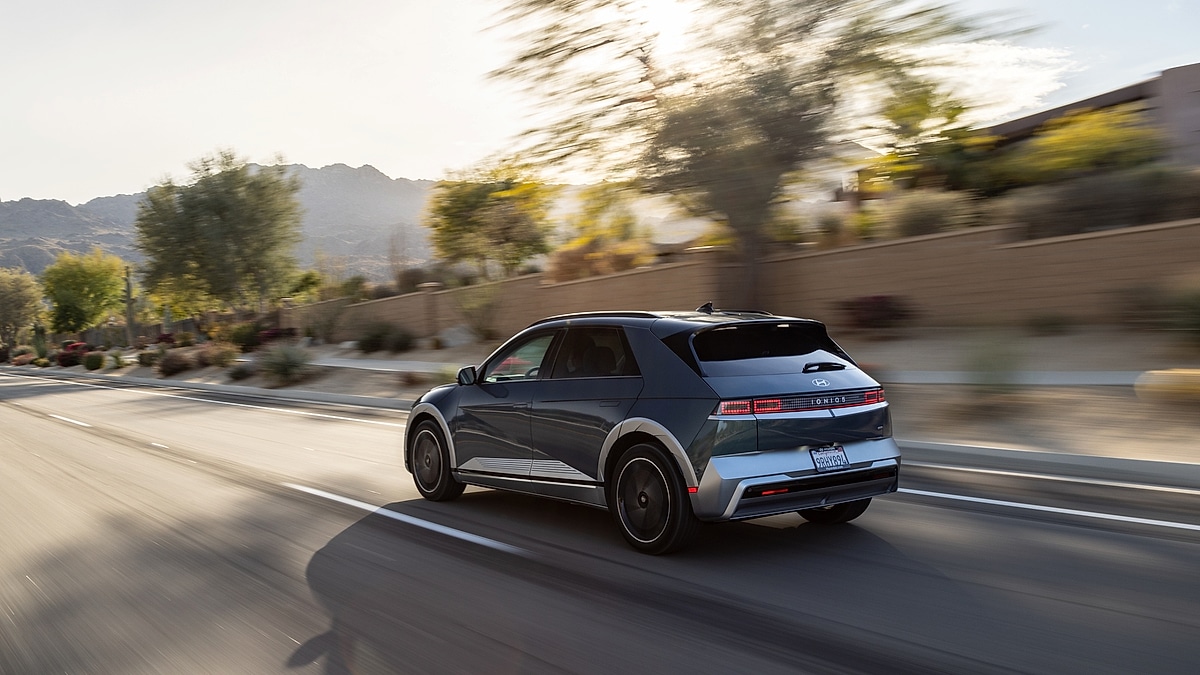
The fear of EV fires, while statistically unfounded when compared to gasoline vehicles, is a very real problem for owners like Potential_Zucchini99. This isn't a problem of engineering; it's a problem of communication and public education that the automotive industry has largely abdicated. Until manufacturers and regulatory bodies take a proactive, aggressive stance in debunking these myths with clear, consistent messaging, owners will continue to face unwarranted suspicion and forced compromises, hindering the very adoption of EVs the industry claims to champion.
Image Sources: Hyundai Media Center
About The Author
Noah Washington is an automotive journalist based in Atlanta, Georgia, covering sports cars, luxury vehicles, and performance culture. His reporting focuses on explaining the engineering, design philosophy, and real-world ownership experience behind modern vehicles.
Noah has been immersed in the automotive world since his early teens, attending industry events and following the enthusiast communities that shape how cars are built and driven today. His work blends industry insight with enthusiastic storytelling, helping readers understand not just what a car is, but why it matters.
Noah is also a member of the Southeast Automotive Media Association (SAMA), a professional organization for automotive journalists and industry media in the Southeast.
His coverage regularly explores sports cars, luxury vehicles, and performance-driven segments of the automotive industry, including the evolving culture surrounding Formula Drift and enthusiast builds.
Read more of Noah's work on his author profile page.
You can also follow Noah here:
Set Torque News as Preferred Source on Google
Follow us today...