
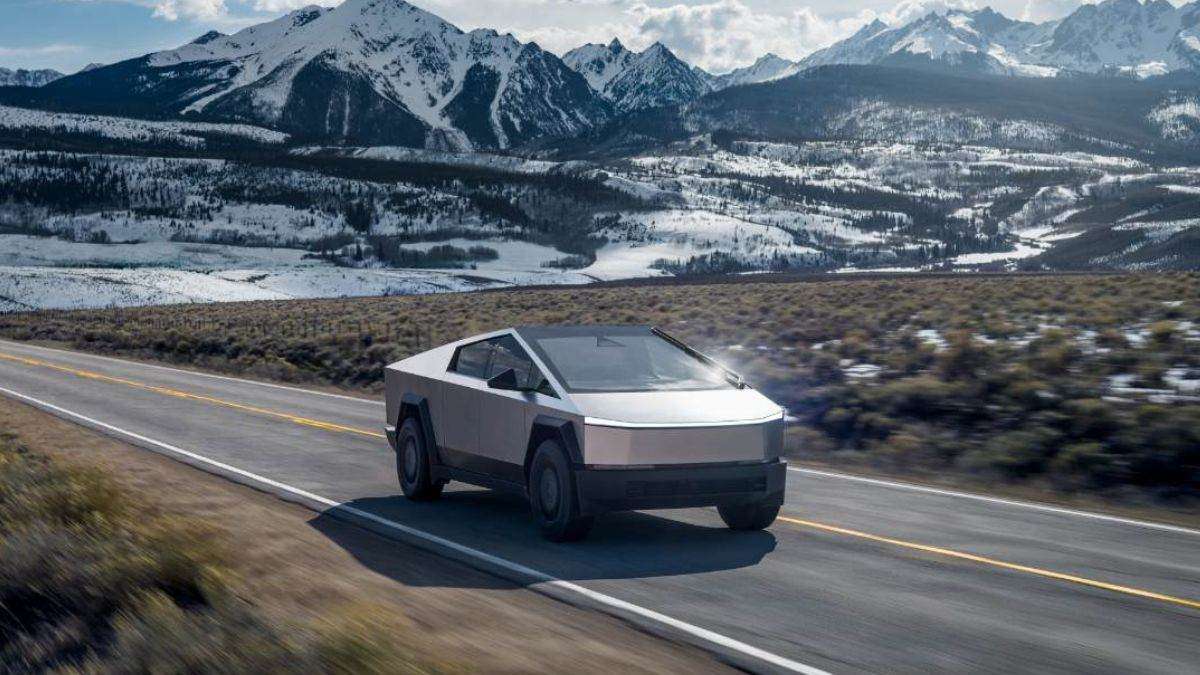

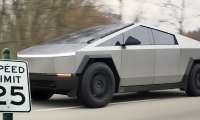
Few vehicles have detonated conventional automotive expectations with the force of the Tesla Cybertruck. Like the original Jeep or Countach, it didn’t roll onto the scene, it crash-landed. A slab-sided specter of the future, the Cybertruck is as much a philosophical argument as it is a vehicle. It’s a provocation on wheels, a brutish synthesis of sci-fi ambition and practical utility. But innovation, as ever, extracts a price. And for some early Foundation Series owners, that price includes a long paper trail of repairs, and, now, a surprising offer from Tesla: take a buyback or keep the beast.
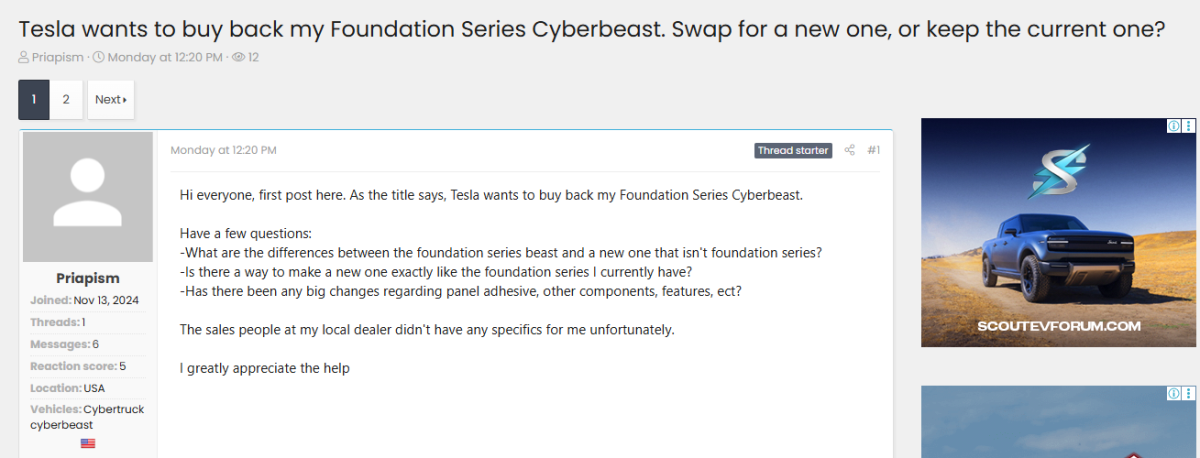
One such owner, posting under the name Priapism on the CybertruckOwner forum, laid out a staggering list of issues with their Foundation Series Cyberbeast. And in their own words:
“Hi everyone, first post here. As the title says, Tesla wants to buy back my Foundation Series Cyberbeast.
Have a few questions:
-What are the differences between the Foundation series beast and a new one that isn't Foundation series?
-Is there a way to make a new one exactly like the foundation series I currently have?
-Has there been any big changes regarding panel adhesive, other components, features, etc.?
The salespeople at my local dealer didn't have any specifics for me, unfortunately.
I greatly appreciate the help
For those who are curious about what issues led to this point, here's a list of all I can remember
-driver side cant rail delamination
-passenger side front fender delamination
Advertising
-right body controller replacement
-both left and right rear motor power inverters replaced
-driver-side rear brake caliper, ABS sensor, wiring harness replacement
-Driver-side rear plastic trim replacement by the door
-passenger side bed trim repair
-door adjustment
The invoice regarding these repairs has a lot more details. This is just a summary.
Tesla has done a great job fixing the issues pretty fast. Especially the electrical components. They provided a loaner all those times. Body panel delamination issues were a bit more of a headache. Metal tape and gorilla glue were used until Tesla had the part delivered to the service center.”
That sounds like a list of warranty nightmares, but the tone isn’t bitter, more measured, or even appreciative. It’s a revealing detail. Priapism doesn’t appear angry, just informed. This wasn’t a teardown of Tesla’s process but rather a detailed account of a tough but ultimately positive experience. And now, Tesla wants the truck back.
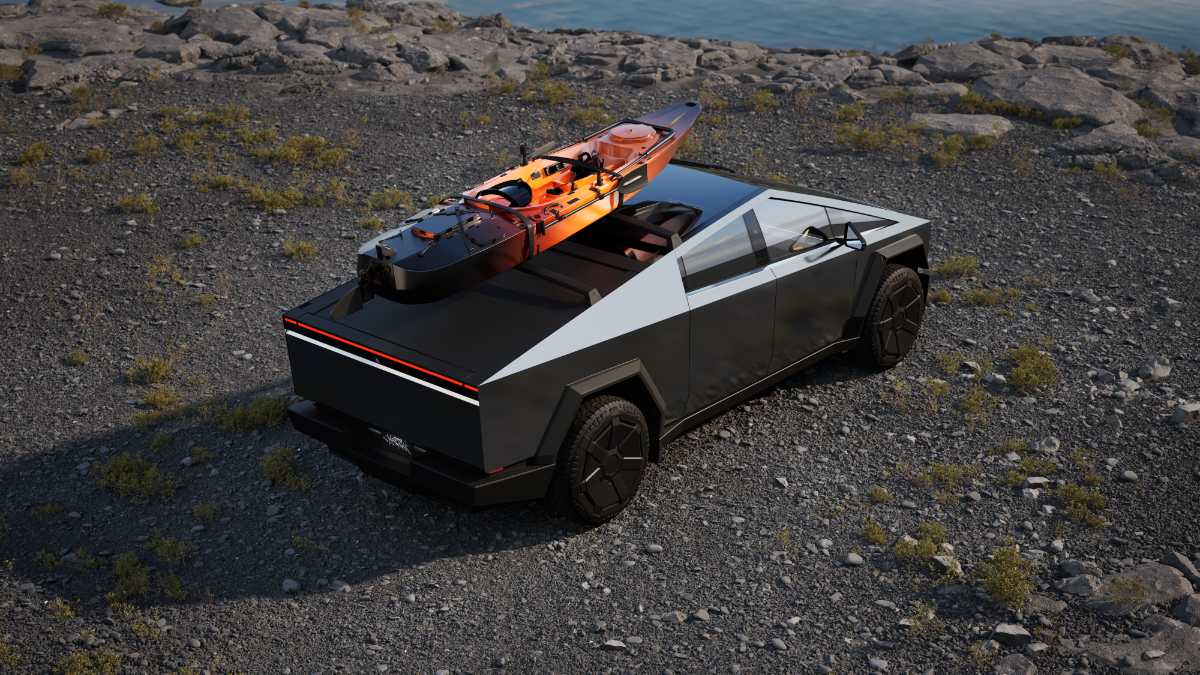
Not for repairs, not as a trade-in, but as a straight buyback. The company has offered similar deals to other owners, suggesting an intent to quietly round up some early examples with more complex service histories. It’s a move that’s rare in traditional auto circles, but increasingly typical of Tesla’s ever-evolving, software-style business model.
Common Tesla Cybertruck Service Challenges and Owner Insights
- Customers often encounter inconsistent service levels, with some praising Tesla's effortless buying process while others report long wait times, unresponsive communication, and difficulty securing genuine parts
- Many buyers mention a lack of transparency during financing, noting that attractive offers (e.g., 2.99% APR) can suddenly change without prior notice at signing
- After delivery, service support is frequently described as underwhelming, with complaints of empathy-free staff, impractical fixes, and a feeling that Tesla prioritizes sales over long-term relationship-building
- On the flip side, Tesla's dealerships are sometimes seen as modern, high-tech showrooms, offering sleek experiences that appeal to tech-savvy customers, though this doesn't always translate to dependable follow-up service
Forum veterans like JCERRN offered firsthand context, explaining that Tesla’s buyback program isn't a swap but a clean purchase, then the owner is free to buy a newer, hopefully better-sorted Cybertruck.
He described owning a 2024 Foundation Series that spent over a month in service during its first 90 days. Tesla bought it back. “I could not see myself spending similar money on any other vehicle,” he said. “I bought a new one, but I also understood how Service worked a little better.” Therein lies the crux of Cybertruck ownership: the learning curve isn’t just for Tesla, it’s for the customer too.
Why Early Cybertruck Owners Stay Loyal Despite First-Generation Flaws
You’ll find no shortage of complaints in Cybertruck forums; this is, after all, an early-run vehicle produced with first-gen tooling and first-gen processes. But what’s fascinating is how many owners, like Sefar, return to the fold after moving on. He traded one Foundation Cybertruck for another, this time used, with fewer miles and a higher VIN. Why? “The used market is great right now,” he wrote. “I stuck with the Foundation Series for the FSD, the lightbar that is incoming, and the premium connectivity.” That kind of statement is not about brand loyalty. It's about believing in the product despite its bruises.
Indeed, the loyalty surrounding the Cybertruck mirrors what we once saw from Series I Land Rover or first-gen Bronco owners. The product may have sharp edges, both literally and metaphorically, but it also delivers something intangible. A feeling of stepping into the future, even if the doors occasionally need realignment to stay closed. And that, ironically, is what makes the experience compelling for many. “Tesla is iterative,” JCERRN wrote. “They get better with time.”
Tesla Cybertruck Foundation Series Specs: Dimensions, Performance & Utility
- Approximately 19′4″ (223.7 in or 5.68 m) in length, about 6′8″ (80 in or 2.03 m) wide (excluding mirrors), with an adjustable height of around 5′9″–6′4″ (68.5–76.6 in) depending on suspension
- The stainless‑steel "exoskeleton" shell gives the Cybertruck a hefty curb weight of around 5,000–6,900 lb (2,300–3,100 kg), depending on the configuration
- The lineup includes single‑motor RWD Long‑Range (≈350 mi EPA), dual‑motor AWD (≈325 mi), and tri‑motor “Cyberbeast” (≈300 mi); 0–60 mph times span from ~6.2 s to ~2.6 s
- Bed capacity spans ~6 ft × 4 ft (~120 cu ft total volume), towing up to 11,000 lb, payload up to ~2,500 lb; features include auto tonneau cover, adaptive air suspension, four‑wheel steering, and multiple onboard outlets for power tools or camping use
The foundational issues, panel delamination, door alignment, and electrical glitches, are real and well-documented. But so too are Tesla’s rapid efforts to correct them, often by creating new part numbers or quietly modifying components mid-run. And while no owner enjoys multiple service visits, Tesla’s speed and willingness to provide loaners have dulled some of the sharper edges. In the ICE world, many of these updates would be buried in quiet mid-cycle refreshes or fixed behind closed doors. Tesla, for better or worse, evolves in full view of the customer.
The Cybertruck may never be a truck for the masses. It doesn’t need to be. Like the Dodge Viper or original Hummer, it’s a statement piece, a concept car made real. And like those vehicles, it won’t be judged by its JD Power rating, but by how it makes people feel. And for many of these early adopters, the feeling is enough to keep them on board, even after multiple service tickets and unexpected repairs. The loyalty isn’t blind, it’s earned through first-hand experience and a belief that the end result is worth the occasional bruise.
If there’s a takeaway here, it’s this: The Cybertruck inspires devotion not because it’s perfect, but because, when it is good, it’s brilliant. Owners like Priapism, JCERRN, and Sefar aren’t fanboys, they’re critical thinkers who’ve seen the worst and still came away saying, “I want another.”
Image Sources: Tesla Media Center
Noah Washington is an automotive journalist based in Atlanta, Georgia. He enjoys covering the latest news in the automotive industry and conducting reviews on the latest cars. He has been in the automotive industry since 15 years old and has been featured in prominent automotive news sites. You can reach him on X and LinkedIn for tips and to follow his automotive coverage.
Set Torque News as Preferred Source on Google
Follow us today...


Comments
Let us be quite clear. There…
Permalink
Let us be quite clear. There is no exoskeleton. It's a stainless steel body that rusts.