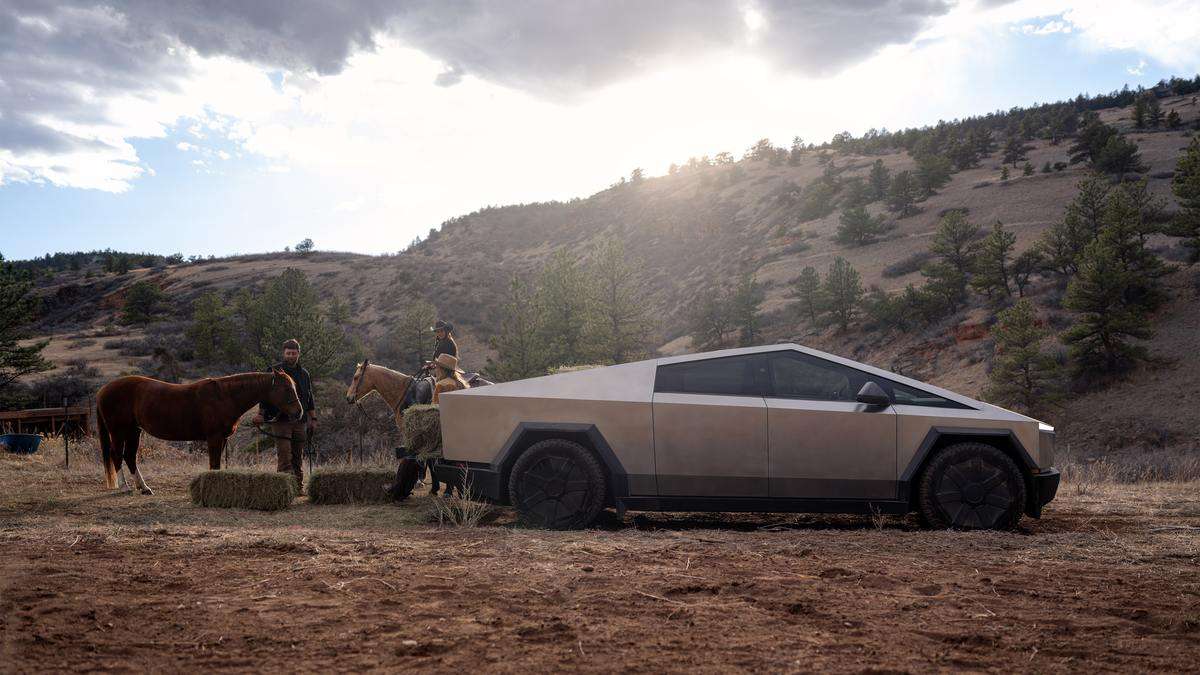

The promise of a stainless-steel body, impervious to the elements, has been a cornerstone of the Tesla Cybertruck's mystique. Yet, for one owner in Pennsylvania, that promise is already corroding, quite literally. Just weeks into ownership, their Cybertruck is exhibiting widespread rust spots, a development they describe as "not acceptable" for a vehicle positioned as a rugged, futuristic marvel. This incident, shared on a prominent online forum, reveals a growing concern among early adopters: the practical realities of maintaining the Cybertruck's unique finish are proving far more challenging than anticipated.
The owner, posting under the handle "Known-Background," detailed their predicament:
"I have rust spots all over Citrisurf alcohol; nothing will get them off. Should I write the service center? I’m kinda worried. What can I do to deal with it? I’m in PA and there salt, but I noticed these starting when I first got the truck. I knew there’d be fingerprints, and it would be hard to keep looking brand new and clean, but the rust is not acceptable."
This isn't an isolated incident of surface contamination. The owner explicitly states the rust began "when I first got the truck," suggesting a deeper issue than mere environmental exposure. While road salt in Pennsylvania certainly accelerates corrosion, the immediate appearance of these spots points to either a manufacturing defect in the stainless steel itself or a lack of proper passivation treatment during production. Tesla's marketing has consistently highlighted the Cybertruck's robust exterior, but real-world experiences like this are quickly exposing the chasm between marketing claims and material science.
Tesla Cybertruck: Stainless Steel Exterior Challenges
- The Cybertruck's exterior is constructed from Ultra-Hard 30X Cold-Rolled Stainless Steel, a material chosen for its strength and corrosion resistance, eliminating the need for traditional paint. This unique body material contributes significantly to the vehicle's distinctive aesthetic and perceived durability.
- Despite its inherent properties, stainless steel can still develop surface corrosion, often referred to as "tea staining" or "rail rust," when exposed to iron particles and moisture, especially road salt. These particles embed in the surface and oxidize, creating visible rust spots.
- Proper maintenance for stainless steel often involves regular cleaning to remove contaminants and, in some cases, passivation treatments to restore the protective chromium oxide layer. Tesla's official care instructions recommend specific cleaning agents and methods to preserve the finish.
- The Cybertruck's large, flat stainless steel panels present unique challenges for manufacturing and repair, as traditional bodywork techniques for painted steel or aluminum are not applicable. Any damage or surface imperfections require specialized processes.
The thread quickly drew attention from other Cybertruck owners, including "cybertrucknutz," who shared their own struggles with similar issues. "I’ve been lurking on the board, but saw this post and figured I’d share my experience. My issue was hitting a deep puddle with a ton of brake dust built up on the front brakes, and had much bigger rust spots all down both sides of my truck. I tried citrisurf which worked, but took a ton of elbow grease. However, Citrisurf made the steel way whiter/brighter in the spots I buffed, so it looked terrible. The only product that worked to take off the rust and normalize the steel color without a ton of work was barkeepers friend. I recommend talking to the service center, but if you do anything yourself, go with the Barkeepers. Listen to the other folks here, but wanted to share my experience."
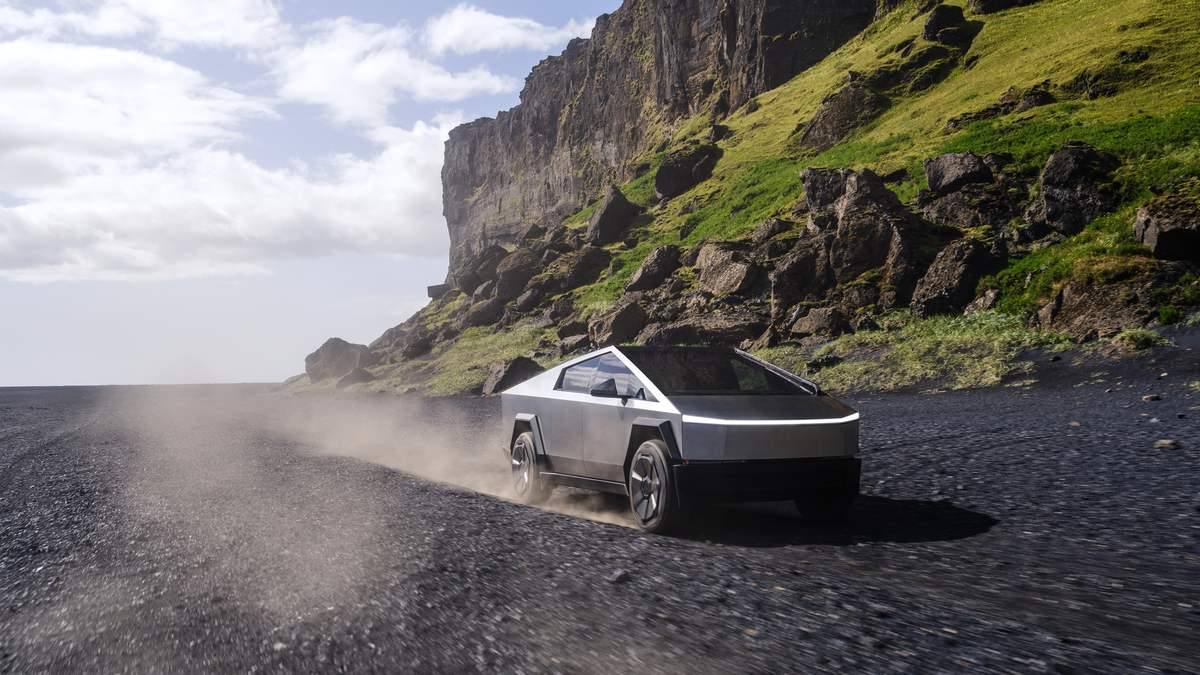
This comment reveals a critical detail: even if the rust is "surface" contamination, the remedies are far from simple. The fact that a common rust remover like CitriSurf alters the steel's appearance, leaving it "way whiter/brighter," indicates that owners are essentially performing bodywork on their brand-new trucks. This is not the low-maintenance, bulletproof exterior Tesla promised. Owners should not be forced to become amateur metallurgists, experimenting with household cleaners to maintain a premium vehicle's finish. The expectation for a vehicle of this caliber is that it withstands normal environmental factors without requiring specialized, color-altering chemical treatments.
Another commenter, "teethdood," offered a more cynical, yet perhaps accurate, assessment of the situation. "It's called rail rust. Most CTs have them at delivery. If you bitch hard enough upon delivery (like me), they will polish them off for you. Or you can polish them off yourself. Search for rail rust."
The term "rail rust" typically refers to iron particles from railcar wheels or brake dust that embed in a vehicle's paint during transport, then rust. For a stainless steel vehicle, this suggests either inadequate protection during shipping or, more alarmingly, that the stainless steel itself is susceptible to embedding these particles. If "most CTs have them at delivery," as "teethdood" claims, then this is not an owner-induced problem; it's a systemic quality control failure. Tesla should be proactively addressing this pre-delivery, not leaving it to owners to "bitch hard enough" or perform their own detailing. This is a basic expectation for any new vehicle purchase, let alone one costing upwards of $80,000.
The consensus among some owners, as echoed by "SlegMD" with "Ya old news this thread is," is that these rust spots are a known, if unwelcome, characteristic of Cybertruck ownership. "BKF or iron remover to keep your man card."
This dismissive attitude, suggesting owners simply "keep their man card" by dealing with the issue themselves, is precisely the kind of consumer-blaming rhetoric that undermines confidence in a brand. A vehicle's durability and finish quality should not be a test of an owner's grit or willingness to perform DIY repairs. The expectation for a cutting-edge vehicle like the Cybertruck is that it arrives in pristine condition and remains so with reasonable care, not that it demands immediate, specialized intervention to correct factory-present flaws. This casual acceptance of manufacturing imperfections sets a dangerous precedent for future quality standards.
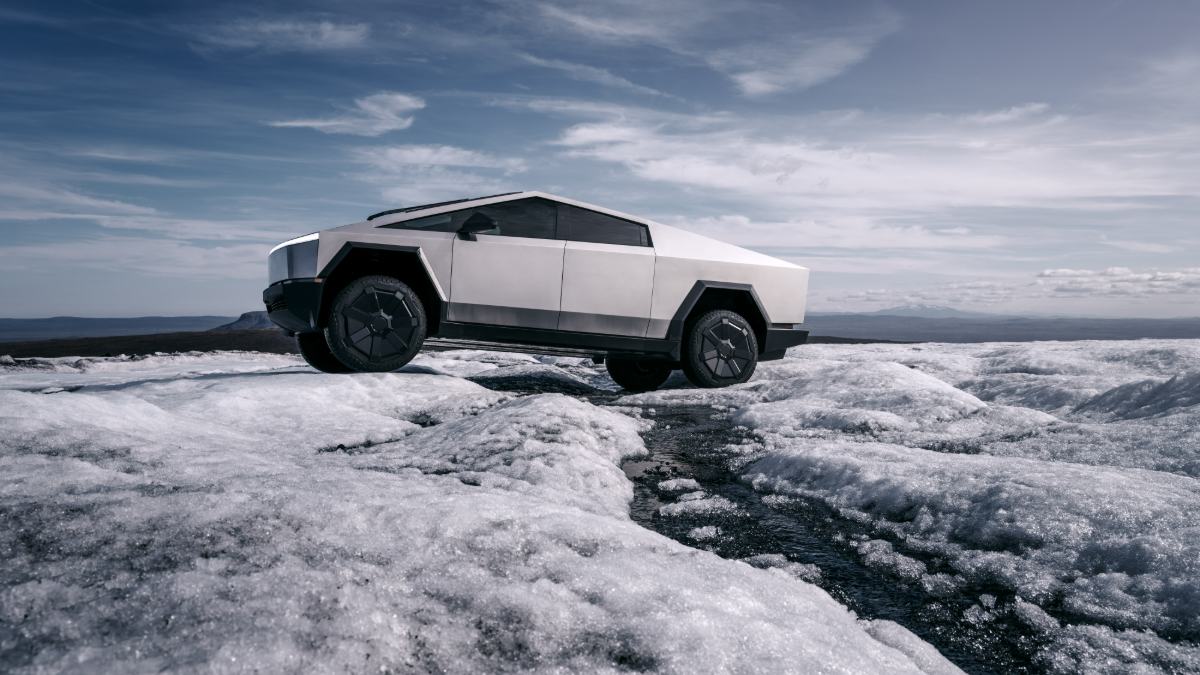
The underlying issue here is the fundamental misunderstanding, or perhaps misrepresentation, of stainless steel in an automotive application. While stainless steel is corrosion-resistant, it is not corrosion-proof. Without proper passivation and ongoing care, especially in environments with road salt, it can and will show signs of surface corrosion. The fact that owners are reporting these issues so early in the ownership cycle, some even at delivery, indicates a gap in either Tesla's material selection, manufacturing process, or pre-delivery preparation. This isn't just an aesthetic flaw; it challenges the very premise of the Cybertruck's rugged, maintenance-free exterior.
The experience of "Known-Background" and others shows a critical disconnect between the Cybertruck's advertised invulnerability and its real-world performance. Owners are not just buying a truck; they are buying into an image of extreme durability. When that image is tarnished by rust spots within weeks, it erodes trust and raises questions about the long-term integrity of the vehicle's unique body. Tesla needs to provide clear, effective, and warrantied solutions, not just leave owners to scour forums for DIY fixes.
Image Sources: Tesla Media Center
Noah Washington is an automotive journalist based in Atlanta, Georgia. He enjoys covering the latest news in the automotive industry and reviewing the latest cars. He has been in the automotive industry since 15 years old and has been featured in prominent automotive news sites. You can reach him on X and LinkedIn for tips and to follow his automotive coverage.
Set Torque News as Preferred Source on Google
Follow us today...