
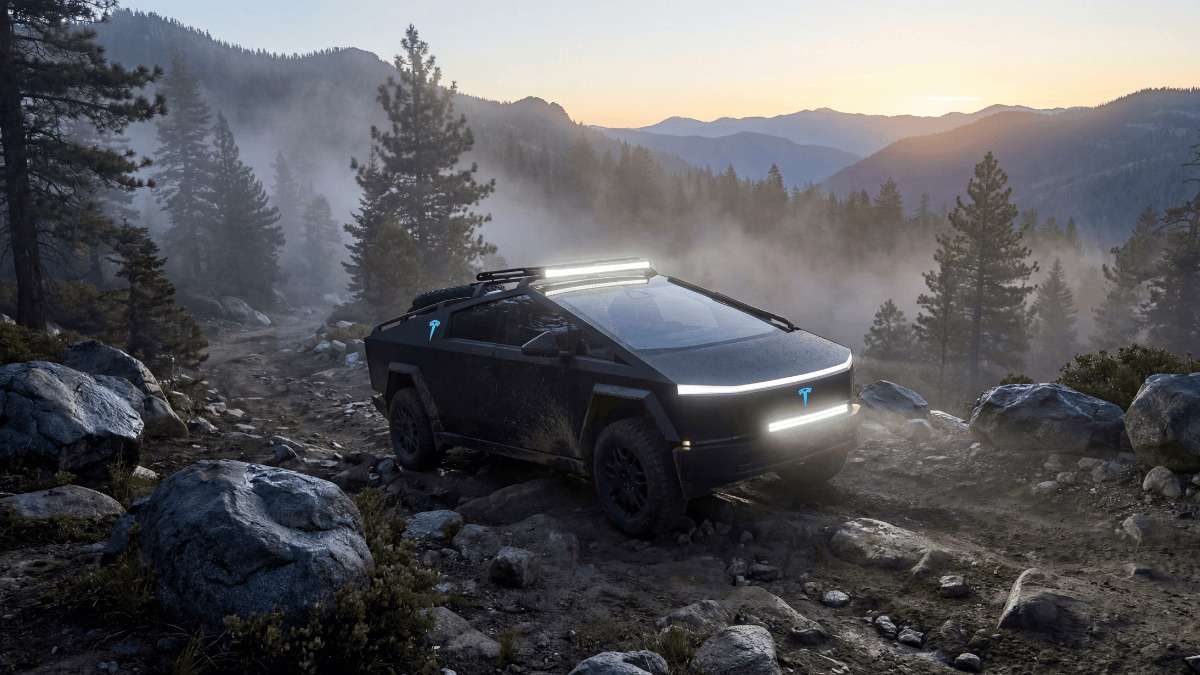

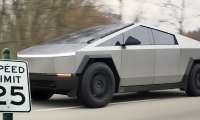
In the volatile world of electric vehicles, few machines have sparked as much vitriol and adoration as the Tesla Cybertruck. For years, critics argued that its brutalist, origami-inspired design would be its downfall—a niche experiment destined to rust in the shadows of the Ford F-150 Lightning and the Rivian R1T. However, as we move through the first quarter of 2024, the narrative is shifting. Despite the recent removal of federal EV tax credits for many high-end trims and a launch plagued by mechanical growing pains, the Cybertruck has surged to the top of the weekly sales charts, acting as the primary engine for Tesla’s massive market share reclamation.
A Rocky History: Performance Issues and Reliability Woes
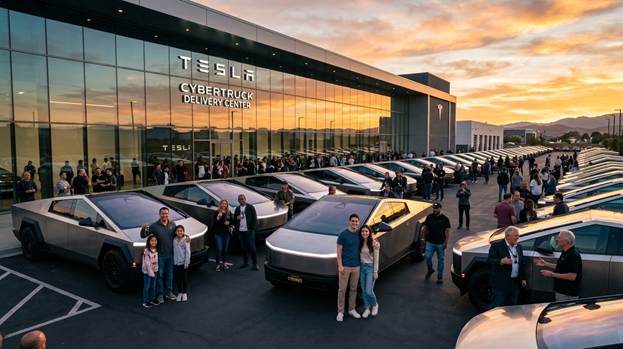
The road to dominance has been anything but smooth. Since its 2019 reveal—famed for the "unbreakable" windows shattering on stage—the Cybertruck has been a magnet for scrutiny. Early production units, specifically the "Foundation Series," faced a barrage of reliability complaints that would have sunk a lesser brand.
From the infamous "stuck accelerator pedal" recall caused by unapproved soap used during assembly to reports of "rust" spots (later identified as iron rail dust) appearing on the stainless steel skin, the truck’s debut was marred by quality control lapses. Performance issues also surfaced; early adopters noted that the real-world range often fell short of the lofty 300-plus mile promises, especially when towing or in extreme cold. Furthermore, the steer-by-wire system, while revolutionary, faced software glitches that required over-the-air updates to prevent loss of steering feedback. Yet, Tesla’s "move fast and break things" philosophy seems to have built a layer of armor around the brand's reputation—customers aren't just buying a truck; they are buying into a beta-test of the future.
The SpaceX Factor: Organic Demand or Internal Inflation?
One of the most debated aspects of the Cybertruck’s recent sales "frenzy" is the role of institutional purchasing. It is no secret that Elon Musk’s various ventures often overlap. SpaceX has integrated the Cybertruck into its daily operations at Starbase in Boca Chica and the Cape, using the vehicles for everything from technician transport to "chase cars" for rocket recoveries.
While these fleet sales bolster the numbers, they raise a valid question: Does the current sales chart reflect honest consumer demand, or is it a byproduct of internal fleet padding? While SpaceX's volume is significant, it alone cannot account for the Cybertruck becoming the top-selling electric pickup in the U.S. consumer market. The "SpaceX effect" acts more as a marketing billboard—seeing the truck operate in the harsh, salty environment of a rocket launch site provides a level of "battle-tested" credibility that traditional commercials cannot buy.
Domestic Dominance vs. Overseas Obstacles
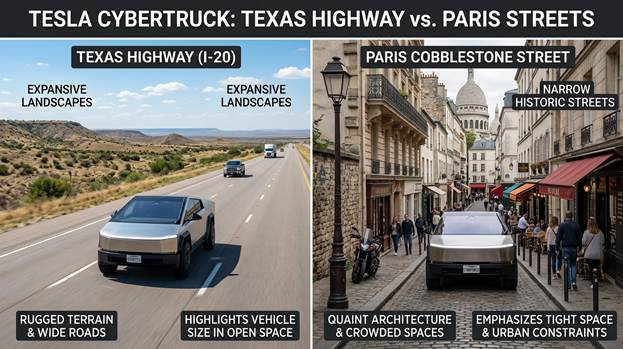
The Cybertruck is a uniquely American phenomenon, and the sales data reflects this geographical divide. In the United States, the truck’s size and "outlaw" aesthetic fit perfectly within the cultural zeitgeist of the full-size pickup market. However, European and Asian markets remain largely out of reach.
Strict pedestrian safety regulations in the EU, which require vehicles to have certain "crumple zones" and softer edges to protect those outside the vehicle, are at odds with the Cybertruck’s rigid 30X cold-rolled stainless steel exoskeleton. Furthermore, its weight often pushes it into a different license category in Europe, requiring a commercial driver’s license in some jurisdictions. Consequently, while the Cybertruck dominates domestic charts, it remains a "forbidden fruit" overseas, limiting its global market share potential compared to the more universal Model Y.
To Redesign or Not to Redesign?
As the "early adopter" phase wanes, Tesla faces a crossroads. Should the truck be redesigned to garner even greater demand? Some analysts argue that a "Cybertruck Lite"—a slightly smaller, more rounded version—would open up the European and Chinese markets. However, a redesign might strip the vehicle of its primary selling point: its uncompromising uniqueness.
The current design is a triumph of manufacturing efficiency (eliminating the paint shop and traditional stamping), but it is a failure of mass-market ergonomics. To truly scale, Tesla doesn't necessarily need a redesign of the shape, but a refinement of the utility. Improving the "vault" cover's seal against water, increasing the charging speed to match the 800V architecture's potential, and offering a more traditional interior option could bridge the gap between "tech toy" and "workhorse."
The Future Cybertruck: Overcoming the Past
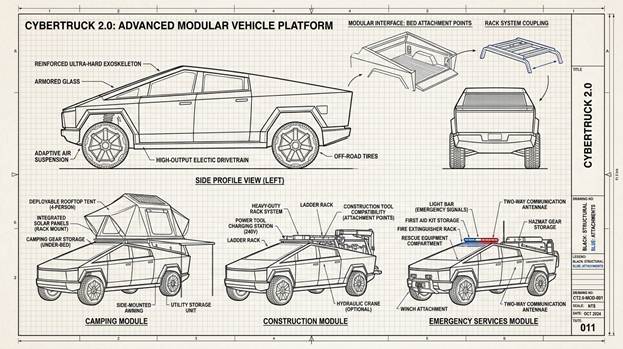
What should a "Version 2.0" look like to overcome prior sales hurdles? The future Cybertruck must evolve from a statement piece into a reliable tool.
- Material Evolution: A shift to a slightly lighter, more fingerprint-resistant alloy could solve the aesthetic complaints while maintaining the "bulletproof" marketing.
- Modular Utility: Tesla should lean into the "work" aspect by offering factory-backed accessories like integrated toolboxes, ladder racks, and external power-outlets that rival the Ford F-150’s Pro Power Onboard.
- The "Global" Trim: To conquer the world, Tesla may eventually need a "Cybertruck-S" (Small) that utilizes a more traditional frame and skin while keeping the triangular silhouette, ensuring it meets global safety standards.
Wrapping Up
The Cybertruck’s journey from a ridiculed prototype to a market-leading powerhouse is a testament to Tesla’s brand gravity. Despite the loss of tax credits—which usually serves as a death knell for EV sales momentum—the truck has found its stride. Its history is undeniably rocky, marked by recalls and performance "asterisks," and its sales figures are certainly bolstered by SpaceX’s institutional support. However, the data suggests that honest consumer demand remains high. While it remains an American outlier for now, the path forward involves refining the rough edges of its stainless-steel soul. If Tesla can transition the Cybertruck from a viral sensation to a reliable staple of the American workforce, its market share reclamation will not just be a weekly trend, but a permanent shift in the automotive landscape.
Disclosure: Images rendered by Artlist.io
Rob Enderle is a technology analyst at Torque News who covers automotive technology and battery developments. You can learn more about Rob on Wikipedia and follow his articles on TechNewsWord, TGDaily, and TechSpective.
Set Torque News as Preferred Source on Google
Follow us today...


Comments
People never hated the…
Permalink
People never hated the Cybertruck, they hated that they couldn’t afford it. Now that a $59k base model is available, there’s been a massive shift in acceptance and 1+ year backlog on it. Funny how that happens.