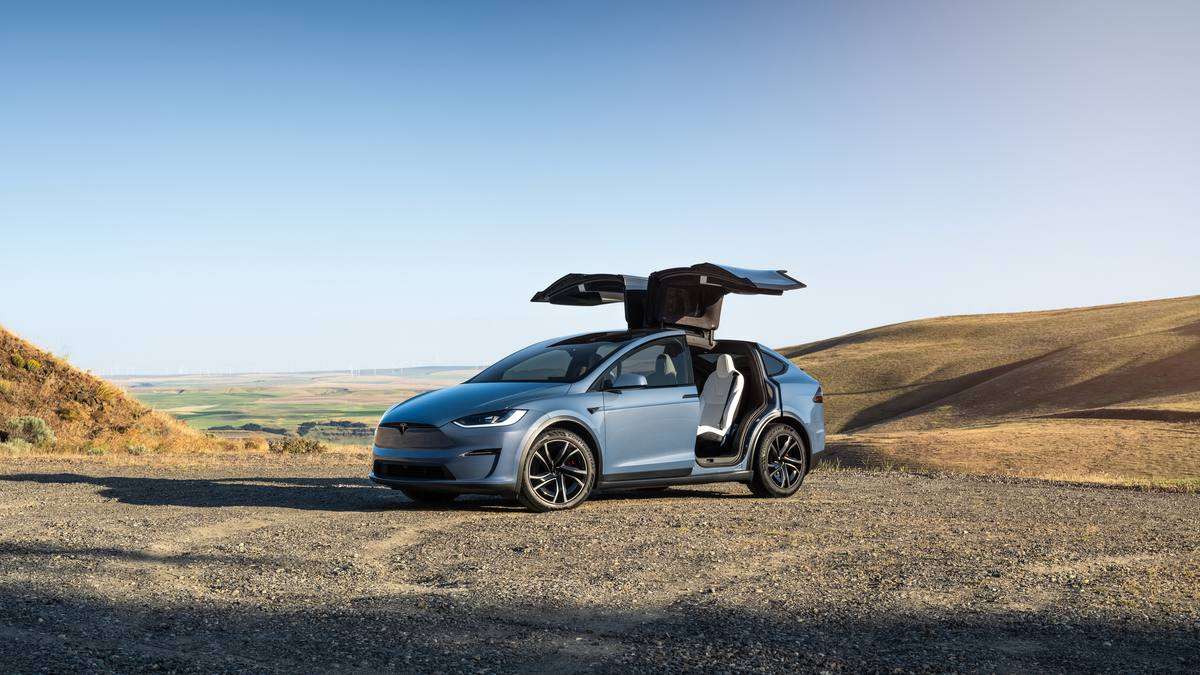

A 2020 Tesla Model X owner is grappling with a persistent half-shaft issue, now facing a third repair in less than a year with an estimated cost of $2,674.98.
This recurring problem, affecting a vehicle with 110,000 miles on the odometer, reveals a growing concern among some Tesla owners regarding the longevity and design integrity of critical drivetrain components, especially when repairs fall outside standard warranty periods or previous service guarantees. The owner's frustration shows the financial and practical burden of repeated failures that seem to defy simple resolution.
The owner, identified as "sunmast" on Reddit's r/TeslaModelX forum, detailed their ongoing ordeal:
"So this is driving me crazy. The half shafts have been replaced twice. The last time was in April 2025, which cost about $800 for parts and labor. Now it's happened again within a year. I'm sure it's the same problem, but they are just trying to replace everything under my frunk this time and have given me this insane quote.
I was hoping to have the half shafts replaced for free this time, since it's less than one year since the last repair. What should I do? Please advise... Thanks
Edit
I had a conversation with the service center this morning and mentioned the widespread half-shaft issue on Model X (SB-21-39-001). They are saying it's a different issue this time (mentioned a few things around suspensions that I don't understand), although the symptom is exactly the same as last year. Maybe this is totally BS, but I can't tell. I'd decline the quote and keep using this car for now.
BTW, the car has 110k miles."
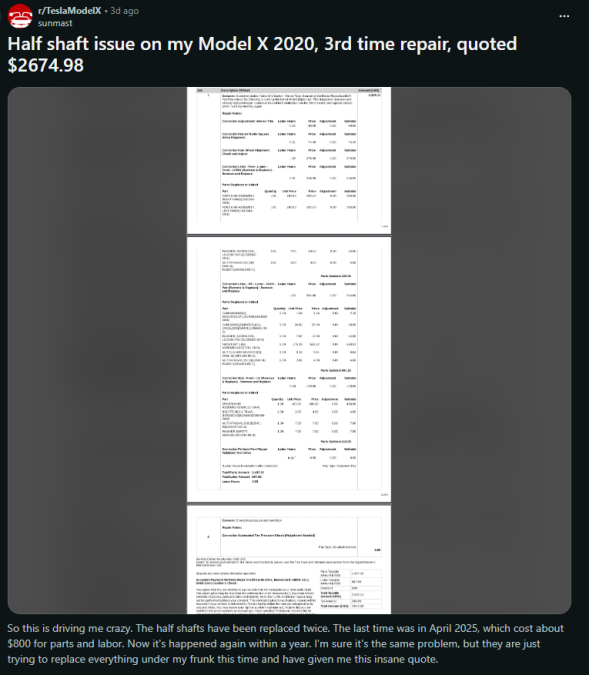
The owner's experience with a recurring failure, particularly one that the service center claims is a "different issue" despite identical symptoms, raises a red flag for any seasoned mechanic. When a vehicle exhibits the same malfunction repeatedly, the most logical conclusion is that the root cause has not been adequately addressed, or the replacement parts themselves are insufficient for the application. The notion of a "different issue" with identical symptoms often serves as a convenient narrative to bypass warranty claims or previous repair guarantees.
Tesla Model X: Persistent Half-Shaft Issues and Design Challenges
- The Tesla Model X, particularly earlier models, has faced recurring half-shaft failures, often manifesting as shuddering under acceleration. These issues are frequently reported after 30,000 to 60,000 miles, indicating a potential design or material limitation.
- Service Bulletin SB-21-39-001 specifically addresses a widespread half-shaft issue, suggesting that the problem is a known concern within Tesla's service network. However, application of the bulletin's fix, which typically costs around $350, appears inconsistent across service centers.
- Some owners and mechanics attribute the half-shaft problems to the Model X's adaptive air suspension geometry, which can lead to excessive inner tire wear at lower ride heights. Elevating the suspension to mitigate tire wear reportedly increases stress on the half-shafts, leading to premature failure.
- The cost of replacing half-shafts can range from approximately $800 for a single repair to over $2,600 for more extensive work, depending on the scope and whether the vehicle is under warranty. This represents a significant recurring expense for owners of high-mileage vehicles.
One commenter, "Grandpas_Spells," pointed to a specific service bulletin, stating, "There's a service bulletin out on this, it's like $350. Not all service centers are aware of that if you don't cite it. Something's weird. Are you loading the car with weight and have a lead foot? Braking really hard?" This comment shows a critical disconnect within Tesla's service network, where owners are seemingly expected to be more informed about internal service bulletins than the technicians themselves. It's an indictment of the system when a customer must arm themselves with technical documentation just to receive appropriate service.
The suggestion that owner behavior, such as "lead foot" driving or heavy braking, could be a primary cause for repeated half-shaft failures on a performance-oriented SUV like the Model X is, frankly, disingenuous. While extreme abuse can certainly accelerate wear, a vehicle designed for substantial torque and rapid acceleration should not suffer catastrophic component failure under normal, albeit spirited, driving conditions. This deflection tactic often shifts blame from potential design or manufacturing shortcomings onto the consumer, a practice that erodes trust faster than rust eats through a fender.
Another user, "Thwip-Thwip-80," echoed the frustration, stating, "Tesla will only honor that once. This is why I happily got rid of my 2020 X because there was no way in hell I was gonna get hit with almost $3k in repairs every 12-18 months for the half shafts. Someone needs to get a class action suit started for this problem." This sentiment is not an isolated incident; it reflects a pattern of owners abandoning their vehicles due to chronic, expensive issues that manufacturers seem unwilling or unable to permanently resolve. The call for a class-action lawsuit is the natural consequence of a perceived systemic failure to address a known design flaw.
The most indicting came from "South-Play-2866," who owns both a 2016 and 2021 Model X and detailed the core design flaw:
"Unfortunately, this is a design failure tied to the suspension geometry. By design, when the vehicle lowers its height at speed to improve its aerodynamics, you wear down the inner tires (due to the suspension geometry). The flaw here is wearing out the tires prematurely.
As told by the Tesla service mechanics, the fix is to keep the suspension middle or high to balance the tire wear. Well, the half shafts weren’t designed to handle the torque loads with the suspension at those heights, so they fail over time (also told by a Tesla mechanic on a follow-up visit). Purists and fans will tell you 'the fix is aftermarket' - which just acts as a spacer, so your car is never able to sit low enough to wear out the inner tires, but that doesn’t solve the halfshaft issue. I’ve had mine in both vehicles replaced once under warranty, and both out of warranty with the supposedly revised driveshaft in 2023. Well, three years / ~30k miles later, I’m back to shuddering under acceleration.
The revised driveshaft of that time didn’t work. I don’t know if there’s another 'latest and greatest' version of the driveshaft, but I’m chalking this up to a regular maintenance item due to poor design. You either spend the $2.6k on tires or $2.6k on the halfshaft. You must choose. It’s a shame they discontinued the S and X before perfecting them." This detailed account, directly quoting Tesla mechanics, paints a clear picture of a fundamental engineering miscalculation.
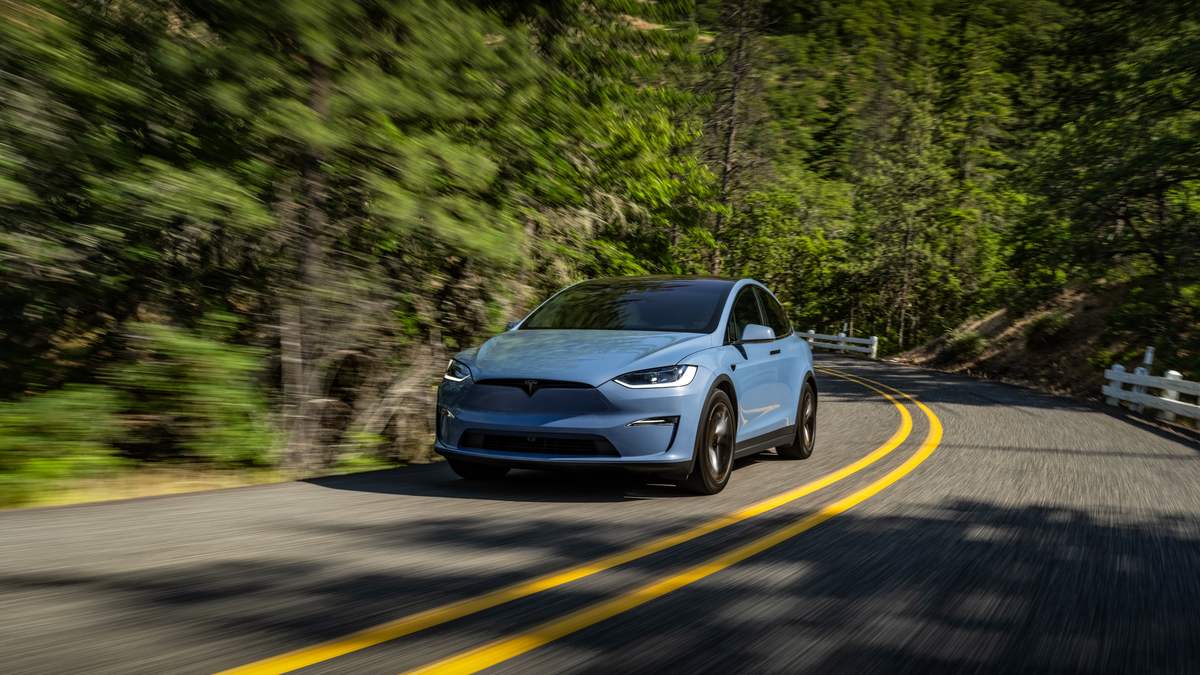
This analysis from "South-Play-2866" is a textbook example of a design flaw that creates a cascading failure. The Model X's adaptive air suspension, intended to enhance aerodynamics and performance, inadvertently compromises tire life and then, in a cruel twist, the half-shafts themselves when owners attempt to mitigate tire wear by adjusting ride height. This isn't just a component failure; it's a strategic design oversight that forces owners into an impossible choice: premature tire wear or premature half-shaft failure. The fact that "revised driveshafts" have failed to provide a lasting solution suggests that the problem lies not in the component itself, but in the inherent stresses placed upon it by the vehicle's fundamental architecture.
The recurring nature of this issue, despite multiple "fixes" and "revised parts," points to a deeper engineering problem that Tesla has yet to adequately resolve. For a premium vehicle, the expectation is that such critical drivetrain components are robust enough to withstand the vehicle's design parameters and intended use. When owners are forced to choose between two expensive, recurring maintenance items due to an acknowledged design flaw, it severely undermines the value proposition and long-term ownership experience of the Model X.
Image Sources: Tesla Media Center
Noah Washington is an automotive journalist based in Atlanta, Georgia. He enjoys covering the latest news in the automotive industry and conducting reviews on the latest cars. He has been in the automotive industry since 15 years old and has been featured in prominent automotive news sites. You can reach him on X and LinkedIn for tips and to follow his automotive coverage.
Set Torque News as Preferred Source on Google
Follow us today...