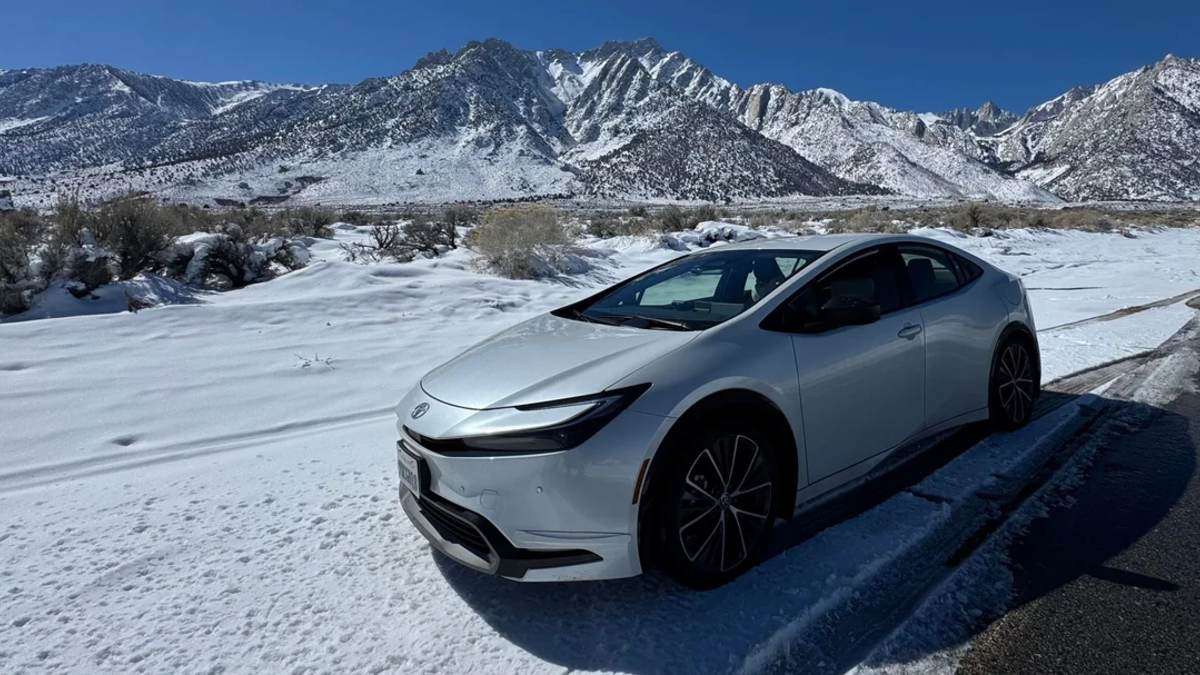

A 2026 Toyota Prius XLE recently completed an extensive 2,340-mile road trip across California, achieving an impressive 52 miles per gallon while navigating diverse and challenging terrain. The journey, which cost the owner approximately $200 in fuel, reveals the hybrid's exceptional efficiency even under demanding conditions, yet it also brought to light persistent issues with the vehicle's infotainment system, a recurring complaint among modern car owners.
The owner, posting under the handle dawangwanghenda, detailed their experience:
"Just got back from a 9-day road trip with my 2026 Prius XLE.
Route: San Diego, Central Coast, Big Sur, SF, Lake Tahoe, Sacramento, Las Vegas, Death Valley, Lone Pine, back home
Mostly cruising at 75+ mph on highways. Terrain included:
- Highway 1 cliffside curves through Big Sur
- I-80 over the Sierra to Lake Tahoe in the snow
- Tehachapi Pass (CA-58) with snow on the hills
- Mojave Desert straight shot to Vegas
- CA-190 through Death Valley, including Towne Pass (4,956 ft, 15% grade both ways)
- US-395 along the Eastern Sierra
Advertising
- Cajon Pass (I-15) back to San Diego
Total: ~2,340 miles on about 45 gallons = ~52 MPG
Spent roughly $200 on fuel for the entire trip. Less than $0.09/mile.
Only complaint: the infotainment system is garbage. CarPlay kept disconnecting, screen went black and black and black, had to hard reset."
The reported 52 MPG figure, achieved while maintaining speeds above 75 mph and traversing significant elevation changes, including the 4,956-foot Towne Pass in Death Valley and snowy Sierra Nevada sections, is a testament to the Prius's engineering. This real-world performance often exceeds the expectations set by EPA ratings, especially when considering the varied driving cycle that includes both high-speed highway stretches and mountainous ascents. The hybrid powertrain's ability to seamlessly blend electric and gasoline propulsion clearly paid dividends, keeping fuel costs remarkably low for such an extensive journey.
2026 Toyota Prius XLE: Efficiency Meets Digital Frustration
- The 2026 Prius XLE features a 2.0-liter four-cylinder engine paired with an electric motor, producing a combined 194 horsepower in front-wheel-drive configurations. Its electronic continuously variable transmission (eCVT) is designed for optimal power delivery and fuel economy.
- The XLE trim includes a 12.3-inch infotainment touchscreen with wireless Apple CarPlay and Android Auto, alongside a 7-inch digital gauge cluster. It also offers features like heated front seats, a power driver's seat, and 18-inch alloy wheels.
- Toyota's hybrid synergy drive system intelligently switches between electric, gasoline, or combined power, optimizing fuel consumption in various driving scenarios. This system is particularly effective in stop-and-go traffic and during regenerative braking on descents.
- The Prius XLE has an EPA-estimated fuel economy of 52 MPG combined (52 city/52 highway), making the owner's reported 52 MPG during a demanding road trip consistent with official figures, even under challenging real-world conditions.
However, the owner's frustration with the infotainment system shows a critical flaw in an otherwise stellar package. Modern vehicles are increasingly reliant on complex digital interfaces, and consistent functionality is no longer a luxury but a fundamental expectation. A CarPlay system that repeatedly disconnects or a screen that goes black is not merely an inconvenience; it represents a significant failure in user experience, potentially distracting drivers and compromising navigation, especially on unfamiliar routes.
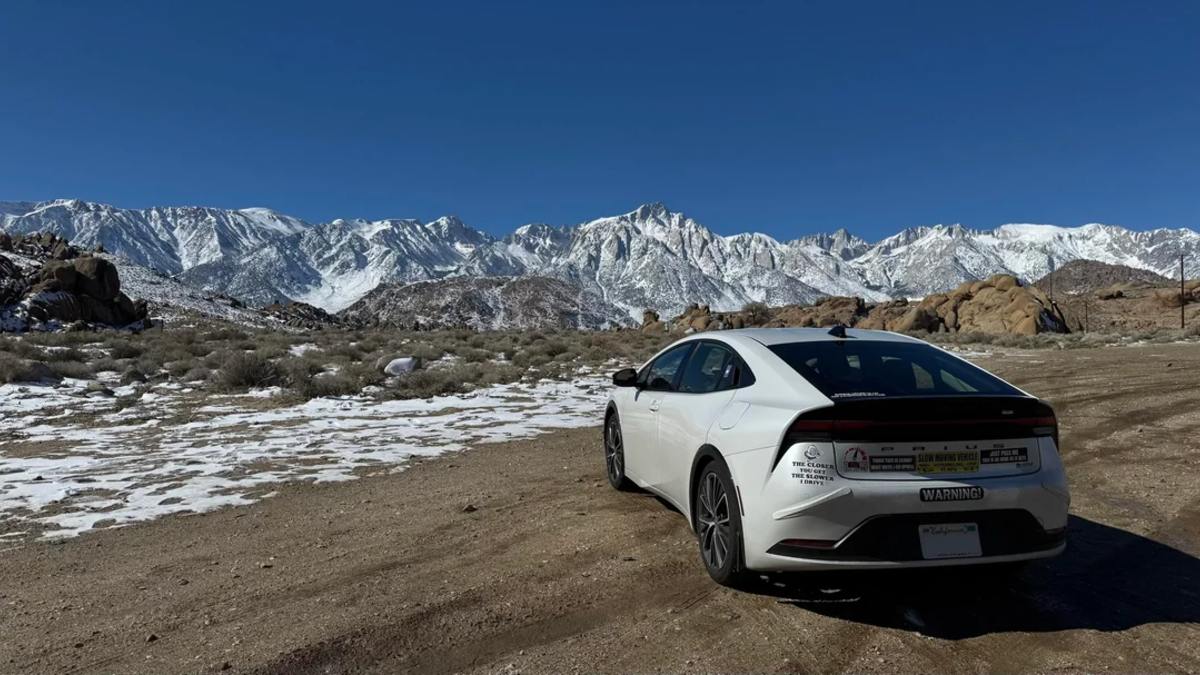
One commenter, BrianLevre, shared their own high-mileage driving experiences, stating: "Nice trip.
I've driven my Honda Fit over 2000 miles since Monday morning. It's now Sunday afternoon, and I know I have another 200 to drive before I'm done for the week... If nothing else falls in my lap this evening. (I'm a medical courier.)
I'll be driving my Prius next week, doing the same thing.
I get paid to drive, which is cool, but it would be neat to drive somewhere as you did for the change of scenery. I also have to drive when the jobs say I have to, instead of when I'd like to, and that can suck.
That's the difference between work and pleasure, though.
Glad you had the experience."
This perspective from a medical courier reveals the daily grind faced by many drivers who rely on their vehicles for work. While the Prius owner enjoyed a leisure trip, BrianLevre's Honda Fit, and soon their own Prius, racked up similar mileage out of necessity. This contrast shows the dual nature of automotive reliability and efficiency; what is a pleasant surprise for a road-tripper is a non-negotiable requirement for a professional driver. The Prius's fuel economy, in this context, transcends mere cost savings and becomes a crucial factor in operational profitability.
Another user, DaddyERIK84, offered a stark comparison after renting a larger vehicle: "I rented a Jeep Grand Wagoneer and drove from So Cal to Park City for a ski trip, already used 40 gallons ballpark, still have to drive home. Averaging 16-17mpg. I’m jelly."
The "jelly" sentiment from DaddyERIK84 perfectly encapsulates the chasm between the fuel efficiency of a modern hybrid and that of a large, luxury SUV. Averaging 16-17 MPG in a Grand Wagoneer, while perhaps acceptable for its class, pales in comparison to the Prius's 52 MPG. This disparity is not just about fuel costs; it reflects fundamentally different engineering philosophies and environmental footprints. For many consumers, the financial and ecological burden of a large SUV is becoming increasingly difficult to justify, making the Prius's performance all the more appealing.
However, not all commenters were entirely convinced by the reported figures. Unusual_Low1386 expressed skepticism, writing: "Incredible pics and trip, but 52 MPG @ 75+ mph through mountains? Not buying that…"
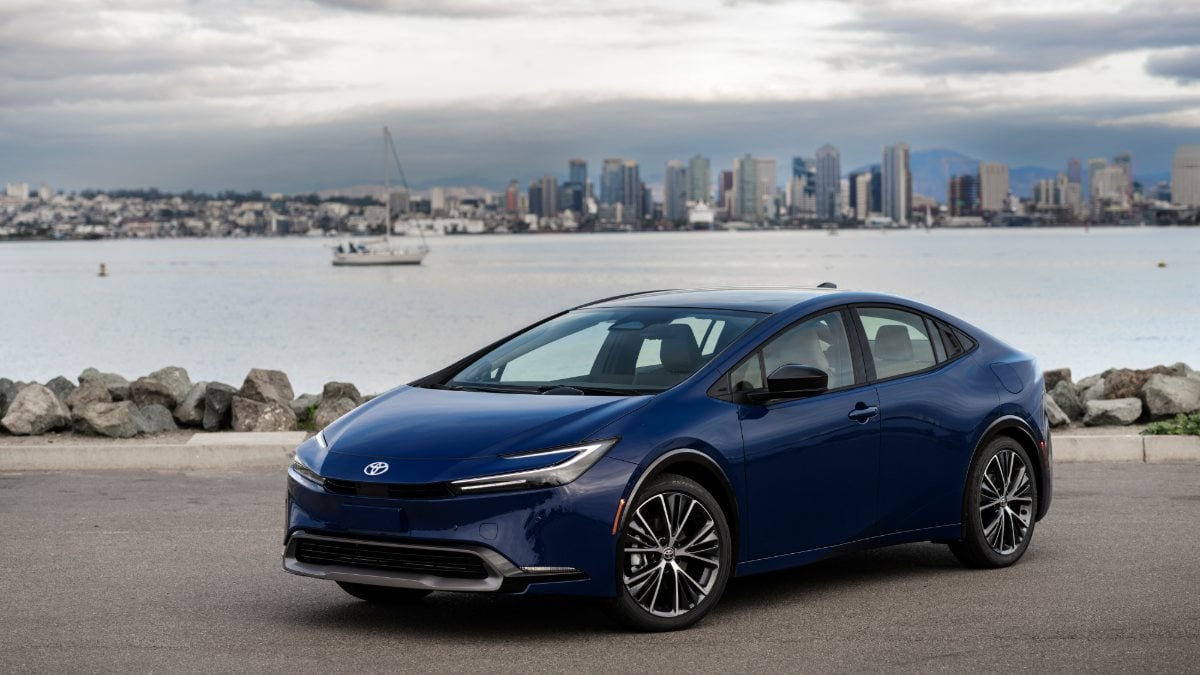
This skepticism, while understandable given the challenging conditions described, often stems from a misunderstanding of modern hybrid systems. The Prius's ability to regenerate energy during descents and braking, coupled with its aerodynamic design and efficient Atkinson-cycle engine, allows it to achieve remarkable real-world economy even at higher speeds and over varied topography. While 75+ mph is generally detrimental to MPG, the specific route, which included significant downhill stretches and potentially strategic use of cruise control, could indeed facilitate such figures. Dismissing these claims outright ignores the continuous advancements in hybrid technology.
The 2026 Prius XLE's performance on this cross-California journey solidifies its reputation as a fuel-sipping workhorse, capable of tackling diverse driving environments with aplomb. Its ability to deliver 52 MPG under such demanding conditions is a significant achievement, particularly in an era where fuel efficiency remains a top priority for many consumers. However, the persistent infotainment system glitches serve as a stark reminder that even the most efficient vehicles can be undermined by poor user interface design and software instability. Manufacturers must recognize that a vehicle's digital ecosystem is now as critical to the overall ownership experience as its powertrain or chassis.
Image Sources: Toyota Media Center
Noah Washington is an automotive journalist based in Atlanta, Georgia. He enjoys covering the latest news in the automotive industry and conducting reviews on the latest cars. He has been in the automotive industry since 15 years old and has been featured in prominent automotive news sites. You can reach him on X and LinkedIn for tips and to follow his automotive coverage.
Set Torque News as Preferred Source on Google
Follow us today...