
Navigating the complexities of electric vehicle ownership in extreme cold weather remains a significant hurdle for many, yet one Rivian R1S owner has recently shared an "almost flawless" strategy for mitigating battery drain and operational issues.
The experience, detailed after an 800-mile round trip into temperatures as low as -15°F, offers a practical blueprint for EV drivers facing similar winter challenges. It reveals the critical difference that meticulous preparation and mindful vehicle management can make when the mercury plummets, turning potential frustration into a testament to careful planning.
The owner, Bev Hollis, shared her detailed account on a Facebook Group:
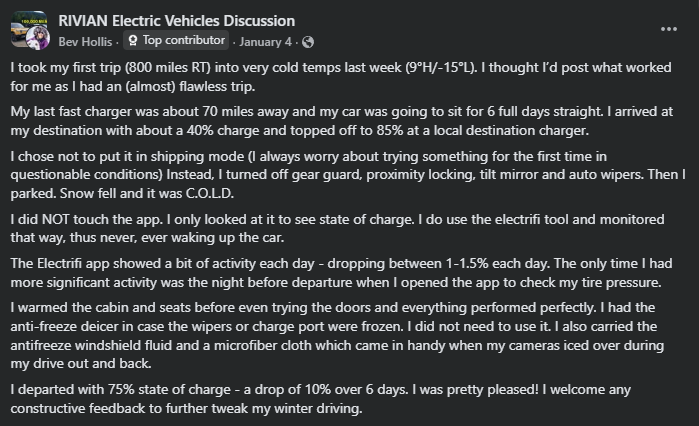
"I took my first trip (800 miles RT) into very cold temps last week (9°H/-15°L). I thought I’d post what worked for me as I had an (almost) flawless trip.
My last fast charger was about 70 miles away, and my car was going to sit for 6 full days straight. I arrived at my destination with about a 40% charge and topped off to 85% at a local destination charger.
I chose not to put it in shipping mode (I always worry about trying something for the first time in questionable conditions). Instead, I turned off gear guard, proximity locking, tilt mirror, and auto wipers. Then I parked. Snow fell, and it was C.O.L.D.
I did NOT touch the app. I only looked at it to see the state of charge. I do use the electrifi tool and monitor that way, thus never, ever waking up the car.
The Electrifi app showed a bit of activity each day, dropping between 1-1.5% each day. The only time I had more significant activity was the night before departure when I opened the app to check my tire pressure.
I warmed the cabin and the seats before even trying the doors, and everything performed perfectly. I had the anti-freeze deicer in case the wipers or charge port were frozen. I did not need to use it. I also carried the antifreeze windshield fluid and a microfiber cloth, which came in handy when my camera iced over during my drive out and back.
I departed with 75% state of charge - a drop of 10% over 6 days. I was pretty pleased! I welcome any constructive feedback to further tweak my winter driving."
One commenter, Chris Wells, echoed the sentiment of careful preparation, sharing his own recent experience driving a 2023 R1T from Alabama to the White Mountains in New Hampshire. He wrote:
"Thanks for posting the approach you took. I picked up my 23 R1T in Alabama on the 16th and drove it to the White Mountains in NH that Saturday to spend a week with our oldest son. I prepared for this trip in some of the ways you did, and I brought an extension cord and hairdryer as another owner suggested for thawing the charge port door - didn’t use it for that, but instead melted snow that compacted in the door handles. I forgot to go out to the truck to brush off the snow without the key in my pocket. The truck unlocked with proximity turn on (oops), and then the snow in the handles prevented them from closing all the way. I like the idea of having deicer wiper fluid and a microfiber cloth to clean the cameras. That’s a great tip. You also give really good tips for the next time I venture north in the winter with regard to using the Electrifi app. I need to get that one now."
Wells' experience, particularly with the frozen door handles and the inadvertent proximity unlocking, shows a common pitfall for new EV owners in extreme cold. While a hairdryer might seem like a clever solution for a frozen charge port, its application to door handles suggests a design oversight. Manufacturers must engineer these basic interfaces to function flawlessly across all expected operating temperatures, not rely on owners to carry household appliances for basic vehicle access. The notion that a premium vehicle requires such improvisation is an indictment of its cold-weather validation.
Rivian R1T: Optimizing Battery Performance in Extreme Cold
- The Rivian R1T is equipped with a large battery pack, with capacities ranging from 105 kWh to 180 kWh, providing substantial range even in challenging conditions. Its advanced thermal management system is designed to maintain optimal battery temperature, which is crucial for both performance and longevity.
- The vehicle's "Gear Guard" feature utilizes cameras to monitor surroundings, and proximity locking automatically engages when the key fob is near, both of which consume power even when the vehicle is parked. Disabling these features can significantly reduce parasitic drain during extended cold-weather storage.
- The Electrifi app, a third-party tool, allows owners to monitor various vehicle parameters without "waking up" the main vehicle systems, thus preventing unnecessary power consumption. This passive monitoring capability is a critical advantage for managing battery state in cold climates.
- Rivian's official "Shipping Mode" is designed for long-term storage, drastically reducing power consumption by shutting down most vehicle systems. While effective, some owners hesitate to use it due to concerns about re-initialization or potential issues in remote locations.
Another user, Doreen Grose, offered a direct comparison regarding battery drain:
"I left mine in sub-freezing temps for a week at the airport over Christmas. I put it in shipping mode. I only lost 3%. So not much less than you did. Good to know!"
This comment suggests that while Hollis's method of selectively disabling features is effective, engaging "shipping mode" might offer even greater battery preservation. The difference between 3% and 10% over six days in sub-freezing temperatures is significant, especially for owners who might be pushing their range limits.
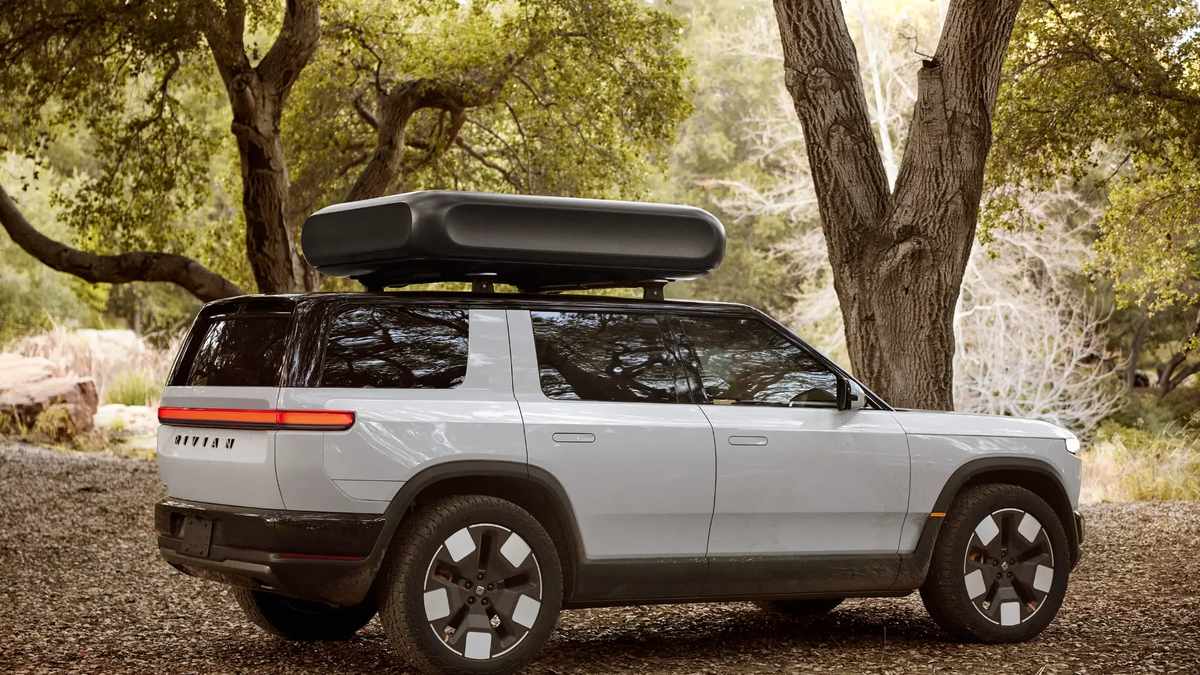
The debate over shipping mode versus selective feature disabling on the R1S reveals a deeper issue: the lack of clear, universally effective guidance from manufacturers on optimal cold-weather battery preservation. Owners are left to experiment and share anecdotal evidence, which, while valuable, points to a gap in official documentation. A vehicle designed for adventure should not require its owners to become amateur electrical engineers to understand how to keep it from draining its battery while parked.
Ruben Alanis, however, cut straight to a critical, unresolved issue for many:
"So, how do you prevent the charge port from freezing exactly? Mine froze in 20-degree cold overnight last week. I used a hair dryer to thaw it out."
This question reveals the persistent, frustrating reality for many EV owners. While Hollis was fortunate not to need her de-icer, Alanis's experience is far more common.
The fact that charge ports, a fundamental interface for EV operation, continue to freeze shut in temperatures well above extreme lows is a glaring engineering failure.
This is a critical operational impediment that can render a vehicle useless. Relying on a hairdryer for a premium vehicle's basic functionality is a band-aid solution that should be unacceptable to any manufacturer claiming to produce robust, all-weather transportation.
A final comment from VoltConnect succinctly summarized Hollis's approach:
"This is really solid winter EV management. Not waking the car unnecessarily and turning off background features makes a bigger difference than people realize. Sounds like you did just about everything right."
This affirmation from a seemingly knowledgeable source validates Hollis's meticulous methodology.
The consensus among experienced EV owners is clear: minimizing vehicle "wake-ups" and disabling non-essential background processes are paramount for cold-weather battery retention. This isn't rocket science; it's fundamental power management. The industry has long understood how to manage parasitic draws in internal combustion vehicles; applying that same rigor to EV software and hardware design is not merely an option, but a necessity for widespread adoption and customer satisfaction.
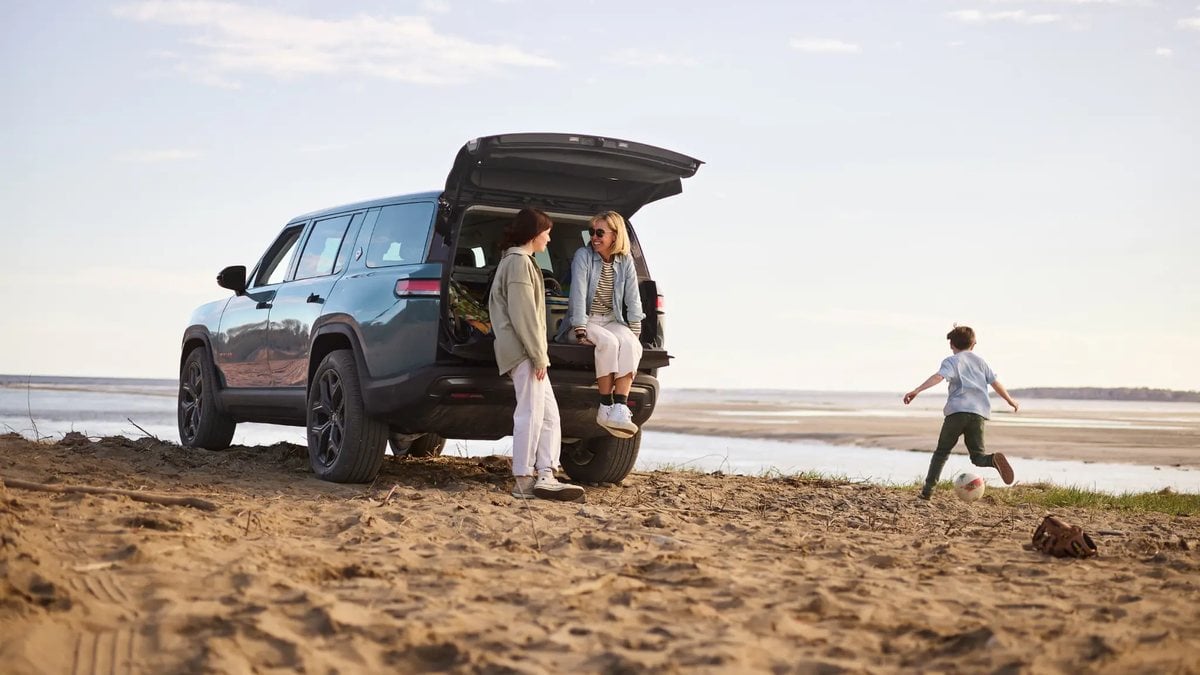
Hollis's detailed account provides invaluable, real-world data for Rivian R1S owners. Her success in limiting battery degradation to a mere 10% over six days in punishing cold demonstrates that with careful planning and an understanding of parasitic draws, EV ownership in winter is not just feasible, but can be surprisingly efficient. This level of owner-driven problem-solving, while commendable, should serve as a stark reminder to manufacturers that intuitive cold-weather performance is a core expectation.
Recent News
This focus on preparation and understanding vehicle behavior in extreme cold takes on new significance as Rivian prepares for the critical launch of its R2 electric SUV. Just this week, details emerged confirming the R2's full specifications will be revealed at SXSW on March 12, with deliveries anticipated in spring 2026.
With prototypes demonstrating a dual-motor, all-wheel-drive configuration with 656 horsepower and over 300 miles of EPA-estimated range, the R2 aims to offer rugged capability in a more compact package, presenting a new set of cold-weather considerations for a broader market segment.
Excited about the upcoming Rivian R2? What are your thoughts on the reviews so far?
Share your take in the comments below.
Image Sources: Rivian Media Center
Noah Washington is an automotive journalist based in Atlanta, Georgia. He enjoys covering the latest news in the automotive industry and conducting reviews on the latest cars. He has been in the automotive industry since 15 years old and has been featured in prominent automotive news sites. You can reach him on X and LinkedIn for tips and to follow his automotive coverage.
Set Torque News as Preferred Source on Google
Follow us today...