
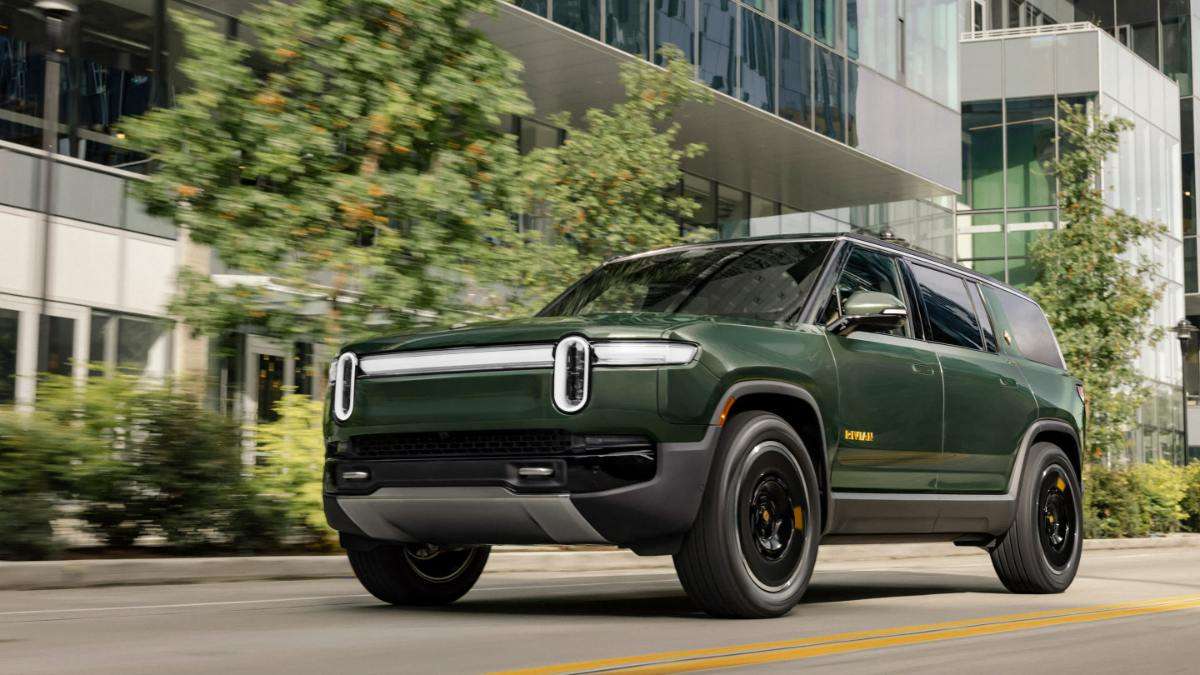

After spending $6,500 to ship his Rivian R1T from Alaska to Washington for a warranty repair, an owner was told by Rivian's Seattle service center that they "never promised to cover shipping both directions" for a subsequent warranty repair, leaving his truck stranded 2,300 miles from home.
The owner went to Reddit to talk about it:
"A few years back, I drove my Rivian from Texas to the great state of Alaska due to a change in work location. I think I was the first to make such an adventurous drive, and I apologize for never getting around to posting about it. Before the move, I asked Rivian what servicing the vehicle would look like, and the general answer was ‘we don’t know.’
Fast forward a few years and tens of thousands of great miles, and Rivian finally had an issue. I want to make it clear that I love this damn truck and the company and only want success. My circumstances were unique, and I don’t fault Rivian for struggling with the unknown with me. It was last June, and something started grinding and smoking in my motor, leading me to stop driving. I was able to get a mobile service visit scheduled within a month (Rivian does great by sending a mobile tech up to Anchorage periodically; they work out of a rented garage). The technician diagnosed the truck and said it needed a brick-and-mortar shop, so I started the long process of getting that scheduled.
Around this time, a barge caught fire due to an EV, so all barge shipping of electric vehicles was halted (and is still halted due to astronomical insurance costs, I’ve been told), which left ground transportation as my only option to get the vehicle down to Washington State. After plenty of back and forth, I finally scheduled the service and decided to pay the delivery fee to get the truck worked on, a cool $6.5K. I had not driven my truck since June, and I finally had it shipped in December. The issue with the truck was under warranty, and the service center was brilliant and communicative (shoutout Fife crew).
I decided to save a little money and fly down to Seattle, and then drove back to Anchorage. Hoo boy, that was a harrowing and exhausting trip, and I highly recommend against it, especially in winter. If anyone wants, I can recount the tale, but it is dark and full of terrors. On the drive back up, right around the Alaskan border, the Rivian threw a warning light to service the suspension. The rear left of the truck was sagging, and I was bottoming out on bumps. I was committed, though, and powered through back to Anchorage.
I immediately put in another service request, specifically asking for a mobile service appointment because I did not want to pay for another transport. When the service team reached back to me, they said it is 99% an issue that needs a real service center visit, and I needed to ship my car. I told them that I did not want to do that since I was just there and just had repairs related to my suspension a week before it went wrong. I was told that Rivian would ship it and determine if it was my own negligence or a vehicle (warranty) issue that caused the problem. If it were my fault, I would pay for shipping and the repairs, but if not, Rivian would do it since they had just repaired it.
Fast forward to the end of last week, and the truck is repaired, under warranty, and is ready to be sent back to me. I asked them to please cover the cost of shipping back to me since this issue was not my fault, and I had understood that if it was not my fault, they would take care of it. The Seattle service center put their foot down and told me to submit a complaint if I didn’t like the answer, but that the answer was no. They said that they never promised to cover shipping both directions, and they would stand by it if they had.
So my vehicle is stuck in the Seattle service center until I can get it shipped back to Alaska. I feel as though this situation is unique and should warrant further discussions with the team, especially since I just had it serviced and covered the cost of transport both directions. I want to reiterate that I love this company and my truck, and I know my circumstances are not ideal for either the company or me. I didn’t ask them to cover the cost of shipping initially: they offered. But since I did not specify that I wanted it shipped back on their dime as well, it is on me to make arrangements.
Anyway, for all my Rivian buddies up here in Alaska, I recommend you start saving for the eventuality that your truck needs a real repair. Until there is a service center or barge transport, this is not the place for a Rivian. Also, the ground transport service folks flat-out told me they raised their prices when they learned they were the only option.
Advertising
I’m not sure what to do at this point."
The owner's initial $6,500 outlay for transport to rectify a motor issue under warranty is already an extraordinary expense for a vehicle still under factory coverage. This is not a cost of ownership; it is a cost of inadequate infrastructure. Rivian, like many EV startups, has prioritized sales over the foundational support network required for a national, let alone continental, presence. The "we don't know" response to a service inquiry before a cross-country move should have been a flashing red light, not a green one.
Rivian R1T: The Alaskan Service Conundrum
- The Rivian R1T is an all-electric pickup truck designed for off-road capability and adventure, offering up to 835 horsepower and 908 lb-ft of torque in its quad-motor configuration. Its EPA-estimated range can reach up to 328 miles with the Large pack, but real-world performance in extreme cold can vary significantly.
- The owner reported a $6,500 shipping cost to transport his R1T from Alaska to Washington for a warranty-covered motor issue, which shows the immense logistical and financial burden for owners in regions without local service centers. This cost is nearly 10% of the vehicle's base price.
- The second warranty-covered issue, a sagging suspension, occurred immediately after the truck returned from its first major repair, suggesting potential oversight during the initial service or a systemic component weakness. Rivian's refusal to cover return shipping for this subsequent warranty repair reveals a critical gap in its customer support policy.
- The cessation of EV barge shipping due to "astronomical insurance costs" following a fire involving an EV has severely limited transport options to and from Alaska, forcing owners into expensive ground transport. This external factor further complicates service access for remote owners, inflating repair logistics costs.
The core of this problem lies in the second repair: a suspension issue that manifested immediately after the truck was returned from the first major service, and was subsequently deemed a warranty repair. Rivian's initial assurance that they would cover shipping if the issue was not the owner's fault, only to renege on the return journey, is a classic corporate maneuver. It's the automotive equivalent of a bait-and-switch, leaving the customer holding the bag for a problem that was not their doing, and likely exacerbated by the previous service or the arduous journey back.
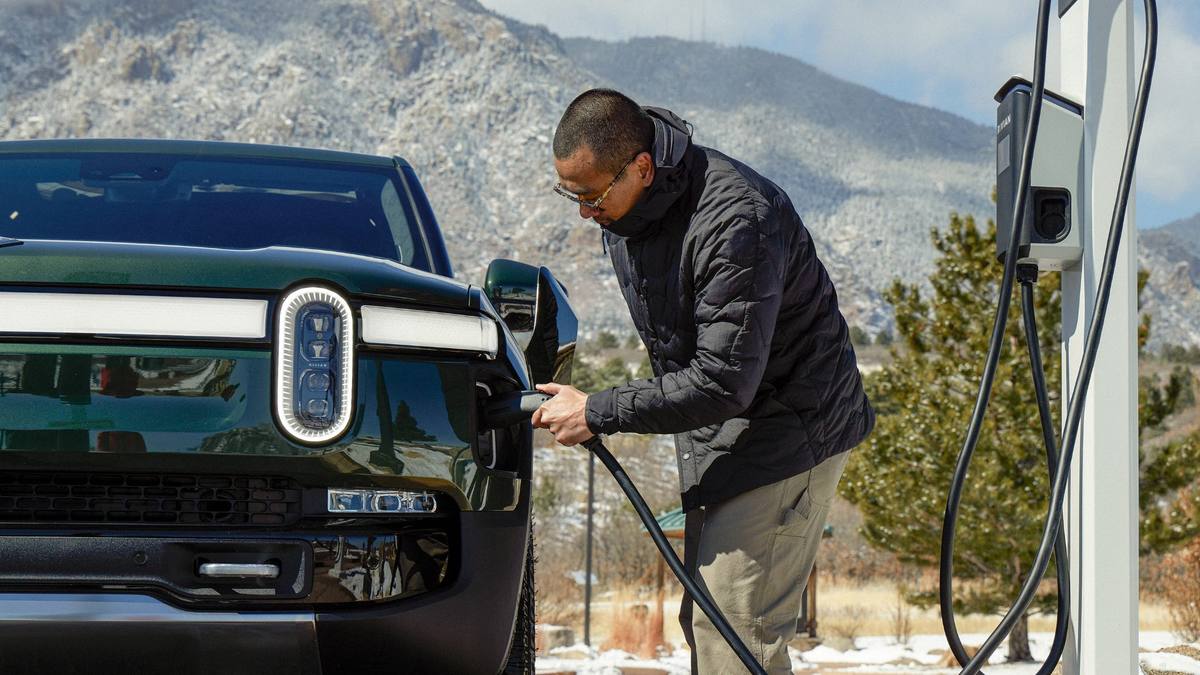
The community's response reveals the precarious position of early EV adopters in underserved regions.
"I live in Seattle and would drive it to Anchorage for you if you'll cover the flight back."
This isn't helpful; it shows the desperation Rivian owners face. The fact that a stranger on the internet is offering to personally ferry a multi-ton electric truck 2,300 miles speaks volumes about the perceived void in manufacturer support. It shows the stark contrast between the brand's aspirational image and the gritty reality of owning one far from the service grid.
Another commenter suggests the owner took a "calculated risk."
"I spent eight years in Homer and moved down to Washington last year. I just couldn’t imagine owning a Rivian without being reasonably close to a Service Center. I waited until after I relocated to Washington before buying mine.
Every now and then, I’d see a Rivian in Homer and think what a great vehicle it would be for Alaska...when everything is working properly. But without nearby service support, it always felt like a pretty big gamble.
Rivian clearly has service challenges, and that risk has been part of the equation for a while. It seems like you understood that going in. When you relocated with the truck, you took a calculated risk, and unfortunately, it didn’t work out. I’m really sorry you’re dealing with this."
This perspective, while empathetic, misses the point entirely. A consumer buying a new vehicle, especially one marketed as an adventure-ready truck, should not be forced to "calculate risk" regarding basic warranty service. This isn't buying a kit car; it's a $70,000+ vehicle from a publicly traded company. The "risk" should be on the manufacturer to provide adequate support for the regions where they sell their product, not on the customer to anticipate the logistical failures of a multi-billion-dollar corporation.
One commenter attempts to clarify Rivian's technical obligations:
“Rivian, per service terms, is technically only responsible for transport to the service center if the problem is warrantable and unsafe to drive. I would argue that in both instances, it was unsafe to drive to the brick-and-mortar place. However, Rivian isn't responsible for returning it to you."
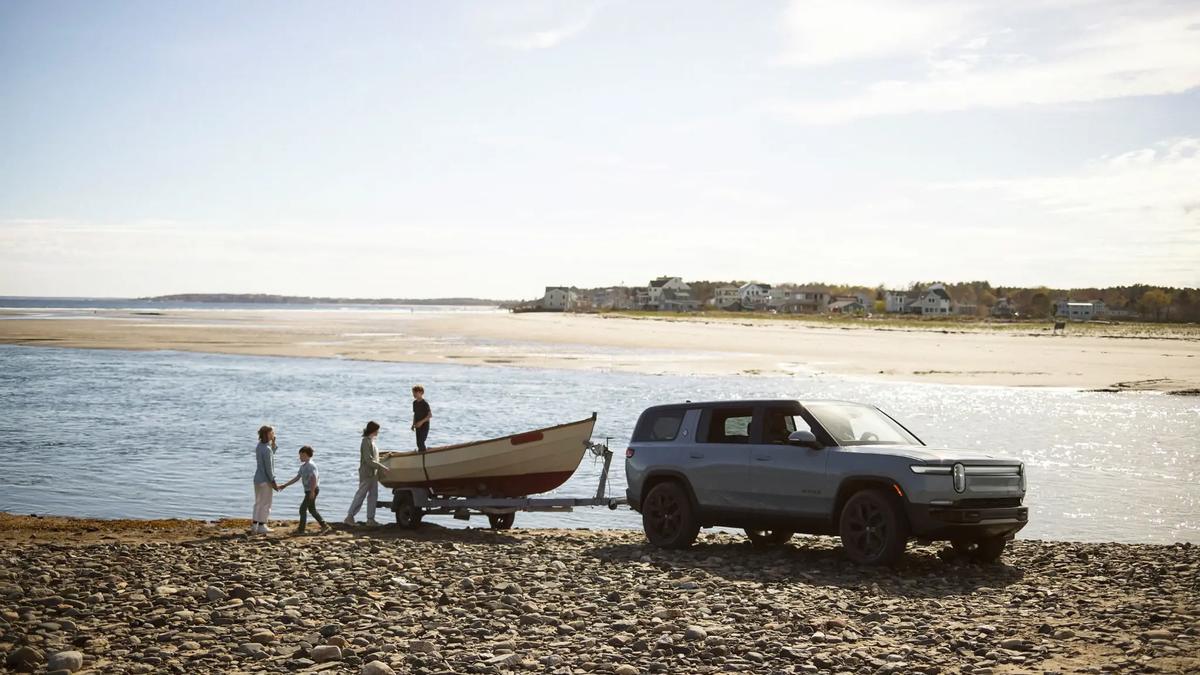
This is the typical corporate line, designed to protect the manufacturer, not the customer. While legally sound, it ignores the spirit of customer service, particularly when the second failure occurred so soon after the first repair. The manufacturer should be proactive in ensuring a vehicle is fully functional before it leaves their care, especially when they know the owner faces extreme logistical hurdles. This isn't about what Rivian is technically responsible for; it's about what they should do to maintain brand loyalty and fulfill the implicit promise of a reliable vehicle.
The enthusiasm for electric vehicles outstrips the practical realities of service infrastructure, leaving early adopters in remote areas vulnerable. If Rivian wants to be a serious player in the adventure vehicle segment, it needs to support its vehicles wherever they roam, not only where it is convenient or cost-effective. Until then, Alaskan Rivian owners are right to "start saving" for repairs and the cost of getting those repairs done.
Image Sources: Rivian Media Center
Noah Washington is an automotive journalist based in Atlanta, Georgia. He enjoys covering the latest news in the automotive industry and conducting reviews on the latest cars. He has been in the automotive industry since 15 years old and has been featured in prominent automotive news sites. You can reach him on X and LinkedIn for tips and to follow his automotive coverage.
Set Torque News as Preferred Source on Google
Follow us today...







Comments
That's too bad that you're…
Permalink
That's too bad that you're not able to ship it on conventional Alaska shipping like you could before. And that transfer price was high at $6500. I was going to go up on a ferry in the summer last year from WA state with my EV and the total cost including putting my vehicle on it was under $2k. I just checked the ferry now from WA state to Juneau, including 1 avg car, no cabin and it was under $2k. If you pick an EV that is smallish it said call us. I hope I can still go on a ferry with an ev but didn't call.
Having a vehicle with no maintenance shop for thousands of miles is a problem, probably the same issue appears if you have a Ferrari in Anchorage. Rivian would look better if they have a plan, for say tier 3 remote service areas or something, a fixed cost for remote transport, you could prepay an extra warranty. Rivian can't spend the cost of the vehicle in shipping costs, even under warranty, it's not sustainable. So they need to develop an official policy. Come on rivian, fix it.
Now, I would be surprised if…
Permalink
In reply to That's too bad that you're… by N K (not verified)
Now, I would be surprised if they would willingly take it on the ferry anymore. In a twelve month period between twenty twenty four and twenty twenty five I think four ocean going auto carriers were lost to fires that began with an ev, including one that was lost in Alaskan waters. Since the ferries are people movers as much as auto movers, I can not see any sane insurance company underwriting the policy, nor could I see the state of Alaska willingly endanger its citizens or tourism trade.
I believe the Alaska Ferry…
Permalink
In reply to Now, I would be surprised if… by Jack McCrary (not verified)
I believe the Alaska Ferry allows 2 EVs per trip - last I checked.
virtue signalling can get…
Permalink
virtue signalling can get very expensive
And this is another reason…
Permalink
And this is another reason the sales of EV are plummeting. Besides their huge failure, the drain on resources, and the cost EV's are great. To fast to soon go back and come up with a decent affordable product folks.
Heh, want to get some use of…
Permalink
In reply to And this is another reason… by Paul (not verified)
Heh, want to get some use of your Rivian at home in Alaska? Buy the return ticket (use your VISA miles if need be), and have that person drive it home. Done. We all lose every once in a while. Your turn with Rivian warranty. Let it go. Be free from it. Forgive Rivian. Laugh it off. Get on with your life.
Seems to me that any…
Permalink
Seems to me that any competent mechanic should be able to have parts sent to Alaska and do the work in a shop in Alaska. I’m pretty sure that would. Be way more cost effective even if it a rented shop I can not imagine any issue that. Demanded a specific shop for a suspension fix if that is the case then that is poor design plain and simple.
Why do you think that the…
Permalink
Why do you think that the company owes you anything when you knowingly took a product thousands of miles from the nearest service? You made a choice, the company didn't tell you to do it.