
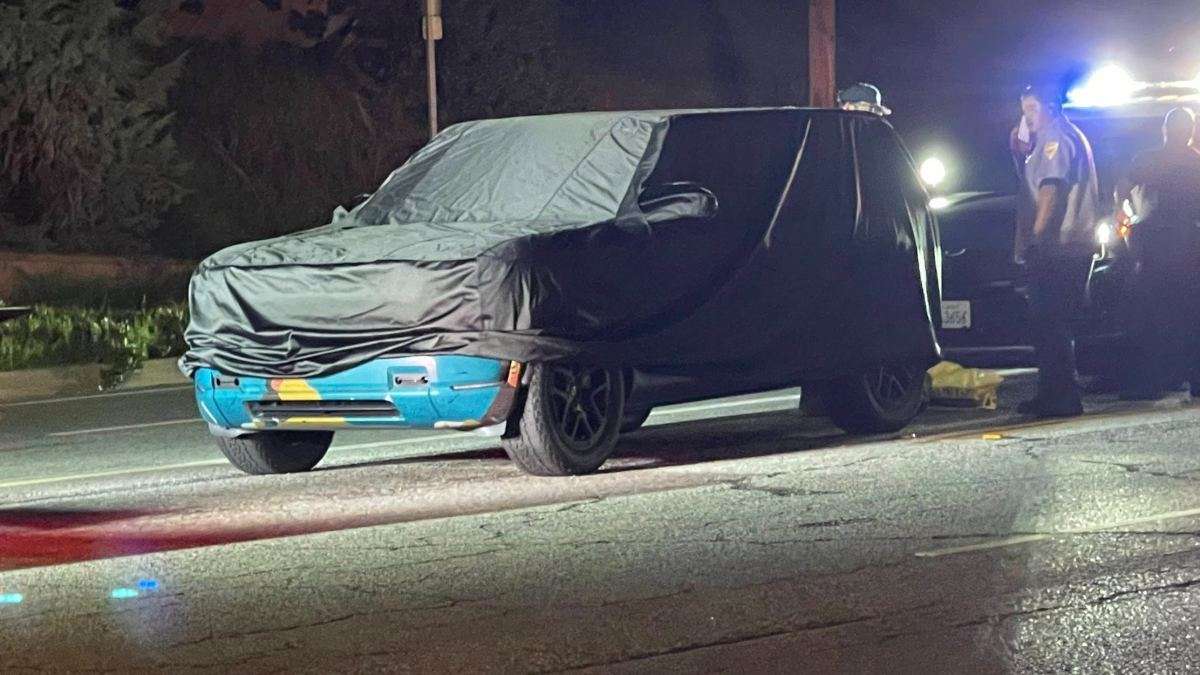

The sight of a new vehicle prototype stranded on the side of a highway is rarely a confidence booster, particularly when it belongs to a company like Rivian, which has staked its reputation on innovation and robust electric adventure vehicles.
An eyewitness account from a Rivian R2 enthusiast in Los Angeles details just such an incident, raising immediate questions about the early development reliability of the much-anticipated electric SUV.
While test mules are inherently designed to push limits and uncover flaws, a roadside breakdown under police escort and requiring a tow truck inevitably sparks discussion among a keen public watching Rivian's every move.
The original social media post by David Chickering encapsulated the scene:
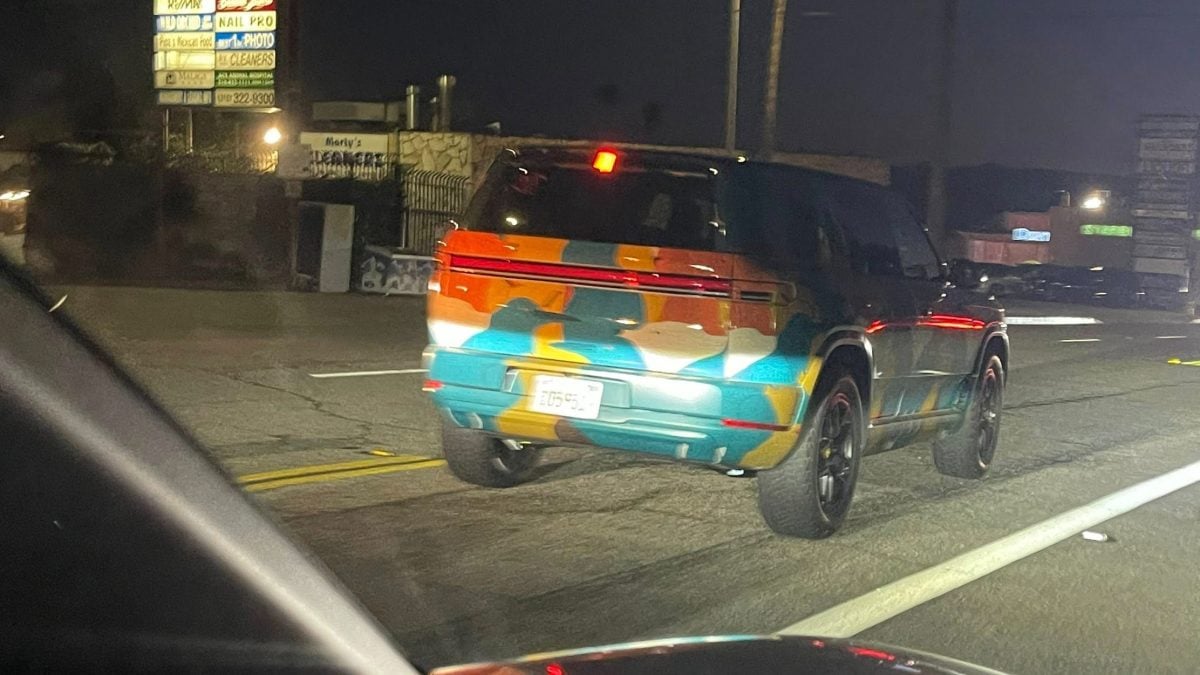
"Not a good night for the Rivian R2. And no, they did not get pulled over. When I first drove past, it was completely dark; only the center rear brake light was on. 40 minutes later, when I went back by, there was a tow truck, they covered it, and the police were helping to keep traffic going. Los Angeles - coastal South Bay Area 7 pm 2/23/26"
This observation, made on a coastal stretch of Los Angeles, suggests more than a minor glitch. A vehicle completely dark save for a single brake light, followed by a tow truck and police assistance to manage traffic, points to a significant operational failure. For a company that prides itself on engineering, this kind of public incident, even with a prototype, demands scrutiny. It’s a stark reminder that the journey from concept to production is fraught with challenges, and not all of them are confined to the test track.
Rivian R2: Early Development Challenges and Market Expectations
- The Rivian R2 is anticipated to be a more compact and affordable electric SUV, slotting below the R1S and R1T, with an expected starting price around $45,000. It aims to broaden Rivian's market appeal significantly by targeting a wider consumer base.
- The vehicle is designed on a new, mid-size platform that prioritizes manufacturing efficiency and cost reduction, crucial for Rivian to achieve profitability and scale production. This platform is distinct from the larger R1 platform.
- Rivian projects the R2 to offer over 300 miles of range on a single charge and achieve a 0-60 mph acceleration time of under 3 seconds in its performance variants. These figures are competitive within the burgeoning electric SUV segment.
- Production of the R2 is slated to begin in 2026, initially at Rivian's existing Normal, Illinois plant, before potentially moving to a new Georgia facility. This timeline puts immense pressure on the development and testing phases.
One commenter, Mark Anders, offered a pragmatic perspective, stating, "It’s not an encouraging thing to see, but it IS a test vehicle for a reason. Some earlier reviewers even said they were told some things aren’t working 100%. Unless I see the finished product out there like this, I think it’s ok to test them thoroughly, so this isn’t thousands of customers". Anders's point about the nature of test vehicles is valid; prototypes are meant to fail so production models don't. However, the public nature of this particular failure, requiring police intervention and a cover-up, suggests a level of incident beyond a simple diagnostic hiccup.
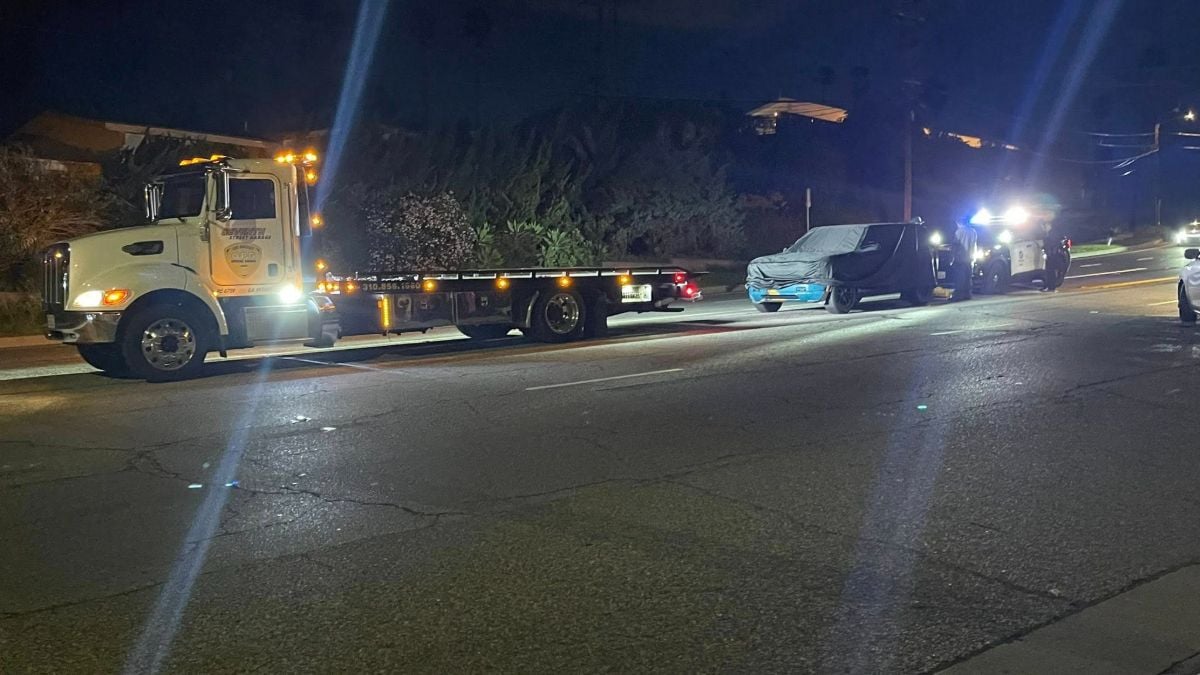
The notion that "it's okay to test them thoroughly" often translates to controlled environments or discreet operations. A breakdown on a public road, necessitating police involvement, indicates a situation that was anything but controlled. While it's true that catching these issues now prevents widespread problems later, the optics of such an event can erode public confidence, especially for a brand that is still building its reputation for reliability against established automakers. The goal is to identify flaws, not to create roadside spectacles.
Another user, Perry Martino, expressed a common sentiment: "Hope with all the tech thy figure out what went wrong. Not a comforting sight." The reliance on technology in modern EVs means that a single system failure can render an entire vehicle inert. Whether it was a critical battery management system fault, a power inverter issue, or a software glitch that bricked the vehicle, the complete loss of power is precisely the scenario EV manufacturers must avoid at all costs. The "comforting sight" of a fully operational vehicle is what consumers expect, not a darkened prototype awaiting a tow.
David Chickering, the original poster, responded to Martino, saying, "Perry Martino, they were testing, this is when we want this to happen. I’m sure the back of the vehicle was loaded with recording gear and computers to know everything about every second that car was driving." This perspective, while technically accurate regarding the purpose of testing, overlooks the potential impact on public perception. While engineers certainly gather invaluable data from such events, the average consumer sees a broken-down vehicle, not a data-logging opportunity. The disconnect between engineering necessity and market perception is a tightrope Rivian must walk.
The complete power loss, evidenced by only the center brake light functioning, points to a fundamental electrical or software issue, not a minor mechanical fault. This kind of systemic failure in a prototype, while expected during rigorous testing, reveals the complexity of EV architecture. It’s not merely about assembling components; it's about ensuring seamless integration of high-voltage systems, advanced thermal management, and intricate software controls. A single point of failure in any of these can bring the entire operation to a halt.
Mikhail Proshin's terse comment, "Ran out of gas," though clearly facetious for an EV, shows a deeper public anxiety. The fear of being stranded due to range anxiety or, worse, a complete vehicle shutdown, remains a significant hurdle for EV adoption. While the R2 undoubtedly did not "run out of gas," its complete immobilization on a public road feeds into these very concerns, regardless of the actual cause. It's a perception battle as much as an engineering one.
While the engineers will undoubtedly dissect every byte of data from the R2's computers, the broader takeaway for the public is a reminder that even the most promising electric vehicles face significant hurdles before they are truly ready for prime time. The R2 is a critical product for Rivian's future, and incidents like this, though part of the development cycle, must be handled with extreme discretion to maintain market confidence.
Image Sources: Rivian Media Center
Noah Washington is an automotive journalist based in Atlanta, Georgia. He enjoys covering the latest news in the automotive industry and conducting reviews on the latest cars. He has been in the automotive industry since 15 years old and has been featured in prominent automotive news sites. You can reach him on X and LinkedIn for tips and to follow his automotive coverage.
Set Torque News as Preferred Source on Google
Follow us today...


Comments
Glad they are testing it so…
Permalink
Glad they are testing it so mine doesn’t have that issue.
It is protocol to cover any…
Permalink
It is protocol to cover any test vehicle that fails in the public also protocol to cover a test vehicle when parked outside when their is not an employee with it.
My thoughts? This picture…
Permalink
My thoughts? This picture doesn't change my opinion or desire a single percentage. I'm still going to get one to replace my R1T.
Early-stage vehicles…
Permalink
I adore my vegan and will…
Permalink
I adore my vegan and will likely get an R2. I don’t know I’m wondering if this is something else entirely happening like why is it covered like that? Are they doing some kind of photo shoot later although it seems unlikely huh? Like so what new things are going to be quirky and they’re working them out