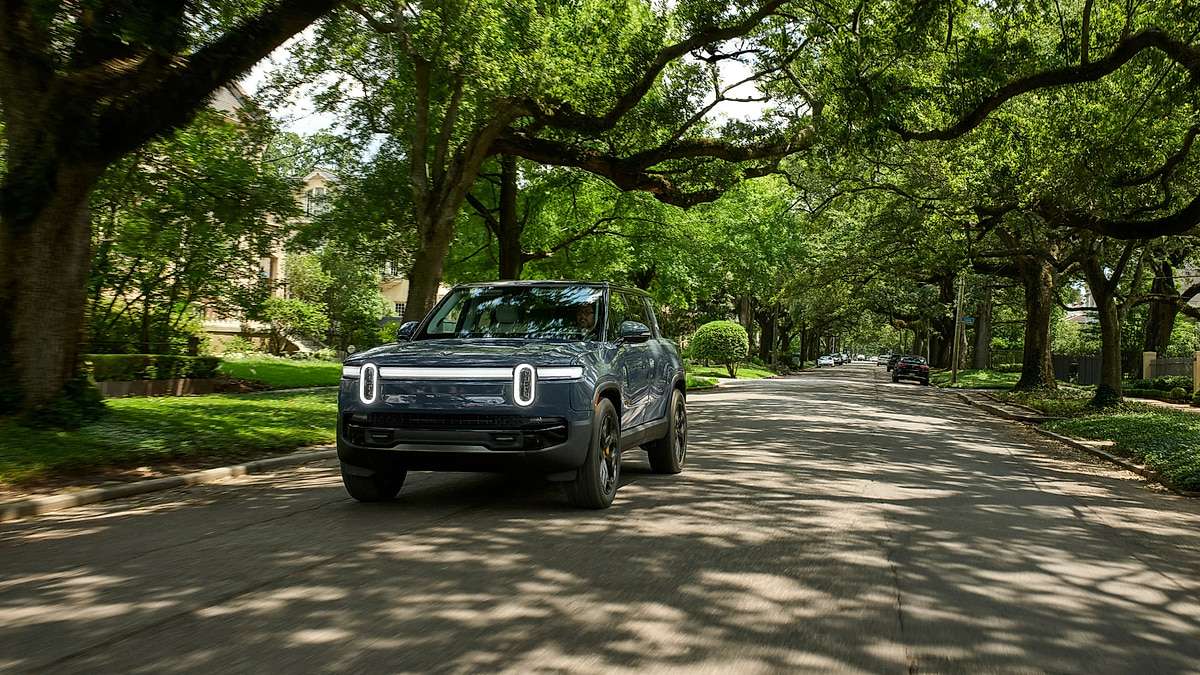

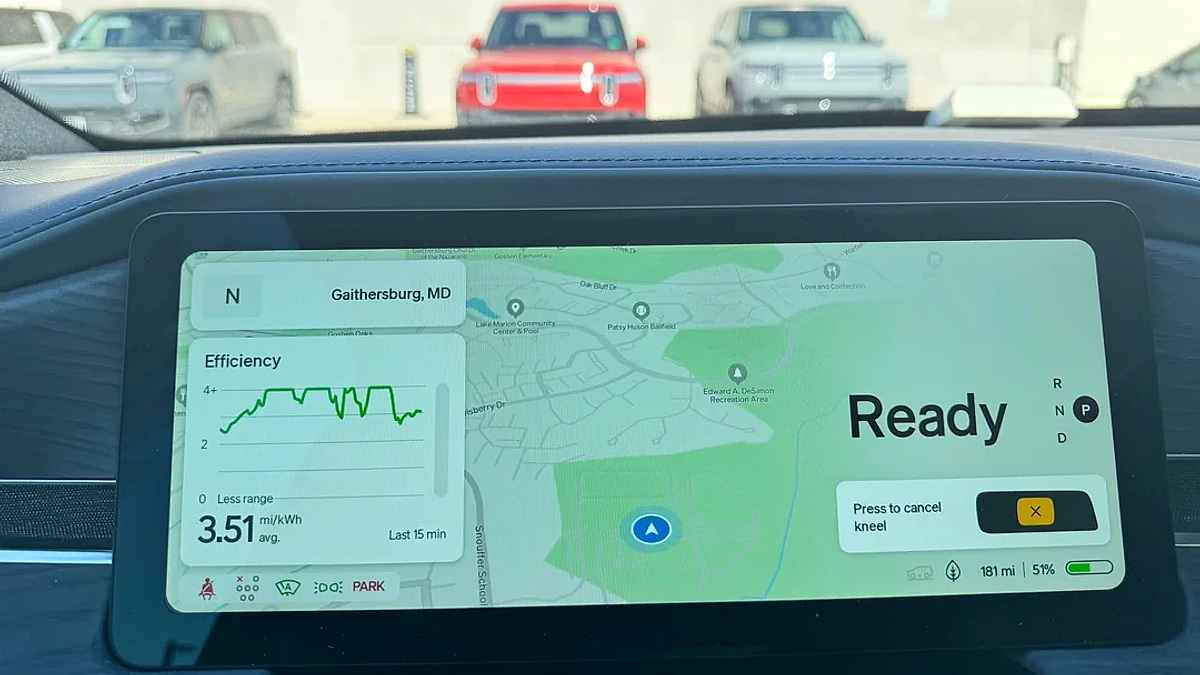
A Rivian R1T owner, u/Roux_My_Burgundy, reported an "eye-popping" 3.51 mi/kWh efficiency during a 30-mile drive from Northern Virginia to Gaithersburg, MD. This unexpected performance came on the first warm day after a brutally cold winter, immediately following the installation of 275/60/20 Michelin Defender LTX M/S2 tires. The owner, who utilized 'Conserve' mode on the highway and started with a 65% battery charge, noted these were the best numbers they had ever seen.
This single data point, while anecdotal, reveals a critical and often overlooked variable in electric vehicle performance: tire choice. Manufacturers spend millions optimizing aerodynamics and battery chemistry, yet real-world efficiency is profoundly affected by the rubber connecting the vehicle to the road, especially as temperatures fluctuate. For owners seeking to maximize range and minimize charging costs, understanding this interplay is important, like monitoring battery state of charge.
The impact of tire selection on EV range is consistently underestimated by both manufacturers and consumers, leading to significant discrepancies between advertised performance and daily driving reality.
“Put the 275/60/20 LTX M/S2 on the Dune in January. It’s been ridiculously cold for most of that spell. Today is the first warm day in forever, and I happened to be headed to Rivian SC for a routine service. Decided to track the Efficiency on my 30-mile drive. It’s from NoVa to Gaithersburg, MD, so that means town, windy parkway, and Beltway driving. The efficiency was pretty eye-popping. Started with a batter around 65. No precondition. Used the conserve once I got to the highway. Never seen numbers this good.”

The owner's observation of 3.51 mi/kWh is significant, particularly given the mixed driving conditions described: town, parkway, and Beltway. Most Rivian R1T owners report average efficiencies closer to 1.5-1.7 mi/kWh, especially in colder climates.
Rivian R1T: Tire Choice and Real-World EV Efficiency
- The Rivian R1T, in its quad-motor configuration, has an EPA-estimated range of 328 miles with the Large pack and 21-inch wheels, achieving 70 MPGe combined. Real-world efficiency is heavily influenced by driving conditions, temperature, and tire selection.
- The Michelin Defender LTX M/S2 is a popular all-season light truck tire known for its longevity and wet/dry traction, but it is not typically marketed as an ultra-low rolling resistance tire for EVs. Its performance here suggests a favorable interaction with the R1T's powertrain.
- 'Conserve' mode in the Rivian R1T disengages the front motor, effectively turning the quad-motor vehicle into a rear-wheel-drive setup, which can improve efficiency by reducing parasitic losses and optimizing power delivery. This mode is most effective at highway speeds. The stock tire choices and their compromises are a concern. The owner's observation of high efficiency without preconditioning further shows the impact of the new tires and ambient temperature.
The immediate jump in efficiency on the first warm day suggests that the Michelin Defender LTX M/S2 tires, combined with rising ambient temperatures, are delivering a tangible benefit not typically associated with all-terrain or all-season truck tires. Battery preconditioning, which warms the battery pack to its optimal operating temperature (typically around 70-80°F), helps maximize range and charging speeds in cold weather.

Reddit user u/rosier9, an R1T owner, immediately tempered expectations, commenting, "Spoiler alert: this will not be your typical efficiency." This sentiment reflects a common understanding among EV owners that optimal conditions are fleeting, and real-world performance often falls short of ideal scenarios. However, it also shows a potential blind spot: if a specific tire can deliver such a marked improvement, even under favorable conditions, it suggests that the baseline efficiency could be elevated for many.
This ongoing dialogue reinforces that tire selection remains an important, yet often underestimated, factor in achieving advertised EV range and optimizing total cost of ownership. Often, the choice is a balance of cost, noise, ride comfort, and a generic all-season performance, rather than outright efficiency.
The owner's use of 'Conserve' mode, which disengages the front motor and routes power solely to the rear, is a known strategy for improving efficiency in the R1T. However, the combination of new tires and warmer temperatures appears to have amplified this effect beyond what the owner previously experienced. The fact that this efficiency was observed without preconditioning the battery, a process that warms the battery to an optimal operating temperature for better performance, makes the 3.51 mi/kWh even more noteworthy.
Another commenter, u/Radium, offered practical advice for more accurate tracking, suggesting the owner "Reset one of your trip meters in the vehicle config page and track from there, the 'last 15 minutes' indicator is not very useful because you might be rolling down hill." This is a crucial point for any EV owner attempting to gauge efficiency. The instantaneous readouts can be misleading, influenced heavily by terrain and driving style over short durations.
The owner, u/Roux_My_Burgundy, responded to this by clarifying that they had reset their trip meter when the tires were installed, but the "coldest winter in memory" rendered that data "not useful at all." This points to the persistent challenge of accurately assessing EV performance across varied conditions. It also makes clear that raw data, without proper context, can be misinterpreted. The true test of these tires will be their sustained performance as temperatures continue to rise and the owner accumulates more mileage.
The final comment from u/sse2k, who noted that "Downhill for 15 minutes will tend to do that" and reiterated the 1.85 mi/kWh trip meter as "the real number to focus on," reveals the skepticism that often accompanies impressive, short-term efficiency figures. While valid, this skepticism risks overlooking the potential for genuine, albeit conditional, improvements. The industry needs to provide clearer guidance on how tire specifications, beyond just rolling resistance, interact with EV powertrains to influence real-world range.

The Rivian R1T owner's reported 3.51 mi/kWh efficiency with Michelin Defender LTX M/S2 tires, while subject to ideal conditions, is a clear signal that consumers should scrutinize tire choices more closely for their EVs. Manufacturers must be more transparent about the real-world efficiency compromises made with OEM tires, particularly in varying climates. For owners, this means understanding that a simple tire swap can yield tangible improvements in range and operating costs, making it a critical factor in EV ownership that extends far beyond just cold-weather performance.
Image Sources: Rivian Media Center
About The Author
Noah Washington is an automotive journalist based in Atlanta, Georgia, covering sports cars, luxury vehicles, and performance culture. His reporting focuses on explaining the engineering, design philosophy, and real-world ownership experience behind modern vehicles.
Noah has been immersed in the automotive world since his early teens, attending industry events and following the enthusiast communities that shape how cars are built and driven today. His work blends industry insight with enthusiastic storytelling, helping readers understand not just what a car is, but why it matters.
Noah is also a member of the Southeast Automotive Media Association (SAMA), a professional organization for automotive journalists and industry media in the Southeast.
His coverage regularly explores sports cars, luxury vehicles, and performance-driven segments of the automotive industry, including the evolving culture surrounding Formula Drift and enthusiast builds.
Read more of Noah's work on his author profile page.
You can also follow Noah here:
Set Torque News as Preferred Source on Google
Follow us today...