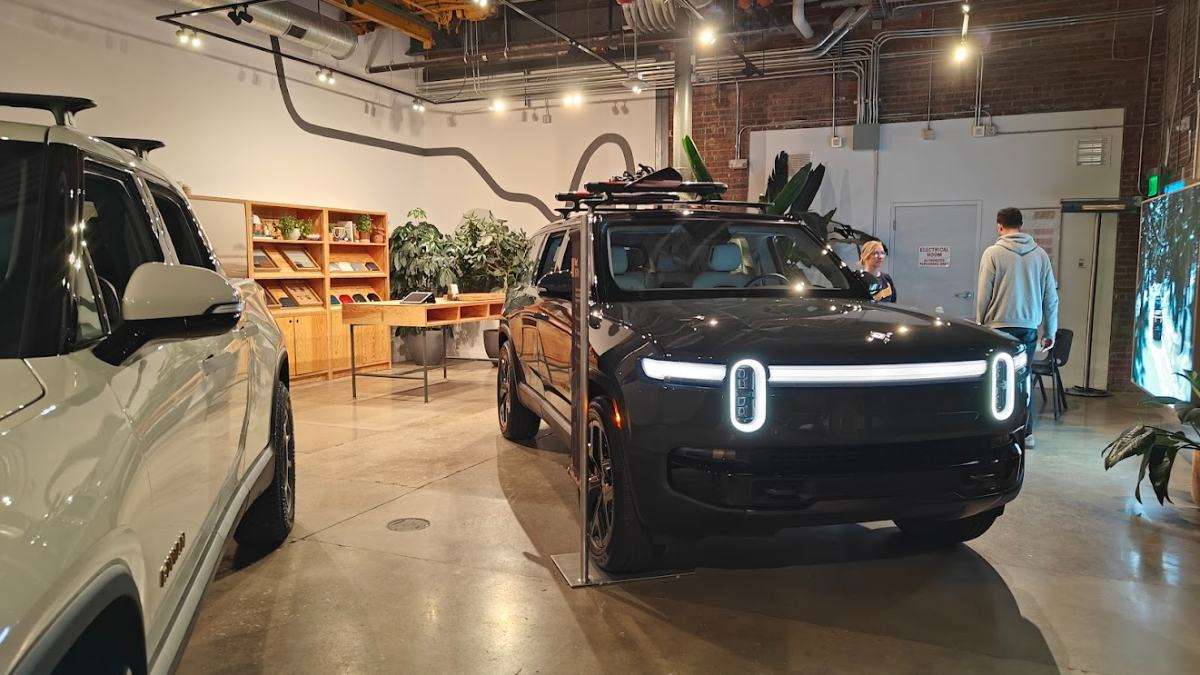

There’s something deeply, unshakably American about the Rivian R1T. It’s a machine that blends adventure and optimism in a way few vehicles ever have. It’s electric, yes, but not meekly so. It moves like a backcountry fighter with a PhD, built to climb boulders and carry kayaks, a modern echo of Manifest Destiny rendered in lithium and torque.
Yet even the most groundbreaking vehicles can be betrayed by the machinery of customer service. When that happens, the romance of ownership can falter, not because the vehicle disappoints, but because the system surrounding it cannot keep up with its ambition.
One Rivian owner, known on Reddit as ItchyCollection7035, recently captured this conflict in a post that resonated across the R1T community.
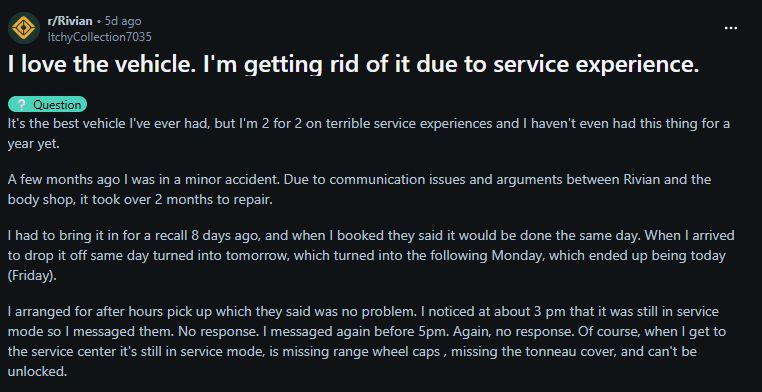
“It's the best vehicle I've ever had, but I'm 2 for 2 on terrible service experiences, and I haven't even had this thing for a year yet.
A few months ago, I was in a minor accident. Due to communication issues and arguments between Rivian and the body shop, it took over 2 months to repair.
I had to bring it in for a recall 8 days ago, and when I booked, they said it would be done the same day. When I arrived to drop it off, the same day turned into tomorrow, which turned into the following Monday, which ended up being today (Friday).
I arranged for after after-hours pick up, which they said was no problem. I noticed at about 3 pm that it was still in service mode, so I messaged them. No response. I messaged again before 5 pm. Again, no response. Of course, when I get to the service center, it's still in service mode, is missing range wheel caps, missing the tonneau cover, and can't be unlocked.
The service center is a two-hour drive from my house.
I appreciate how helpful the staff is, but the issues with service seem to be so deep and systemic that I just can't continue with this truck. Advice on how to sell a 2025 R1T? Silver, 12,000 miles. Includes spare tire, brand new tires, and tonneau cover, if they can ever find it.
Advertising
Update, next day: we did find it and I got it back. We had to drive around looking for it because their telemetry was off. When they set off the alarm, it turned out that it was in the garage.
I've settled a bit, and I think selling would be an overreaction, though I stand by the service experience being very consistently very bad. I was overly frustrated because I had somewhere I needed to be at nine, and what should have been a two-minute operation took almost two hours.
I am happy there was some staff still there, and they were immensely helpful. That's the part that's so hard to figure out - the people are good and helpful, but the overall experience is just consistently a mess.
Update, Monday morning: they called to apologize and explain the situation. As always, the people are helpful and accommodating. They offered to pick up the R1T for the next service appointment and drop it off when done. I definitely appreciate the effort on their part.”
It’s a confession familiar to anyone who’s ever owned a truly remarkable but demanding machine.
For Rivian, a company still building its identity, this story is less an outlier and more a growing pain. Service centers are the unglamorous backbone of the automotive experience, and every manufacturer, old guard or startup, has struggled to make them efficient, especially in the early years. But when the service chain falters, the impact lands squarely on the people who believed enough in the vision to buy early. A Reddit user named noviceboardgamer echoed this in the same thread, writing, “Yes, I’m almost 3 years into my R1T and I really do absolutely love it. But it died on my vacation, in another state. Took almost 4 weeks to fix... For me, that will be the make-or-break visit.” Love, in this context, has a cost measured not just in dollars, but in time, patience, and trust.
Rivian R1T: Range & More
- RJ Scaringe, founder and CEO of Rivian, steers the company’s mission toward adventure-ready electric vehicles; the R1T pickup is a standout example of that vision.
- The R1T delivers up to about 420 miles of range in certain configurations, seats five comfortably, and features a useful truck bed plus front trunk (frunk) for flexible storage.
- Car and Driver
- Rivian’s R1 platform also includes the R1S SUV, sharing many of the same performance and capability traits of the R1T but offering three rows of seats for more passengers.
- The R1T and R1S benefit from Rivian’s rugged design ethos, think strong off-road capability, adjustable air suspension in some trims, and a premium cabin that blends functionality and comfort.
The irony is that these stories often feature the same refrain: the vehicles are incredible, the people working on them kind and attentive, but the process itself is a mess. ItchyCollection7035 even praised Rivian’s staff, calling them “immensely helpful” despite the chaos of missing wheel caps and a misplaced tonneau cover. Another commenter, BoringPudding3986, described a similar contradiction, saying, “The truck is one of the best cars I’ve ever had, and the service center guys have been great, but scheduling service has been a nightmare or just not practical.” These are not words of disdain; they are words of conflict, the sound of genuine enthusiasm bruised by repetition.
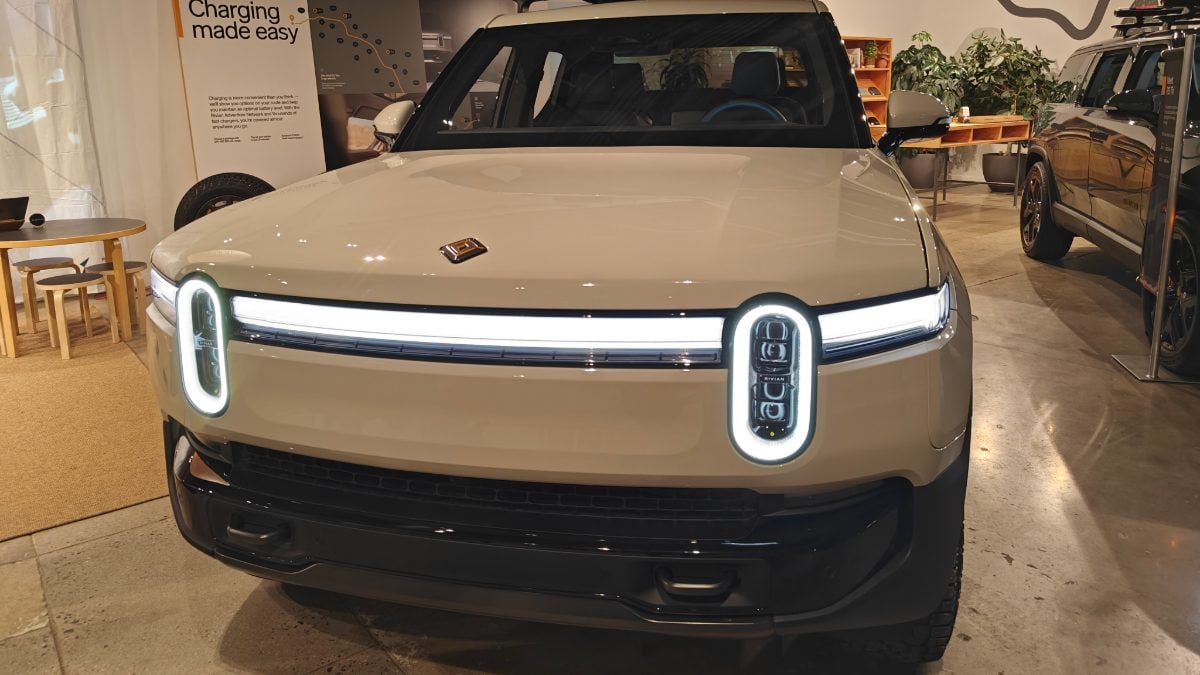
In some ways, Rivian’s struggle is a mirror held up to an industry in transition. Every automaker, from Detroit’s old lions to Silicon Valley’s disruptors, is navigating the logistics of maintaining increasingly complex vehicles. In the analog era, you fixed a car with wrenches and grease. In the electric age, you fix it with software patches, diagnostic pings, and remote updates. That shift demands a new kind of infrastructure, one that many companies, including Rivian, are still racing to build. It’s easy to underestimate the complexity of that task until a recall repair turns into a weeklong ordeal and a simple pickup becomes an odyssey.
“This is absolutely insane,” wrote another user, KeepImproving7. “I’ve been so disappointed with the Rivian delivery and service experience as well, been meaning to write a post but haven’t had the energy for it.” That fatigue might be the most dangerous kind of failure for a brand. Frustration can be fixed, but exhaustion lingers. It turns passion into indifference.
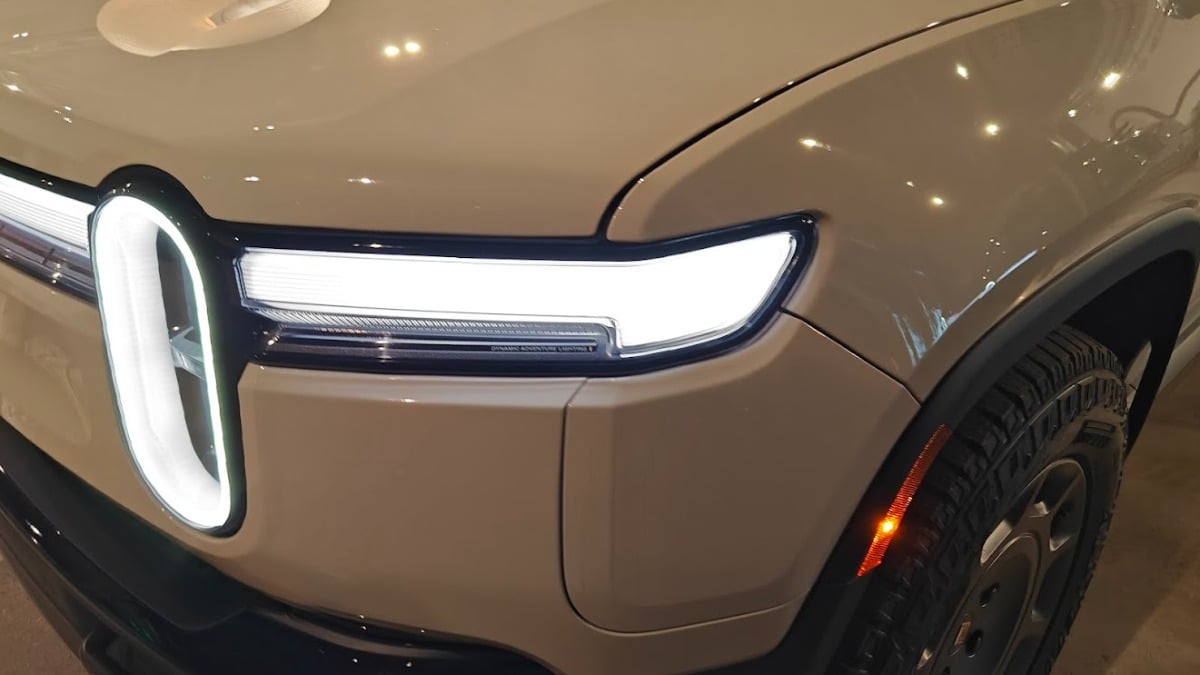
To Rivian’s credit, the company often makes genuine efforts to make things right. In the days following the ordeal, ItchyCollection7035 received a personal apology and an offer for home pickup and delivery for future service. Such gestures matter, and they show a company aware of its weaknesses and working to evolve. But it will take more than goodwill to fix systemic friction. A service experience, like a supply chain, is only as strong as its weakest link. Every misplaced vehicle or missed message chips away at the confidence Rivian so carefully built.
And yet, the story ends on a hopeful note. The owner decided against selling the truck, admitting that frustration had momentarily clouded judgment. “Selling would be an overreaction,” they wrote. That small moment of reconciliation may be the best summary of the Rivian experience right now: a remarkable vehicle tested by a fragile system, and owners whose patience is matched only by their love for the product. The R1T remains a symbol of what’s possible when vision meets engineering, but it also reminds us that even the future needs a reliable service bay.
Have you had poor experiences with newer vehicles? Let us know in the comments below.
Image Sources: Rivian Media Center
Noah Washington is an automotive journalist based in Atlanta, Georgia. He enjoys covering the latest news in the automotive industry and conducting reviews on the latest cars. He has been in the automotive industry since 15 years old and has been featured in prominent automotive news sites. You can reach him on X and LinkedIn for tips and to follow his automotive coverage.
Set Torque News as Preferred Source on Google
Follow us today...