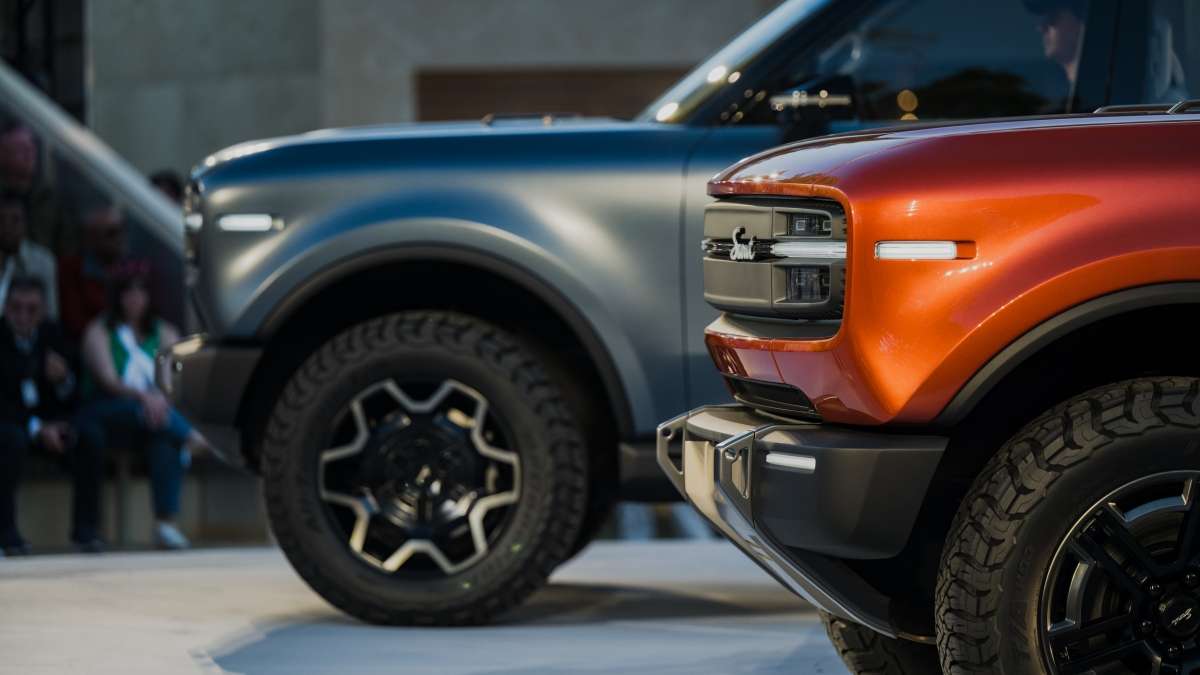

Not long ago, I talked about the newly resurfaced Scout Motors and how its EVs could spell trouble for the likes of Tesla, thanks to one particular feature that makes the company’s models unique. Today, I am talking about another unique feature of Scout’s upcoming models - one that is good on paper, but is already causing some issues and might reveal more problems in the future.
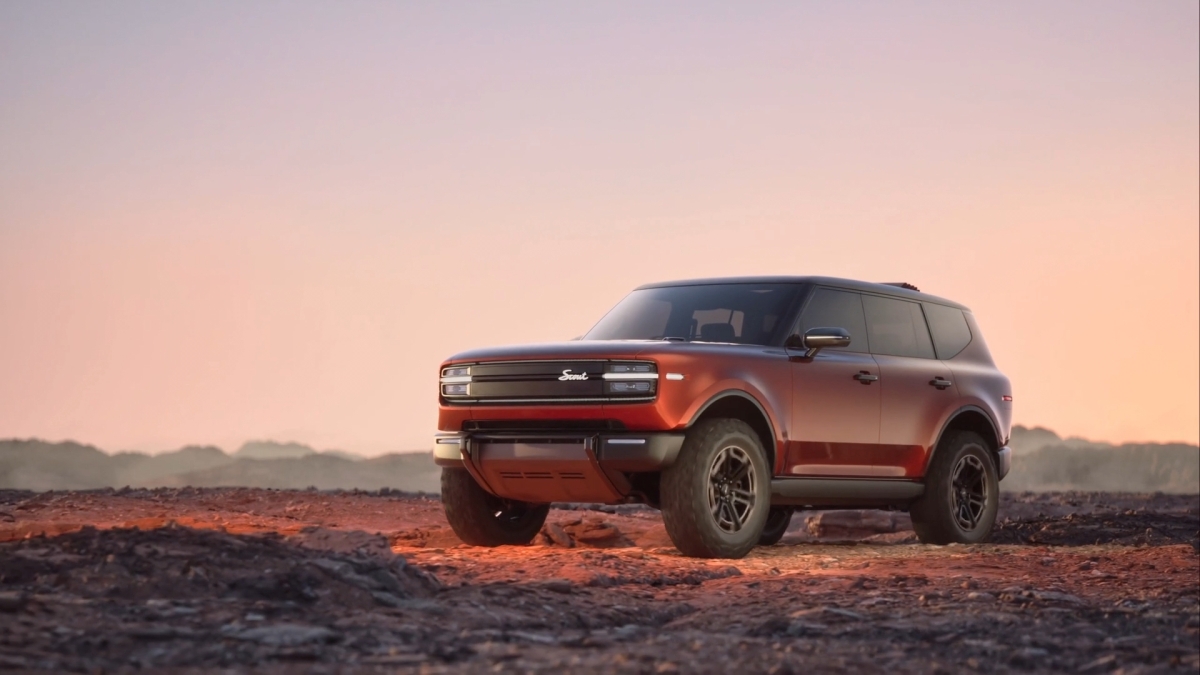
The newly reformed brand is an offshoot of Volkswagen, but structured as an independent subsidiary. Scout Motors relies on retro looks, American heritage, and a body-on-frame chassis, which is a first in the world of EVs.
The internal-combustion engine in a platform originally meant for fully-electric models means that there are a few trade-offs, which the company is trying to negate.
The Scout Traveller (SUV) and Terra (pickup truck) were originally designed as fully-electric models. Later, the vehicles were redesigned to feature a Volkswagen-sourced internal-combustion engine, which works as a range extender, which would allow for a range of over 500 miles. The engine is there purely to charge the battery, and does not send power directly to the wheels. That job falls solely to the two electric motors - one on each axle.
This change in design was prompted by customers’ preferences to have an electric vehicle, which still featured an internal-combustion engine. In light of that, some reckon it may have been a better idea to add a V-8, which would power the wheels, alongside the e-motors. Perhaps, in the future.
Scout’s odd choice of engine placement is a bit problematic for a number of reasons.
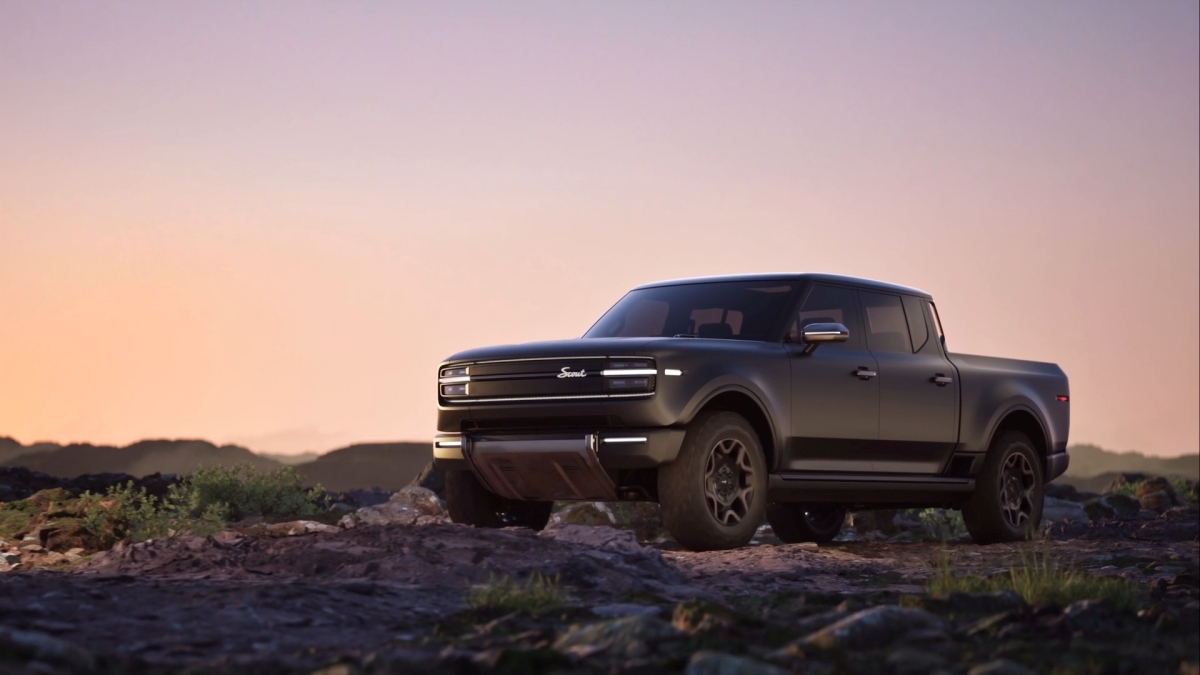
Scout engineers, reportedly, placed the engine in the rear in order to mimic the weight distribution of some sports cars. While, in theory, this gives more traction to the rear wheels, it also creates numerous issues in a platform, not originally designed to feature an ICE. For now, there are three clear drawbacks to this decision, which is likely the reason why the Traveller and Terra debuts are postponed until 2028.
- Weight distribution challenges - a four-cylinder engine would add at least 300 pounds to the rear axle. This means additional calibration and playing with the vehicles’ center of mass to accommodate the added weight at the rear.
- Packaging difficulties - figuring out how to “nest” the engine in the chassis is just the beginning. The engine periphery, cooling, exhaust, and fuel tank will also need to be positioned accordingly in order for the range extender to work efficiently and reliably.
- Performance compromises - EREV models featuring the range extender will get lower towing capacity - around 5,000 pounds - compared to the fully-electric models, which are capable of towing up to 10,000 pounds. This wouldn’t have been the case if the engine was also sending power to the wheels. Moreover, the added weight over the rear axle may also compromise handling, as it changes the center of mass.
On the plus side, having the engine positioned under the cargo area or truck bed reduces cabin vibrations. However, I see another potential issue in the future. Although the internal-combustion engine serves purely as a range extender, it would still need maintenance. Having it “buried” deep in the chassis would make even basic servicing difficult and in turn, more expensive.
Scout’s issues beyond engineering challenges
Scout is one of the car companies that is working towards a direct-sales model, effectively bypassing dealerships. The company wants to sell vehicles through its own retail network, including (but not limited to) online.
The unconventional business model has sparked opposition by dealers affiliated with Volkswagen and Audi, including some located in Florida and Colorado, which have filed lawsuits against the resurrected car company, stating that Scout motors may violate state regulations regarding auto sales.
The plaintiffs argue that because Volkswagen owns Scout, the new brand should be required to sell vehicles through the established dealer network. They also claim that accepting reservation deposits or selling directly to consumers may violate state regulations governing auto sales.
Scout is not alone in wanting to switch to a direct-sales model
Other companies are starting to see the benefits of switching to a direct-sales model. Tesla and Rivian are among the first to attempt the switch. However, in a similar manner, they also faced active lawsuits under the same pretexts. Tesla managed to settle the lawsuit back in August 2024.
Meanwhile, Rival is suing Ohio's Bureau of Motor Vehicles over the state's partial ban on car companies bypassing dealerships to sell cars directly to consumers. For now, it seems Honda has taken the smartest approach at direct sales. Back in 2022, Honda and Sony established Sony Honda Mobility - a joint venture that plans to sell vehicles directly to consumers and service them itself, rather than selling through franchised dealers.
Between engineering challenges and legal drama, Scout Motors’ future still isn’t firmly secured. I, for one, am curious about the combination of body-on-frame chassis, rear-mounted range extender, and fully-electric propulsion. The Scout Traveller and Terra will certainly drive like no other EV we have seen so far. Let me know what you think of the resurrected Scout Motors and the way they do things in the comments below.
Image source: Scout Motors
About the author
Dimitar Angelov has been an automotive journalist since 2014. His passion for cars and motorcycles led him to take up classic car restoration at the Classic Car Museum in Malta. While living there, he also graduated with a Master's in Media and Communications. Aside from Torquenews, his work can also be seen on Topspeed.com, HotCars.com, Motorheads.com, Jalopnik.com, and his own website, Ridereverie.com, where he also includes motorcycle content.
Other relevant experience to the automotive scene include working at a Toyota dealership, professional driving, and automotive insurance. Dim is happy to get behind the wheel of any car and share his impressions. You can follow Dimitar on X, LinkedIn, Instagram, and Facebook.
Experience
- 2012-2017 and 2025-Present: Insurance Advisor - ANG Univers and Generali Insurance Group
- 2016-2016: Car salesman at Toyota dealership
- 2014-Present: Automotive journalist, blogger, vlogger, test driver
Education
- Bachelor's degree in International Economic Relations
- Master's degree in Marketing
- Master's degree in Media and Communications
Dimitar Angelov has been quoted in the following publications:
Set Torque News as Preferred Source on Google
Follow us today...