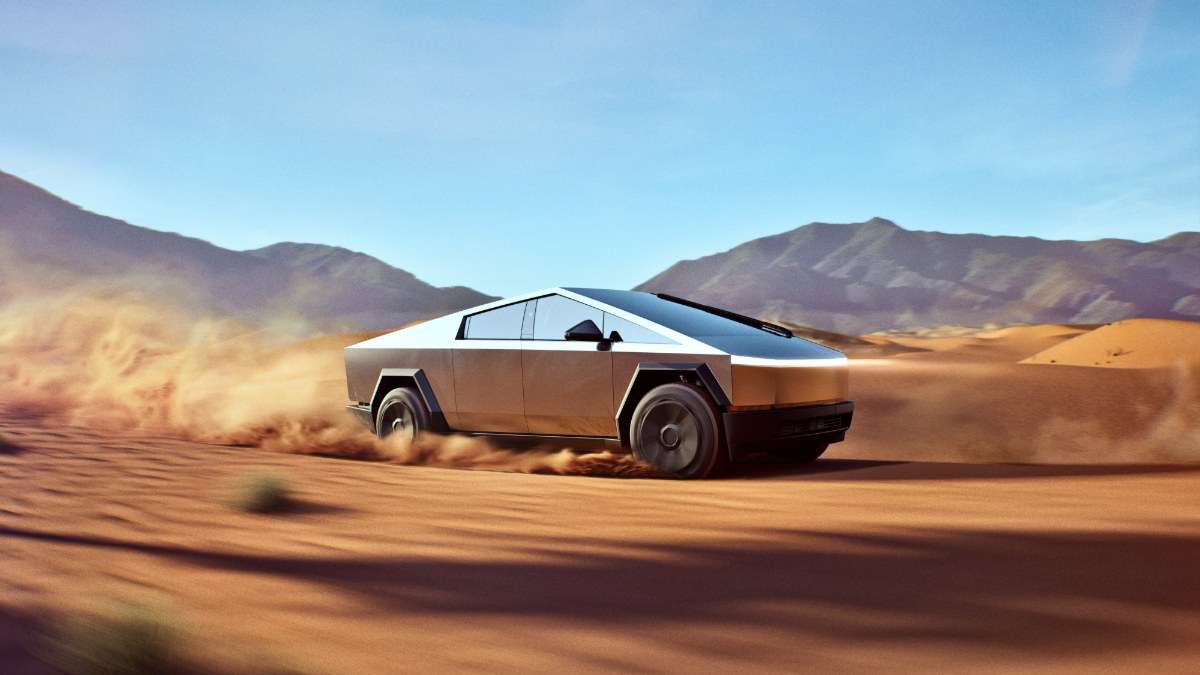

You can almost set your watch by it. Every news cycle brings another burial ceremony for the Cybertruck. The obituaries are written with the kind of smug certainty that usually comes before a correction. Production targets missed, delivery numbers scrutinized, and the familiar chorus about panel alignment repeated as if nothing else about the truck exists. It is the kind of narrative that thrives in boardrooms and comment sections but rarely holds up when you talk to the people actually driving the thing. Out in the real world, the story looks very different.
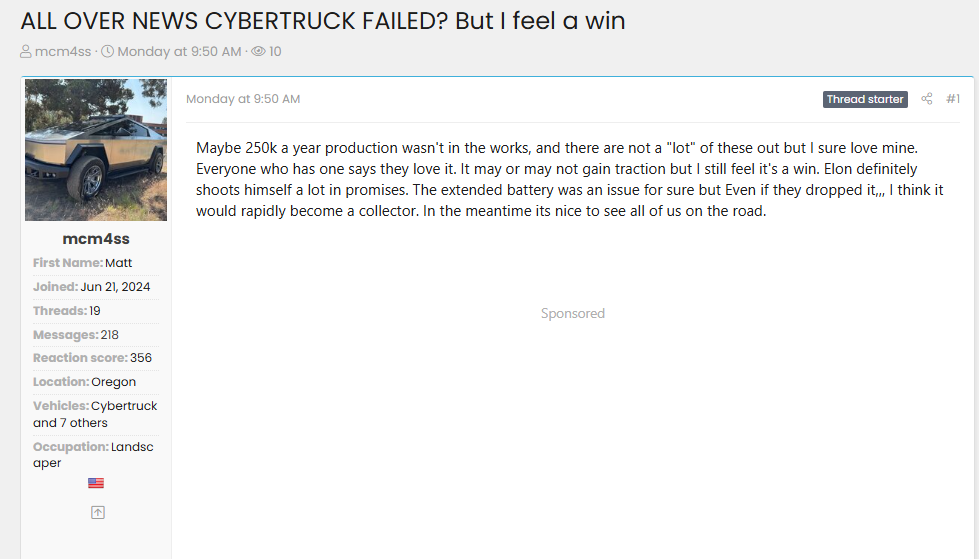
One of those real-world voices, an Oregon owner named Matt, recently summed up the counterargument with the blunt clarity that forum posts are famous for. His now widely shared comment reads:
“Maybe 250k a year production wasn't in the works, and there are not a lot of these out, but I sure love mine. Everyone who has one says they love it. It may or may not gain traction, but I still feel it's a win. Elon definitely shoots himself a lot in promises. The extended battery was an issue for sure, but even if they dropped it, I think it would rapidly become a collector. In the meantime, it's nice to see all of us on the road.”
If you browse enough Cybertruck discussions, you start to notice a pattern. The owners acknowledge flaws without flinching. Some trucks make a strange harmonic above thirty. Others show adhesive where you would not expect it. A seat might click during a left turn. These quirks do not push owners away. They seem to create a sense of camaraderie. Some people call it coping. Others would call it the beginning of a culture. Every singular vehicle that later became collectible had this early period of confusion and fascination. You cannot engineer that into existence. It has to happen naturally.
Tesla Cybertruck: Is Range Anxiety Still a Thing?
- The Cybertruck doesn’t just look different; it behaves differently. That stainless-steel exoskeleton changes the entire feel of the vehicle, road noise, the way impacts are absorbed, and even how sunlight reflects off the body; it's more like piloting a prototype than a traditional pickup.
- Range anxiety hits differently when you’re climbing into a truck shaped like a sci-fi tank. Between its big battery options and surprisingly slippery aerodynamics, the Cybertruck feels more prepared for long-haul travel than some EVs that weigh half as much.
- Inside, the pared-back cabin is almost disorienting at first: no chrome, no clutter, no nostalgia. But once you settle in, the huge glass expanse and simplified controls make the truck feel less like a work tool and more like a rolling high-tech studio.
- The rear-wheel steering and variable suspension give the Cybertruck a weird superpower: it shrinks around you. U-turns and tight parking lots are easier than they have any right to be in something shaped like a giant metal wedge.
There is also the undeniable fact that the Cybertruck draws a reaction wherever it goes. Children freeze in place when they see one. Drivers crane their necks. Pedestrians stop mid-step. Show me another modern production vehicle that can still do that. Most trucks today look like variations of the same clay model. They are competent and forgettable, and many consumers prefer it that way. The Cybertruck rejects that philosophy entirely. Whether you admire it or not, you cannot pretend it blends into anything.
That is the environment in which the collector idea starts to make sense. History is filled with vehicles that stumbled commercially, then thrived culturally. The DeLorean is the obvious example. It failed every expectation except the one that mattered most, which was becoming unforgettable. The Cybertruck shares that same quality. It is a bold shape tied to a bold era of Tesla decision-making. If production never scales to the originally promised heights, scarcity does not erase the truck from the story. It doubles its footprint.
Owners on the forum are already thinking in those terms, although not always with enthusiasm. One contributor, posting under the name Gigahorse, explained that he hopes it never becomes a rare collector's item because rarity complicates ownership. He wants to drive his truck daily, rack up miles, and avoid the headaches that come with limited parts availability. He even hopes production increases to the point that he must look twice in a crowded parking lot to find his own. Practical. Honest. A reminder that some people buy a truck because they need one, not because they want to curate an investment piece.
Others enjoy the fact that sightings remain infrequent. One owner noted that a week can go by without seeing another Cybertruck, and he likes it that way. It is a rare thing today to drive something that makes people stop and think. That experience used to be common in the early years of automotive innovation. Now it is nearly extinct. The Cybertruck revived it without apology. Some owners treasure that more than the specifications.
Then there are the detail-oriented members who provide the technical counterweight. They seize on the truck’s range, efficiency, and performance figures as proof that it is not some novelty item for attention seekers. They view it as a serious machine with real engineering merit. One even described the negotiation required to get his wife on board with the design, which is the ultimate sign of a car that demands strong opinions. A design that initially divides can age into something iconic. Many of the most beloved shapes in automotive history followed that arc.
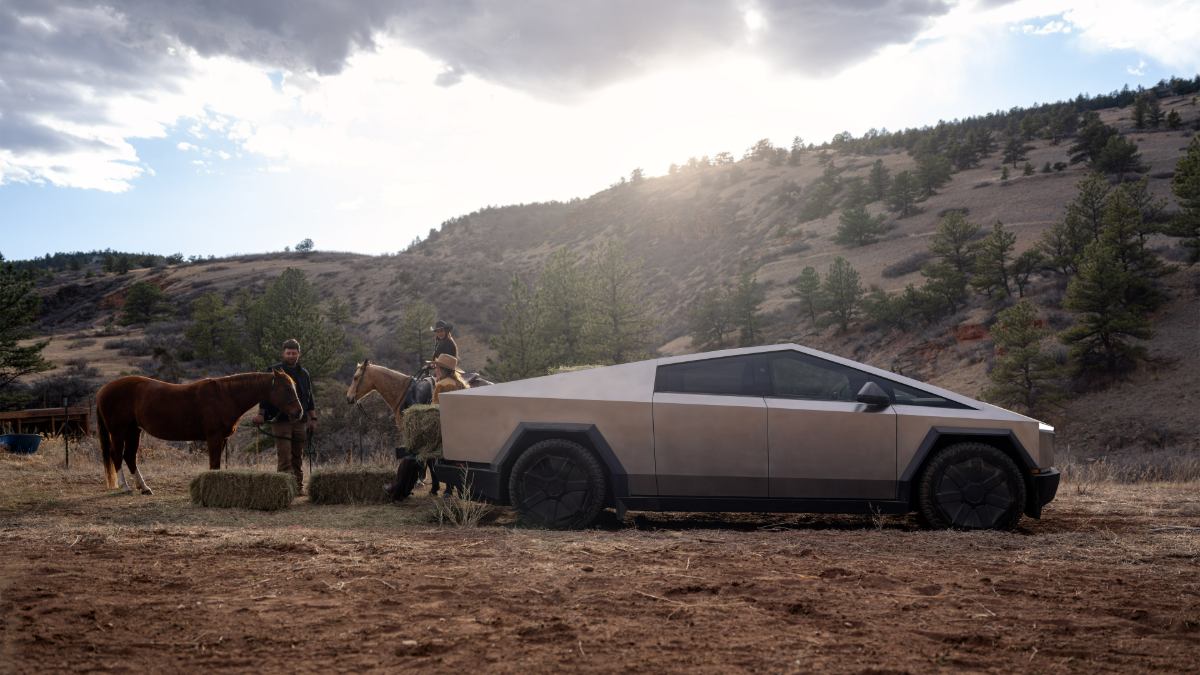
Step back and take in all of it, and the Oregon owner’s prediction becomes more convincing. A future collectible is not defined by perfection. It is defined by significance. The Cybertruck represents a moment when the American truck stepped into a radically different chapter. It embodies risk. It carries a story. It looks like it arrived fully formed from a future that has not caught up yet. Whether one loves it or questions it, the truck commands attention in a way that normal production vehicles simply cannot duplicate.
Tesla may never reach the production numbers some analysts expected. The rollout may always carry the scars of early hiccups. None of that undermines the core reality that owners keep repeating. They enjoy the truck. They trust their own experience more than the commentary. That confidence forms the foundation of every future classic. It begins with people who see value long before the market agrees.
If that pattern holds, the day may come when collectors search for early Cybertruck builds with low miles and original finishes, and the same truck that today fuels online debates will become a cherished marker of a design revolution. You do not have to believe that prediction. You only have to acknowledge that the ingredients are already on the table. The Oregon landscaper might be ahead of the crowd. Time will decide whether he is merely optimistic or quietly correct.
Image Sources: Tesla Media Center
Noah Washington is an automotive journalist based in Atlanta, Georgia. He enjoys covering the latest news in the automotive industry and conducting reviews on the latest cars. He has been in the automotive industry since 15 years old and has been featured in prominent automotive news sites. You can reach him on X and LinkedIn for tips and to follow his automotive coverage.
Set Torque News as Preferred Source on Google
Follow us today...