
If owners are reporting that Cybertruck edges are sharp enough to slice fingers, is this futuristic design flaw a potential major lawsuit waiting to happen?
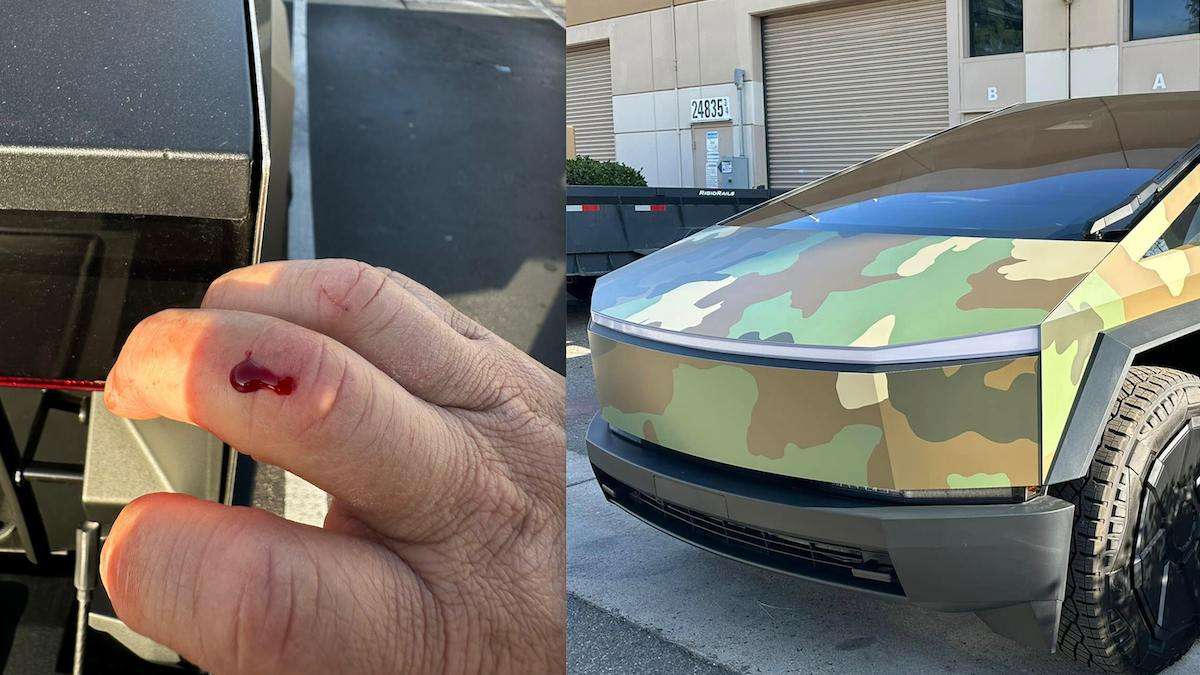
The futuristic, angular design of the Tesla Cybertruck is turning out to have a serious drawback, according to some owners. I found Greg Gastelum's post in the popular "Cybertruck Owners Only" Facebook group, which issued a stark warning to Tesla, claiming the vehicle's metal edges are dangerously sharp. Gastelum reported receiving "slices on both fingers" from contact with the truck and emphasized the dire consequences if a child were to be cut, stating, "If my kid cuts himself, we're going to have big problems, TRUST me." This testimony immediately raises pressing questions about the vehicle's build quality and occupant safety.
Cybertruck's Razor-Sharp Edges: A Safety Crisis and Call for Immediate Action
I've spent decades analyzing the automotive industry, watching how design, manufacturing, and consumer safety intersect. When a new vehicle launches, particularly one as radical as the Tesla Cybertruck, we expect initial quality control issues. This is normal. What is not normal—and what has truly alarmed me in recent days—is the growing number of owners reporting that the Cybertruck's signature stainless steel body panels are, quite frankly, razor-sharp.
The immediate prompt for this investigation comes from a disturbing post by owner Greg Gastelum, as he doesn't hold any punches.
He wrote, "Tesla really needs to do something about these damn edges!!! Slices on both fingers if my kid cuts himself, we're going to have big problems TRUST me."
This isn't a complaint about poor panel gaps or software bugs; this is a clear, unambiguous warning about a severe physical hazard. This goes beyond mere inconvenience and enters the realm of serious safety liability, particularly given expert analysis of Cybertruck safety hazards for children.
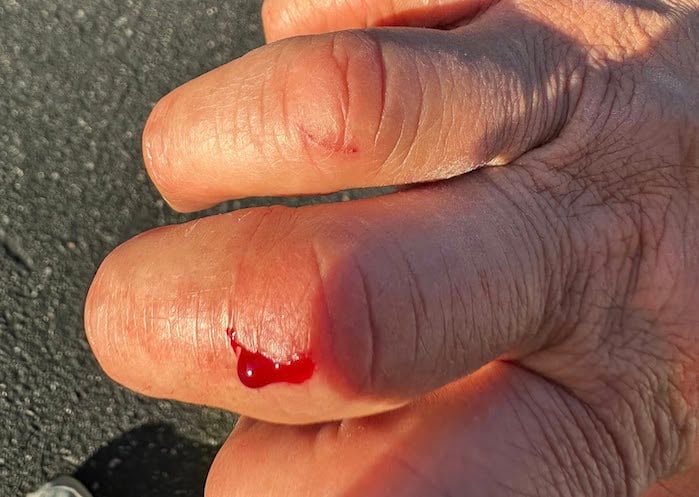
We have seen manufacturers deal with persistent issues before—for example, the ongoing saga surrounding the long-term reliability of infotainment systems and persistent glitches, which I covered in my report, "Tesla Tried To Give Me Someone's Cybertruck Reject With 4 Major Flaws, So I Turned It Down, Then They Quickly Switched It For A Different Truck With No Issues" Those issues were frustrating; this one is potentially catastrophic.
This safety concern stems from understanding the Cybertruck's exoskeletal design challenges. Tesla chose a raw, unfinished look for their Ultra-Hard 30X Cold-Rolled Stainless Steel, rejecting traditional stamping and paint processes. While this makes the truck incredibly resilient, it also introduces a manufacturing paradox: achieving perfect, rolled, or safety-finished edges on thick, tough steel is exponentially harder than on conventional sheet metal.
Even minor issues can become painful, as we saw with reports of easily damaged accessories, which I highlighted in my piece on owner advisories: "Tesla Cybertruck Owner Warns, 'If You Go To Tesla Service For a Tire Rotation, Take Your Wheel Covers Off and Leave Them At Home, They Broke Two Of Mine'."
That was a repair bill; this is a hospital trip.
We need to address this problem head-on. The fundamental issue is that a vehicle must adhere to basic ergonomic and safety standards, ensuring that routine interactions—like reaching into the bed, closing a door, or even washing the truck—do not result in injury. The sheer density of owner complaints confirms this is not an isolated incident but a systematic flaw in the finishing process of the Cybertruck's stainless steel body panel edges, a safety risk.
It's tempting for some owners to dismiss these injuries as "battle scars," and, in some cases, the emotional connection and desire for attention can outweigh practicality. I've previously noted this interesting dynamic in my article, "My Tesla Cybertruck Just Drove Itself Back To the Dealer Because of the Heavy Debt I Owe, Come Back, Cybertruck".
However, brand loyalty cannot supersede fundamental safety. When we talk about Tesla Cybertruck build quality, fit, and finish inspection, we are talking about consumer protection, a commitment I've held firmly throughout my career, even when questioning other top manufacturers' choices.
While I've previously discussed my own disappointments with manufacturing issues, such as in my analysis: "I Waited 3 Years For My Tesla Cybertruck, After One Year, The Pros, Just About Everything On the Truck, Cons, Wiper Washer Smears, and the Cover Leaks." However, this situation with the Cybertruck is on an entirely different level because it involves laceration hazards.
The long-term implications of Cybertruck manufacturing defects, such as sharp edges, are severe. They include increased warranty claims, potential class-action lawsuits, and, most importantly, the erosion of public trust in Tesla's ability to balance innovation with responsibility. Tesla must act decisively.
Recommendations:
I see several steps Tesla must take to fix Cybertruck edges immediately:
- Stop-Ship/Hold: Pause new deliveries until a proper finishing process is implemented at the factory.
- Service Bulletin and Recall: Issue an immediate service bulletin (or voluntary recall) to all existing owners to inspect and deburr key contact points (frunk, doors, bed edges). This should be a free, mandatory service.
- Proactive Solution Kit: For owners unable to immediately visit service centers, Tesla should supply a high-quality, pre-cut, durable polymer or rubber edge-guard kit designed to mitigate the sharpest corners. This is a temporary fix, but a vital step in mitigating liability.
What Owners Are Saying
The concern expressed by Greg Gastelum is echoed across nearly every major automotive community platform:
Social Media/Forums (Representing YouTube sentiment): Owner "CyberWade" reported an extreme injury: "I parked on an incline, exited the truck, and as I was closing the door, I managed to clip the very corner of the door against my leg... When I got home, the wife said I needed to go get stitches, so I did."
(Source: The Autopian, referencing owner forum reports) "I slashed my leg on my Cybertruck, but I still love my truck."
Reddit: User "BeskarHunter" highlighted the issue during maintenance: "I'm sorry, but you should not be getting any injury washing a car. Like lots of car stuff can injure you, in fact, it can even kill you if a car falls on you, but washing should always be safe."
Q&A/Discussion (Representing "Quora" sentiment): One anonymous owner, questioning the approval process despite their loyalty, stated: "I don't know how Tesla got the truck approved with all the sharp edges? Still love my Cybertruck, though. I call them Tesla battle scars."
Key Takeaways
- Immediate Danger: The Cybertruck's raw stainless steel edges pose a serious laceration risk, confirmed by multiple owner injuries, including deep cuts requiring stitches.
- Liability Alert: The hazard is especially critical around children and raises serious liability concerns beyond typical vehicle quality-control issues.
- Tesla Must Intervene: The only acceptable solution is for Tesla to issue a service bulletin or voluntary recall to have all critical edges professionally deburred and safety-finished on delivered vehicles.
- Innovation vs. Safety: Tesla must demonstrate that its radical design choices do not compromise fundamental occupant and pedestrian safety standards. This is the challenge that defines the Cybertruck's future.
Conclusion
The evidence is clear and painful: the Cybertruck's sharp edges represent a grave failure in final manufacturing fit and finish, jeopardizing consumer safety. Tesla must stop relying on owners to find aftermarket solutions or accept these injuries as "battle scars," and instead initiate a prompt, professional service campaign to resolve this physical hazard before a minor cut escalates into a major regulatory intervention or, worse, a devastating injury to a child.
Tell Us What You Think:
Should Tesla issue an immediate stop-sale and mandatory recall to fix these dangerous edges, or should owners be responsible for mitigating the sharpness of the stainless steel themselves? Let us know in the red Add New Comment link below.
I'm Denis Flierl, a Senior Torque News Reporter since 2012, bringing over 30 years of automotive expertise to every story. My career began with a consulting role for every major car brand, followed by years as a freelance journalist test-driving new vehicles—equipping me with a wealth of insider knowledge. I specialize in delivering the latest auto news, sharing compelling owner stories, and providing expert, up-to-date analysis to keep you fully informed.
Follow me on X @DenisFlierl, @WorldsCoolestRides, Facebook, and Instagram
Photo credit: Denis Flierl via Greg Gastelum
Set Torque News as Preferred Source on Google
Follow us today...