
A new Cybertruck owner's surprise delivery. He found four significant flaws and got an all-new truck instantly. Did Tesla try to offload a return? Read Karl's story.
Karl Safranon, on the Tesla Cybertruck Owners Only Facebook page, says,
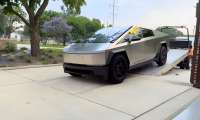
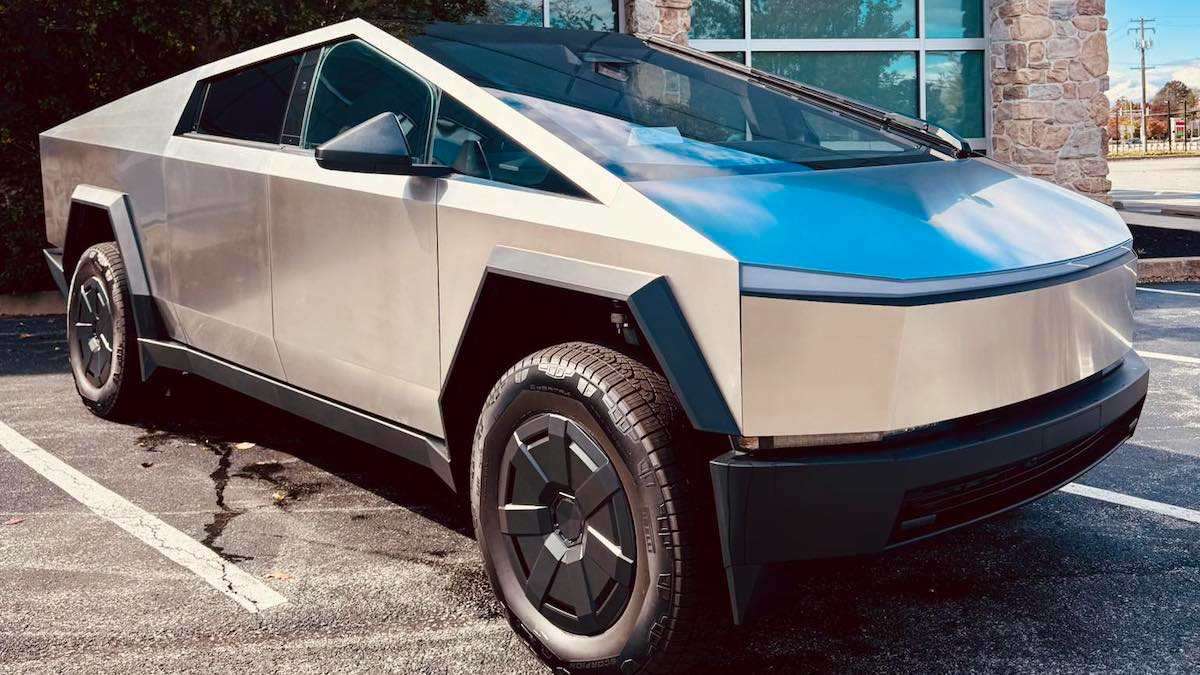
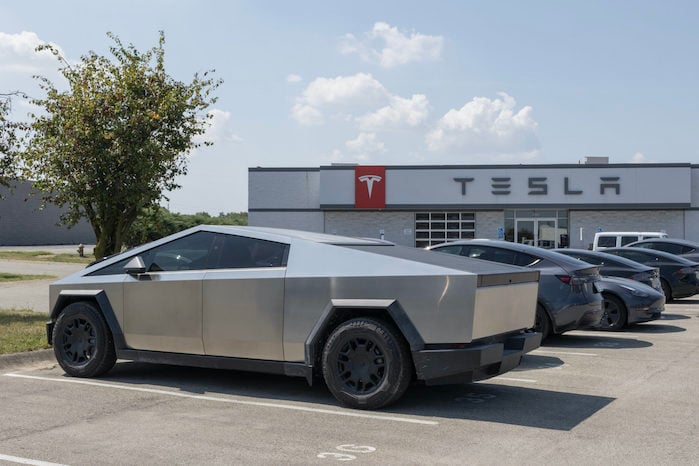
"My 1st Cybertruck. The experience was great, even with a few hiccups. I picked it up in West Chester, Pa. I arrived and was greeted by a very friendly staff. After looking over the truck before accepting, I found a few issues.
- The frunk would not close properly.
- A 6-inch scratch on the back bumper.
- Discoloration on one of the plastic wheel wells.
- Lastly, one of the rivets was showing on the front above the bumper, which looked like a dent.
"I told the staff about the problems. Pretty minor in the big picture, but after they confirmed the issues, the staff came out and brought me an entirely new Cybertruck to look over, which looked good, and I did accept, and they detailed it for me, and off I went."
"So, I'm wondering if they were trying to get rid of a truck that someone else had already turned down?"
Tesla's Delivery Day Dynamics and Quality Control for New Owners
Karl Safranon's experience picking up his first Cybertruck in West Chester, PA, is a perfect encapsulation of the current landscape. He arrived, found friendly staff, but quickly identified four specific flaws. I want to break these down because they speak volumes about the manufacturing hurdles Tesla is still clearing with the exoskeleton design.
The issues Karl found were:
The Frunk Failure: A frunk that "would not close properly." This is more than just an inconvenience; it points directly to poor panel alignment, a recurring theme we've covered extensively. The frunk requires precise closure for proper aerodynamics and sealing. When the closure mechanism or the panel itself is misaligned, it compromises the entire front fascia.
If you're struggling with this, refer back to my piece on the related trim issues, "I Took My Cybertruck In For a Few Minor Trim Issues, Tesla Was Supposed To Fix the Beauty Cover, But It's Still Loose, I Guess This Is Acceptable To Tesla?" as the underlying problem is often structural rigidity and inconsistent tolerances.
- The Stainless Steel Scratch: A six-inch scratch on the back bumper. This highlights a unique challenge with the Cybertruck's 30X cold-rolled stainless steel. While the material is inherently tough against dents, it's highly susceptible to surface abrasions and scratches, which are difficult, time-consuming, and expensive to buff out completely without specialized equipment. Unlike paint, which can be repaired locally, a scratch on the stainless exoskeleton is a structural aesthetic flaw that demands rigorous attention during final assembly.
- Plastic Discoloration: Discoloration on one of the plastic wheel wells. This is a standard trim issue seen across the industry, but unacceptable on a new, high-value vehicle. It suggests either poor material quality, inadequate pre-delivery cleaning, or chemical exposure during transit.
- The Rivet/Dent: A visible rivet above the front bumper that "looked like a dent." This speaks to the inconsistent application of high-tensile steel sheets and the difficulty in achieving a perfect fit. What Karl saw was likely a stress point or slight warping from the riveting process, leading to the highly reflective steel surface distorting light and mimicking a dent.
All these observations, taken together, contribute to the growing narrative of Cybertruck quality control issues on delivery day. They are minor individually, as Karl notes. Still, collectively they tell a story of a fast-paced production line where final QC checks are not yet matching customer expectations for a vehicle in this price class.
The Switcheroo: Addressing the Core Question
Karl's major question—"I'm wondering if they were trying to get rid of a truck that someone else had already turned down?"—is the million-dollar question every rejected delivery prompts. Yes, it is highly probable.
Owners must understand whether Tesla is delivering previously rejected Cybertruck units to new owners. The answer is almost certainly yes, but not necessarily maliciously. When a customer refuses a vehicle, Tesla's protocol is to assign the VIN (Vehicle Identification Number) to the next available match in the queue.
At the same time, the rejected unit is immediately pushed into the Service Center for remediation. The goal is to fix the minor flaws (like Karl's frunk or scratch) as quickly as possible and get that truck—which already consumed raw materials and assembly time—back into circulation.
For Karl, the speed with which the West Chester staff produced an "entirely new Cybertruck" strongly suggests that the second truck was most likely a unit that had just completed its service remediation from a prior customer rejection.
This rapid replacement is a double-edged sword: it's fantastic customer service that saves the buyer hassle, but it fuels the community's suspicion about understanding the Tesla Cybertruck VIN assignment process and whether they are truly getting a "fresh" build.
The takeaway here is that you, the buyer, hold the leverage until you hit the "Accept Delivery" button in the app. Karl used that leverage perfectly.
Your Pre-Delivery Checklist
To help buyers avoid playing the "switcheroo" game, I've compiled the absolute, non-negotiable checklist for the day you receive your VIN. These are the practical takeaways that add real value and save you headaches down the road.
What to look for during Tesla Cybertruck pre-delivery inspection (PDI):
- The Frunk and Doors: Do not accept the vehicle until you have opened and closed the frunk and all four doors multiple times. If your experience mirrors Karl's —where My Cybertruck frunk will not close properly —a common fix is needed: the delivery staff should immediately agree to fix the mechanism or, ideally, offer a replacement. Look for consistent gaps (even if they are large, they must be uniform) and smooth operation without sticking or excessive force.
- The Stainless Finish: Bring a microfiber cloth and look for non-uniform surface areas. Minor swirls are unavoidable, but any deep scratches (like Karl's six-inch flaw) or noticeable material discoloration require immediate documentation. Inspect the triangular sail pillars and the cantrail trim for proper adhesion. We've seen reports of the trim detaching, underscoring the importance of addressing fit-and-finish problems with the stainless steel Cybertruck exterior right on day one.
- Suspension and Alignment: Ensure the vehicle is resting level. Walk ten feet away and eyeball the alignment of the wheels and body panels. Slight wavy metal is often inherent to the material, but dramatic misalignments or deep blemishes are not "within spec."
- Documentation is King: If you accept the car with minor flaws, get every single issue documented in writing before you drive away. Accepting a vehicle and then submitting service tickets later complicates liability and can lead to frustrating delays, adding to the actual cost of Cybertruck service center repairs and downtime.
What the Community is Saying
This is where Karl's experience resonates. The community is dealing with a learning curve as unique as the truck itself. The sentiment is a mix of frustration over quality issues and amazement at the truck's performance.
The common theme is that while the service staff often wants to help (as Karl experienced when they brought out a new truck), the early production quality requires the Service Centers to do too much pre-emptive repair work. This reliance on the Service Center is the single biggest point of friction in the early ownership experience.
Conclusion and Your Next Step
Karl handled the situation perfectly by sticking to your standards and rejecting the flawed unit on the spot. The proactive inspection will save you the actual cost of Cybertruck service center repairs and downtime associated with chasing those four initial flaws later. Karl forced the issue and received a clean replacement—a win for any buyer.
The Cybertruck is unlike any vehicle ever produced, but paying a premium price demands premium quality. Be thorough, be patient, and never feel pressured to accept a vehicle that doesn't meet your expectations. Use Karl's story as your personal checklist guide.
Now, It's Your Turn
If you've taken delivery of a Cybertruck, what was the most surprising flaw you found during your pre-delivery inspection, and did you accept the vehicle or reject it? If so, click the red Add New Comment link below and let us know.
I'm Denis Flierl, a Senior Torque News Reporter since 2012, bringing over 30 years of automotive expertise to every story. My career began with a consulting role for every major car brand, followed by years as a freelance journalist test-driving new vehicles—equipping me with a wealth of insider knowledge. I specialize in delivering the latest auto news, sharing compelling owner stories, and providing expert, up-to-date analysis to keep you fully informed.
Follow me on X @DenisFlierl, @WorldsCoolestRides, Facebook, and Instagram
Photo credit: Denis Flierl via Karl Safranon
Set Torque News as Preferred Source on Google
Follow us today...