
Key Takeaways:
- Model 3 Vulnerability: The Model 3 Performance's low ground clearance makes it highly susceptible to costly damage to the battery and coolant lines from common road debris.
- Cybertruck Armor: While the Cybertruck boasts a tough exoskeleton, owners question if the standard underbody protection is sufficient without the optional "Armor Package.”
Discover why a shocking $17,000 repair bill forced this Tesla owner to abandon his Model 3 for a Cybertruck, and the critical question he’s now asking about the truck’s hidden vulnerability.
When you drive a performance vehicle with low ground clearance, the road is not just a surface; it is a potential minefield. I often advise owners that while electric cars offer incredible drivetrain durability, their Achilles' heel remains the battery packs. A single piece of road debris can turn a routine commute into a five-figure financial disaster. This reality is driving some sedan owners toward the rugged promise of the Cybertruck.
The following account comes from a Tesla owner, Christopher John, who recently shared his traumatic experience with his Model 3 Performance. He explains exactly why he abandoned the low-slung sedan for Tesla's stainless steel truck.
Christopher on the Cybertruck Owners Only Facebook page says,
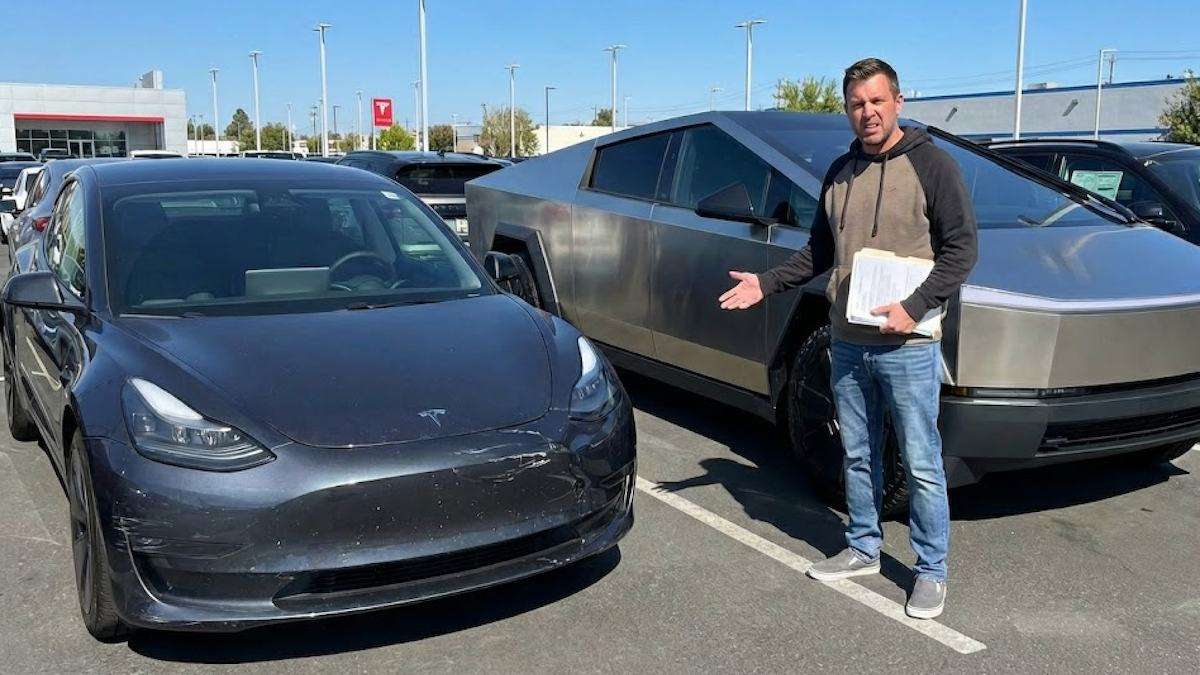
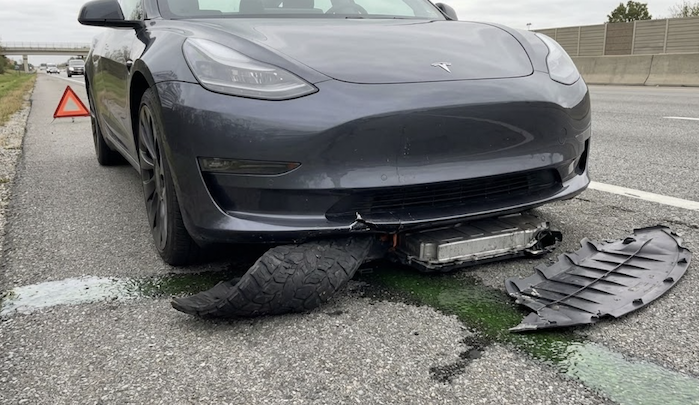
“Has anyone ever damaged their battery pack on the Cybertruck from road debris, objects, or off-roading? Just curious how tough it actually is and if I need to buy the Tesla armor package when it becomes available. I ask because a semi truck’s retread tire took out my battery, coolant lines, aero shield and damaged bumper, etc., in my 2023 Tesla M Model 3P. That was $17k in damage! Then I was on a two lane road with oncoming traffic near construction and hit a big ass rock that damaged the car again (hole/leaking coolant). The Model 3 Performance sits too low and won’t clear debris and potholes after winter salt eats through wheels and tires. I got sick of it; it’s too fragile, so I got fed up and bought a new 2025 Tesla Cybertruck AWD!”
My Analysis
Christopher’s story highlights a critical anxiety shared by many EV owners: the fragility of the battery pack when exposed to real-world road hazards. The transition from a Model 3 Performance to a Cybertruck is not just a change in vehicle preference; it is a defensive maneuver. After facing a $17,000 repair bill, a cost that totals a significant percentage of the car's value, the psychological toll of driving a low-clearance vehicle becomes undeniable. Christopher is seeking peace of mind, banking on the Cybertruck’s visual promise of invincibility to protect his wallet from future debris.
In the same discussion thread, other owners are echoing similar concerns, validating Christopher’s fears. Several users pointed out that while the Cybertruck looks impenetrable, the battery remains under the vehicle, where it is still theoretically vulnerable to "spearing" by objects if not properly shielded. The consensus among the community is that while the truck is tougher, physics still applies, and a heavy impact on the undercarriage can still be catastrophic without additional protection.
Why The Cybertruck Can Withstand the Road Trauma
- Maximum Durability: The vehicle was designed with an ultra-hard 30X cold-rolled stainless steel exoskeleton to resist dents, damage, and long-term corrosion.
- High Ground Clearance: With an adjustable air suspension offering up to 17 inches of clearance, it is engineered to clear obstacles that would destroy a standard sedan.
- Off-Road Capability: It was built to handle rugged terrain, implying that its underbody should be robust enough to withstand rocks and uneven surfaces.
- Protection: The design philosophy prioritizes occupant and component safety through a "shell" construction that moves stress to the outside skin.
The Battery Vulnerability Question
Despite the Cybertruck's rugged exterior, Christopher’s question about the "Armor Package" is incredibly astute. The standard Cybertruck comes with sturdy underbody plates, but they are not the military-grade protection some owners might assume they are getting based on the vehicle's aesthetic. The battery is the most expensive component of the vehicle, and as Christopher learned with his Model 3, it only takes one unlucky hit to puncture a coolant line or the pack itself.
Another member of the thread, Michael T., noted his own issues, stating that he is "waiting for the official Tesla armor retrofit before doing any serious off-roading," citing that he had seen aftermarket teardowns suggesting the stock skid plates might deform under the weight of the truck if it lands hard on a sharp rock. This reinforces the idea that for serious peace of mind, especially for someone with Christopher's history of bad luck, the upgrade is likely necessary.
Is the Cybertruck "Bulletproof"?
The Cybertruck is often marketed as "apocalypse-proof," but owners must distinguish between the stainless steel body panels and the underbody components. The body panels can indeed withstand a sledgehammer blow without denting, which addresses issues with shopping carts and minor scrapes. However, road debris, such as the semi-truck retread that Christopher hit, acts differently. It attacks the vehicle from below, bypassing the exoskeleton entirely.
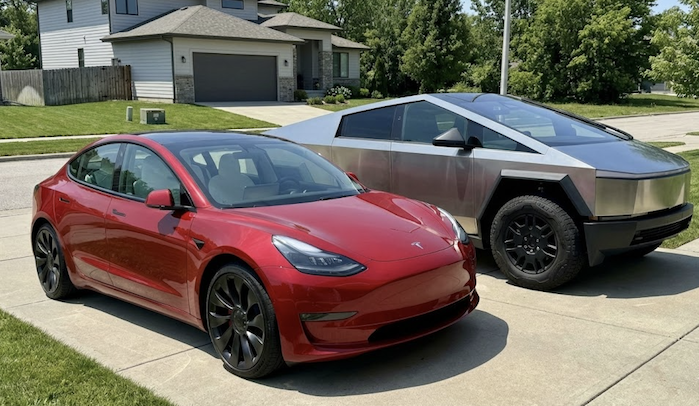
For an owner coming from a Model 3 Performance, the Cybertruck offers an immediate advantage simply because of its height. The sheer ground clearance means that most road debris, tire carcasses, mufflers, and rocks, will pass harmlessly underneath the battery rather than impacting it. This geometric advantage is the primary defense. However, for "big ass rocks" like the second object Christopher hit, the risk remains if the suspension is set to a standard ride height during highway driving.
Tesla Cybertruck Owner Says, “I Never Imagined the Hate People Have For the Cybertruck Would Be This Intense. In My Model Y, I Went Completely Unnoticed”
Ultimately, Christopher’s move to the Cybertruck is the right call for his environment. The Model 3 Performance is a track-capable weapon, but it is ill-suited for roads crumbling under winter salt or littered with construction debris.
The Cybertruck changes the equation. It allows the driver to see obstacles sooner and clear them more easily. If Christopher invests in the forthcoming armor package, he effectively closes the loop on his anxiety, turning his vehicle into the tank he clearly needs for his daily commute.
Next Up: Check out my related story where another owner describes the unique psychology of driving the Cybertruck. It’s not just about durability; it’s about the attitude the truck projects on the road. Tesla Cybertruck Owner Says, "I Don't Just Drive, I Deploy, Because This Isn't Just a Truck, It's a Statement"
Click the red link below to write your comment and join the community in sharing experiences.
With over 30 years of industry experience, Denis Flierl brings an insider’s perspective to Torque News, where he has been a Senior Reporter since 2012. Before picking up the pen, Denis consulted for the automotive industry's biggest brands and honed his skills as a test driver. He cuts through the noise to deliver the latest auto news, compelling owner stories, and the expert analysis necessary to navigate today's changing automotive market.
Have a tip or question? Follow me on X @DenisFlierl and @WorldsCoolestRides, or connect with me on Facebook, Instagram, and LinkedIn.
Photo credit: Denis Flierl
Set Torque News as Preferred Source on Google
Follow us today...