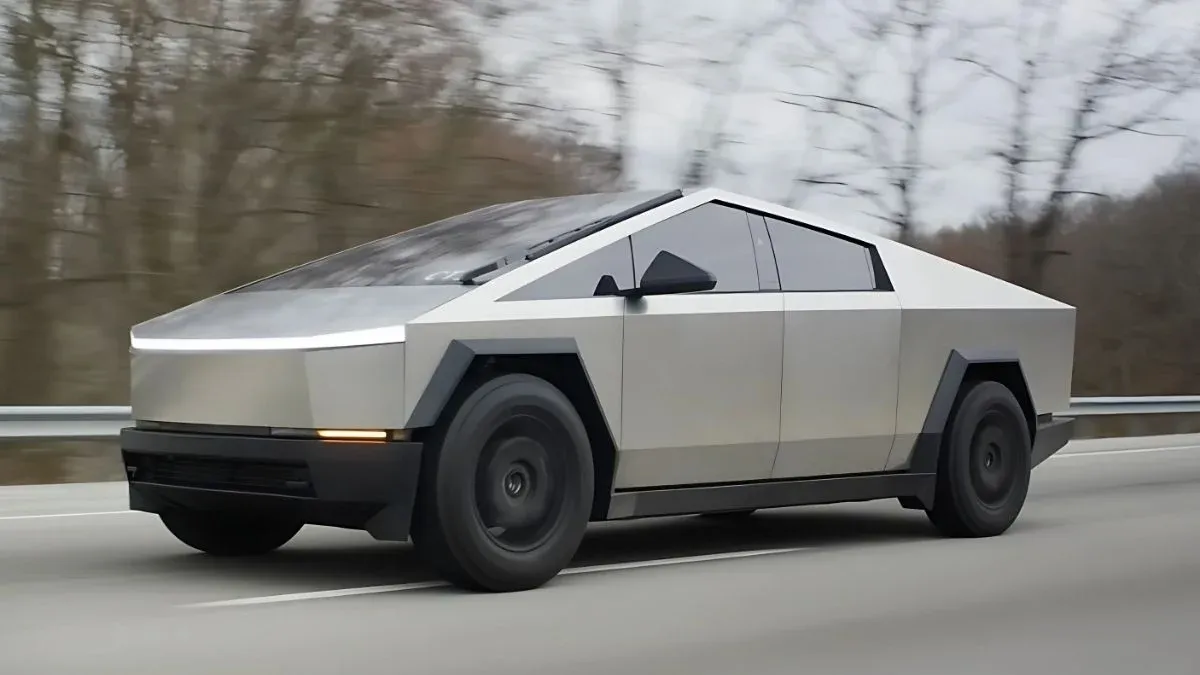

There is a strange moment that happens with new vehicles, especially ones that promise to redefine what a truck even is. The excitement fades just enough for reality to sneak in. Not as a loud failure, but as a quiet ache. Today, while scrolling through the Tesla Cybertruck Owners group on Facebook, I ran into one of those moments in written form. A simple post. Calm. Thoughtful. And yet deeply unsettling for anyone who believes progress always feels better on the body.
This was not a rant. It was not an attack on Tesla. It was a driver noticing something unexpected and asking a question many people are afraid to ask after spending real money. What if the upgrade comes with discomfort you did not have before.
“I recently switched from a Tesla Model Y to a Cybertruck. I really like the vehicle overall, but I’m finding the seats a bit uncomfortable. I’ve started experiencing some lumbar pain that I didn’t have in the Model Y, and it becomes noticeable after driving the Cybertruck for a while. Is there anything that can be done to make the seats more comfortable?”
That was Jerry S, posting openly and honestly. And in that one paragraph, he challenged a core assumption of modern automotive thinking. That newer, bolder, and more radical automatically means better for the human sitting inside.
Why Cybertruck Seat Comfort Is Becoming a Real Owner Conversation
Seat comfort rarely gets the spotlight it deserves. We talk about range anxiety, charging speed, and software bugs, but we live in the seat. Lumbar pain changes everything. It shortens trips. It creates tension. It turns a surprisingly pleasant drive into something you want to escape as soon as possible.
Jerry’s experience matters because many Cybertruck buyers come from the Model Y expecting an across the board improvement. More space. More presence. More capability. What they may not expect is that the seat, the one thing that touches you the entire time, could feel unlikeable after an hour on the road.
And this is not the first time owners have quietly raised questions about Cybertruck seating. Torque News previously explored how Cybertruck seats feel after extended real world use, not just a test drive. In that piece, an owner reflected on comfort after spending real time in a Foundation Series loaner, discovering that first impressions do not always survive long drives. You can read that experience through this in depth owner story about living with Cybertruck seats beyond the honeymoon phase and why time behind the wheel changes perspective.
How extended real world driving reshaped one owner’s view of Cybertruck seat comfort
Model Y Seats Versus Cybertruck Seats and Why Bodies Disagree
What happened next in the Facebook thread is where things got fascinating. Brad Scott jumped in and wrote, “That’s very strange because I find the Cybertruck seats to be much more comfortable than the Model Y seats.” One sentence. Total contradiction. And that contradiction is the story.
Steve Su reinforced it. She wrote, “Same here, we had Model Y and Model 3. The Cybertruck is much better on my bad back. Maybe you just have to figure out the setting on the seat.” That comment quietly challenges the idea that discomfort always equals bad design. Sometimes it equals unfamiliar geometry.
But then Matthew pushed back hard. “I drive mine long distance and the way the seats are designed to be angular matching the Cybertruck’s aesthetic. Over 5 hours and I have sciatica. I've tried cushions and lumbar inserts. Model Y and X seats are softer and designed for butts not to look like the rest of the vehicle.” That is not a casual complaint. That is a design critique.
This is where the Cybertruck forces an uncomfortable question. When a vehicle leans heavily into visual identity, does the human body become secondary. The Cybertruck interior mirrors the exterior. Sharp. Architectural. Firm. For some drivers, that structure feels supportive. For others, it becomes a slow source of pain.
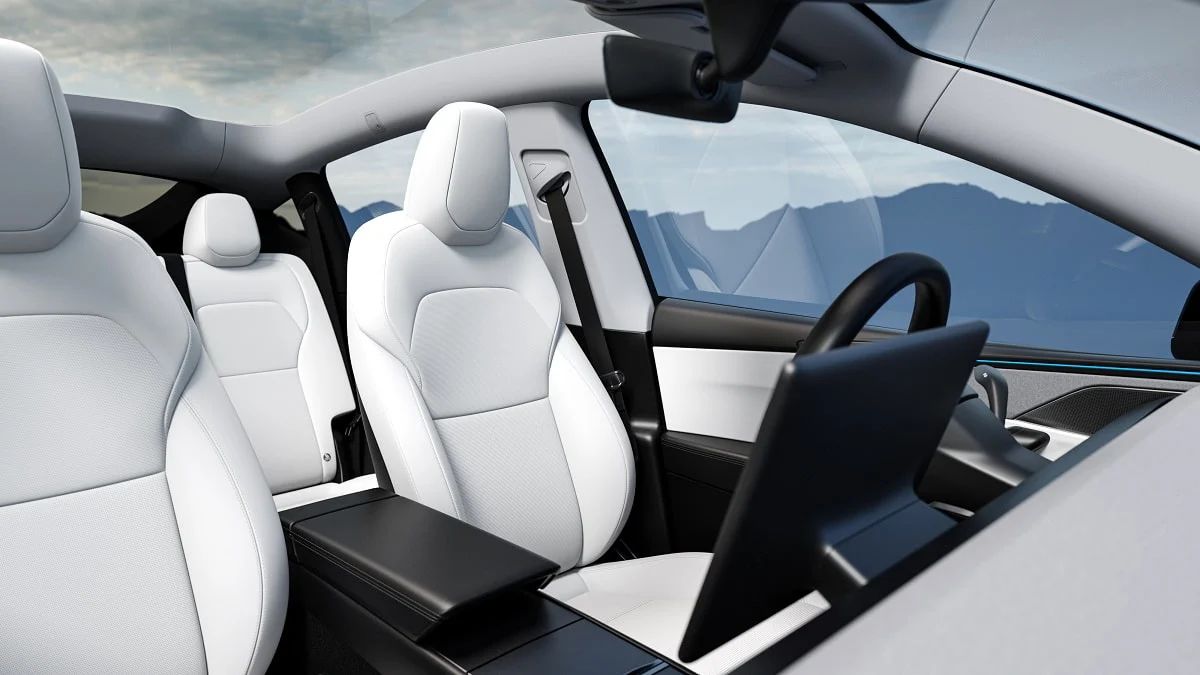
Will Wenus summed it up in a way that stuck with me. “Model Y seats give you hugs. Our seats are more firm. We have lumbar support though. I actually love the idea of swapping for white Model Y seats. They’re so soft.” A hug versus firmness. Comfort is not universal. It is personal.
How Cybertruck Owners Are Solving Lumbar Pain in Real Life
This is where the conversation shifted from complaint to problem solving. Jesse Rinks shared something quietly important. “Saw someone swap the seat cushion and cover with Model Y seats a couple months ago. Thought it was a great find.” That comment reveals a growing trend among EV owners. They are no longer waiting for automakers to adapt. They are adapting the vehicles themselves.
Cesar added a perspective that challenges the pain narrative without dismissing it. “I’ve found the Cybertruck to be the most comfortable, and I’ve owned all four S3XY models. My Model X is very comfortable as well, but the Cybertruck is my favorite. At 6’2”, the truck just feels more accommodating for bigger guys like me.” Height and body proportions matter more than we like to admit. A seat that feels restrictive to one driver may feel liberating to another.
Then there was Eric William, whose comment brought real gravity. “Same here. Had a MYP for two years while waiting for my Cybertruck. I had zero issues with those seats. IMO, the CT seats are not that comfortable. We also have a ‘17 MS and those seats are incredible. I had a spinal fusion years ago so I’m a bit more picky when it comes to lumbar support comfort.” When medical history enters the picture, comfort stops being a preference and starts being a requirement.
Many owners mentioned external lumbar supports and seat cushions. These products exist because standardized seats collide with individual spines. They fulfill a basic need for adaptability. The ethical question is worth asking. Should owners of premium vehicles need aftermarket solutions for daily comfort, or is customization the honest future of car ownership.
What Cybertruck Seat Discomfort Says About Modern Vehicle Design
Here is where I want to challenge accepted wisdom. Automakers often design seats around averages. Average height. Average weight. Average posture. But there is no average spine. The Cybertruck markets itself as a break from tradition, yet its seating philosophy may still rely on outdated assumptions about human bodies.
Comfort issues do not exist in isolation. They stack. Over time, small discomforts erode satisfaction, especially when combined with ownership stress. Torque News recently covered a Cybertruck owner dealing with costly failures after warranty coverage ended. While that story focused on reliability, it reinforces a broader truth. Ownership is cumulative. Every unchecked issue matters. That deeper context lives inside this revealing report about what happens when Cybertruck ownership moves past the excitement phase and real world consequences shape daily life.
What long term Cybertruck ownership looks like when real world problems replace early excitement
There is also a lesson hidden in Model Y ownership. Some owners have taken comfort into their own hands entirely. Torque News documented a case where a Model Y owner installed ventilated seats to better match personal comfort needs. That story is not about luxury. It is about agency. It shows how drivers are redefining what ownership means by reshaping the vehicle around their bodies. You can see that mindset clearly in this hands on account of rethinking Tesla seat comfort through real world modification rather than expectation.
How one Model Y owner reengineered daily comfort by changing the way Tesla seats interact with the body
The Bigger Lesson Hidden Inside Jerry’s Simple Question
The moral of this story is not that the Cybertruck seats are good or bad. It is that listening matters. Listening to your body. Listening to other owners. Listening even when the feedback challenges the story you want to believe.
Jerry’s post is valuable because it invites conversation instead of validation. It reminds us that progress is not only about strength, speed, or shock value. It is about care. Care for the people who live with these machines every day.
So let me ask you. If you switched from a Model Y to a Cybertruck, did your body respond in a way you did not expect, and how did you adapt over time. And do you believe automakers should prioritize adjustable human comfort over bold interior design, or is the responsibility now shifting toward owners to customize their experience. Share your personal experience in the comments section below.
Armen Hareyan is the founder and Editor-in-Chief of Torque News. He founded TorqueNews.com in 2010, which since then has been publishing expert news and analysis about the automotive industry. He can be reached at Torque News Twitter, Linkedin, and Youtube. He has more than a decade of expertise in the automotive industry with a special interest in Tesla and electric vehicles.
Set Torque News as Preferred Source on Google
Follow us today...