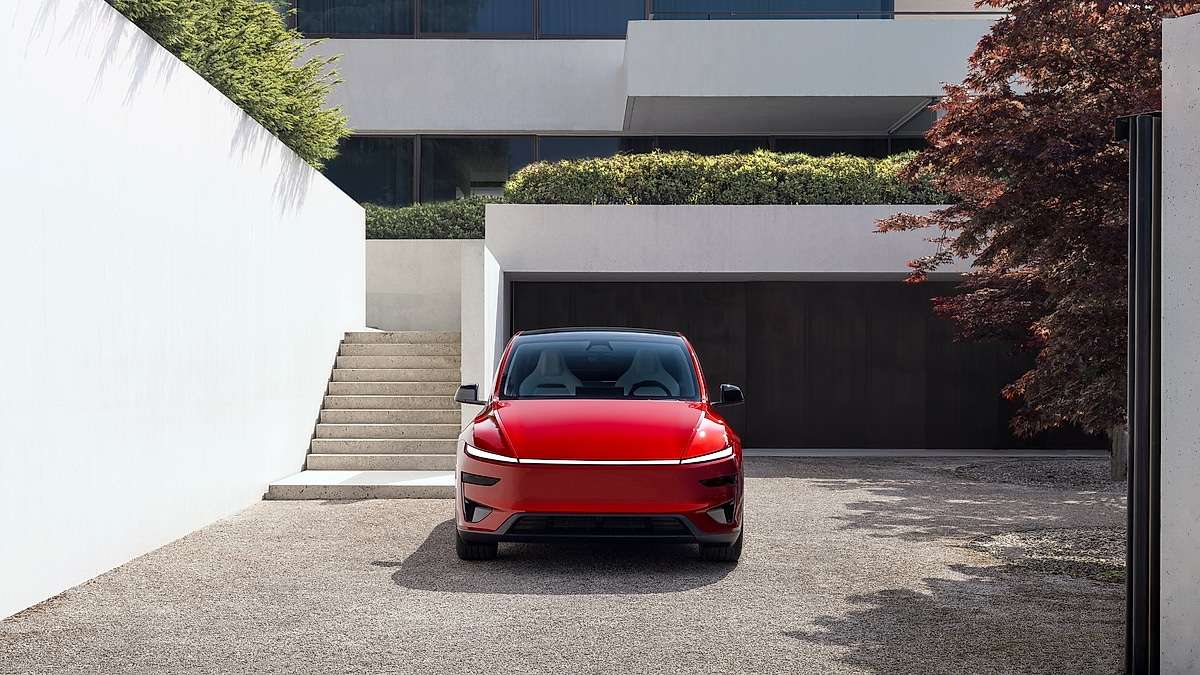

The most useful 2026 Tesla Model Y Performance review this week did not come from a launch event, a glossy video, or a spec-sheet drag race. It came from a Reddit owner who has both a 2026 Model Y Premium AWD and a 2026 Model Y Performance in the same household. That changes the conversation.
Because here’s the secret: most Performance-versus-Premium takes are built from memory, ego, and showroom laps.
This one has a husband, a wife, two Teslas, and a split verdict.
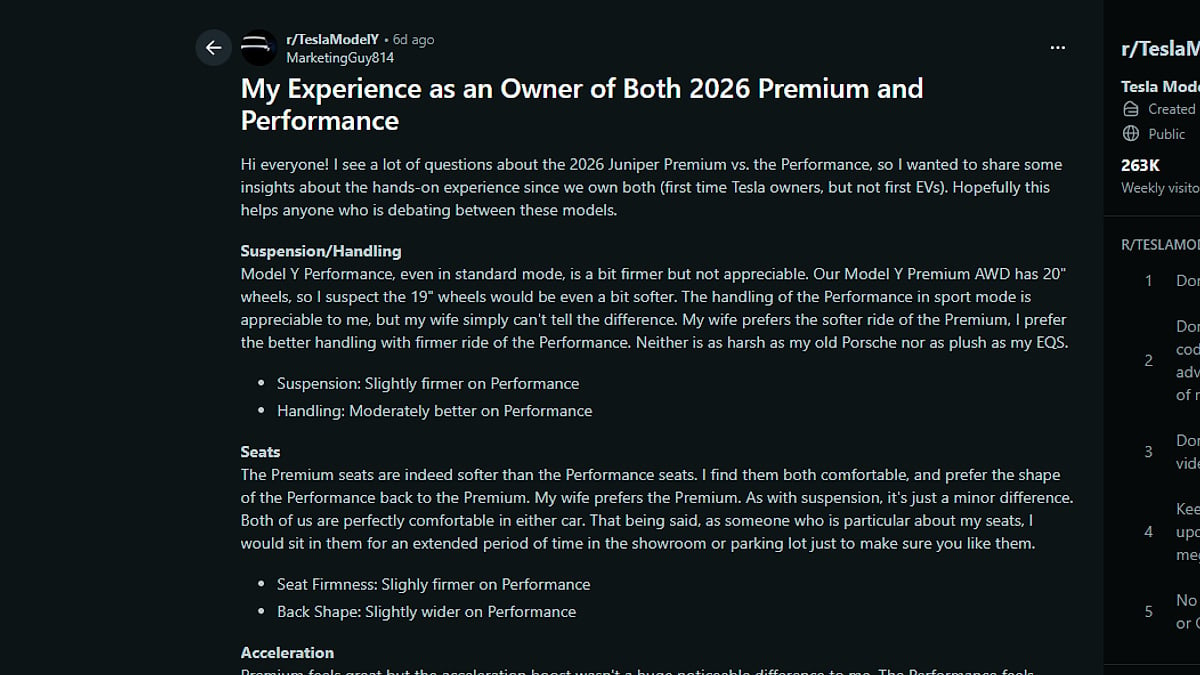
The owner, posting in r/TeslaModelY as MarketingGuy814, said the Model Y Performance rides “slightly firmer” than the Premium, handles “moderately better,” and only really separates itself when Insane acceleration mode enters the room. His wife prefers the Premium’s softer ride and seats. He prefers the Performance’s sharper handling and seat shape.
That tracks with what I’ve seen in other performance EVs. The stopwatch gets the headline. The seat bottom gets the complaint after 90 minutes on I-75.
The Performance Is Faster, But That’s Not the Whole Fight
Tesla lists the 2026 Model Y Premium AWD at 4.6 seconds to 60 mph. The Performance cuts that to 3.3 seconds, with rollout subtracted. On paper, that is a large gap.
On pavement, the owner says the difference feels more complicated.
He bought Acceleration Boost on the Premium AWD and said he would skip it if he could go back. His take: the boost gives only a slight real-world bump, while the Performance feels similar until Insane mode wakes the car up. I like that kind of answer because it annoys both camps. The spec-sheet crowd wants a clean hierarchy.

The daily-driver crowd wants to pretend speed stops being fun after 4.6 seconds. Both are wrong.
The Premium AWD is already quick enough to embarrass plenty of old sport sedans. The Performance adds that violent EV shove that rewires your brain, but you need to want that hit. If your spouse drives in Chill mode and your commute is a pothole inspection route, the Premium may feel like the smarter car five days a week.
The Seat Issue With The Model Y Performance
The owner’s seat comments are the gold here.
He says the Premium seats feel softer, while the Performance seats feel firmer with a wider back shape. He likes the Performance back. His wife likes the Premium. Another commenter who drove both back to back praised the Performance seat’s thigh extension and stronger side bolsters, while calling the Premium bottom cushion short.
That is not trivia. That is the purchase decision.
A firmer seat with better bolstering can feel terrific on a fast on-ramp and annoying after a long highway run. A softer seat can feel friendlier around town and less locked-in when the road starts bending. Tesla shoppers often order cars like they’re configuring phones. Seats punish that behavior.
I would not buy either trim blind if my back, hips, or spouse had a vote.
The Wheel Package Can Change the Verdict
The owner’s Premium AWD has 20-inch wheels. That detail matters to the ride comparison, even if Tesla shoppers tend to wave it off.
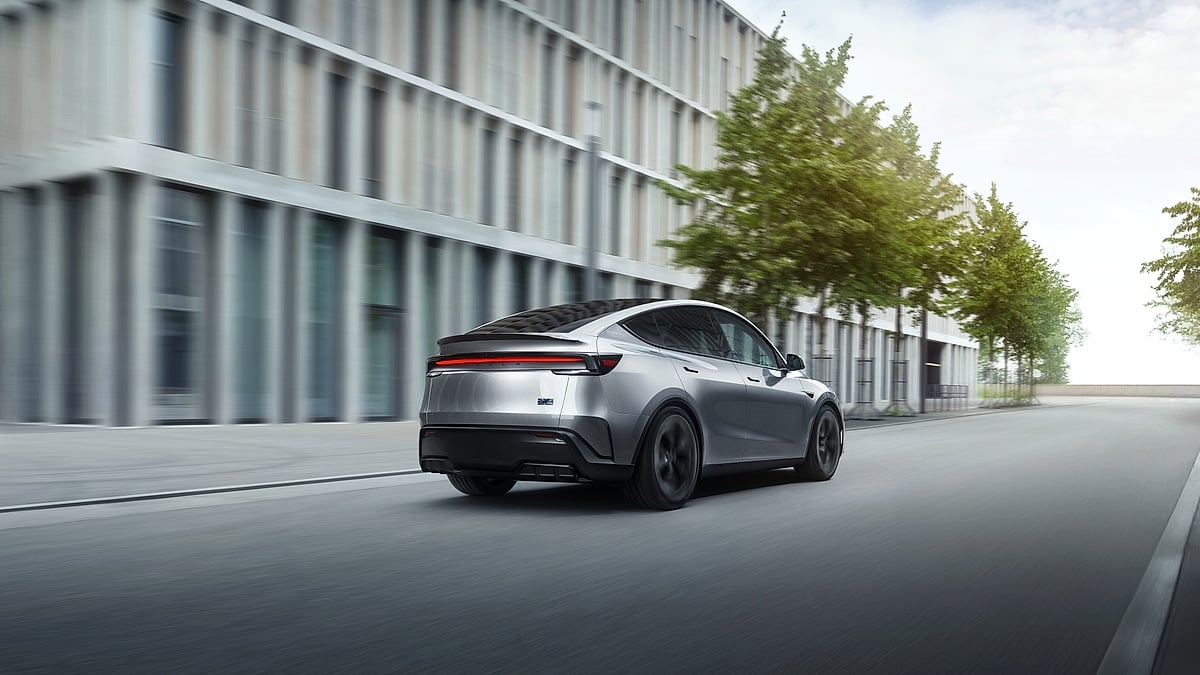
A Premium AWD on 19s should ride softer than a Premium AWD on 20s. A Performance on 21s carries less sidewall and more visual punch. That means the gap between a 19-inch Premium and 21-inch Performance may feel larger than this owner’s household comparison suggests.
This is where I think some online fights go sideways. One buyer calls the Performance harsh. Another calls it comfortable. Both may be telling the truth, just on different roads, tires, pressures, and expectations.
The Reddit owner compared the Performance against a previous Porsche and a Mercedes EQS. Against that set, the Tesla does not feel brutal. Put the same car under someone coming out of a Camry or a base RAV4 and the answer changes fast.
Price Makes The Performance Tempting, Not Automatic
Reuters reported the Model Y Premium AWD at $49,990 and the Model Y Performance at $57,990 after Tesla’s May 2026 price changes, before destination and fee differences. Tesla’s own configurator-style pricing includes destination and order fees, so shoppers need to compare final order screens, not social-media screenshots.
The simple spread is about $8,000 before options. Add a premium paint color, tow hitch, bigger wheels, and Acceleration Boost to the Premium AWD, and the Performance starts looking less indulgent.
That’s the trap.
The Performance can be the value play if you already want the wheels, exterior trim, sport seats, quicker launch, and sharper chassis tune. It becomes a waste if you’re choosing Stealth Gray, black interior, no visual drama, and rarely use full acceleration. One commenter put it bluntly: if you are already going stealth gray and black interior, the Performance can feel like a “royal waste.”
Crude? Yes. Useful? Also yes.
The Real Buyer Split
The Performance looks like the obvious choice until you ask a better question: who has to live with it every day?
That’s where this owner comparison gets useful. The husband prefers the Performance because he can feel the firmer ride, sharper handling, wider seatback, and stronger acceleration hit. His wife prefers the Premium because the softer seat and calmer ride suit her better. That is the cleanest Model Y buying advice in the whole thread, because it separates “best trim” from “best household decision.”
I’ve seen this with performance SUVs for years. The person signing the order gets seduced by the quicker car. The person riding shotgun notices the seat cushion, the head toss, and the way a big wheel cracks over bad pavement. Tesla’s Performance trim is not extreme by old-school German performance-SUV standards, but it still asks for a comfort trade. The owner says it is not harsh. I believe him. I also believe the buyer who gets out of a softer crossover and thinks the same car feels busy.
The wheel setup will probably decide more arguments than the badge. A Premium AWD on 19-inch wheels should be the comfort play. A Premium AWD on 20s moves closer to the Performance feel. The Performance on 21s brings the stance and the steering response, but it also brings less sidewall. That’s the part shoppers should not romanticize. Sidewall is free suspension, and Tesla buyers give it away for style all the time.
What Acceleration Boost Deserves
Acceleration Boost deserves its own warning label. The owner paid for it on the Premium and said he would skip it if he could rewind the order. That is not because the Premium AWD is slow. Tesla lists it at 4.6 seconds to 60 mph, which is already quicker than many gas SUVs that used to wear sport badges proudly. The issue is value. If the Performance is in reach and you actually care about acceleration, the $2,000 Boost can feel like buying halfway into the thing you wanted in the first place.
Insurance also refuses to follow internet logic. The original owner said his Performance costs about 6 percent more than the Premium through Progressive. Another commenter said Costco quoted the Performance slightly cheaper, at $848 for six months versus $896 for the Premium. That sounds backward, but insurance quotes often do. Location, driver history, trim coding, repair-cost tables, and carrier appetite can scramble what looks obvious on paper.
So don’t assume the Performance costs more to insure. Quote both trims before ordering. That one phone call or online quote could change the math by hundreds of dollars per year.
The Performance starts making sense when the buyer already wants the look, the sport seats, the sharper response, and the full acceleration experience. It makes less sense when the buyer is choosing the default paint, black interior, no tow hitch, and rarely using more than half throttle. At that point, the Premium AWD is not a consolation prize. It is the cleaner daily-driver pick.
What My Take Is
My take: the Model Y Performance is the emotional buy that can still justify itself on value if you were already optioning the Premium into the same price neighborhood. The Premium AWD is the rational buy that still feels quick enough to make most gas crossovers seem half asleep. Neither one is wrong. But the wrong one for your back, your roads, or your spouse will get old fast.
The smartest order path is simple. Drive the Premium AWD first. Then drive the Performance on the same route, preferably over the worst pavement near the Tesla store. Do not just launch it once and grin like a teenager. Sit in traffic. Take a rough road. Try a highway expansion joint. Check the seat bolsters against your shoulders. Let your passenger complain if they need to.
Then price the car the way you would actually order it. Premium AWD with wheels, paint, tow hitch, and Acceleration Boost may land close enough to the Performance that the faster car becomes tempting. A lightly optioned Premium AWD may leave enough money on the table to make the Performance look like ego spending.
That is the real answer buried in the owner thread. The 2026 Model Y Performance is not automatically too stiff, and the Premium is not automatically the boring one. The better car is the one whose compromises match your life after the delivery-day excitement wears off.
About The Author
Noah Washington is an automotive journalist based in Atlanta, Georgia, covering sports cars, luxury vehicles, and performance culture. His reporting focuses on explaining the engineering, design philosophy, and real-world ownership experience behind modern vehicles.
Noah has been immersed in the automotive world since his early teens, attending industry events and following the enthusiast communities that shape how cars are built and driven today. His work blends industry insight with enthusiastic storytelling, helping readers understand not just what a car is, but why it matters.
Noah is also a member of the Southeast Automotive Media Association (SAMA), a professional organization for automotive journalists and industry media in the Southeast.
His coverage regularly explores sports cars, luxury vehicles, and performance-driven segments of the automotive industry, including the evolving culture surrounding Formula Drift and enthusiast builds.
Read more of Noah's work on his author profile page.
You can also follow Noah here:
Set Torque News as Preferred Source on Google
Follow us today...