
Key Takeaways Before You Read:
- Tesla raised Model Y prices on three trims by up to $1,000 on May 16, 2026, the first increase in two years, while leaving base trims untouched.
- Social media chatter is largely positive or neutral, with many commenters linking the hike directly to surging gas prices pushing new buyers toward EVs.
- Delivery centers are reportedly overwhelmed with orders since late April, suggesting Tesla is raising prices in response to real demand, not manufacturing costs.
Something shifted this weekend in the Tesla market. After two years of price cuts, discounts, and promotional offers aimed at keeping buyers interested, Tesla just moved prices in the other direction. The Model Y got more expensive. And the reaction from buyers, investors, and social media was not what many skeptics expected.
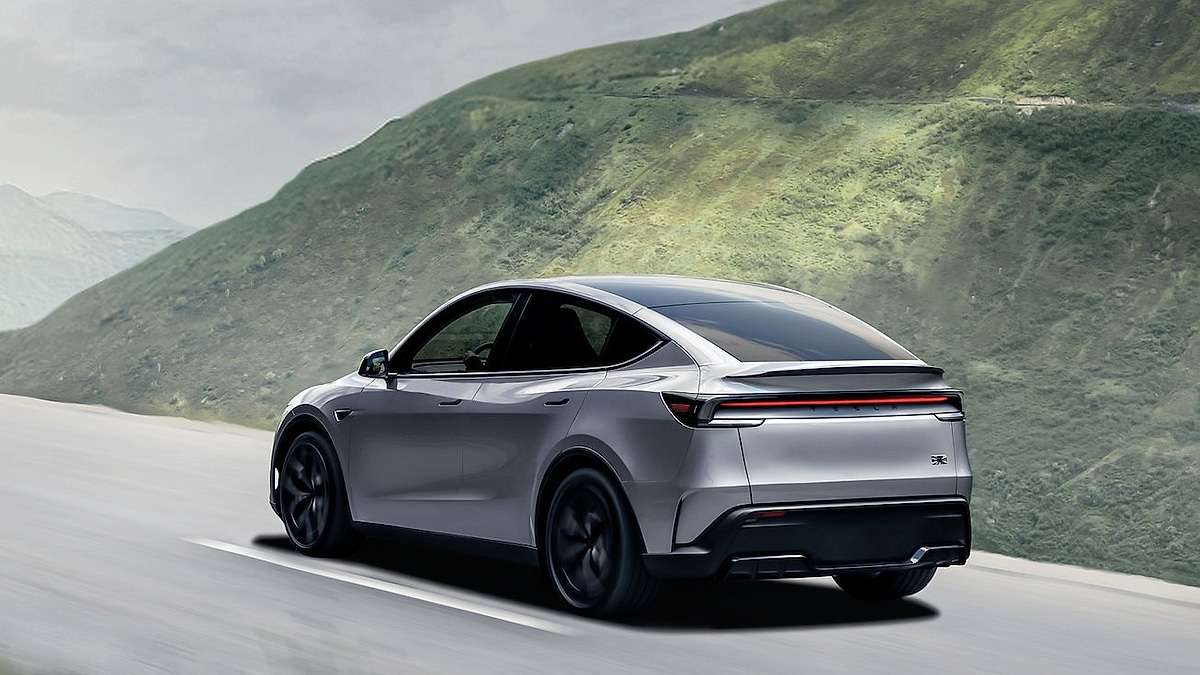
Tesla blogger Sawyer Merritt first broke the news on X, writing: "Tesla has just increased Model Y prices in the U.S. for the first time in two years. New prices: Model Y Premium RWD: $45,990 ($1,000 increase). Model Y AWD: $49,990 ($1,000 increase). Model Y Performance: $57,990 ($500 increase). No price change for base Model Y RWD ($39,990) or Model Y AWD ($41,990)."
He later corrected the post to clarify that the $49,990 figure applies to the Model Y Premium AWD. That detail matters. Tesla deliberately protected its two most affordable trims, and that choice tells you a lot about the company's strategy right now.
Why Are Tesla Model Y Prices Going Up in 2026?
The short answer is gas prices. Sawyer Merritt himself pointed to rising oil prices as the most likely driver, writing in a follow-up reply, "This price increase is likely due to higher oil prices pushing up EV demand." That framing resonated. Multiple commenters under the post echoed the same logic. When filling up a gas SUV costs more, switching to an EV starts looking smarter, and demand for the Model Y climbs as a result.
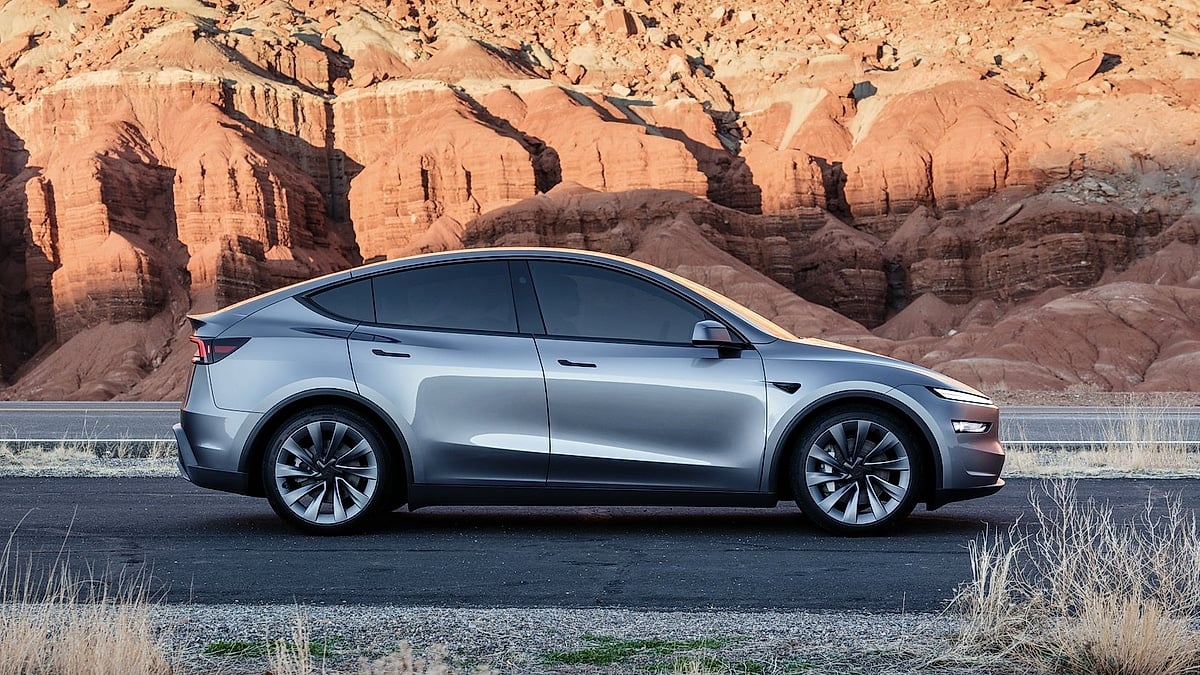
Here at Torque News, I have been covering the automotive industry for 15 years. I have watched oil price spikes pull buyers toward fuel-efficient vehicles many times. The pattern is not new. What is new is that the Model Y is now the direct beneficiary, the way the Toyota Prius was in 2008 when gas hit $4.00 a gallon.
Gas prices in the U.S. are likely part of the equation that led to this price increase, according to reporting from Electrek. The report also noted that Tesla's Q1 2026 delivery results showed a 50,000 vehicle inventory build and a miss on expectations. So demand is not universally strong across every trim and every market. But at the delivery center level, the picture looks very different right now.
What Tesla Delivery Centers Are Actually Seeing Right Now
Here is the ground-level detail that makes this price increase believable. A commenter named Tesla421 replied under Sawyer Merritt's post with a firsthand account. He wrote that he picked up a new Model Y the previous Friday, his delivery ran two hours late, and his center processed more than 91 deliveries that single day. He added, "They said they've been swamped since late April."
That is not a struggling company. That is a company managing a surge. Another commenter, InvestAnswers, summed it up simply: "demand is off da hook." A third commenter, Ramy from TeslaXplored, called it "off the charts" and immediately asked how Tesla would price the upcoming Model YL in the U.S.
After years of aggressive price cuts to stimulate volume amid slowing EV adoption and rising competition, Tesla appears confident in underlying demand. That confidence shows up directly in the pricing move.
Our own coverage of buyers navigating the Tesla Model Y buying and delivery process in 2026 shows that demand at delivery centers has been intense enough to create real logistical strain. The stories readers are sharing line up with what Merritt's commenters are reporting.
Should You Buy Now or Wait? A Quick Model Y Buyer's Calculator
This is the pressing question for anyone sitting on a decision right now. You are watching prices rise, and you are wondering whether to act or hold.
Here is a simple way to think it through. Compare your current monthly gas spending against what you would spend charging a Model Y at home. If gas costs you $250 a month and home charging would cost you roughly $50 to $70, you are looking at $180 to $200 in monthly savings. Over 12 months, that is more than $2,000. Over five years, the savings approach $11,000 or more, depending on your driving habits and local electricity rates.
Now add in the $1,000 price increase Tesla just imposed on premium trims. If you were planning to buy a Model Y Premium RWD or AWD, waiting costs you at least $1,000 in sticker price alone, before factoring in whether prices continue to move up.
Commenter Overly Trev made exactly this point in the thread. He noted that when he bought his Model Y AWD Premium, the $7,500 federal tax credit brought his effective price down to $41,000. "Not surprising to see the prices increase," he wrote. His underlying message was that earlier buyers made smart moves by acting when the combination of lower prices and incentives aligned.
Readers deciding between the Model Y and other EVs in a market without the $7,500 federal tax credit face a harder calculation today. But the gas price factor reshapes the math in ways that many buyers have not fully worked through.
What This Price Move Tells You About Tesla's Bigger Strategy
The move ends a prolonged period of aggressive price cuts that defined Tesla's strategy throughout 2024 and 2025, signaling a potential shift in how the company views demand for the world's best-selling electric vehicle, Torque News checked from Electrek.
Tesla spent the past two years in a price war with itself, slashing Model Y prices by up to $2,000 in April 2024 and by as much as $13,000 in 2023. Automotive gross margins dropped from above 25% in early 2023 to below 18% by mid-2025. Each cut bought volume but hurt profitability. This price increase says Tesla believes the balance has shifted, at least for buyers already willing to step up to a higher trim.
Tesla deliberately left the base Model Y trims untouched, protecting the entry point for price-sensitive buyers while extracting more margin from the higher-trim configurations that carry better profitability. That is a precise surgical move. It is not a blanket price increase. It is targeted margin recovery on the trims where demand is strongest.
After watching the 2026 Tesla Model Y win over buyers who tested 14 different vehicles before deciding, including the Hyundai Ioniq 5 and Honda Prologue, it is clear that the Juniper refresh has genuinely strengthened Tesla's competitive position. That product improvement gives the company room to ask more for it.
Not everyone is cheering, of course. Some commenters raised real concerns. One asked when Tesla would deliver the cheaper model promised for the second half of 2025. Another pointed out that a 2023 Model Y bought used for $26,000 has already lost half its value. A third noted that many buyers do not want to pay $99 a month for FSD and just want basic Autopilot included.
Those are fair points. Looking at what a longer-wheelbase Model Y L could mean for the U.S. market, there is a real gap between what Tesla charges for advanced features and what buyers expect to come standard. That tension will only grow as competitors close the gap on software and driving assistance.
The Bigger Picture: Gas Prices as the Hidden EV Salesperson
There is something worth sitting with here. Tesla did not need a marketing campaign, a new model launch, or a celebrity endorsement to drive this demand surge. Gas prices did it quietly. Every time a driver pulls up to a pump and watches the total climb past $80 for a midsize SUV fill-up, they start calculating what an EV would cost them per mile. That math is working in Tesla's favor right now.
The changes are relatively modest, under 3% on affected trims, and still position the Model Y competitively against gas-powered SUVs in the same class. Federal tax credits and potential state incentives may further offset costs for eligible buyers, Torque News checked from TESLARATI.
Electrek noted that Tesla raising prices while rivals are cutting them is a bold bet that the Model Y's brand strength and Supercharger network still command a premium. That comparison connects directly to the broader question of whether the Model Y can hold its position as the world's best-selling EV as Chinese competitors like BYD and Geely continue to grow.
For longtime Model Y owners tracking how the car performs across 30,000 to 60,000 miles, the real-world ownership cost advantage is significant enough that a $1,000 price hike on a premium trim barely changes the five-year total cost of ownership equation.
Here is the moral of this story. In markets, timing matters more than most people admit. The buyers who ordered when prices were low and incentives were strong made smart decisions not because they were lucky, but because they did the math, acted on the information available, and did not wait for perfect conditions that rarely arrive. That kind of clear-eyed decision-making applies well beyond car purchases. The person who waits for the ideal moment often pays more, not less.
Now it is your turn. Have you ordered or taken delivery of a Model Y in 2026, and do you think this price increase signals more hikes are coming? Or do you believe Tesla will reverse course again if demand softens by the end of the summer? Drop your experience and your prediction in the comments below.
Images by Sawyer Merritt from Tesla.
About The Author
Armen Hareyan is the founder and Editor-in-Chief of Torque News and an automotive journalist with over 15 years of experience writing car reviews and industry news. Now based in the Charlotte region (Indian Land, SC, he founded Torque News in 2010, which since then has been publishing expert news and analysis about the automotive industry. He can be reached at Torque News on X, Linkedin, Facebook, and Youtube. Armen holds three Masters Degrees, including an MBA, and has become one of the known voices in the industry, specializing in the landscape of electric vehicles and real-world stories of actual car owners. Armen focuses on providing readers with transparent, data-backed analysis bridging the gap of complex engineering and car buyer practicality. Armen frequently participates in automotive events throughout the United States, national and local car reveals and personally test-drives new vehicles every week. Armen has also been published as an automotive expert in publications like the Transit Tomorrow, discussing how will autonomous vehicles reshape the supply chain, and emerging technologies in vehicle maintenance.
Set Torque News as Preferred Source on Google
Follow us today...