
Across social media’s Tesla, Rivian, Mach-E, Silverado EV, EV9 and Ioniq 5 communities, you can clearly see a segment of shoppers who are strategically waiting to see if there will be year-end incentives. Some are betting on better APRs or extra rebates, some expect price cuts as automakers clear 2025 inventory, and some are aligning their purchase with the last window for certain tax credits or rebates. Here’s a recent comment from Reddit:
“I’m looking to purchase a Premium AWD Tesla Model Y in the next 6 months.
Given the tax credits have now expired, do folks here think there will be some additional incentives the company will give out to reduce pricing a bit?
End of year sale? 0% APR?
Should I buy now or wait till end of year?
Thanks!”
Impact of the Federal Tax Credit Expiration
The expiration of the federal EV tax credit at the end of September created a shock in the electric vehicle market. Many of the most affordable EV deals relied on a leasing loophole that allowed automakers to pass the tax credit directly to consumers. Once that loophole closed, prices rose and sales dropped sharply. EV sales appeared especially weak in October because shoppers had rushed to buy in July through September in order to beat the deadline, which caused artificially high comparisons. Analysts note that the sales decline was influenced by both the loss of incentives and the pull-ahead effect created by months of frantic buying.
Current Availability of EV Deals and Lease Offers
Even without the tax credit, manufacturers are still offering attractive lease and finance deals to keep EVs moving. Low monthly payments, ultra-low down payments and 0% financing terms make many models appealing for first-time EV shoppers. Automakers have stepped in with incentives to make up for some of the lost $7,500 credit, and these programs are helping soften the drop in demand. Buyers with good credit are still finding opportunities to test EV ownership without committing to full purchase prices.
Some EV Deals Available Today
A wide range of EVs currently feature competitive lease or finance offers. Budget-friendly options include the Kia Niro EV with the cheapest monthly payment in the segment and the Ford Mustang Mach-E that brings strong performance for the price. Subaru is offering the Solterra with an especially low upfront cost as dealers work to clear out 2025 inventory. Luxury shoppers can explore the Mercedes-Benz EQB at a noticeable discount due to its upcoming discontinuation. Larger families have appealing choices such as the Kia EV9 and the Honda Prologue, while shoppers seeking great acceleration, charging speed or maximum value can gravitate toward the Hyundai Ioniq 5, Ioniq 6 or Kia EV6. Ford continues to attract interest with the F-150 Lightning thanks to strong capability and a lease option that keeps the payment competitive for a full-size electric pickup.
Why EV Sales Fell After September
The sharp sales decline following September was dramatic. J. D. Power reported that EVs dropped from 12.9 percent of new vehicle retail sales in September to only 5.2% in October. CarGurus observed an even steeper fall, estimating a 68% decline in early October compared to early September. Analysts caution that the drop is not solely caused by the tax credit expiration, since many buyers had already rushed to purchase in previous months. The market is now working through the gap left after that buying surge, which makes current demand look softer than it may actually be.
Automakers Are Giving Aggressive Incentives
Automakers are responding with aggressive programs aimed at restoring affordability. Companies like General Motors are raising residual values on leases to recreate some of the financial benefit of the former tax credit. Many manufacturers are embracing bigger discounts, which reached an average of more than $13,000 in October, a sharp increase from earlier in the year. The goal is to entice buyers who may have missed the tax credit or who did not qualify. Analysts expect these incentives to continue as companies work to rebalance demand, manage inventory and preserve momentum in the EV market.
Pricing Challenges and the Need for More Affordable EVs
Used EV prices have fallen to far more accessible levels, yet the number of budget-friendly new EVs remains limited. Dealers and analysts agree that expanding lower priced electric options, such as the upcoming return of the Chevrolet Bolt, will play a major role in rebuilding demand. Consumers consistently respond to vehicles that offer appealing value at mainstream price points.
Growing Interest in Hybrids and Changing Consumer Habits
Range anxiety and long charging times continue to steer many buyers toward hybrids and plug-in hybrids. These vehicles provide better fuel economy without requiring drivers to adjust their daily habits. Dealers are reporting noticeable growth in hybrid demand, driven by shoppers who want efficiency at a reasonable price. Analysts believe this trend reflects a broader shift in consumer expectations rather than a rejection of EVs. Shoppers are increasingly open to alternatives, provided that the price makes sense and the vehicle fits familiar routines.
Long-Term Outlook for EV Adoption
Industry experts do not expect the EV sector to fade. Automakers have already invested heavily in electrification and will continue refining their product lines to align with consumer preferences. Analysts predict that EV adoption will grow over time as pricing improves, more body styles become available and charging convenience continues to expand. Many believe the market is entering a transitional phase rather than a permanent downturn, and that affordability will be the key driver of future growth.
The Tesla Model Y
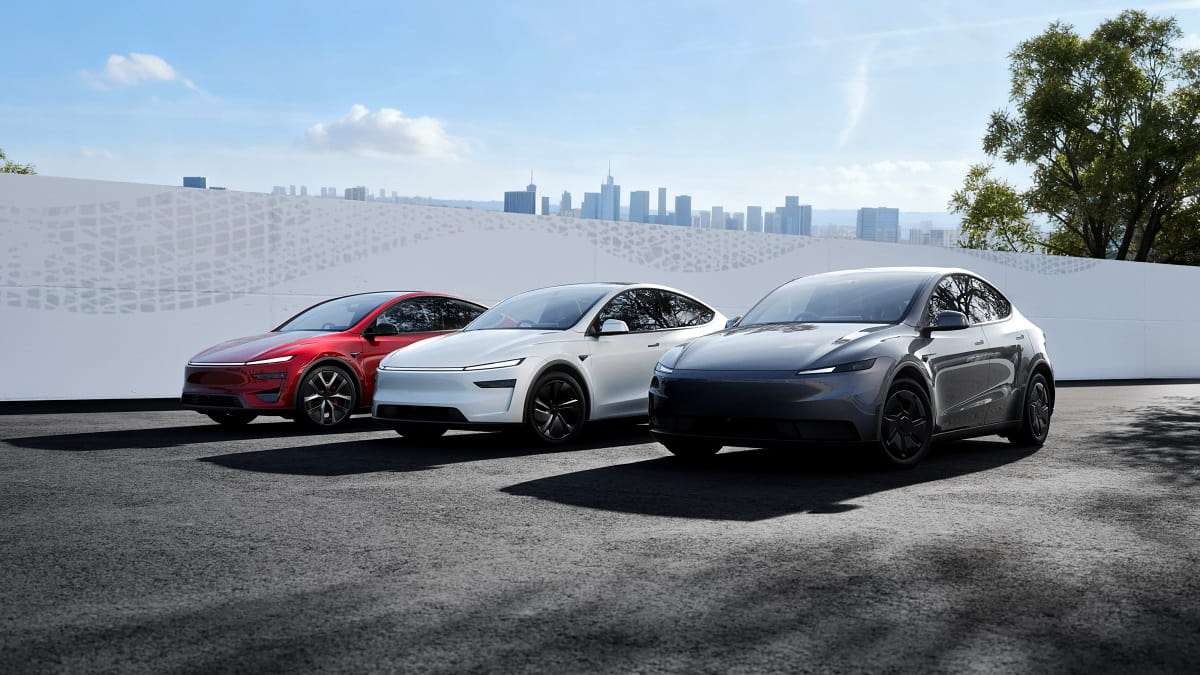
The Tesla Model Y has become one of the most popular electric vehicles because it blends great range, quick acceleration and practical, everyday usability in a way that resonates with a wide audience. It launched in early 2020 and quickly reshaped the EV landscape as drivers appreciated its roomy cabin, efficient powertrain and smooth driving experience. The vehicle stands out from other EVs because it offers access to Tesla’s extensive Supercharger network, simple software focused controls and frequent over the air updates that keep the car feeling modern long after purchase. The combination of performance, efficiency and tech is what keeps the Model Y at the center of many EV conversations today.
Bottom Line
The EV market is facing a short-term adjustment following the loss of the federal tax credit, yet it remains active and full of opportunity. Automakers are using creative incentives to keep EVs appealing, and several models are being offered at attractive lease and finance terms. Consumers are exploring hybrids and plug-in hybrids as they balance efficiency and convenience, while the industry works toward delivering more affordable electric options. The next chapter of EV growth will hinge on price, value and the ability of manufacturers to meet buyers where they are.
What Do You Think?
Do you believe automakers will drop prices again in December, or do you think current incentives are as good as they will get?
Have you noticed EV prices or APR offers changing at your local dealers since the tax credit expired?
Chris Johnston is the author of SAE’s comprehensive book on electric vehicles, "The Arrival of The Electric Car." His coverage on Torque News focuses on electric vehicles. Chris has decades of product management experience in telematics, mobile computing, and wireless communications. Chris has a B.S. in electrical engineering from Purdue University and an MBA. He lives in Seattle. When not working, Chris enjoys restoring classic wooden boats, open water swimming, cycling and flying (as a private pilot). You can connect with Chris on LinkedIn and follow his work on X at ChrisJohnstonEV.
Photo credit: Tesla media kit
Set Torque News as Preferred Source on Google
Follow us today...