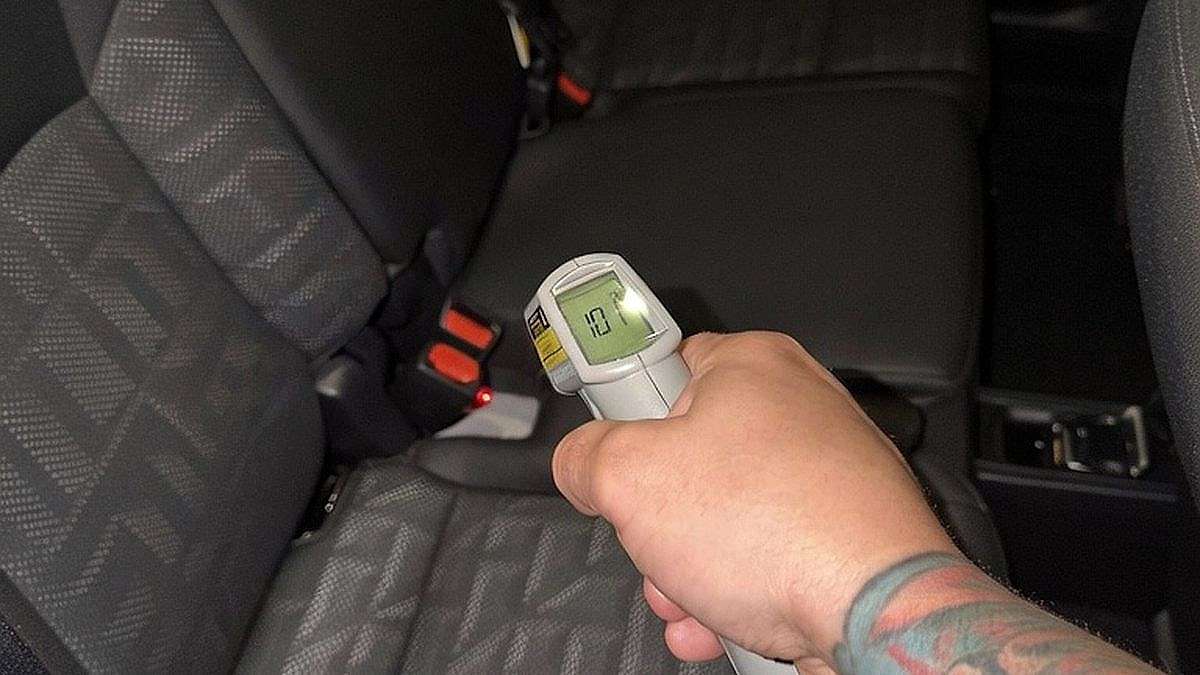

A new 2025 Toyota Tacoma TRD Off-Road Hybrid, with only 900 miles on the odometer, is emitting temperatures between 95°F and 107°F from its rear seat area, specifically near the seatbelt anchors and lower seatback. The owner, Josh Sobol, discovered the issue when a passenger complained of heat despite the truck lacking rear vents or heated seats. This isn't a minor warmth; it’s a consistent, measurable thermal output in an area designed for human occupancy.
This points to a potential systemic issue with the thermal management of the hybrid battery system in the new Tacoma. When a dealer is "completely stumped" and escalates the problem to corporate engineers on a vehicle with under a thousand miles, it signals a design or manufacturing oversight that could affect a significant portion of the hybrid Tacoma lineup. Buyers expect a new truck to perform as advertised, not to double as a passenger-side toaster oven.
"Hey fam, need some help from the 4th gen brain trust here. So the other night, I discovered something… very strange. My father-in-law was riding in the back seat of my ‘25 TRD OR hybrid and asked me to “turn off the heat” back there… Specifically, the heated seats…. The problem is, there are no rear vents or heated seats.
Pulled over to check, and sure enough… There is legit heat coming from the rear seat area, specifically near the seatbelt anchors / lower seatback. So I went full detective mode that evening…
Broke out the thermal sensor (see pics)
Getting temps between 95° - 107°F coming through the rear seat.
Nothing is blocking any vents, the truck is basically brand new with only 900 miles on it, and I’m not running anything unusual. I took it straight to Surprise Toyota dealer the next morning, and here’s the kicker… They’re completely stumped. They’ve escalated it to Toyota corporate engineers to investigate further. My initial thought is maybe something related to the hybrid battery cooling system, but this seems… excessive.
So now I’m turning to you guys:
Has ANYONE with a 4th gen experienced heat coming from the rear seat area like this?
Is this “normal-ish” and I’m overreacting… or is my truck secretly a toaster oven?
Advertising
Would really appreciate any insight, feedback, or even “yep mine does that too” so I know I’m not losing my mind here.
Thanks in advance, this group always comes through."
The immediate concern here is passenger comfort and safety. Sustained temperatures of 107°F can be uncomfortable, but more importantly, they suggest a significant amount of heat energy is being dissipated directly into the cabin rather than being managed by a dedicated cooling system.
2025 Toyota Tacoma Hybrid: Thermal Management Concerns
- The 2025 Toyota Tacoma TRD Off-Road Hybrid features a 2.4-liter turbocharged four-cylinder engine paired with an electric motor, producing a combined 326 horsepower and 465 lb-ft of torque. Its hybrid battery is located beneath the rear seats, a common placement for packaging efficiency.
- Josh Sobol's truck, with only 900 miles, recorded rear seat temperatures between 95°F and 107°F, indicating significant heat transfer from the battery or its cooling system into the passenger cabin. This thermal output is well above ambient temperatures and suggests inadequate insulation or a malfunction in the thermal management system.
- The hybrid system employs a nickel-metal hydride (NiMH) battery pack, which typically operates most efficiently between 68°F and 86°F. Exposing passengers to temperatures exceeding 100°F from the battery area implies a failure to contain heat generated during charging, discharging, or active cooling.
- Toyota's decision to integrate the battery beneath the rear seats requires robust thermal shielding and cooling to ensure passenger comfort and battery longevity. The reported temperatures suggest these measures are either insufficient or compromised in the affected vehicle.
This is a potential design flaw if other owners start reporting similar thermal anomalies. The fact that the dealer is "stumped" and has escalated the issue to corporate engineers suggests this isn't a simple fix, nor is it a known "feature" of the Tacoma.
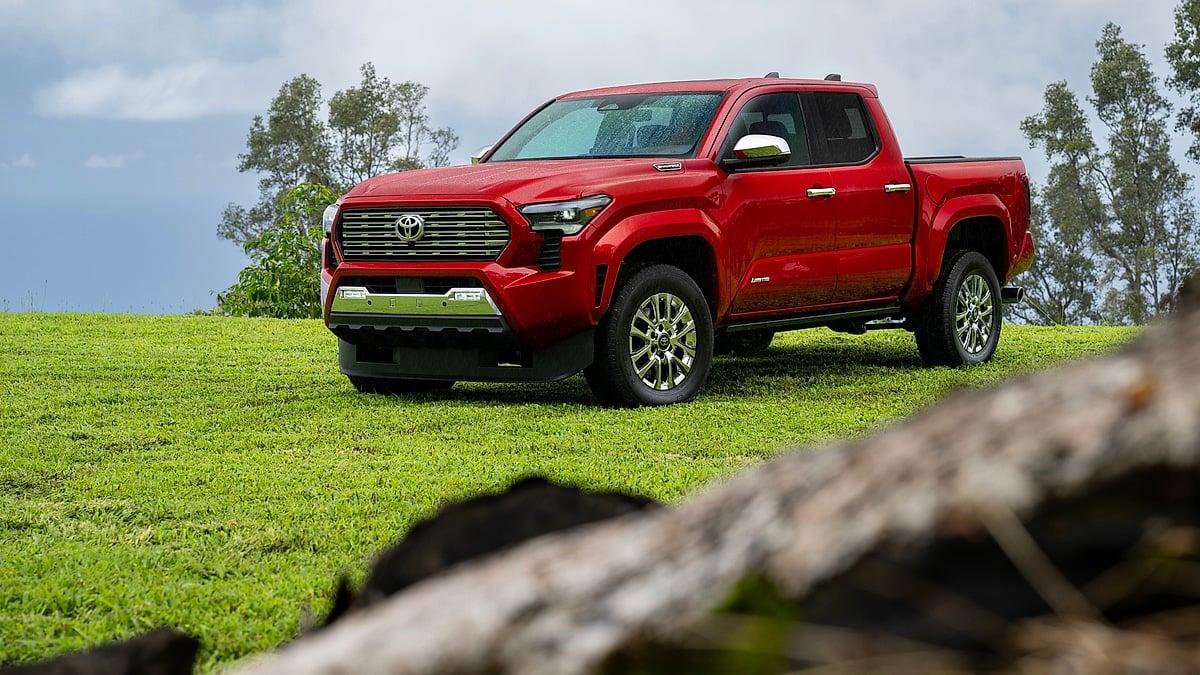
The question then becomes: is this a manufacturing defect in a single unit, or an engineering oversight that affects all 4th-generation Tacoma Hybrids? The owner’s proactive use of a thermal gun provides objective data, moving this beyond mere anecdotal complaint. This is not a "feeling" of warmth; it's a measured thermal signature that points to a problem.
Steven Gadget Dopler, who owns a TRD Pro, offered a direct comparison that further shows the severity of Sobol's issue: "I went on a 2-hour drive in my TRD Pro. The seat was not hot. I lifted the seat and put my hand directly on the metal cover for the battery. It was barely warm. I think you have a serious problem and should contact your dealer right away."
This is a brand-new hybrid powertrain, and proper thermal management is paramount for battery longevity and system efficiency. If his battery cover was "barely warm" after two hours, then Sobol's 95-107°F reading from through the seat is clearly outside of normal operating parameters for any vehicle, let alone one with a sophisticated hybrid system. Dopler's experience, while from a TRD Pro and not explicitly stated as a hybrid, provides a counterpoint.
The comments also reveal a disturbing pattern of dealership responses. Bryan Carter shared his experience with the same "Surprise Toyota" dealer: "Surprise Toyota told me the rear seats were heat sinks. Now I'm thinking they lied, so I'd leave."
This comment, if accurate, is a damning indictment of the dealer's initial response. To dismiss excessive heat as the rear seats acting as "heat sinks" is not only technically dubious but also deeply misleading. A heat sink is designed to dissipate heat away from sensitive components, not to radiate it into a passenger's backside. This suggests either a profound lack of understanding on the part of the service department or, worse, an attempt to deflect a legitimate complaint. It's the kind of corporate stonewalling that erodes customer trust and leaves owners feeling unheard, a tactic we've seen manufacturers employ for decades when faced with novel problems.
This is a documented thermal issue in a brand-new hybrid truck that Toyota needs to address with transparency and urgency. The combination of high measured temperatures, dealer bewilderment, and potentially dishonest explanations from service departments paints a picture of a manufacturer caught flat-footed by a problem in its latest powertrain. Owners of the 4th-generation Tacoma Hybrid deserve a full explanation and a definitive fix, not vague assurances or dismissive statements.
Image Sources: Toyota Media Center
About The Author
Noah Washington is an automotive journalist based in Atlanta, Georgia, covering sports cars, luxury vehicles, and performance culture. His reporting focuses on explaining the engineering, design philosophy, and real-world ownership experience behind modern vehicles.
Noah has been immersed in the automotive world since his early teens, attending industry events and following the enthusiast communities that shape how cars are built and driven today. His work blends industry insight with enthusiastic storytelling, helping readers understand not just what a car is, but why it matters.
Noah is also a member of the Southeast Automotive Media Association (SAMA), a professional organization for automotive journalists and industry media in the Southeast.
His coverage regularly explores sports cars, luxury vehicles, and performance-driven segments of the automotive industry, including the evolving culture surrounding Formula Drift and enthusiast builds.
Read more of Noah's work on his author profile page or on his personal website.
You can also follow Noah here:
Set Torque News as Preferred Source on Google
Follow us today...