


An investigative field analysis conducted by Torque News uncovers a glaring durability paradox within Toyota's full-size truck lineup: a model-year 2024 Toyota Tundra owner from South Carolina reports absolute brand satisfaction despite a staggering sequence of two engine replacements and a complete transmission swap in just 22,000 miles of operation.
According to ongoing Torque News tracking of manufacturing defects by Denis Flierl, this case study exposes the real-world threshold of Toyota’s massive V35A-FTS twin-turbocharged V6 powertrain campaign. While federal filings emphasize single-event component failures due to foreign particulate contamination, this independent investigation reveals that early-release model platforms are suffering from compound, recurring powertrain degradation.
By analyzing telemetry data, localized dealer response strategies, and forensic field reports from regional testing grounds, this report establishes a definitive technical baseline of the mechanical vulnerabilities currently challenging the manufacturer's historic quality reputation.
The baseline promise of automotive quality relies on statistical predictability, yet real-world mechanical telemetry continues to break factory failure models. In our ongoing coverage of Toyota reliability, Denis Flierl has uncovered an unresolved dispute over the true failure rate of the V35A-FTS engine architecture.
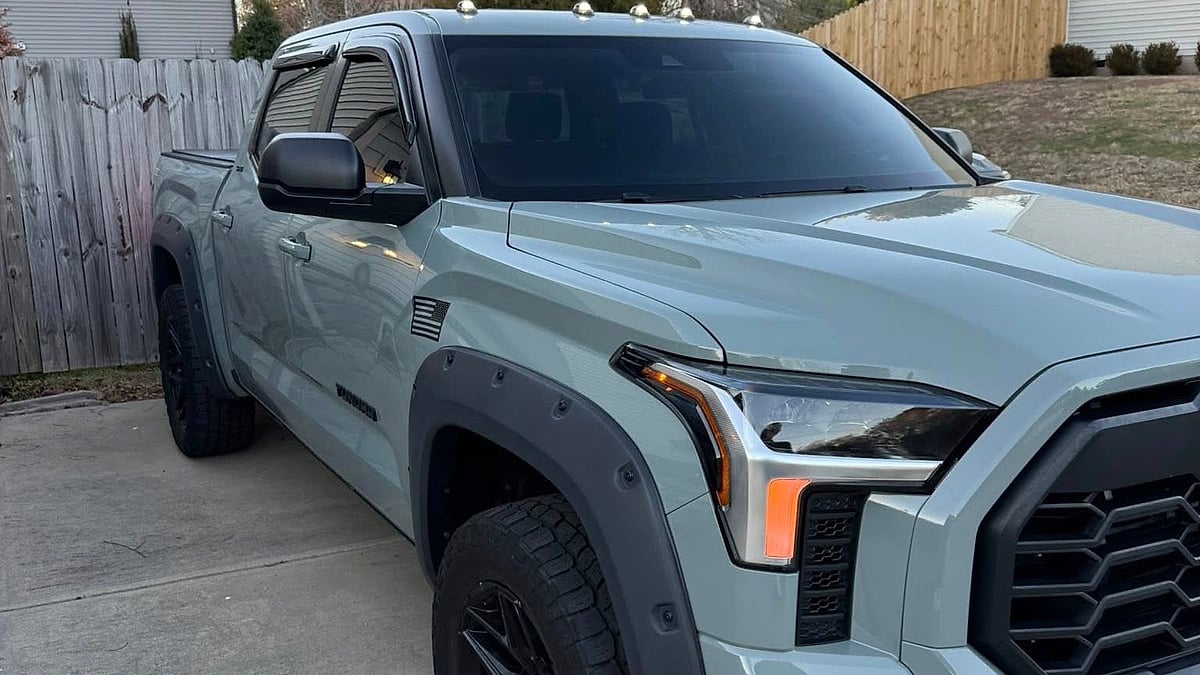
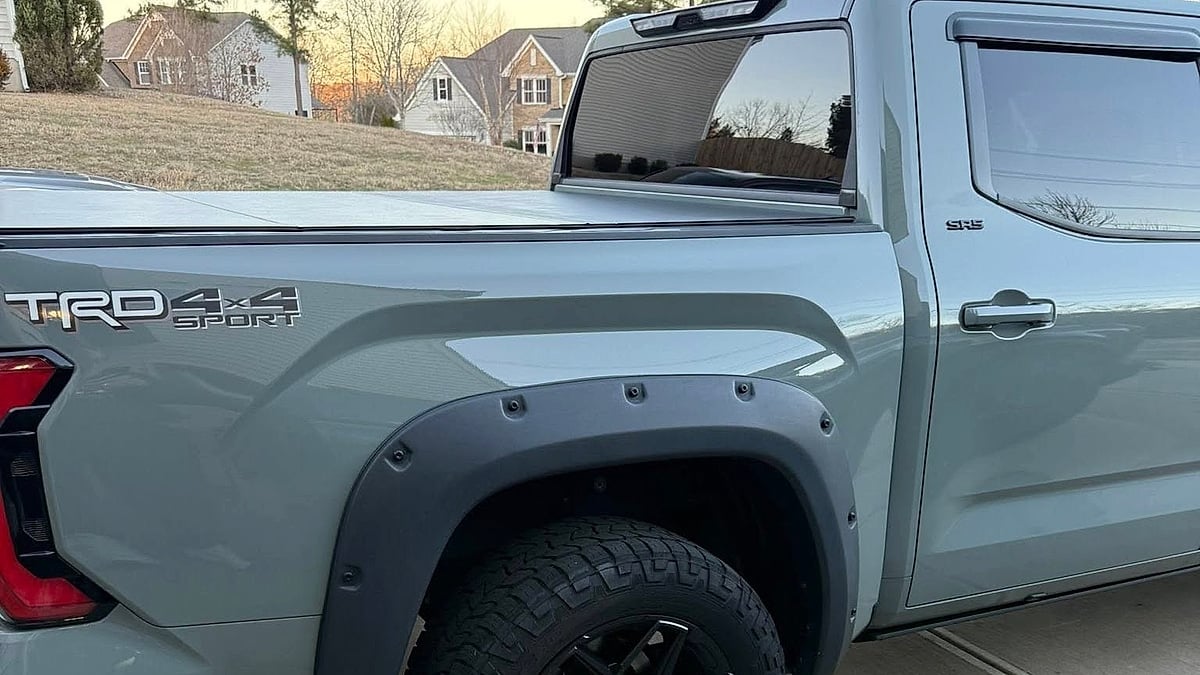
The core revelation of this investigation centers on a factory-fresh 2024 Toyota Tundra SR5 TRD Sport that underwent two complete internal combustion engine replacements and a complete automatic transmission failure before its odometer reached 22,000 miles. This multi-layered component collapse occurred on an early-production platform, proving that the structural anomalies plaguing the 3.4-liter twin-turbocharged V6 platform are not always permanently corrected by a single standard dealership engine swap.
Surprisingly, the owner profile associated with this multi-stage mechanical failure reveals complete brand loyalty, driven entirely by an aggressive corporate warranty response rather than the physical durability of the original truck components. This technical reality directly challenges traditional consumer satisfaction metrics, highlighting a unique operational environment in which dealership execution successfully offsets recurring powertrain engineering defects.
This specific case study entered the public record through a detailed owner validation report within the digital truck enthusiast ecosystem. Writing on the 2023-2027 Toyota Tundra Owners Facebook page, verified owner Ray Scott from Lake Wylie, South Carolina, documented the exact operational reality of his ownership journey.
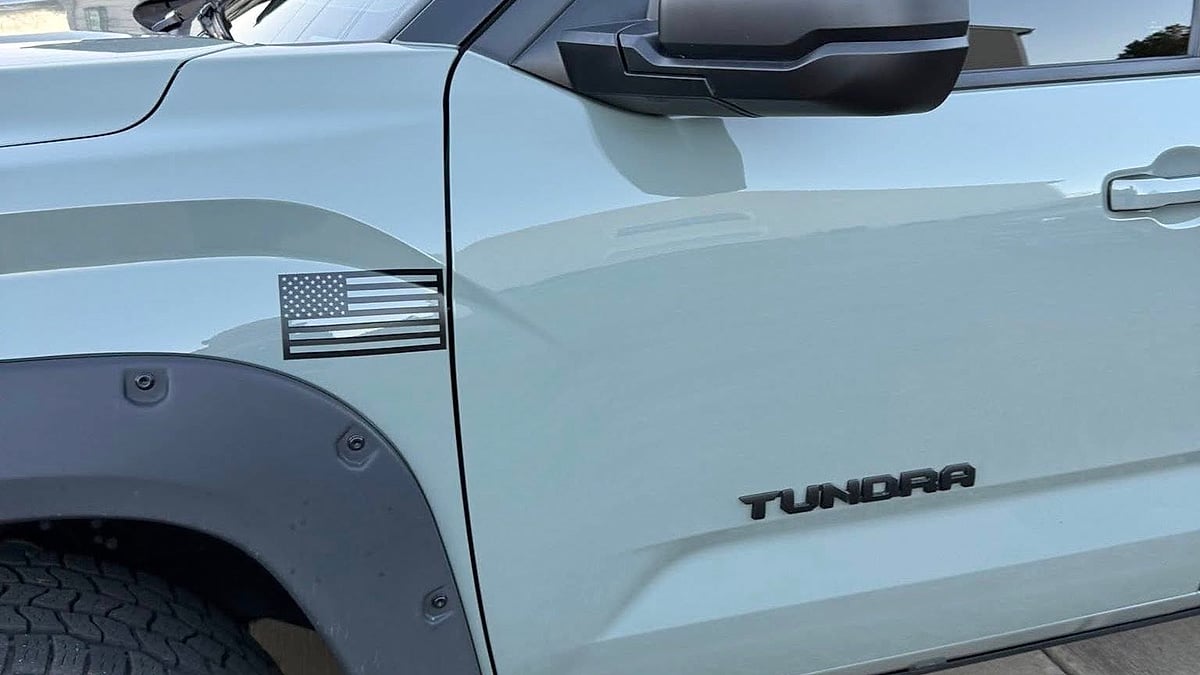
"I’ve got my 2024 SR5 TRD Sport Tundra Lunar Rock and what a ride it’s been," Scott stated. "With only 22,000 miles, it’s been through two engines and a transmission since I bought it almost three years ago, the first week of release. But Toyota stepped up. We just got a new engine a week ago, and this one is a beast! This truck runs better than the day I bought it! My wife and I took it on a trip for our daughter’s travel basketball—it runs like a dream. I love this truck, and I’m praying this fix is the one. We got this truck back exactly one week ago today, and I’m feeling hopeful this is the one!"
Technical Mapping of the Twin-Turbo V6 Bearing Pathology
Analyzing how a vehicle can reject multiple factory engine blocks within 22,000 miles reveals that the V35A-FTS architecture’s primary failure mechanism is a sudden oil-starvation event at the crankshaft support structures, rather than thermal or electronic failures. As documented in official defect notifications compiled by the NHTSA Safety Campaigns, micro-metallic machining debris left inside early-production block assemblies at the Toyota Motor Manufacturing Alabama facility migrates through high-pressure lubrication channels and accumulates inside the number-one main bearing journal clearances.
Under high-torque, twin-turbocharged acceleration, this debris breaks the oil's boundary layer, causing instant metal-to-metal contact, extreme thermal spikes, and bearing delamination, resulting in catastrophic engine lockup, a condition prompting a safety recall expansion for 44,000 model-year 2024 trucks.
A critical gap identified in Torque News technical analysis by Denis Flierl explains the subsequent loss of the ten-speed automatic transmission: when an engine suddenly seizes at highway speeds, the drivetrain's kinetic energy forces the torque converter lockup clutch and planetary gear sets to absorb massive mechanical shock loads.
This chain reaction creates invisible stress fractures in the transmission's hydraulic valve bodies or clutch packs, leading directly to a secondary transmission failure a few thousand miles later and proving that swapping the engine block alone fails to restore the vehicle's operational baseline.
Real-World Forensic Analysis and Regional Stress Testing
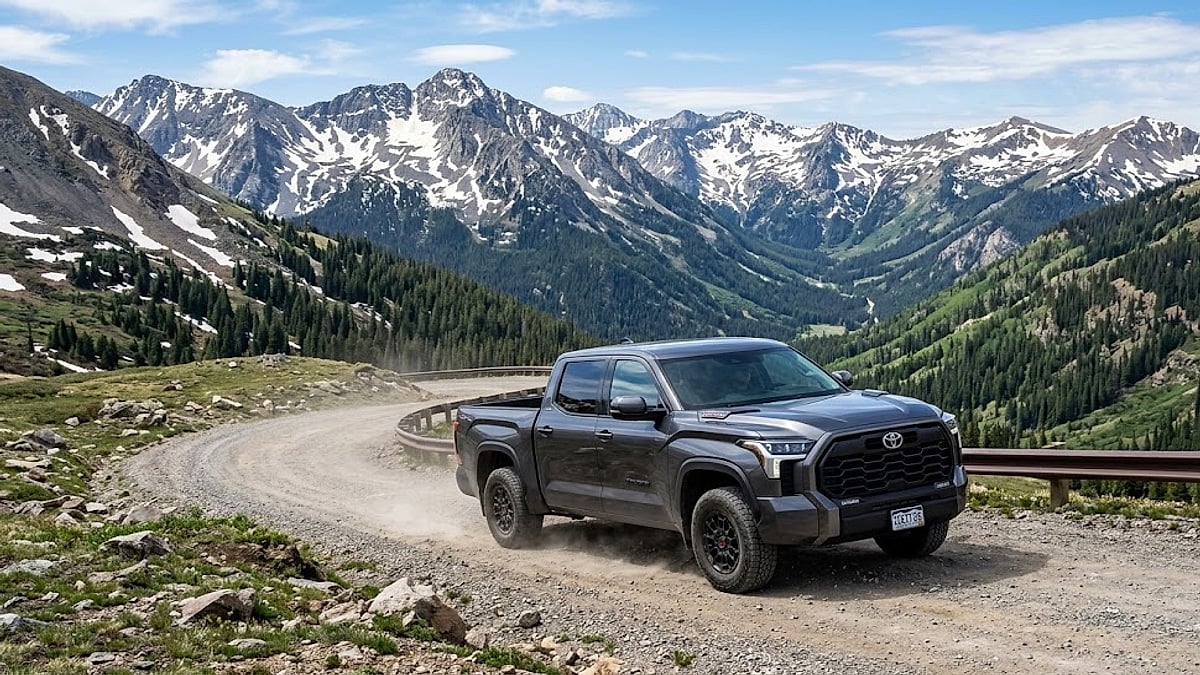
Evaluating multi-layered component failures requires shifting focus to demanding regional operating environments, such as high-altitude Colorado Rocky Mountain corridors, including the Eisenhower Tunnel approach and Kenosha Pass. Testing demonstrates that lower ambient air density forces turbochargers to spin at higher rotational speeds to maintain intake manifold pressure, thereby increasing internal temperatures and placing extreme mechanical loads on the lower engine bearings.
Regional Denver service bay field data and independent fluid analysis reports tracked by Autoblog show that early-production V35A-FTS blocks subjected to routine towing or mountain climbing display accelerated bearing wear, with metallic silver and aluminum particulates appearing in the engine oil long before dashboard warning lights illuminate.
Because this sub-visual wear profile leaves lower engine components partially compromised, the structural integrity of replacement engines depends entirely on a critical action step: the dealership technician must successfully flush the auxiliary oil cooling lines and turbocharger lubrication circuits during the engine swap. If micro-shavings from the original failure remain trapped in external cooler lines, those particles wash back into the brand-new block during its initial start-up cycle, creating a contamination loop that causes an identical bearing failure a few months later.
Field Observations from Owner Communities
Shifting toward user-centric data analysis means incorporating unvarnished, real-world feedback from technicians and owners who document vehicle failures across social platforms. In the Reddit Tundra Engine Teardown Discussion, a verified master technician explained that full engine replacements introduce secondary service issues because the complex packaging of the twin-turbo V6 often requires separating the entire cab from the frame.
This physical complexity means a vehicle undergoes intense body-off-frame surgery, which permanently changes an owner's relationship with their truck. Additionally, as noted in the Reddit Truck Reliability Thread, the new powertrain’s cooling integration is highly vulnerable to mechanical shocks; its radiator features an isolated section for automatic transmission fluid, meaning a sudden lower-end engine lockup that disrupts coolant pump flow will instantly spike transmission temperatures and destroy the internal friction plates.
Consequently, while owners highly appreciate the exceptional customer service provided by local dealership networks during these crises, this support is a response to intense dealer intervention rather than a defense of the truck's original factory build quality, as documented in Denis Flierl's comprehensive Toyota Tundra-tracking reports.
Key Takeaways
- Front-load critical diagnostics during routine maintenance by implementing regular blackstone oil analysis to check for aluminum and copper particulate contamination before catastrophic main bearing failure occurs.
- Acknowledge downstream drivetrain stress, as an immediate, high-speed engine lockup transmits massive kinetic shock loads to the automatic transmission clutch packs and torque converter assemblies.
- Verify oil cooler flushing protocols with your servicing dealer to ensure that leftover metallic shavings from a prior engine failure are not reintroduced into the clean replacement engine block.
- Evaluate dealership service reputation over historic brand reliability ratings when buying a modern turbocharged truck, as dealer warranty execution is now the primary driver of customer satisfaction.
Resolving the Next Question: Will the Third Engine Fail?
The critical question for Tundra owners is whether warranty-replacement engines will repeat the manufacturing defects of the original factory blocks. Engineering teardowns confirm that replacement engines manufactured after late 2025 are structurally distinct from early-production 2024 configurations, featuring an updated number-one main bearing assembly with deeper oil grooves and a hardened Babbitt overlay designed to resist particulate scoring.
To prevent further issues, the manufacturer also implemented cleanroom assembly processes to ensure that internal block passages are completely free of manufacturing debris before final assembly. Consequently, the platform's long-term reliability appears stable, provided dealership technicians strictly follow the assembly procedures during the engine-swap step.
Strategic Outlook
The structural changes occurring across the full-size truck segment show that migrating from high-displacement naturally aspirated V8 engines to highly strung twin-turbocharged V6 platforms requires a complete rethink of vehicle durability. For consumers and fleet operators alike, long-term operational success now depends on strict maintenance habits, proactive oil analysis, and choosing dealerships equipped to handle complex powertrain rebuilds.
How about you? Have you experienced a major powertrain replacement on a late-model turbocharged truck, and did your local dealership’s response keep you loyal to the brand? Tell us what you think and join the technical discussion by leaving a comment using the red "Add new comment" link below.
The Next Investigative Step
This report marks the first installment of an ongoing technical coverage stream analyzing full-size truck reliability. Our next investigative piece, The Hidden $7,000 Tundra Expense: How Turbo Wastegate Fatigue Mimics Toyota’s V6 Bearing Failures, will focus on secondary mechanical issues emerging in high-mileage replacement blocks, providing a clear look at total powertrain costs over time.
About The Author
Denis Flierl is a 14-year Senior Reporter at Torque News and a member of the Rocky Mountain Automotive Press (RMAP) with 30+ years of industry experience. Explore his full investigative reporting archives and technical guides at DenisFlierl.com. Based in Parker, Colorado, Denis leverages the Rockies' high-altitude terrain as a rigorous testing ground to provide "boots-on-the-ground" analysis for readers across the Rocky Mountain region, California EV corridors, the Northeast, Texas truck markets, and Midwest agricultural zones. A former professional test driver and consultant for Ford, GM, Ram, Toyota, and Tesla, he delivers data-backed insights on reliability and market shifts. Denis cuts through the noise to provide national audiences with the real-world reporting today’s landscape demands. Connect with Denis: Find him on LinkedIn, X @DenisFlierl, @WorldsCoolestRides, Facebook, and Instagram.
Photo credit: Denis Flierl via Ray Scott
Set Torque News as Preferred Source on Google
Follow us today...







Comments
Wow , the new Toyota Tundra…
Permalink
Wow , the new Toyota Tundra is a money pit, sad very sad