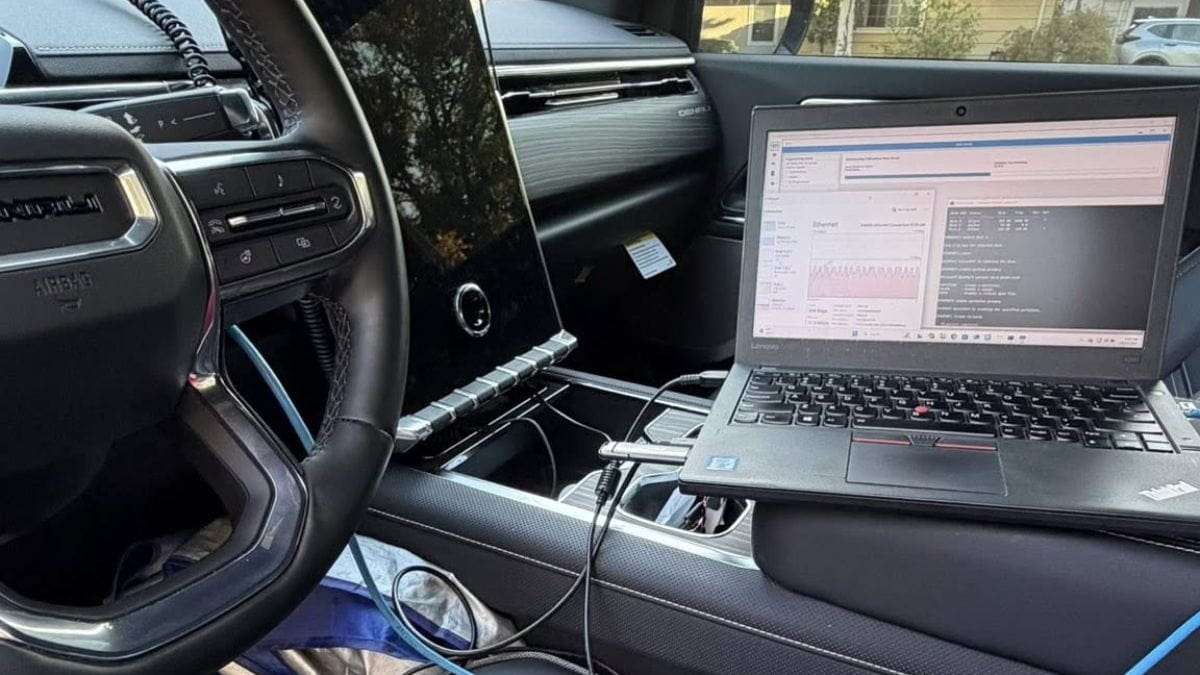

There are some stories you stumble upon that make you pause, lean back, and think, “This is exactly what so many EV owners are quietly dealing with.” That was my reaction when I came across a Facebook post today in the GMC Sierra EV public group. The post was from Brad Robbin, who, after multiple visits to his dealer that never seemed to result in a complete software update, decided he had had enough. Instead of waiting for the service department to get its act together, he took matters into his own hands - quite literally. What happened next is a surprisingly pleasant story about taking control, learning by doing, and discovering that sometimes, the simplest solution is the one that puts you back in the driver’s seat, both figuratively and digitally.
“Got tired of having the dealer try and update my GMC Sierra EV truck and not completing everything, so I decided to pay the $45 and do it myself. My first issue was that my J2534 tool (VXC SE) didn’t support CAN FD. Not clear why they can’t update the tool as it’s made to support all protocols. So for about $180, I decided to try the new Topdon Rlink X7 and it worked. So no you don’t need the $900 MDI2. Had a few issues with the radio update, but after skipping the USB status step, all was normal again. Looks like after the VWP, only the radio, UWB, and telematics were not updated.
Has anyone had issues with the MyMode and motor sound? When I select off, I still have motor sounds. If I select sport, it turns it off, and normal has motor sound it seems like a SW bug. Had this after the dealer did the VWP.”
That was Brad’s post, and if you are a GMC Sierra EV owner or anyone who has ever owned a modern connected vehicle, this story probably feels all too familiar. Dealers today are not only mechanics, they are IT departments. Trucks like the Sierra EV depend on over-the-air updates, telematics modules, and networked systems that make even a small update look like a spaceship pre-launch checklist. But what happens when those updates stall, loop endlessly, or simply fail?
The Frustration of Unfinished Updates
Brad’s story is not unique, yet it represents a growing frustration in the EV ownership world. More owners are realizing that their trucks are only as good as their latest software version. When the update fails, systems like radio, MyMode, or even regenerative braking tuning can misbehave. Brad was patient enough to let the dealer try, but when the service team couldn’t complete everything, he became the unexpected hero of his own garage.
If you think this sounds like an isolated story, think again. In a recent Torque News feature titled “My Experience With The GMC Sierra EV Has Been Overwhelmingly Positive But There’s a Burnt Smell Coming From The Front”, an owner described how even positive ownership experiences are often interrupted by odd or unexplained issues. The Sierra EV is an engineering marvel, but with its complexity comes an entirely new set of challenges that the traditional dealership service model seems ill-equipped to handle.
When the Dealer Becomes the Bottleneck
EVs are not the same as gas-powered trucks that rely on simple mechanical updates. These vehicles require technical precision, software calibration, and constant network compatibility. Dealers are still learning, and sometimes that learning curve gets passed directly to the customer. Brad’s story illustrates what happens when knowledge gaps meet impatience - you get innovation born in a driveway instead of a service bay.
Kenneth Ferguson, another member in the same Facebook discussion, offered a simple but important piece of advice: “Go through your modules again after the update and confirm they are the newest calibrations.”
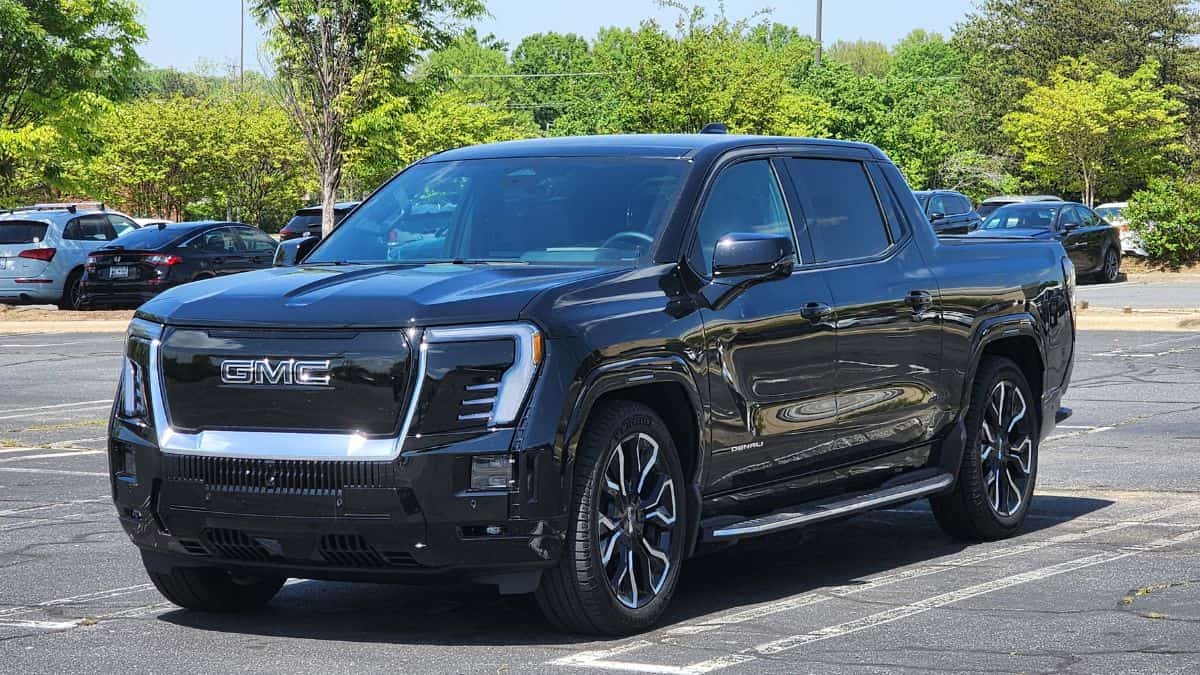
That single sentence shows how the new generation of truck owners is evolving. This is not your dad’s Sierra. Owners now have to think like engineers. Checking calibrations, verifying firmware versions, and confirming module updates are all part of modern truck ownership.
A Growing DIY Trend in the EV Era
This trend is gaining ground. More owners are buying J2534 pass-thru devices and learning to use diagnostic software. What used to be hidden behind service bay doors is now being done at home. The cost? Around $45 for access, or in Brad’s case, $180 for a new tool that actually worked. Compare that to the $900 factory-grade MDI2, and suddenly, doing it yourself doesn’t seem reckless, it seems smart.
This also ties into a growing cultural shift among EV owners. In the early days, people bought electric vehicles to be part of a cleaner future. Now, they are realizing they also have to be more independent. The Sierra EV, for instance, isn’t just a truck, it is a computer on wheels. When an update fails, it is no different from your laptop freezing mid-install, except your laptop doesn’t weigh 9000 pounds.
The Sound That Wouldn’t Go Away
Brad also mentioned something particularly intriguing. After his update, he noticed that when he turned off MyMode’s motor sound, the sound stayed on. But when he switched to sport mode, it turned off. Normal mode brought the sound back. “Seems like a software bug,” he wrote.
That caught the attention of others. Nick Buck-Niehaus responded, “Yes, same issue with the motor sound. This bug was introduced last over air update. My dealer sucks and says there are no dealer updates available. Carr GMC Vancouver WA.”
Gregg Weinstein chimed in, “Same here, motor sound buttons reversed. I can deal with that though.”
There is a lot to unpack in those two short replies. What they show is a growing disconnect between what dealers think they know and what owners actually experience. A truck that costs over six figures shouldn’t leave its owners crowdsourcing answers online. But it is happening.
And it makes sense why. These software issues often go unchecked because dealers only see the vehicle for a few hours, while owners live with it every day. That means small annoyances like a reversed motor sound toggle can go unnoticed or ignored by technicians who simply clear a code and move on.
The Bigger Picture: When a Truck Becomes a Learning Curve
There is a kind of beauty in this chaos. The Sierra EV represents the most advanced generation of GMC trucks, combining range, torque, and intelligence. Yet, as one owner described in another Torque News story, “The 2025 GMC Sierra EV Denali Is an Engineering Marvel and a Lifesaver. It Powered a 10 Hour Flood Cleanup”, this vehicle is capable of doing extraordinary things when everything works. But when it doesn’t, the complexity can make even the most confident owners second-guess their knowledge.
Brad’s do-it-yourself update shows how owners are taking the learning curve into their own hands. He didn’t just fix his problem. He demonstrated that patience and curiosity can sometimes outpace corporate procedure.
How to Approach Updating Your Sierra EV
So what can you learn from Brad’s experience? Let’s break it down into something practical.
- Know Your Tools. The J2534 tool is widely used but not all versions support newer protocols like CAN FD, which modern EVs rely on. Always verify compatibility before starting.
- Choose Alternatives Wisely. The Topdon Rlink X7 is an example of an affordable pass-thru device that works for newer models. It proves that not every solution has to come from the official OEM toolkit.
- Verify After Updating. As Kenneth pointed out, always check module calibration after the update. This confirms that all systems are synced to the latest version.
- Document the Process. Keep notes or screenshots of your update sequence. It will help others and can save time if you ever need warranty service later.
- Don’t Panic Over Minor Bugs. Software bugs like the motor sound issue can often be corrected in the next update. Stay calm, report it, and check online communities for workarounds.
That’s how modern vehicle ownership looks now. You don’t just drive your truck. You maintain its digital health.
A Question of Trust and Independence
There’s an ethical layer here too. Should vehicle owners really have to do what Brad did? Or should dealerships and automakers make these updates more transparent, faster, and more reliable? There’s an argument to be made that GMC, Tesla, and others should empower their customers with clearer update pathways rather than keeping everything behind service walls.
When GM released the new Sierra EV Denali Max Range edition, enthusiasts were thrilled by reports like this owner’s experience of a 550 mile range on Maine backroads. But as the vehicles become more software-defined, owners will increasingly need digital literacy, not just driving skill.
The Real-World Product Parallel
This brings us to an important concept. Brad’s story is not just about fixing an update. It’s about fulfilling a need for autonomy. In the same way that home diagnostic tools revolutionized car maintenance decades ago, new digital access devices are empowering EV owners today. They fulfill a human desire to understand and control what we depend on.
These tools are not just gadgets. They are the modern equivalent of a wrench in the glove box. They give owners the confidence to manage their own equipment, reduce dependence on dealerships, and save time and money.
When Curiosity Becomes Empowerment
What Brad did is something we can all learn from. He didn’t just throw blame or rant online. He researched, took initiative, and found a solution that worked. That mindset - curiosity instead of complaint - is what separates frustrated owners from empowered ones.
In the same spirit, a recent Torque News report on the Sierra EV Denali’s advanced design explained how GM transformed a classic workhorse into a state-of-the-art machine. But it also hinted at something deeper. When machines evolve faster than people’s understanding, frustration grows. Brad’s story shows that education and community are the antidotes.
The Unexpected Moral
Here’s the moral of this story. Patience and learning are underrated forms of strength. The easy route would have been to keep taking the truck back to the dealer, complaining, waiting, and repeating the cycle. Instead, Brad invested a few dollars and a few hours to learn something new. That knowledge now belongs to him, not the dealership.
It reminds us that the more we depend on technology, the more we need to understand it. Independence doesn’t mean doing everything alone. It means caring enough to know how things work so you can make better decisions.
What This Means for the Future of EV Ownership
The Sierra EV is a sign of where the industry is heading. It’s powerful, capable, and intelligent, yet it also requires a new kind of owner - one who is part driver, part tech support, and part detective.
As more owners share their experiences online, a new community-driven knowledge base is forming. Stories like Brad’s, Nick’s, and Gregg’s are building an informal library of solutions that may eventually push automakers to rethink how they handle software transparency.
We are entering a world where you might troubleshoot your truck’s telematics system the same way you once changed a spark plug. It might sound strange, but it’s the natural evolution of smart mobility.
If you want to see how that independence looks in action, you might want to read this detailed real-world towing test of the Sierra EV. It shows how these trucks perform beyond the brochure numbers and why understanding your machine matters.
The Rise of DIY Software Maintenance for Electric Vehicles
One of the most fascinating trends to emerge from stories like Brad’s is the shift toward DIY software maintenance. As vehicles become more connected and software-defined, owners are realizing that keeping their truck updated is no longer a matter of oil changes or filters but firmware and calibration files. Many EV drivers now own tools that allow them to check and update their own systems, just as car enthusiasts once invested in torque wrenches and diagnostic scanners. This trend empowers owners who feel underserved by dealerships and helps them build confidence in understanding how their vehicles communicate internally.
At the same time, this shift also challenges traditional dealer networks. It raises questions about who truly owns a vehicle’s digital system. Should software access be locked behind service contracts, or should it be available to any informed owner who is willing to learn? The growing community of independent technicians and DIY owners suggests that the future will belong to those who embrace transparency and learning. The Sierra EV community is one of many examples showing that curiosity can be a more effective repair tool than any corporate service program.
The Connection Between Software Updates and Driving Experience
For modern electric vehicles, software updates are not just about fixing bugs, they directly affect the way a truck feels on the road. When something as subtle as motor sound behavior or regenerative braking tuning changes after an update, it alters the emotional connection between driver and vehicle. Owners who have driven the same route before and after an update often notice a difference in throttle response, steering assist, or energy use. That is because modern EVs rely on adaptive algorithms that constantly evolve, sometimes even without the owner’s awareness.
This makes it critical for owners to stay informed and involved in the update process. If a new software version changes how the truck performs or sounds, drivers need to understand what was modified and why. This understanding helps prevent frustration and builds trust between the driver and the brand. Transparent release notes, accessible update tools, and honest dealer communication can transform a confusing update into a shared improvement journey. For EV owners, knowledge is not just power, it is part of the driving experience itself.
Why Communication Between Dealers and EV Owners Must Evolve
Brad’s story also exposes a deeper issue that extends beyond one dealership or one brand: communication gaps. Traditional dealerships are built around mechanical maintenance, not digital diagnostics. Many technicians are still learning the new rhythm of electric vehicles where updates and calibrations are as vital as replacing a part. This disconnect often leaves owners feeling dismissed or confused when service advisors fail to explain what went wrong with an update or why a feature stopped working.
To move forward, automakers and dealers will need to rethink their approach to customer communication. Instead of hiding behind technical jargon or vague assurances, they should involve owners in the process and share detailed information about software changes. Training service teams to communicate clearly and offering owners access to online update logs could make a massive difference. In the long term, improving this transparency can build stronger loyalty and reduce unnecessary service visits, saving both time and frustration for everyone involved.
At its heart, this story isn’t about frustration. It’s about persistence. Brad got tired of waiting for a system that wasn’t working for him, so he made it work for himself. His small act of problem-solving turned into a lesson in patience, independence, and the unexpected joy of taking control.
And maybe that’s the takeaway for all of us: the moment you stop complaining about what others can’t fix for you and start learning how to fix it yourself, you change the balance of power.
Now I want to hear from you. Have you ever had a dealer fail to complete a software update on your EV or gas vehicle? Did you find your own way to solve it like Brad did? Share your story and experience in the comments below.
What do you think automakers could do better to help owners handle software updates without needing to rely entirely on dealers? Let’s talk about it in the comment section.
Armen Hareyan is the founder and Editor-in-Chief of Torque News. He founded TorqueNews.com in 2010, which since then has been publishing expert news and analysis about the automotive industry. He can be reached at Torque News Twitter, Linkedin, and Youtube. He has more than a decade of expertise in the automotive industry with a special interest in Tesla and electric vehicles.
Set Torque News as Preferred Source on Google
Follow us today...