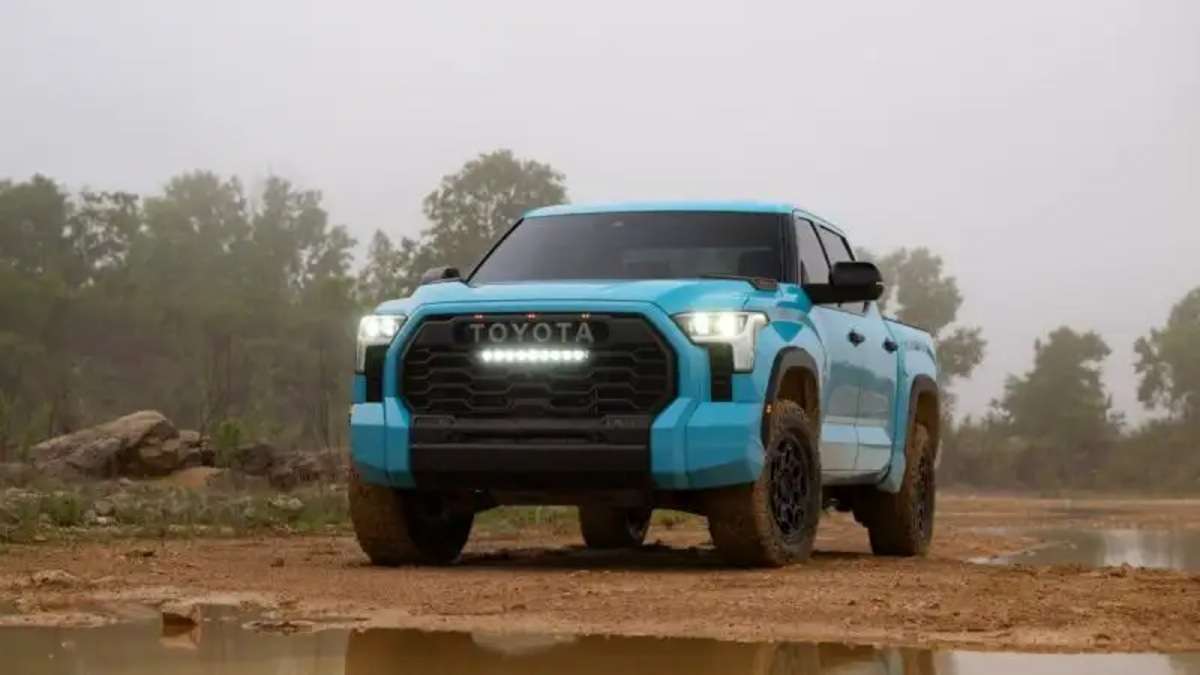

There is a particular kind of dread that only exists in the narrow window between deciding to buy a truck and actually owning it.
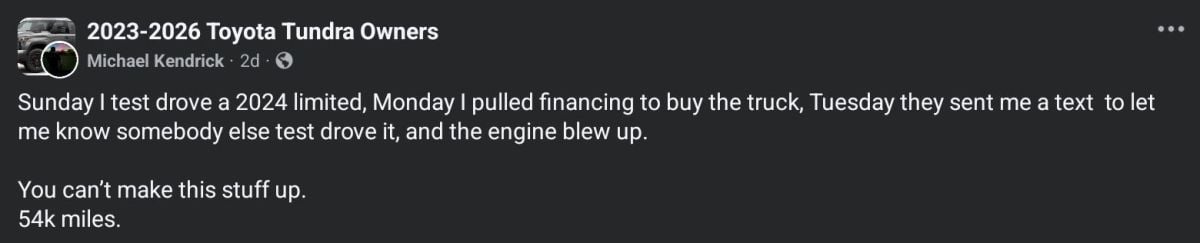
In that space, optimism is high, rationalization is complete, and the deal feels all but done, which is why a recent post in the 2023–2026 Toyota Tundra Owners group landed with such force.
One day, a test drive. The next day, financing was lined up. The third day, a text message from the dealer explained that the truck had been test-driven again and the engine had failed catastrophically.
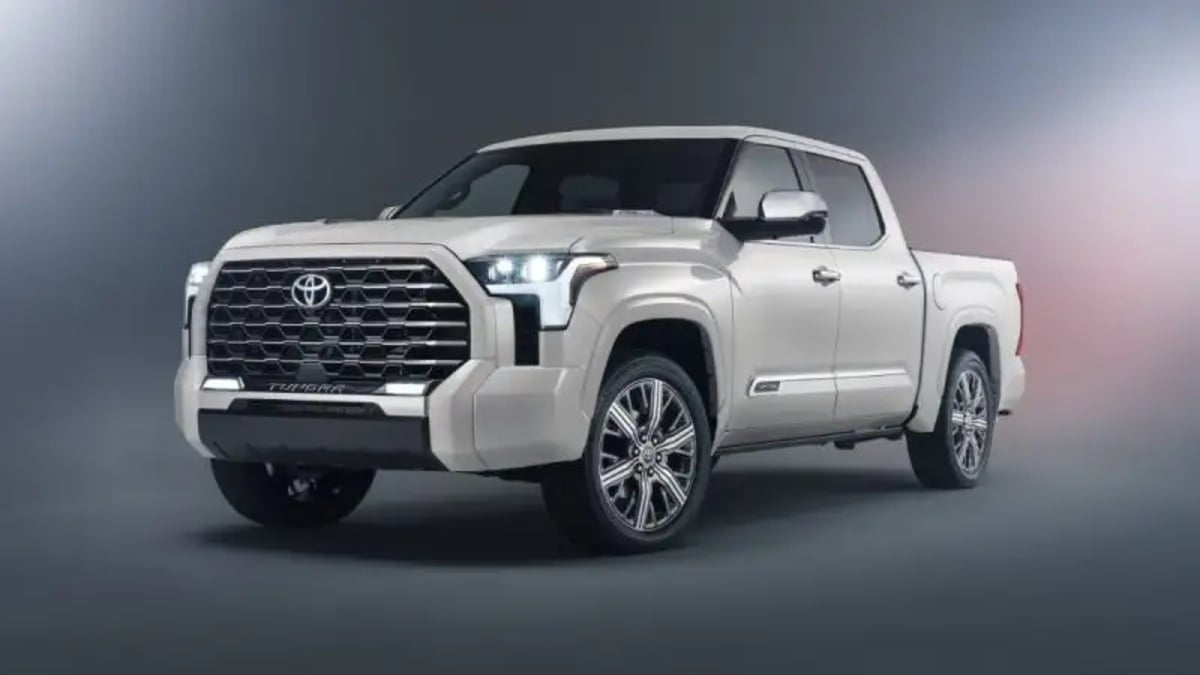
The details are almost cruel in their timing. The truck in question was a 2024 Tundra Limited with 54,000 miles. It had driven well enough on Sunday to inspire confidence. By Tuesday, it was apparently undrivable. The owner’s reaction, “You can’t make this stuff up,” captures the disbelief better than any technical explanation could. It is not just mechanical failure that stings here, but proximity.
“Sunday, I test drove a 2024 Limited, Monday I pulled financing to buy the truck, Tuesday they sent me a text to let me know somebody else test drove it, and the engine blew up.
You can’t make this stuff up.
Advertising
54k miles."
The comments quickly filled in the context that now surrounds late-model Tundras. Multiple owners pointed out that certain model years have known engine recalls, lending plausibility to the idea that this was not a random act of mechanical violence. One commenter noted that the VIN showed up on the recall list, with an additional recall related to tail lights. That matters because it shifts the narrative from bad luck to known risk, the sort that lurks quietly until it decides not to anymore.
Predictably, not everyone accepted the story at face value. Skepticism appeared in the form of jokes and disbelief, with some suggesting the engine did not actually “blow up” and that the dealer simply took another deal. That reaction is almost inevitable in online forums, where extraordinary claims invite cross-examination. Yet the recall confirmation complicates that dismissal. Engines do fail, even modern ones, and they do so most often when you least expect them to.
Toyota Tundra: Target Market & Engine Size
- The Toyota Tundra is a full-size pickup designed primarily for towing, hauling, and long-term durability.
- Recent generations use turbocharged engines rather than traditional V8-only setups, including a hybrid option.
- It is built in the United States and marketed heavily toward buyers who prioritize reliability and resale value.
- The Tundra is larger than midsize trucks like the Tacoma, which affects parking and fuel economy.
Others responded with gallows humor or philosophical resignation, framing the event as fate or divine intervention. Those comments may not advance the mechanical discussion, but they do reflect a deeper emotional truth. Buying a vehicle is not just a transaction. It is a leap of trust, one that feels personal when it nearly goes wrong. In this case, that leap was interrupted just in time.
What makes the episode instructive rather than merely unfortunate is what it says about modern truck ownership. The current Tundra is a sophisticated machine, packed with technology and performance expectations that far exceed those of its predecessors. With that sophistication comes complexity, and with complexity comes the reality that recalls are no longer rare anomalies. They are part of the ownership landscape, especially in the early years of a platform.
There is also an unspoken lesson about timing and due diligence. The fact that the failure occurred while the truck was still in dealer hands spared the would-be buyer a logistical and financial nightmare. No towing. No warranty arguments. No staring at a dead truck in the driveway, wondering how this became your problem. That is not luck in the lottery sense, but it is luck all the same.
This is less a story about a blown engine than it is about a narrow escape. The buyer lost a truck, but avoided a crisis. The dealer lost a sale, but retained responsibility. And the rest of the community gained a reminder that even trusted nameplates and well-reviewed trucks deserve scrutiny beyond a single test drive. Sometimes the best deal is the one that falls apart before you sign the paperwork.
Image Sources: Toyota Media Center
Noah Washington is an automotive journalist based in Atlanta, Georgia. He enjoys covering the latest news in the automotive industry and conducting reviews on the latest cars. He has been in the automotive industry since 15 years old and has been featured in prominent automotive news sites. You can reach him on X and LinkedIn for tips and to follow his automotive coverage.
Set Torque News as Preferred Source on Google
Follow us today...