
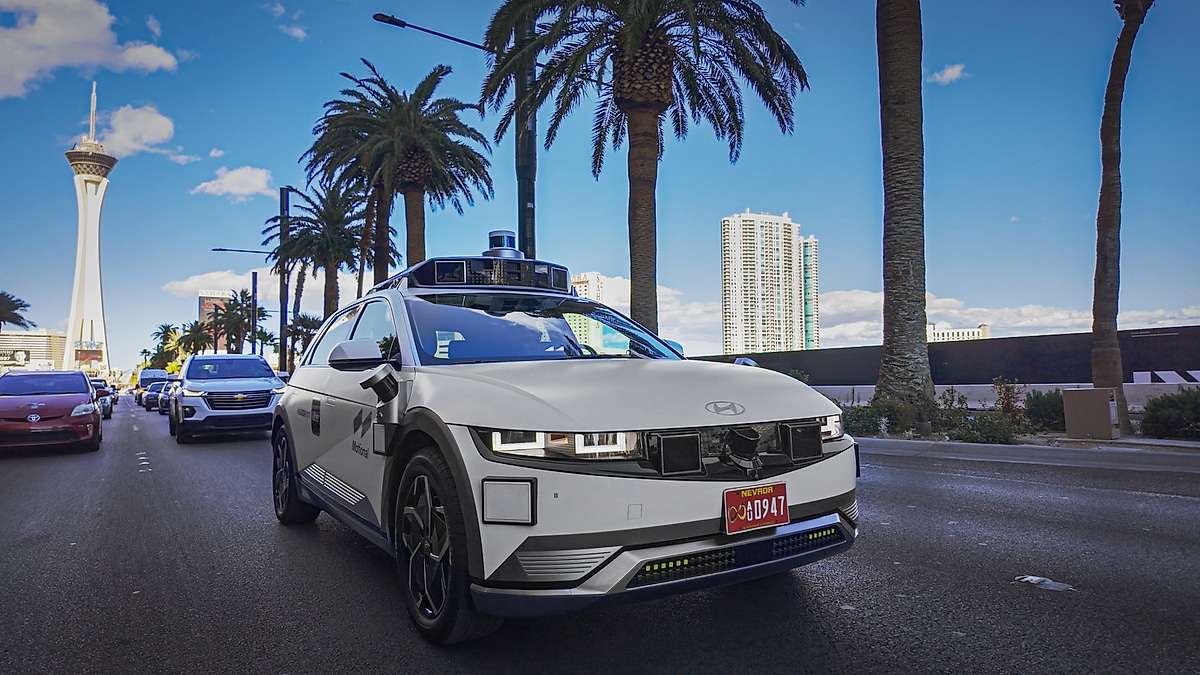

The Motional IONIQ 5 robotaxi, certified under FMVSS and rolling off an assembly line without post-production retrofitting, represents a critical data point for Hyundai's electric vehicle strategy. This is a real-world durability test under conditions far more punishing than any private owner could inflict. The consistent, high-utilization operation of these vehicles forces design and engineering issues to the surface with brutal efficiency.
What Motional learns from its fleet operating continuously with Uber in Las Vegas, particularly regarding thermal management and sensor reliability, directly impacts every consumer-grade IONIQ 5. The challenges of keeping these vehicles on the road, day in and day out, expose the fundamental compromises made in the consumer versions. The gap between a purpose-built robotaxi and a mass-market EV is where the future of Hyundai's reliability will be decided.
The lessons learned from Motional's robotaxi fleet will either quietly fix Hyundai's consumer EV reliability problems or show the company's unwillingness to apply those fixes where they matter most.
That’s the context I approached this conversation with when discussing the program with John Carano, Senior Director of Engineering at Motional.
"Running vehicles every day in a ride-hailing environment has been extremely valuable for understanding real-world durability and reliability. The Motional IONIQ 5 robotaxi is used far more than a typical personal vehicle, so we are able to see how the platform and the autonomous system perform under constant use. One of the key takeaways is the benefit of starting with a purpose-built, FMVSS-certified vehicle. Because the vehicle and the autonomous system were designed together, we are seeing strong performance in terms of reliability and consistency, even with long hours of daily operation.
We are also learning a great deal about thermal management and sensor reliability. These are critical areas when vehicles are operating continuously throughout the day, and real-world usage is giving us insights that you simply cannot get from testing alone. We are actively partnering with Hyundai Motor Group and our Tier 1 suppliers to drive improvements in these areas.
As this performance data is fed back into development, it is directly shaping the next generation of vehicles and autonomous systems. At the same time, we have gained a much better understanding of maintenance needs.
With high utilization, we can quickly identify wear patterns, adjust service intervals, and improve how we maintain the fleet to keep vehicles in service. Overall, the experience has been extremely valuable in helping us build a more reliable and scalable autonomous service."
Hyundai IONIQ 5 Robotaxi: Real-World Durability Testing
- The Motional IONIQ 5 robotaxi is FMVSS-certified and purpose-built for autonomous operation, integrating the autonomous system directly into the vehicle's design from the assembly line. This eliminates post-production retrofitting, which can introduce reliability challenges in other autonomous vehicles.
- Operating continuously in a ride-hailing environment, these vehicles accumulate wear and tear far faster than typical personal cars, providing accelerated data on long-term durability and reliability. This high utilization rate allows engineers to identify component wear patterns and system failures much more quickly.
- Key areas of focus for Motional include thermal management and sensor reliability, both of which are critical for continuous operation and are being improved through partnerships with Hyundai Motor Group and Tier 1 suppliers. These insights are directly influencing the design of next-generation vehicles and autonomous systems.
- The data gathered on maintenance needs, including adjusted service intervals and improved fleet upkeep strategies, is essential for building a scalable autonomous service. This granular understanding of component longevity under extreme use is invaluable for future EV development.
This design integration, where the autonomous system and vehicle platform are developed concurrently, is precisely what allows Motional to observe "strong performance in terms of reliability and consistency." It stands in stark contrast to many aftermarket autonomous conversions, which often wrestle with integrating complex systems into vehicles never designed for them.
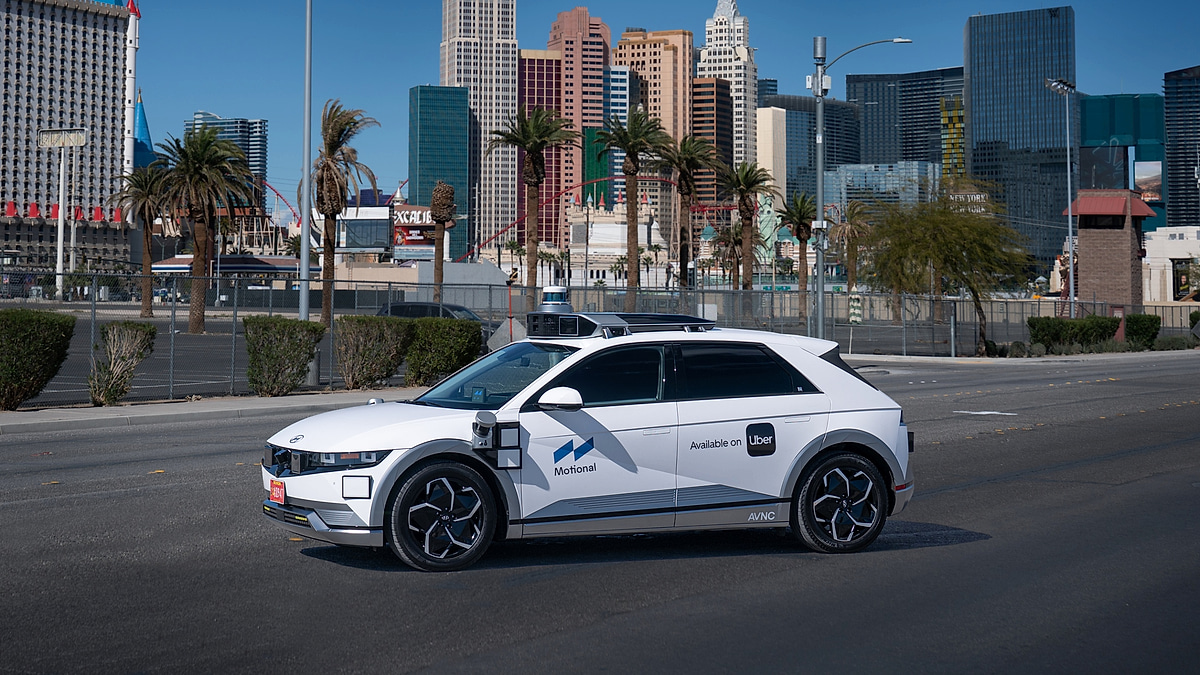
Carano's statement that "running vehicles every day in a ride-hailing environment has been extremely valuable for understanding real-world durability and reliability" is not corporate fluff; it's an engineering truism. Manufacturers spend millions simulating conditions that real-world operation exposes in weeks. The sheer utilization rate of a robotaxi fleet compresses years of typical consumer wear into months, accelerating the identification of weak points and design flaws. This is where the rubber truly meets the road for components that are often underspecified in consumer applications.
This intensive, real-world testing environment provides a unique opportunity for Hyundai to address issues that plague its consumer EVs, particularly the Integrated Charging Control Unit (ICCU) failures. The ICCU, responsible for managing charging and powering the 12V system, has been a persistent Achilles' heel for Hyundai and Kia's E-GMP platform, leading to widespread complaints and stranded owners. If the Motional IONIQ 5 robotaxis are operating reliably in a high-demand environment, it suggests that either the taxi-spec vehicles are built with more robust components, or Motional has already implemented a fix that has yet to trickle down to the consumer market. It is something that will go understated for a few years before reappearing.
Looking at their operational timeline adds another layer to this. Motional has now had these vehicles in testing and development fleets for roughly two years, and they’ve begun transitioning into commercial service with Uber in Las Vegas. That kind of sustained, high-utilization environment changes the nature of what’s being learned.
Components are cycled constantly, thermal loads don’t get time to normalize, and sensor systems are under near-permanent demand.
That’s what makes the gap between this platform and the consumer IONIQ 5 so interesting. If the robotaxi variant can sustain this level of use, it suggests that solutions to known issues may already exist in some form. The question then becomes whether those solutions are being translated into consumer vehicles, or if they remain isolated within a program that, from the outside, appears to be solving problems faster than they are being acknowledged publicly.
A vehicle engineered for autonomy from the beginning carries a different set of design priorities, particularly around durability, redundancy, and system integration. It suggests that what’s being tested here is a vehicle architecture that has already accounted for the stresses of continuous operation.
Carano's specific mention of "thermal management and sensor reliability" as "critical areas when vehicles are operating continuously throughout the day" should resonate with anyone following EV development. Overheating components, particularly in charging systems and power electronics, are not unique to Hyundai, but their prevalence in the consumer IONIQ 5 has been a significant concern. The fact that Motional is "actively partnering with Hyundai Motor Group and our Tier 1 suppliers to drive improvements in these areas" means that the data from these robotaxis is feeding directly back into the design loop. It seems like the ICCU issue doesn't affect the Ioniq 5 in taxi form, so maybe a fix exists.
The insights gained from "high utilization" allow Motional to "quickly identify wear patterns, adjust service intervals, and improve how we maintain the fleet," which are invaluable. Motional's work optimizes the entire lifecycle of an EV, not just keeping robotaxis on the road. The data on battery degradation under constant fast-charging, the longevity of suspension components on urban routes, and the real-world performance of braking systems under heavy use will inform future designs across the Hyundai portfolio. This is the kind of granular data that separates a truly durable vehicle from one that simply looks good on paper.
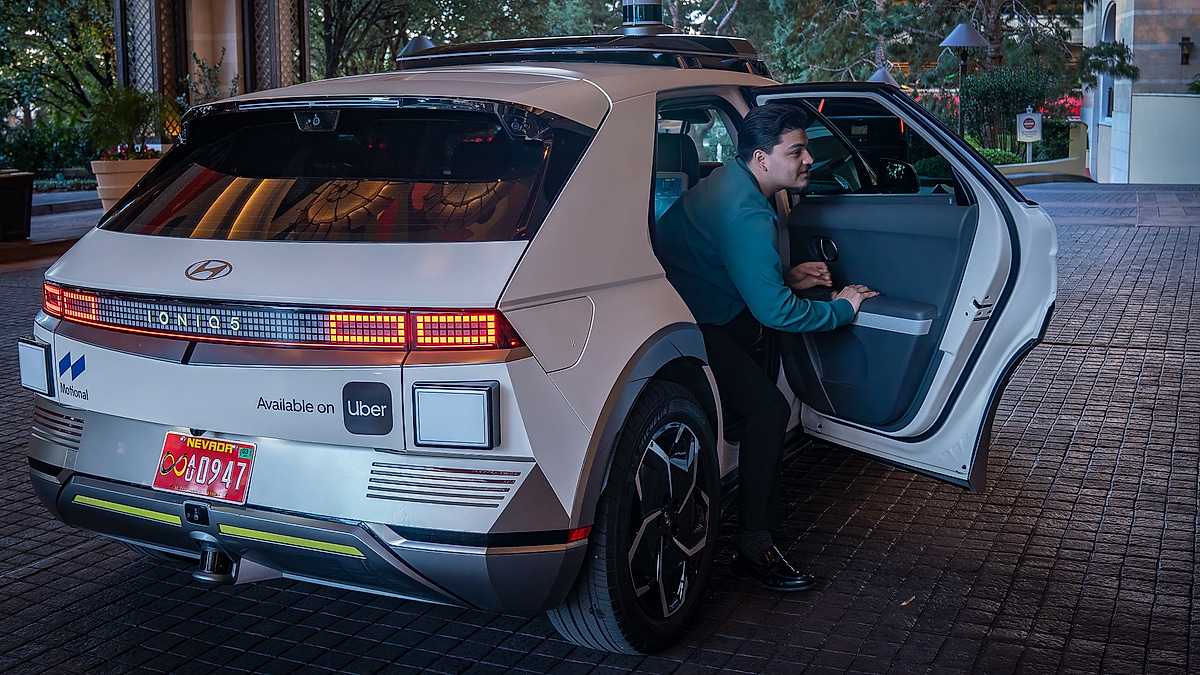
Motional's experience with the IONIQ 5 robotaxi proves Hyundai's EV technology. The intense demands of continuous ride-hailing operation expose engineering weaknesses and validate robust solutions at an accelerated pace. Hyundai has an obligation to translate these hard-won lessons, particularly regarding thermal management and component durability, directly into its consumer vehicles. To fail to do so would be to knowingly sell a less reliable product to the public, despite possessing the data and the solution.
Image Sources: Motional Media Center
About The Author
Noah Washington is an automotive journalist based in Atlanta, Georgia, covering sports cars, luxury vehicles, and performance culture. His reporting focuses on explaining the engineering, design philosophy, and real-world ownership experience behind modern vehicles.
Noah has been immersed in the automotive world since his early teens, attending industry events and following the enthusiast communities that shape how cars are built and driven today. His work blends industry insight with enthusiastic storytelling, helping readers understand not just what a car is, but why it matters.
Noah is also a member of the Southeast Automotive Media Association (SAMA), a professional organization for automotive journalists and industry media in the Southeast.
His coverage regularly explores sports cars, luxury vehicles, and performance-driven segments of the automotive industry, including the evolving culture surrounding Formula Drift and enthusiast builds.
Read more of Noah's work on his author profile page.
You can also follow Noah here:
Set Torque News as Preferred Source on Google
Follow us today...






