
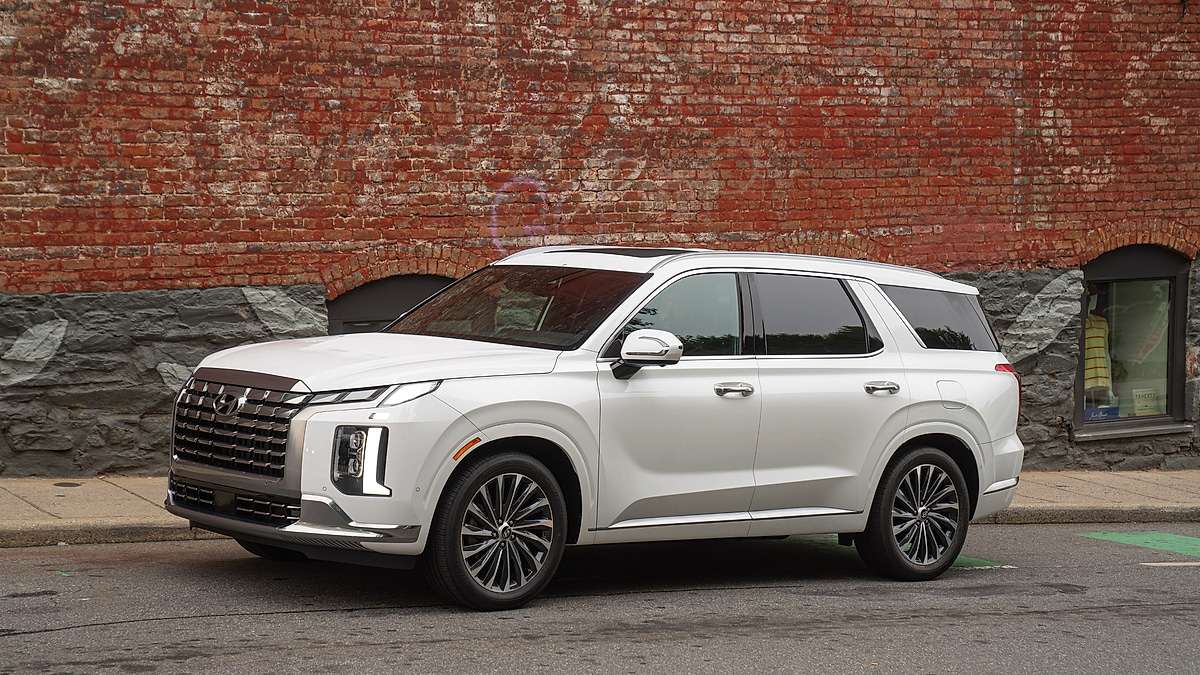

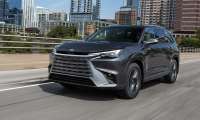
A Hyundai Palisade owner is facing a $13,000 bill for a new engine after her vehicle was returned from a Hyundai corporate "emissions testing" program with no oil. The owner, whose car had been with Hyundai for approximately three weeks, reported the vehicle began sputtering and shutting off shortly after its return. When taken to the dealership, technicians informed her the engine was "shot" due to a complete lack of oil, despite no prior leaks or smoke.
This incident exposes a potentially critical failure in Hyundai's internal vehicle handling and accountability during manufacturer-initiated programs. When a car leaves a manufacturer's care for any reason, particularly for technical evaluations, the expectation of its return in proper working order is fundamental. The idea that a vehicle could be returned completely devoid of a critical lubricant, leading to catastrophic engine failure, suggests a systemic oversight that should alarm any Hyundai owner.
This incident reveals a dangerous gap in Hyundai's quality control and post-service validation, placing the burden of corporate negligence squarely on the customer.
“TLDR: Hyundai used my mom's car for emissions testing and ran it without oil, and her engine blew after she got it back, and now they want $13000 to replace the engine.
My mom called me yesterday, saying her car was sputtering when coming to a stop and shutting off sometimes. It would start again and run fine after that, and then do the same again. She made an appointment for service to check it and took it in today. They called her a little while ago and told her that there was no oil in it, the engine was shot, and it would cost $13,000 to replace the engine.
Here's the kicker. Hyundai had contacted her years back when she had a Santa Fe and asked if they could take her car, do some emissions testing on it, give her a loaner, give her $500, and they would give it back in like 3-5 days. She sold the Santa Fe and got the Palisade in 2018, I believe, and did the same thing with emissions testing her Palisade for pretty much the same deal.
So about 3 weeks ago, she did the same thing, where they emissions tested her Palisade, she had the loaner, and they would pay her as well. When she got it back, they told her they changed the oil filter. Cut to today, when she took it in, and they told her the engine was shot and she needed a new one.
She has had no oil leaks; her driveway is clean with no spots of leaking oil. There has been no smoke coming from the exhaust, like it's burning oil like crazy. You'd think if it were burning that much oil (6.9 quarts worth in 3 weeks), there would be smoke billowing out of the exhaust when she had it, or when they had it hooked up for emissions testing.
Has anyone had the emissions testing done by Hyundai like this?
Advertising
Shes going to be talking to her insurance to see where to go from here.”
The sequence of events described by Reddit user SuperHooligan is damning: a corporate emissions test, a returned vehicle, a reported oil filter change, and then a completely dry engine three weeks later. The claim of no oil leaks or smoke from the exhaust directly contradicts the notion of owner neglect. An engine burning 6.9 quarts of oil in three weeks would leave undeniable evidence, both visually and audibly. This isn't a slow seep; it's a catastrophic loss that should have been evident to anyone, especially technicians performing an "emissions test."
Hyundai Palisade: Mid-Size SUV with Engine Concerns
- The Hyundai Palisade, introduced for the 2020 model year, is a three-row mid-size SUV powered by a 3.8-liter Lambda II V6 GDI engine, producing 291 horsepower and 262 lb-ft of torque. This engine is paired with an 8-speed automatic transmission.
- Despite its popularity, the Lambda II GDI engine family has faced scrutiny, particularly concerning oil consumption and premature wear in other Hyundai/Kia models. While not as widely reported in the Palisade, this incident indicates potential issues with maintenance protocols.
- The Palisade uses approximately 6.9 quarts of 5W-30 synthetic oil, making a complete loss of lubrication in three weeks without external signs highly unusual. This volume suggests either a massive internal failure or a complete absence of oil during the return.
- Hyundai's "emissions testing" programs are typically conducted to gather real-world data for regulatory compliance or internal R&D, often involving specialized monitoring equipment and specific driving cycles. Such programs demand thorough vehicle preparation and post-test inspection.
This situation shows a fundamental question about the integrity of Hyundai's "emissions testing" program itself. Reddit user jnecr, a "Top 1% Commenter," directly challenged this, asking: "Why are they taking her car for 'emissions testing?' That's not a thing that dealerships do." This skepticism is well-founded. The casual nature of this program, offering a loaner and $500 for a few days of testing, is concerning, especially when it involves a critical component like the engine's lubrication.
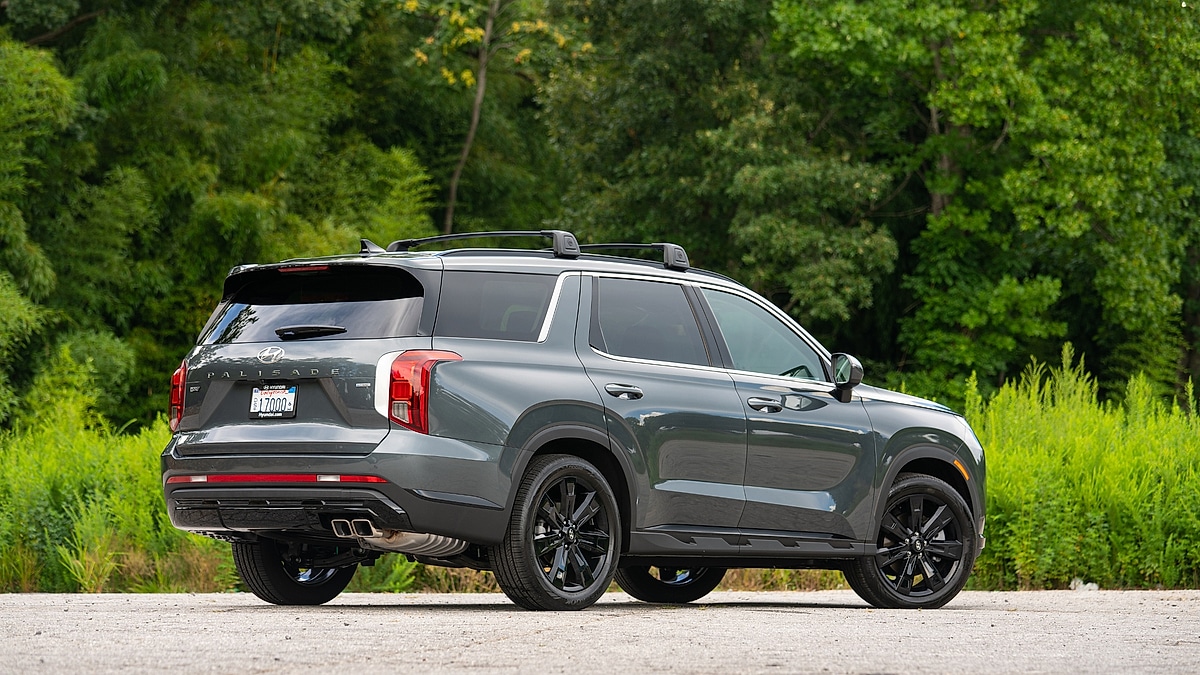
SuperHooligan, the original poster, clarified that the invitations for these tests "have always been from Hyundai corporate and the dealership she takes it to gives her a free loaner every time." This suggests a centralized, manufacturer-driven process, not a rogue dealership. This detail shifts the responsibility directly to Hyundai Motor Company, indicating that the potential for error, or worse, a lack of communication regarding critical service steps, originates at a higher level. The fact that this owner participated in similar programs with both a Santa Fe and now a Palisade suggests a pattern of corporate engagement that needs to be scrutinized for its operational safety protocols.
The immediate advice from Reddit user MooseKnuckleds was succinct: "TLDR; lawyer." This sentiment was echoed by DavoinShowerHandel1, a "Team Tucson" member, who cautioned against involving insurance first: "That's not great advice. Even if they do (they won't, it's not what insurance is for), her rates will go up, and she still won't get what she should from Hyundai. Lawyer should be the first stop." This is sound counsel. Insurance is for unforeseen accidents, not for manufacturer-induced mechanical failures. Attempting to claim this through personal auto insurance would likely be denied, or at best, result in a subrogation claim against Hyundai, but with the added penalty of increased premiums for the owner.
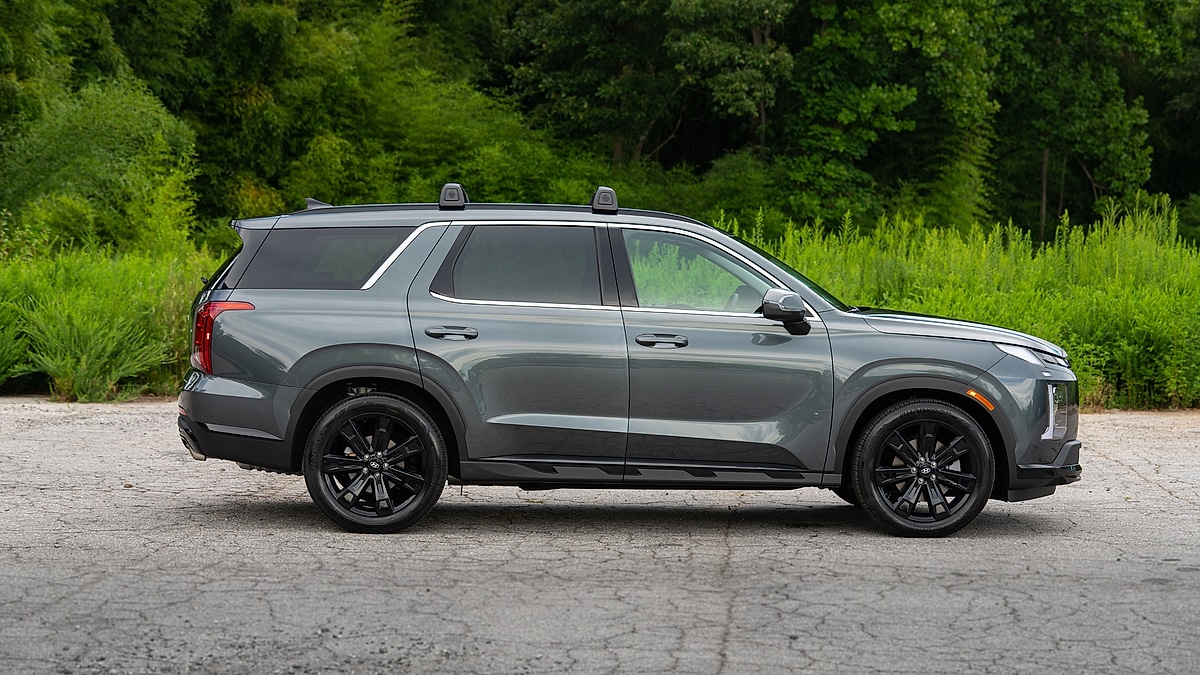
The core issue here is not a defect in the Palisade itself, but a profound failure in the human element of vehicle service and handling within a manufacturer-sponsored program. Whether it was an oversight during the "emissions testing" or a botched oil filter change upon return, the responsibility for ensuring the vehicle is returned in a safe, operational state rests entirely with Hyundai. The $13,000 repair bill is a direct consequence of their actions, or inactions, and should not be borne by the customer. This is not a warranty claim; it is a claim for damages caused by the party that last serviced the vehicle.
Hyundai's corporate emissions testing program, as described, appears to have directly led to the catastrophic failure of a customer's Palisade engine. The evidence points away from owner negligence and squarely towards a lapse in protocol during the manufacturer's care. For Hyundai to demand $13,000 for an engine replacement under these circumstances is an insult, reflecting a profound indifference to customer trust and accountability. The owner should not pay a dime. Hyundai should cover the full cost of the engine replacement, provide a suitable loaner during the repair, and offer additional compensation for the inconvenience and risk their program imposed. Anything less is an admission of corporate malpractice.
Image Sources: Hyundai Media Center
About The Author
Noah Washington is an automotive journalist based in Atlanta, Georgia, covering sports cars, luxury vehicles, and performance culture. His reporting focuses on explaining the engineering, design philosophy, and real-world ownership experience behind modern vehicles.
Noah has been immersed in the automotive world since his early teens, attending industry events and following the enthusiast communities that shape how cars are built and driven today. His work blends industry insight with enthusiastic storytelling, helping readers understand not just what a car is, but why it matters.
Noah is also a member of the Southeast Automotive Media Association (SAMA), a professional organization for automotive journalists and industry media in the Southeast.
His coverage regularly explores sports cars, luxury vehicles, and performance-driven segments of the automotive industry, including the evolving culture surrounding Formula Drift and enthusiast builds.
Read more of Noah's work on his author profile page.
You can also follow Noah here:
Set Torque News as Preferred Source on Google
Follow us today...





Comments
That would be classified as…
Permalink
That would be classified as service policy and look after the customer. Admit a human mistake was made and make it right. Why would it be the customers issue or the manufacturers responsibility.
This is going to be an…
Permalink
This is going to be an interesting case to watch and also a tough legal case to win.