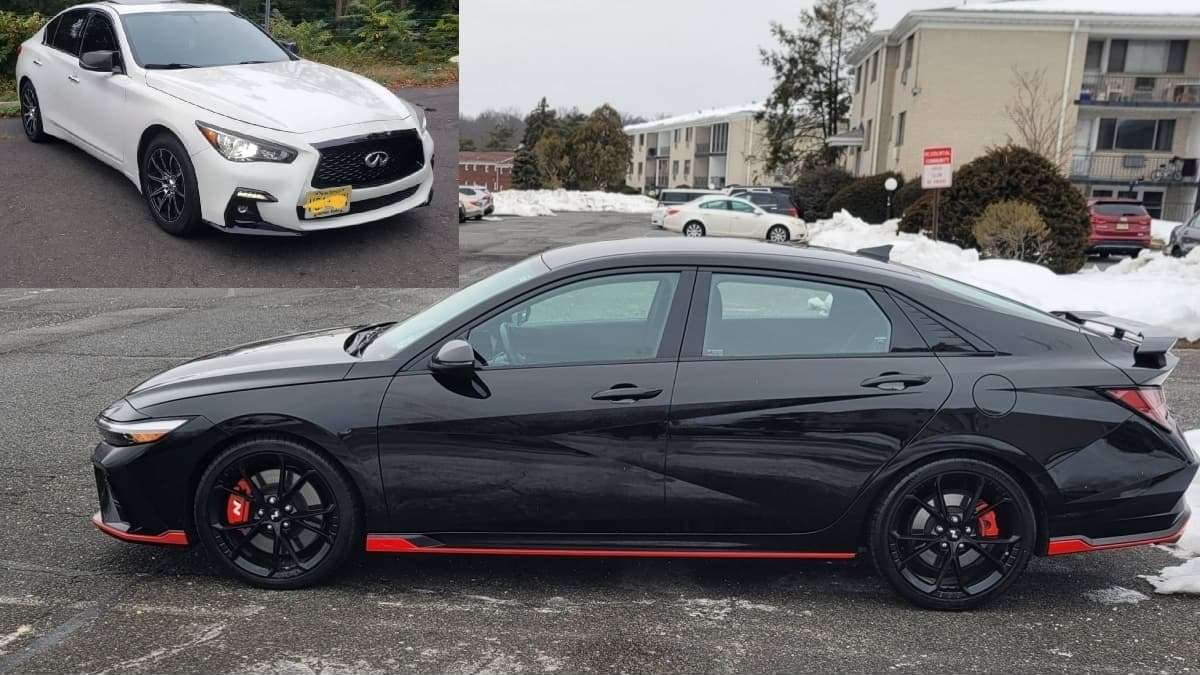

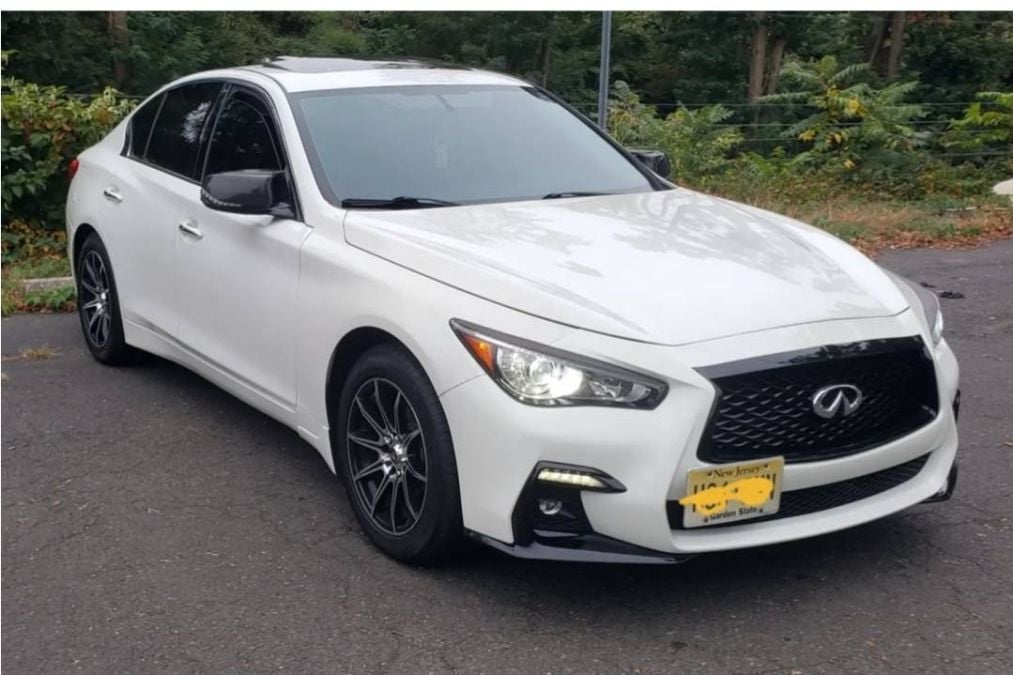
Every car community has something to say about other vehicles, and the Infiniti Q50/Q60 group on Facebook is no exception. Every now and then, one has to move away from their current car and onto something else, whether it be due to reliability issues, age, or another reason. This particular (now former) Infiniti Q50 owner decided to change cars because of what he describes as “plenty of repairs”, but fellow owners question whether his new purchase is any better.
This raises a valid question regarding which cars are worth buying if you are looking for reliable performance, and whether horsepower is everything that matters in a fun car that also has to perform daily-driver duty. Here’s what the owner says:
“Earlier this week (Feb 9th) I traded in my Q50 for a brand new '24Hyundai Elantra N, only 9388 miles on it. My Q50 had 168k miles on it. I had to make plenty of repairs, so it wasn't worth it. Take care, everyone.”
Peace of mind above performance
On the surface, the change of vehicle seems like a downgrade. The high-mileage Q50 that the owner got rid of is a 2015 Q50 3.7 AWD. This means 328 horsepower and 269 pound-feet from a variant of the 370Z’s VQ37HR engine. That’s more than the Elantra’s 276 horsepower and 280 pound-feet from a 2.0-liter, turbocharged inline-four. But displacement and horsepower figures do not tell the whole story.
Despite being front-wheel-drive, the Elantra N beats the Q50 to 60 mph, with a time of as little as 4.7-5.0 seconds (with the eight-speed DCT automatic) versus the Infiniti’s 5.3-5.6 seconds. Part of that is due to the weight difference. The Hyundai is almost 500 pounds lighter, and despite the “wrong-wheel drive”, it comes with a limited-slip differential, which helps put the power down more efficiently.
When do you know it’s time to change the car?
This isn’t the first time I have seen people with performance vehicles switch to a lesser model, for the sake of reliability. It seems peace of mind is becoming a property even among car owners who value performance. One owner was so fed up with his Kia Stinger giving him problems that he switched to one of the most boring, but dependable vehicles ever made - a Toyota Corolla.
At 168,000 miles, you are bound to have car issues, especially if the vehicle wasn’t maintained properly. Modern vehicles, due to more tech and tighter tolerances, are less forgiving if you neglect the oil-change intervals. In my personal experience, I would change a car when the repair bills start becoming too frequent and too expensive. If a repair bill exceeds half the current market value of a car, I’d say it is time to think about an upgrade.
Valid warnings of gatekeeping?
Many Infiniti owners from the group do not approve of their fellow member’s choice. Obviously, how one spends their money is entirely their decision. “Bro traded problems for more problems”, one user says, and others chimed in with similar comments. But are these warnings valid or just a classic case of peer pressure?
Elantra N common problems
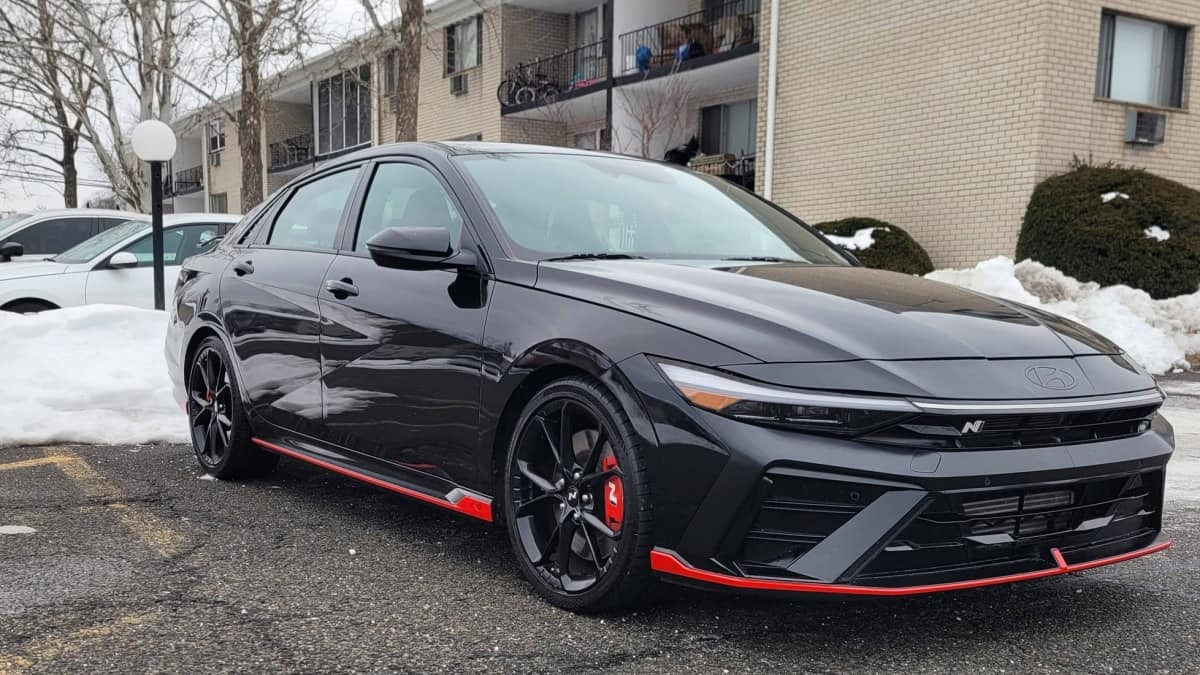
The Elantra N has only been on the market since 2022, so it is a fairly new model, and common issues are not well-known or documented. The bad reputation has more to do with the Korean brand’s recent reliability issues and questionable build quality. That said, there are a few notable things to look for. According to Copilot research, some Elantra N models can have these issues:
- Bogged air compressor
- Ignition problems - difficult starts
- Intake system
- Engine stalling and/or misfiring
Some owners also mention the DCT transmission oil pump, for which a recall was issued on 10 July 2022.
These issues are mostly limited to the 2022 model year (Kona N is also affected), so any other year should be fine. Hyundai recently issued the most comprehensive recall, enveloping models produced all the way back in 2007, which certainly inspires confidence. Even so, the aforementioned issues are not serious, and the Elantra N has a much better reputation for reliability, compared to their more mainstream counterparts.
Infiniti Q50 common problems
The Q50 is a fairly solid vehicle, but not without flaws, especially in early model years. In the case of the 3.7-liter unit, these are the common problems:
- Timing-chain gallery gasket
- Plastic coupler connector - may leak oil, and needs to be replaced with a metal one
- Excessive oil consumption
- Drive-belt tensioner failure
- Steering rack
The seven-speed automatic is also known to be fairly reliable, but may experience harsh shifting. This is usually due to old transmission fluid, valve-body failure, TCM issues, hybrid battery (on the 3.5-liter hybrid), throttle body issues, or simply due to the transmission’s “learning process”, adapting to your driving.
In the end, no car is perfect, and there will always be long-term issues. What matters is that the car you buy serves your needs. I almost switched to a boring, but reliable vehicle, after having issues with my own sports car, but decided it would still be cheaper to fix what I currently have, especially considering all the previous repairs done. I am curious to know what you would have done? Would you have made a different choice? Share your thoughts in the comments below.
Related stories:
The Bargain Japanese Sports Car That No One Talks About
Source: Infiniti Q50/Q60 on Facebook
Dimitar Angelov's automotive interests made him an expert in a wide variety of vehicles. Over 10 years of experience make him an expert in creating car content. Japanese brands like Toyota and Nissan are closest to his heart, but he is especially passionate about performance cars. Dimitar Angelov's car passion and knack for the written word led him to complete a Master of Arts in Media and Communications, and classic car restoration. Dim is happy to get behind the wheel of any car and share his impressions. You can follow Dimitar on X, LinkedIn, Instagram, and Facebook.
Set Torque News as Preferred Source on Google
Follow us today...