
As someone who has spent the last 15 years covering the auto industry, one lesson keeps repeating itself: the most revealing insights rarely come from press launches or earnings calls. They come from real people, in real cities, using cars as tools, not as talking points.
That’s why a recent post by Dan Achatz in The Ioniq Guy Facebook group caught my attention. Dan isn’t an analyst, a lobbyist, or a brand evangelist. He’s an Ioniq 5 owner who spent 10 days in Mexico City, rode in a wide range of EVs, and came back with observations that quietly challenged some deeply held assumptions many of us in the U.S. EV bubble take for granted.
What followed was an unusually rich comment thread touching on global EV adoption, ride quality, Chinese automakers, Tesla’s evolution, Hyundai’s strengths and weaknesses, and even the surprisingly emotional debate over EV pedestrian noise. It’s worth unpacking carefully, because buried in this conversation are clues about where the EV market is actually headed - not just where we think it’s headed.
What Dan Saw and Didn't See in Mexico City
Dan’s post starts with a simple inventory. Not speculation. Not sales charts. Just what he actually saw on the streets.
Here’s his full statement, quoted directly:
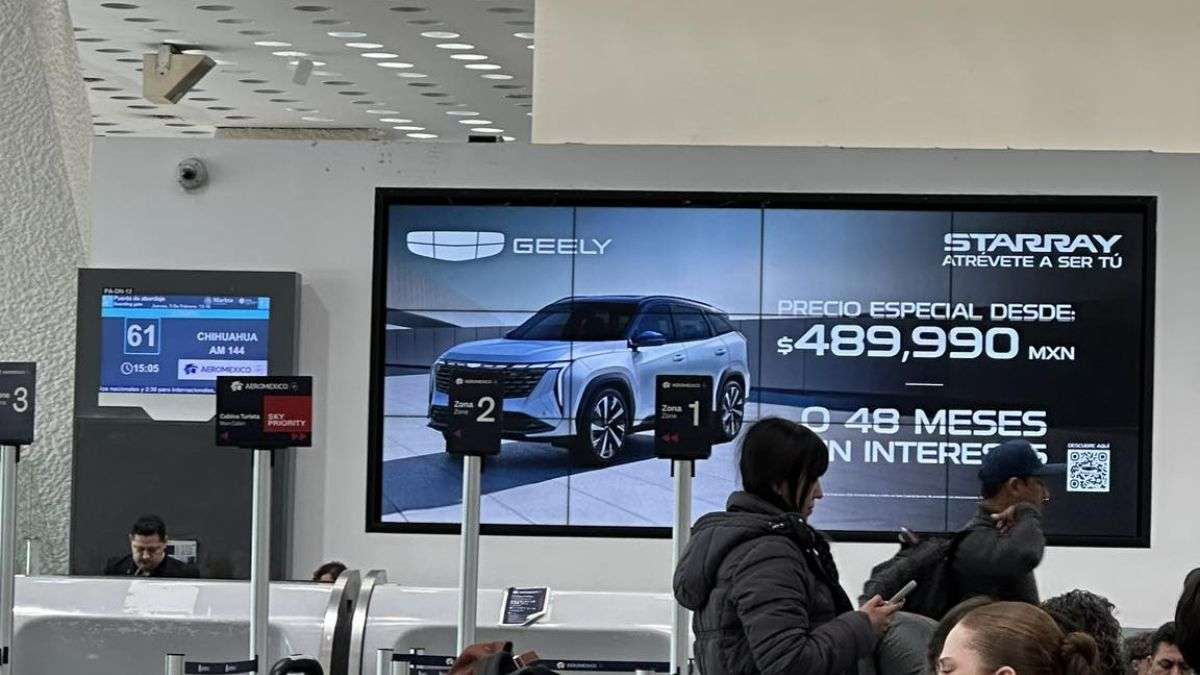
“I just got back from 10 days in Mexico City. EV’s that I did not see there include the Ioniq 5,6 and 9, the EV3,6 and 9, and the Mach E. What I did see was, the Tesla Models 3, Y, X and Cybertruck, the Volvo EX30, the Mercedes EQB and tons of Chinese EV’s including models from Geely, BYD, GWM, and a few that I’m forgetting. Many of the Uber cars were Chinese EV’s.”
That list matters.
Hyundai and Kia are often framed in U.S. media as the “EV disruptors” nipping at Tesla’s heels. Yet in one of the largest, densest cities in North America, they were effectively invisible, at least from Dan’s vantage point.
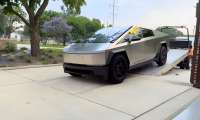
Tesla, meanwhile, was everywhere. Not just Model 3s and Ys, but Model Xs and even Cybertrucks, which is notable given how new and polarizing that vehicle still is.
And then there were the Chinese EVs. Not parked as curiosities. Not tucked away in upscale neighborhoods. Working. Doing Uber duty. Carrying people every day.
That alone tells us something important: Chinese EVs aren’t just competitive on paper. They’re commercially viable in harsh, real-world conditions.
Ride Quality To Seattle Airport: Where the Conversation Gets Personal
Dan didn’t stop at spotting cars. He rode in them, and compared them directly to his own long-term ownership experience.
He wrote:
“On my way to the airport in Seattle our Uber car was a 3 year old model Y. The ride was not good, at least in comparison to my 4 year old Ioniq 5.”
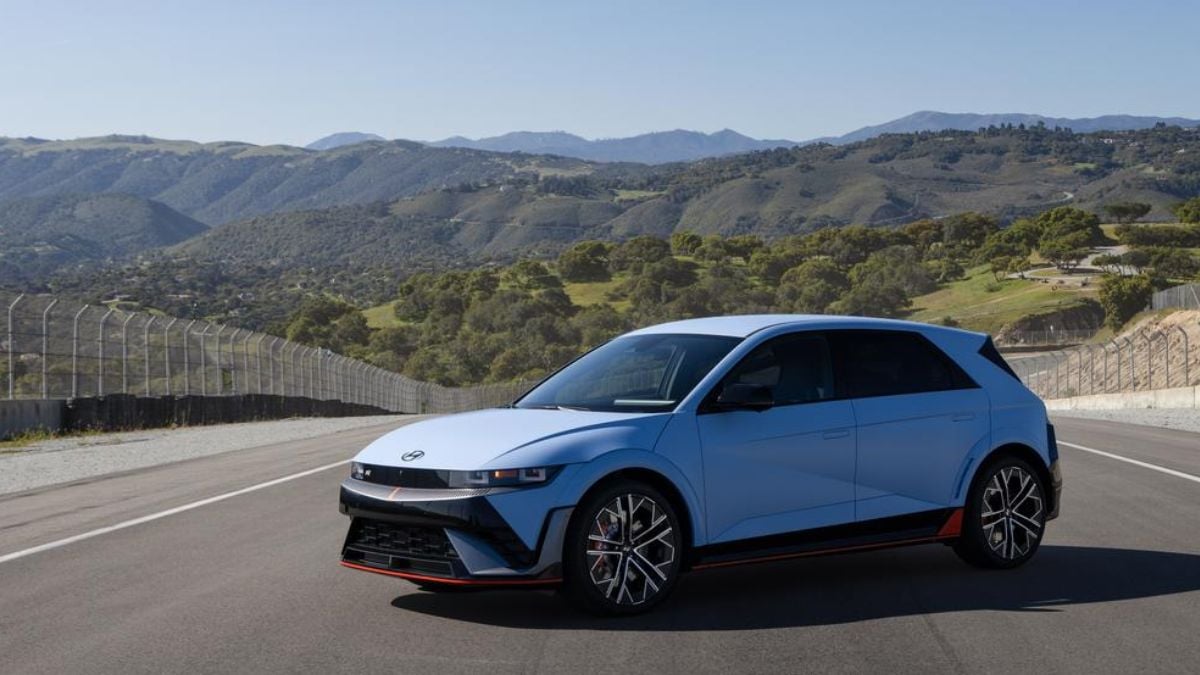
This isn’t a new criticism. Early Model Ys were widely known for stiff suspension tuning, especially compared to Hyundai’s E-GMP-based vehicles. What makes Dan’s observation useful is the context: this wasn’t nostalgia or theory. It was a back-to-back, passenger-seat comparison.
Then came the comment that really lit up the thread:
“I went for an Uber ride in a BYD Seal. It was very smooth and quiet. The fit and finish was very good. Better than the Tesla Model Y and It rode much better than the Model Y.”
That’s not an anti-Tesla screed. It’s a statement about ride tuning and interior execution, two areas where Chinese automakers have been investing heavily — and quietly — for years.
From my own experience testing EVs across price segments, I’ll say this plainly: ride quality is becoming a competitive battlefield, not an afterthought. Hyundai understood this early with the Ioniq 5’s long wheelbase and softer damping. BYD appears to understand it now. Tesla, to its credit, is learning fast.
Even Tesla Owners Acknowledge the Change
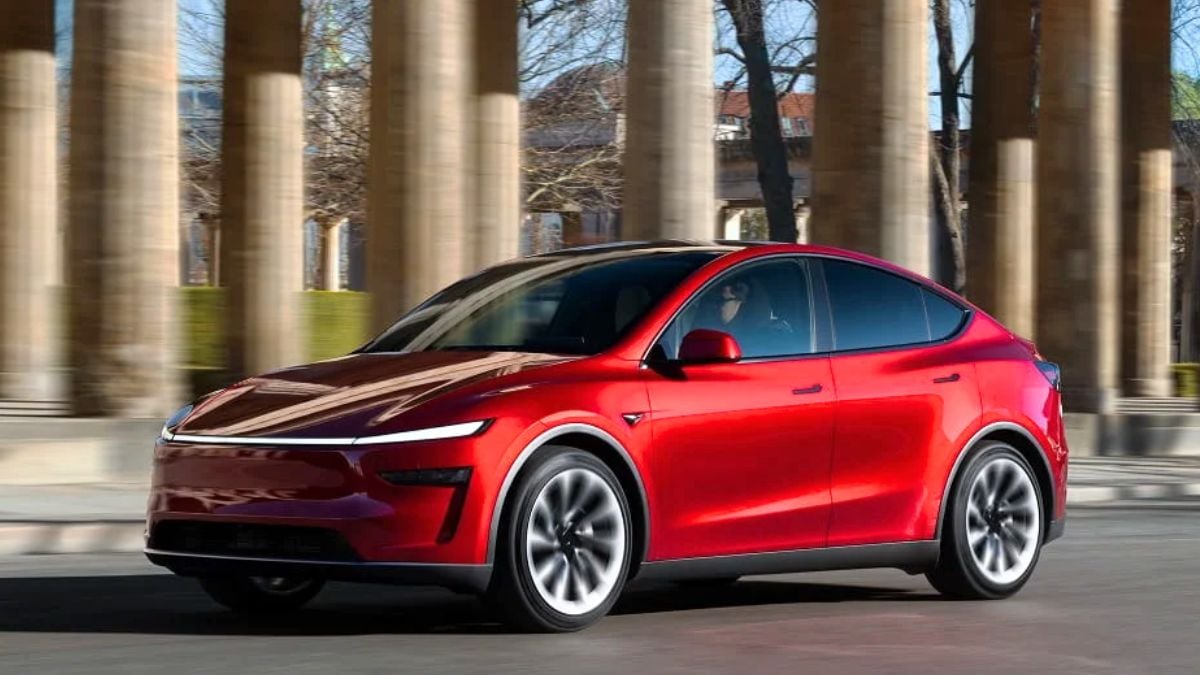
One of the more constructive parts of the discussion came when commenters acknowledged that Tesla has improved, as witnessed by this Model Y Oerformance owner.
Tom Adda wrote:
“The newly refreshed '25/26 Model Ys have been dramatically improved as far as ride quality goes...Tesla let me have a new MYP for the day and I was kind impressed with ride quality and performance...”
Dan agreed, adding more context:
“I agree, I rode home from SeaTac in a 2026 Model Y with 7,000 miles on it. Much smoother than the older Model Y, still not as good as the BYD Seal or my Ioniq 5.”
This matters because it shows something we don’t always get in online debates: nuance.
Tesla’s early EV advantage was software, charging, and efficiency. Ride quality lagged. Now it’s improving. Meanwhile, Hyundai and Chinese brands are defending their early strengths in comfort and refinement.
This is how competition is supposed to work.
The Chinese EV Question the U.S. Still Doesn’t Want to Face
Dan’s next observation cuts straight to the heart of the geopolitical tension surrounding EVs:
“A look at Chinese EV prices shows why US automakers don’t want Chinese cars here.”
That single sentence explains more than most trade white papers.
Chinese automakers aren’t just cheaper because of labor or subsidies. They benefit from vertically integrated supply chains, aggressive domestic competition, and a home market that forces rapid iteration. BYD, for example, makes its own batteries, power electronics, and software stacks.
Chris Tall, commenting from the UK, added international perspective:
“We're getting the Chinese Mazda 6 e in the UK soon. Sells in China for $16000. It'll be about £45000 here/$62,000. 0-60 in 8-9 seconds and 100kw charging. Its going to make Ioniq 6's in the US look popular.”
That price delta isn’t accidental. It’s structural.
From an industry standpoint, I’ve long believed Chinese EVs represent the most serious long-term threat to legacy automakers, not because they’re perfect, but because they’re good enough at a price point others can’t touch.
EV Noise: The Unexpected Flashpoint
What surprised me most was how quickly the discussion pivoted to EV pedestrian noise, a topic that often flies under the radar.
Craig Carlson raised a safety concern:
“All vehicles should make noise. Blind people cannot see cars - only hear them.”
Dan pushed back, arguing the current implementation is excessive:
“Most luxury ICE cars make far less noise than US EV’s at low speed. I don’t know why our cars have to sound like a Buick Riviera going 30 MPH in reverse whenever we are under 25 MPH.”
Vytautas Šeirys added a visceral ownership perspective, especially regarding newer Ioniq 5s:
“The whine get louder and louder as you speed up until its gone and is so noticeable, that I now on purpose try to get above that speed so I can drive quiet, ridiculous...”
From a regulatory standpoint, Roderick Winfield Smith brought needed clarity:
“The EV noise below a set speed has nothing to do with where it’s made or who the manufacturer is; it has to do with the regulations where it’s sold.”
He’s right. In the U.S., pedestrian warning sounds are mandated. Mexico’s regulations differ. Tesla delayed compliance as long as legally possible.
From my editorial seat, I’ll add this: the intent of the regulation is sound, but execution matters. When owners describe hearing the noise inside the cabin, something has gone too far. This is an area where automakers can, and should, do better.
Reliability, Facebook Groups, and the ICCU Effect
No Ioniq 5 discussion is complete without mentioning the ICCU issue, and it surfaced here too.
Kip Garrison remarked:
“They’re probably the best car on the market since they don’t have ICCU failures.”
Dan countered with experience and perspective:
“My 2022 still has it’s original ICCU and 86,000 miles.”
Then he made a point I’ve seen proven again and again:
“The problem with any Facebook group is that things that are not that common get amplified.”
This is something we’ve explored in depth at Torque News, including in our coverage of a 273,310-mile Hyundai Ioniq 5 whose owner reports the battery still showing 99.7% health, a real-world data point that challenges the idea that these cars are fragile or disposable.
Outliers exist - good and bad. The danger is mistaking them for the norm.
This is also where Hyundai’s otherwise strong Ioniq reputation runs into real-world friction. While long-term ownership stories continue to show impressive durability, unresolved service issues can quickly overshadow those positives. We’ve documented how some Ioniq owners are still waiting months for ICCU replacements, with corporate responses leaving drivers uncertain about timelines and next steps — a situation that has understandably fueled anxiety in owner communities and amplified perceptions of unreliability online, even as many high-mileage Ioniq 5s continue operating without issues. That disconnect between actual failure rates and customer experience is something Hyundai still needs to address head-on, as we detailed in our earlier reporting on ICCU delays and owner frustration
Where My 15 Years in This Industry Leave Me
After reading Dan’s post and every comment, here’s my honest takeaway.
The global EV story is fragmenting.
- Tesla still dominates visibility and charging ecosystems.
- Hyundai builds some of the most comfortable, well-balanced EVs on the road.
- Chinese automakers are quietly mastering value, refinement, and scale.
- Regulations, not engineering, often dictate user experience.
- Online communities amplify extremes — both praise and criticism.
I’ve thoroughly tested both the Hyundai Ioniq 5 Limited and the high-performance Ioniq 5 N, and my conclusions weren’t universally popular, but they were grounded in real seat time and data.
That’s what this conversation ultimately reinforces: EVs are no longer a monolith. They’re diverging in philosophy, tuning, and priorities. And that’s good for consumers.
Dan didn’t set out to start a debate. He just reported what he saw. And that’s precisely why his post mattered.
Sometimes the most valuable automotive insights don’t come from a test track or a press release — they come from 10 days in a city, a few Uber rides, and an honest comparison to the car in your own driveway.
Now I want to hear from you.
Have you noticed certain EV brands dominating in cities outside the U.S. while others remain invisible?
And how do you feel about low-speed EV noise — necessary safety feature, or poorly executed regulation?
Share your experience in the comments. That’s where the real story always continues.
Armen Hareyan is the founder and Editor-in-Chief of Torque News. He founded TorqueNews.com in 2010, which since then has been publishing expert news and analysis about the automotive industry. He can be reached at Torque News Twitter, Linkedin, and Youtube. He has more than a decade of expertise in the automotive industry with a special interest in Tesla and electric vehicles.
Set Torque News as Preferred Source on Google
Follow us today...