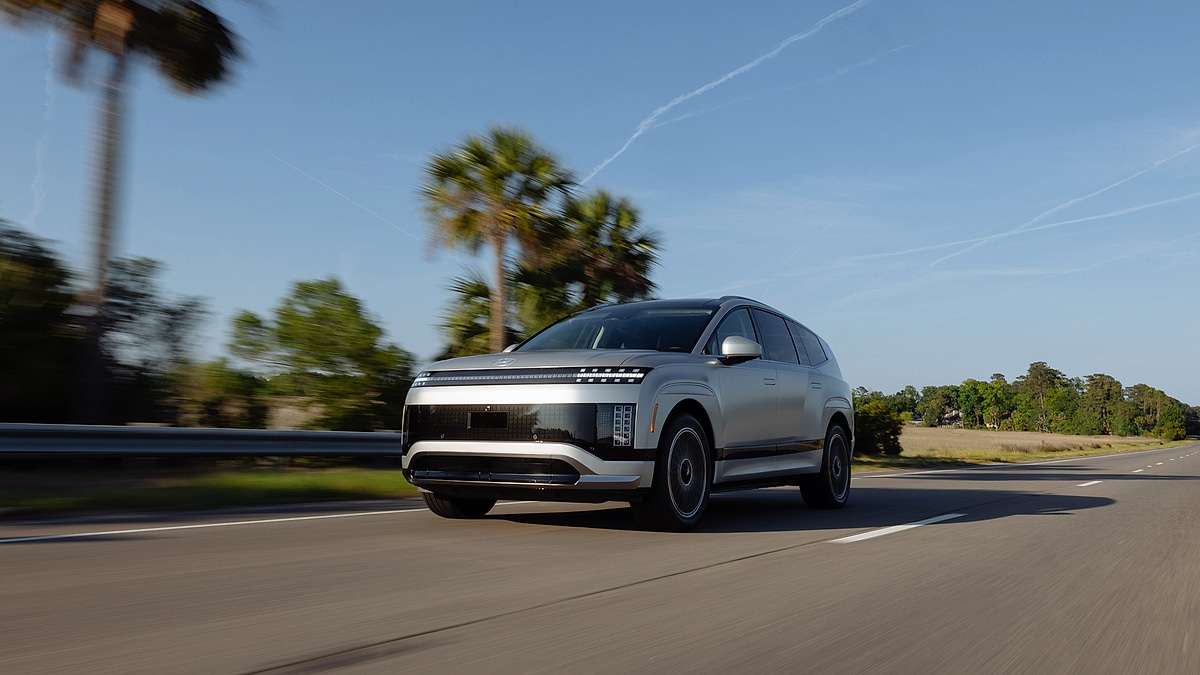

A new 2026 Hyundai Ioniq 9 Calligraphy, the top trim, was delivered to a customer with a non-functional digital rearview mirror, a grinding driver's seat, and a Smart Park Assist feature that refused to activate. The owner, who had driven the car less than 20 miles, returned it to the dealership for repairs, only to be provided a rental minivan and left without clear communication for two weeks. A few minor defects are not the issue; the issue is a fundamental breakdown in the delivery process for a flagship EV.
This situation reveals a deeper systemic issue within Hyundai's retail and service network: a profound disconnect between what is sold, what is delivered, and what the dealership staff actually understands about the product. When a manufacturer launches a high-tech, premium-priced EV, the expectation is that the entire ecosystem, from sales to service, is prepared to support it. That clearly isn't happening here.
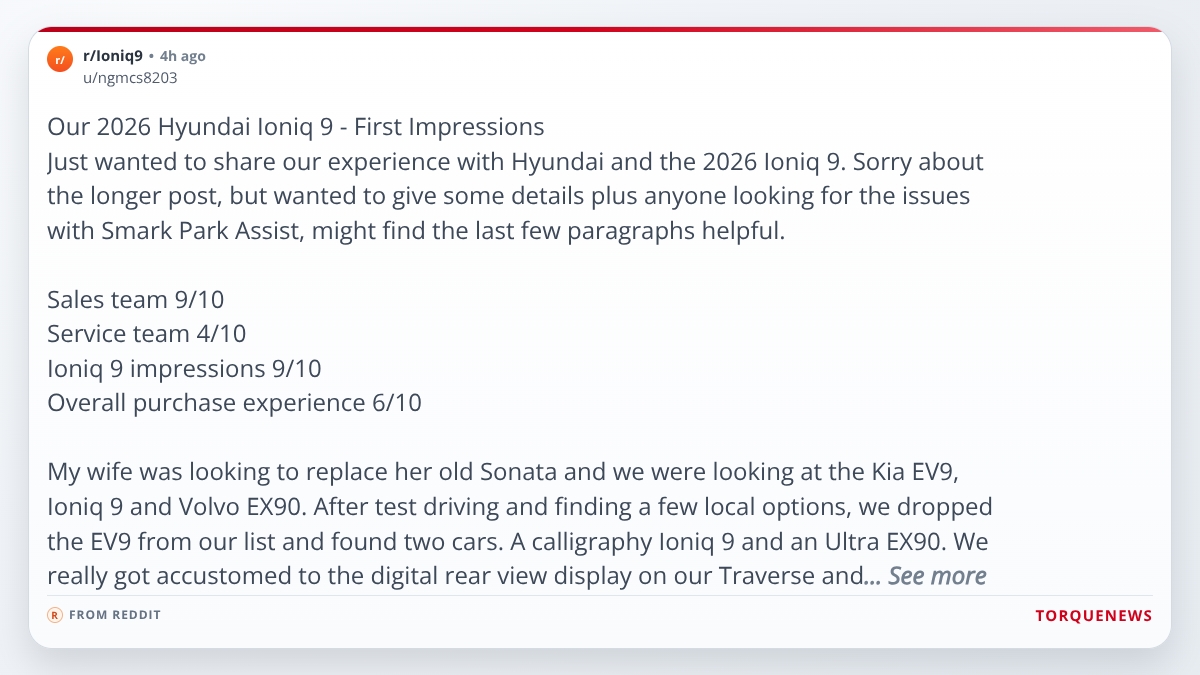
"Just wanted to share our experience with Hyundai and the 2026 Ioniq 9. Sorry about the longer post, but wanted to give some details, plus anyone looking for the issues with Smark Park Assist might find the last few paragraphs helpful.
Sales team 9/10
Service team 4/10
Ioniq 9 impressions 9/10
Overall purchase experience 6/10
My wife was looking to replace her old Sonata, and we were looking at the Kia EV9, Ioniq 9, and Volvo EX90. After test-driving and finding a few local options, we dropped the EV9 from our list and found two cars. A calligraphy Ioniq 9 and an Ultra EX90. We really got accustomed to the digital rear-view display on our Traverse and liked some of the upgrades on the Ioniq more than the EX90. So, since the EX90s didn't automatically come with the digital mirror, we decided to go with the Ioniq.
When we test drove the Ioniq 9, everything seemed good aside from the smart park assist not working (it was definitely strange that the sales guy was trying to market the product as you see on YouTube videos, but it wasn't working). However, the salesperson assured us that we would get a car with that working.
So a few days passed, and we went in and chose our car on a Saturday. We were told that we could schedule an appointment first thing Monday morning, so we signed and got ready to go. Only to find out that the digital rear view mirror was not working, and the driver's seat adjustment was making a grinding noise when adjusting. We mentioned it to the sales team, and they said that the team would fix it on Monday.
We drop the car off and are told that it might take a while to diagnose and repair the three main issues. At this point, we had put less than 20 miles on the car (mostly driving back and forth from the dealership).
We were not given a Hyundai, but rather sent to a local rental place and given a minivan. Yeah, I get it, it's not Mercedes, but at least GM would give me an Acadia Denali when I took my Yukon Denali in for service.
Advertising
Monday goes by, no word. Tuesday afternoon rolls around, and I finally decide to call the service team. We were told that they had no idea what was going on yet, but were still diagnosing.
Fast forward two weeks: They ordered and repaired the digital mirror, the seat motor wasn't the issue, and they think it is the track. It's backordered and may not be available for another 30-45 days. The best part?
After being told by the service team that, since it wasn't on the sticker, they didn't think Smart Park Assist was part of my purchase, they didn't know how to fix it.
I did my own googling and found a few Reddit posts about it magically appearing on the dash as an upgrade, a week or two after owning the car. Since the service team was MIA when it came to communicating the process, I was mostly texting/calling the sales team. The GSM found posts on the issue and even went as far as calling other Hyundai dealerships in the state, trying to figure out why it wasn't working.
Turns out, according to the dealership in SoCal, that the tech came from Kia but is a paid add-on with them; however, since it is standard on the Calligraphy, it can only be added via an upgrade that randomly shows up after owning the car and having an account with the Hyundai app for a few weeks. All of the Calligraphy trims on their lot had the same issue, and I guess nobody ever noticed it or bothered to complain.
Anyway, we finally have our car. Still have to take it in for repairs in a month or so, but wanted to mostly share the "discoveries" the GSM found about the smart park assist. Just annoyed that Hyundai doesn't seem to communicate that issue and "solution" to the rest of their teams so that consumers aren't left having to figure this out themselves."
2026 Hyundai Ioniq 9: Flagship EV's Rocky Launch
- The 2026 Hyundai Ioniq 9 is the brand's new three-row electric SUV, positioned as a premium offering with advanced technology like digital rearview mirrors and Smart Park Assist. It competes directly with vehicles like the Kia EV9 and Volvo EX90 in the growing electric SUV segment.
- The Calligraphy trim is the top-tier variant, expected to include all available features as standard, reflecting its higher price point and luxury positioning within the Ioniq lineup. This trim is designed to reveal Hyundai's most innovative technologies.
- Smart Park Assist, a feature designed to automatically park the vehicle, was a key selling point for the Ioniq 9, but its activation appears to be tied to a delayed software update and Hyundai App registration. This shows a growing trend of software-gated features in modern vehicles.
- The owner's experience involved a new vehicle being out of service for two weeks for initial defects, with a critical part (seat track) back-ordered for an additional 30-45 days. This extended repair time for a brand-new vehicle is a significant concern for early adopters.
The initial defects, a broken digital mirror and a grinding seat mechanism, are concerning enough on a brand-new vehicle, especially one with less than 20 miles on the odometer. This suggests either a failure in Hyundai's factory quality control or a pre-delivery inspection process at the dealership that is, charitably, inadequate. The fact that the seat track is back-ordered for 30-45 days means this owner will be living with a partially broken car for weeks, if not months, after paying for a brand new one.
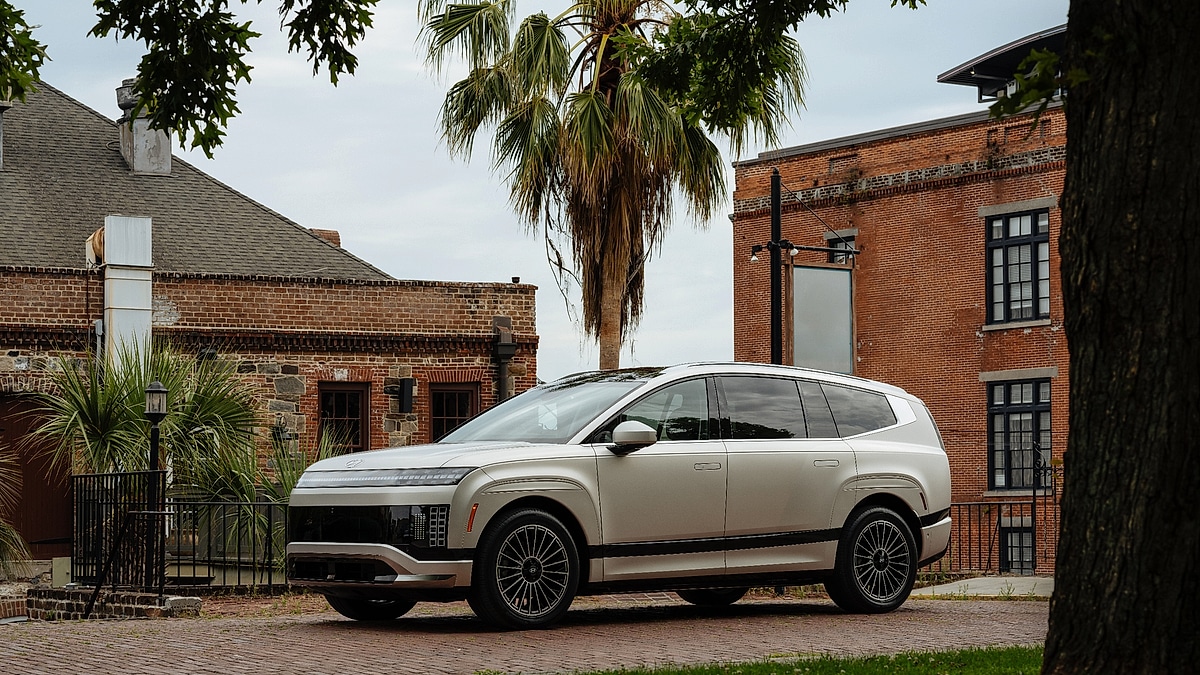
The real story, however, lies in the Smart Park Assist. This isn't a mechanical failure; it's a software activation issue that Hyundai has apparently failed to communicate to its own service network. A sales manager had to call other dealerships and resort to online forums to figure out that a standard feature on the top-tier Calligraphy trim only "magically appears" after weeks of ownership and app registration. This isn't a feature; it's a scavenger hunt.
Reddit user u/devidual, who is looking to replace a 2011 Sonata with 234,000 miles, echoed the sentiment of disbelief, stating: "Wow, I wouldn't have signed for the car I til it was perfect. How could they sell you a car, especially with features that were promised for it to be broken before taking ownership? What is wrong with the car industry these days?!" This isn't merely a rhetorical question; it points to a critical erosion of trust when a new car, particularly an expensive EV, arrives with fundamental features either broken or mysteriously absent.
The idea that a dealership's service department would tell a customer that a feature isn't part of their purchase because "it wasn't on the sticker" shows a profound lack of training and product knowledge. The sticker is a legal document, yes, but it doesn't detail every software activation sequence. This is a basic function of a modern vehicle that should be understood by anyone selling or servicing it. Hyundai is asking its customers to become beta testers and provide technical support for features that should simply work from day one.
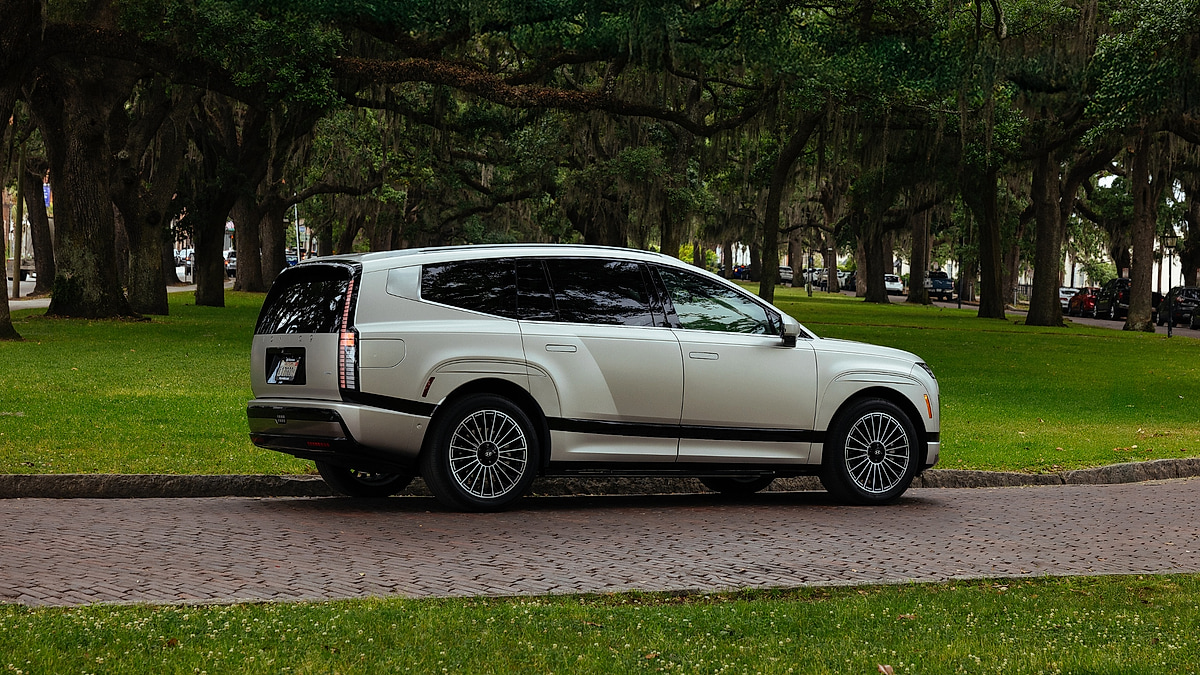
The situation is further complicated by the rental car experience. Being relegated to a minivan after purchasing a premium EV like the Ioniq 9 is a slap in the face. While not every loaner can match the vehicle being serviced, the discrepancy here suggests a dealership that views its service department as a cost center rather than an extension of the sales experience. GM, as the owner points out, often provides comparable loaners, understanding that the customer experience extends beyond the initial sale.
MC-CREC, an Ioniq 9 Limited owner, offered a different perspective, noting: "My only problem with service is the time it takes them for reviewing an issue, a whole day for everything, submitting photos of the Android UI and infotainment when it's a body panel issue." This comment reinforces the idea that Hyundai's service protocols are inefficient and ill-suited for diagnosing modern vehicle issues, even simple ones. Without this synchronized development, features like V2L and V2H capabilities risk being overshadowed by frustrating ownership experiences.
This Ioniq 9 owner's experience is not an anomaly; it's a symptom of a larger problem where manufacturers rush complex technology to market without adequately preparing their sales and service channels. Hyundai's failure to ensure its dealerships understand how to activate standard features, diagnose basic defects, and provide appropriate customer support for a premium EV is not just an inconvenience; it's a betrayal of the brand promise. Buyers of the Ioniq 9, and indeed any new Hyundai EV, should prepare for a potentially frustrating ownership experience where they may be forced to educate the dealership on the very car they just bought.
Would you be upset if your Ioniq 9 had this issue or would you be understanding since the model is new, let us know in the comments below.
Image Sources: Hyundai Media Center
About The Author
Noah Washington is an automotive journalist based in Atlanta, Georgia, covering sports cars, luxury vehicles, and performance culture. His reporting focuses on explaining the engineering, design philosophy, and real-world ownership experience behind modern vehicles.
Noah has been immersed in the automotive world since his early teens, attending industry events and following the enthusiast communities that shape how cars are built and driven today. His work blends industry insight with enthusiastic storytelling, helping readers understand not just what a car is, but why it matters.
Noah is also a member of the Southeast Automotive Media Association (SAMA), a professional organization for automotive journalists and industry media in the Southeast.
His coverage regularly explores sports cars, luxury vehicles, and performance-driven segments of the automotive industry, including the evolving culture surrounding Formula Drift and enthusiast builds.
Read more of Noah's work on his author profile page.
You can also follow Noah here:
Set Torque News as Preferred Source on Google
Follow us today...