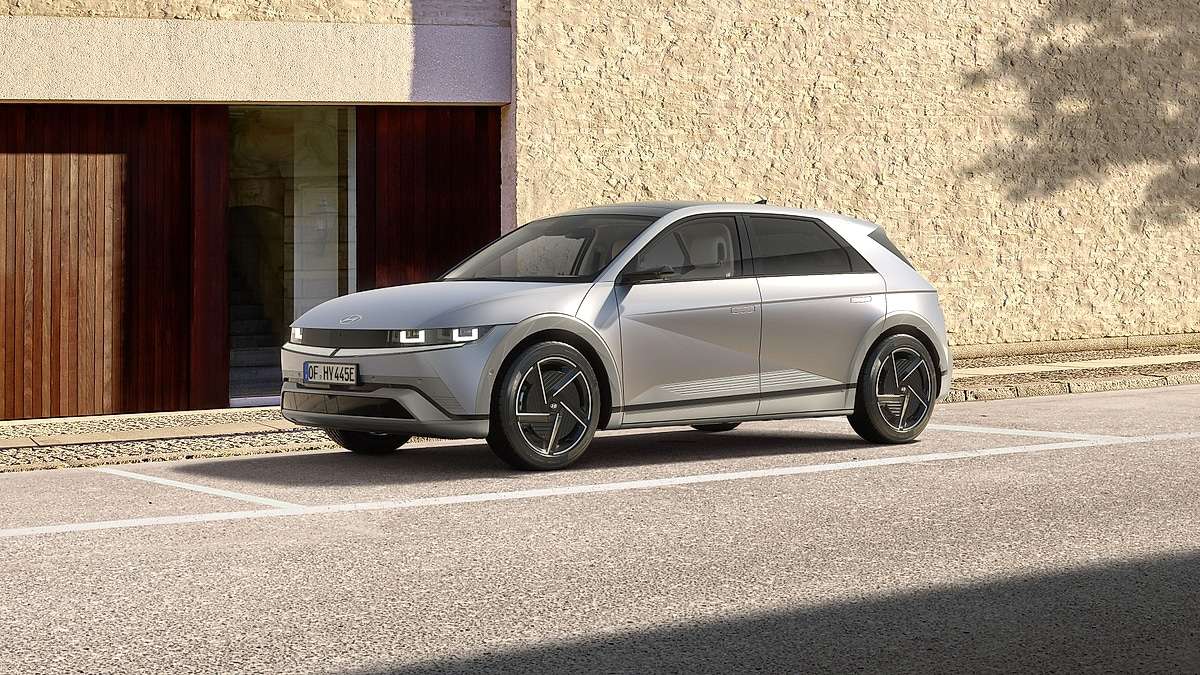

A 2025 Hyundai Ioniq owner discovered their stock Level 1 EV charger had completely torched a TP-Link smart plug and the 15-amp wall outlet behind it, leaving melted plastic and scorched prongs. The incident, which occurred after the 12-amp charger had been plugged in three to four days a week, reveals a critical and often overlooked vulnerability in residential electrical systems when subjected to continuous, near-maximum loads from electric vehicle charging.
“Went to unplug my Ioniq charger today and noticed the TP-Link smart plug was completely torched with melted plastic, scorched prongs. Checked the wall outlet behind it and that’s burnt too.
Setup: 2025 Hyundai Ioniq with the stock Level 1 charger (12A / 120V), plugged into a 15A smart plug, into a 15A wall outlet.
Car controls its own charging schedule.
Smart plug is on OhmConnect utility but that only controls it maybe once a month.
Charger stays plugged in 3-4 days a week.
Questions:
What actually caused this?
Is the wiring behind the outlet likely damaged too?
Should I replace the outlet even though the upper one looks ok to use?
Is it safe to use my car charger in another plug?
Photos attached. Any help appreciated”
The immediate cause of the failure is clear: a standard 15-amp residential outlet and a consumer-grade smart plug were subjected to a sustained 12-amp draw for days at a time.
2025 Hyundai Ioniq 5: Electrical Charging Considerations
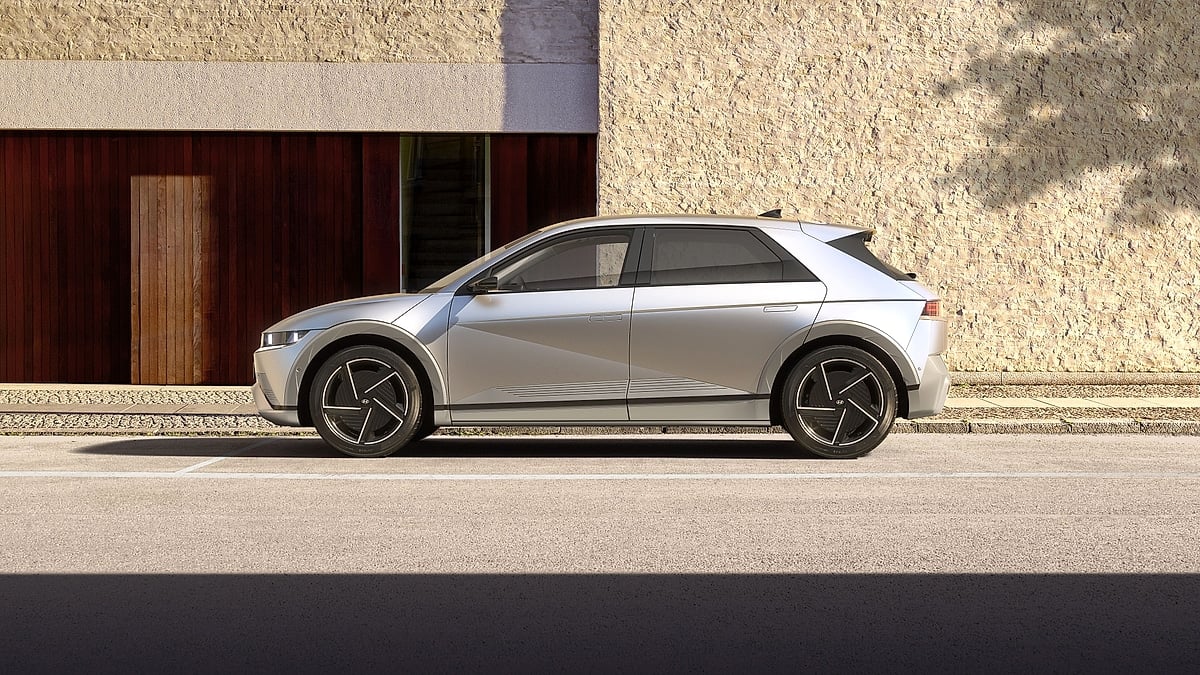
- The 2025 Hyundai Ioniq models typically come with a stock Level 1 portable charging cable capable of drawing 12 amps at 120 volts. This charger is designed for convenience, allowing owners to plug into any standard household outlet for slow overnight charging.
- Level 1 charging adds approximately 2-5 miles of range per hour, making it suitable for owners with short daily commutes or those who can charge for extended periods. It is the slowest charging method, but it requires no special installation beyond a standard 120V outlet.
- Standard 15-amp household outlets are rated for a maximum of 15 amps, but continuous loads should not exceed 80% of this rating, which is 12 amps. This means Level 1 EV charging operates precisely at the continuous load limit for a typical 15-amp circuit.
- For safe and reliable Level 1 charging, it is highly recommended to use a dedicated 15-amp circuit with a high-quality, commercial-grade receptacle. Avoid using extension cords, power strips, or smart plugs not specifically rated for continuous high-amperage use.
While 12 amps is technically within a 15-amp circuit's rating, electrical codes and practical engineering dictate that continuous loads should not exceed 80% of the circuit's capacity. For a 15-amp circuit, this means a maximum continuous draw of 12 amps. This Ioniq 5 charger was running right at that limit, day after day, through components not designed for such prolonged stress.
Reddit user pusch85 immediately identified the core issue, stating:
That smart plug isn’t built to withstand the constant max load the EV supply cord demands.
Get a higher quality outlet and plug directly into it. Let your car handle scheduling, and leave the smart plug out of it.
This is the plain truth. Most consumer-grade smart plugs are designed for intermittent loads like lamps or small appliances, not for a continuous 12-amp draw for hours on end. The internal relays and contacts in these devices simply aren't robust enough to dissipate the heat generated by that kind of current flow over time. The smart plug became the weakest link, overheating and melting, which then likely exacerbated the heat buildup in the wall outlet itself.
The problem extends beyond the smart plug. Even a standard 15-amp wall outlet, often referred to as a "builder-grade" or "residential-grade" outlet, is not designed for continuous high-current use. These outlets use thinner gauge internal contacts and cheaper materials that can degrade rapidly under constant load, leading to increased resistance, heat, and eventually, failure. This is why Safe-Tennis-6121 correctly recommended:
Yes. A commercial-grade or spec-grade outlet. Basically, not the 50-cent outlets. More like a $5 outlet.
A commercial-grade or "spec-grade" outlet uses heavier-gauge brass or copper contacts and more robust internal construction, allowing it to handle sustained current flow with less heat buildup. The cost difference is negligible, but the safety and longevity benefits are substantial. This is not just an upgrade; it is a necessary component for any regular Level 1 EV charging.
Another critical factor in these failures is the physical connection itself. No_Impact7840 raised a relevant point:
How was the plug secured? Was the control box on the EV charger hanging its weight from the cord? If so, it's likely that it pulled the connectors out enough to cause a loose connection.
While the original poster, swapan1189, clarified that the control box was on a shelf and not hanging, they did note, "But I do see the wall outlet itself is a little loose...like when I plug anything in, it goes a little bit inside." A loose outlet, even by a millimeter, creates a poor electrical contact. This poor contact generates resistance, and resistance generates heat. This localized heat can quickly escalate, melting plastic and scorching metal, even if the current draw is technically within the circuit's rating. The combination of a continuous 12-amp load, a consumer-grade smart plug, and a potentially loose, builder-grade outlet created a perfect storm for this failure.
The issue here is not with the 2025 Hyundai Ioniq 5 or its Level 1 charger. The charger is designed to draw 12 amps at 120 volts, a common standard for Level 1. The responsibility for ensuring the home electrical infrastructure can safely handle this falls on the homeowner. Manufacturers provide Level 1 chargers as a convenience, but they operate under the assumption of a robust and correctly installed electrical system. The reality for many older homes, or even newer ones built to minimum code, is that their outlets are simply not up to the task of continuous EV charging.
Level 1 charging, while slow, carries risks if proper electrical precautions are ignored. The cumulative effect of sustained current draw on residential-grade components is a silent killer of outlets and a potential fire hazard. Owners must inspect their outlets, consider upgrading to commercial-grade receptacles, and avoid smart plugs or extension cords unless explicitly rated for continuous high-amperage use.
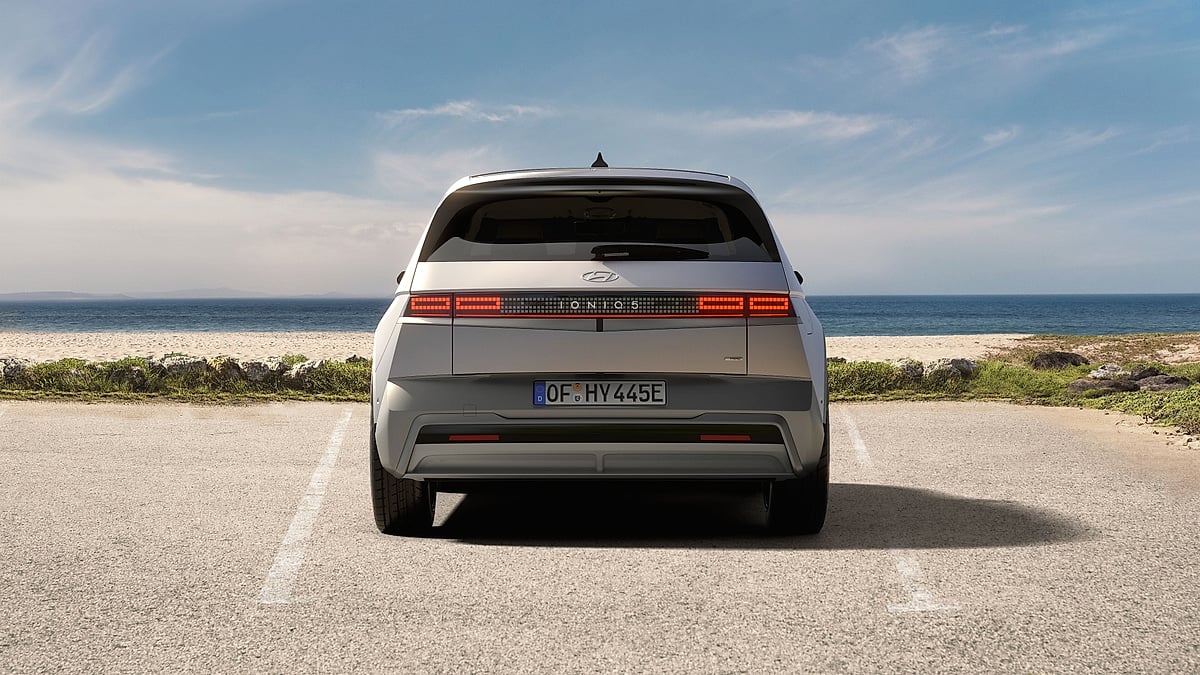
The burnt smart plug and wall outlet from swapan1189's 2025 Hyundai Ioniq 5 Level 1 charger are a direct consequence of subjecting residential-grade electrical components to continuous, near-maximum load. This vulnerability is systemic in home electrical systems when faced with the demands of EV charging. Owners must understand that a 12-amp draw, while seemingly modest, requires a robust, dedicated circuit and commercial-grade receptacles to prevent overheating and potential fire hazards. Ignoring these details risks a melted outlet and potentially far worse outcomes.
Image Sources: Hyundai Media Center
About The Author
Noah Washington is an automotive journalist based in Atlanta, Georgia, covering sports cars, luxury vehicles, and performance culture. His reporting focuses on explaining the engineering, design philosophy, and real-world ownership experience behind modern vehicles.
Noah has been immersed in the automotive world since his early teens, attending industry events and following the enthusiast communities that shape how cars are built and driven today. His work blends industry insight with enthusiastic storytelling, helping readers understand not just what a car is, but why it matters.
Noah is also a member of the Southeast Automotive Media Association (SAMA), a professional organization for automotive journalists and industry media in the Southeast.
His coverage regularly explores sports cars, luxury vehicles, and performance-driven segments of the automotive industry, including the evolving culture surrounding Formula Drift and enthusiast builds.
Read more of Noah's work on his author profile page or on his personal website.
You can also follow Noah here:
Set Torque News as Preferred Source on Google
Follow us today...