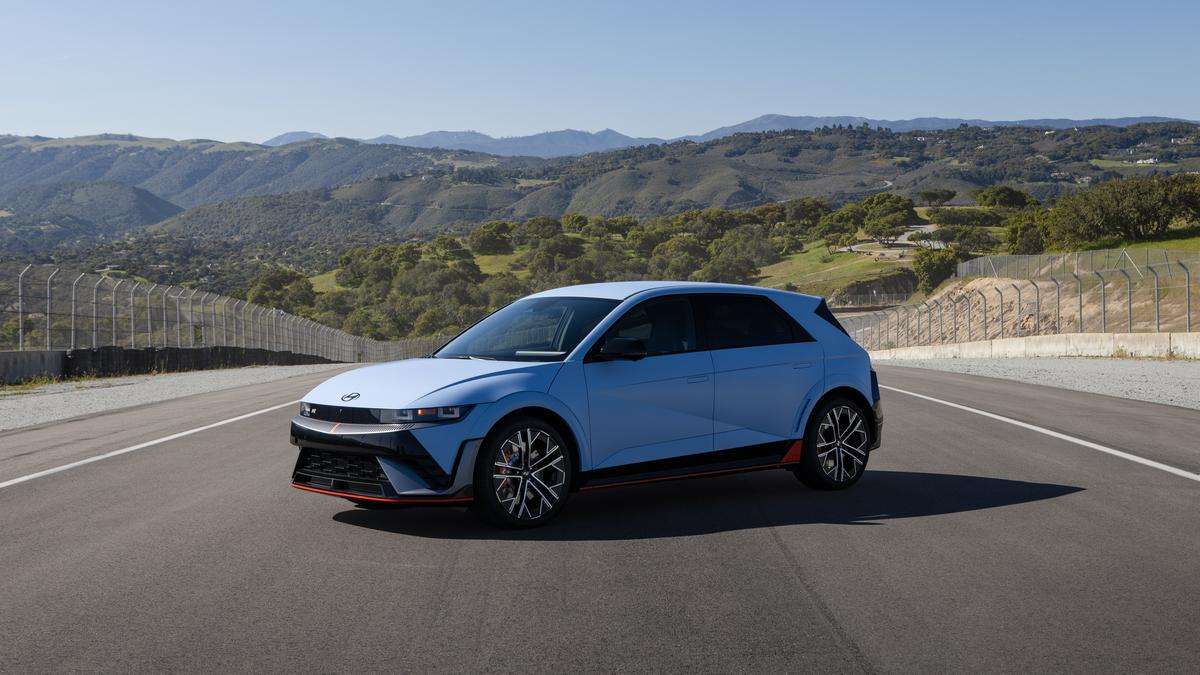

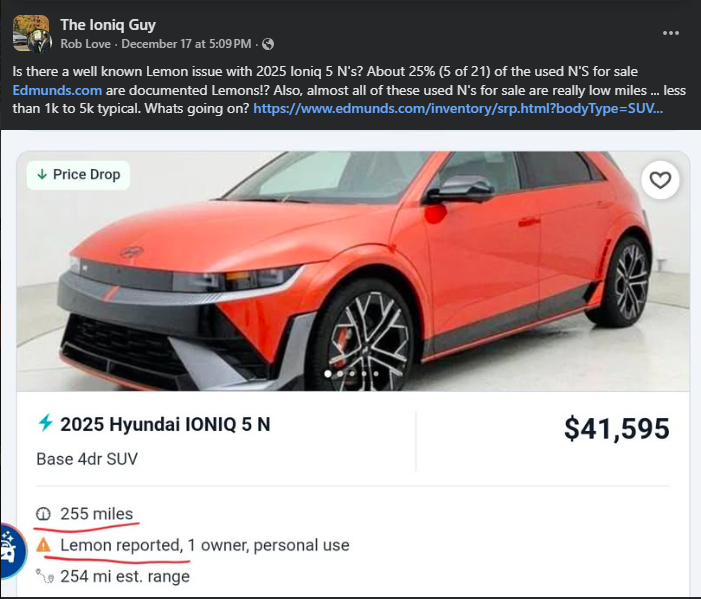
Scan the used-car listings for a low-volume performance model, and patterns begin to surface. Sometimes they are harmless. Other times, they invite closer inspection. Recently, shoppers browsing Edmunds noticed something unusual about the 2025 Hyundai Ioniq 5 N: a conspicuous number of low-mileage examples flagged as manufacturer buybacks. Roughly five out of 21 listings carried lemon-law disclosures, many showing fewer than 5,000 miles. In a small market segment, that ratio was enough to spark discussion.
That discussion began when Rob Love posted a question in the Facebook group The Ioniq Guy, asking whether there was a known lemon issue with the 2025 Ioniq 5 N and why so many lightly used cars appeared to have been returned. Love did not claim a failure of his own vehicle. Instead, he pointed to publicly visible data and asked what might explain it, a reasonable question given the unusually low mileage of many listings.
“Is there a well-known Lemon issue with 2025 Ioniq 5 N's? About 25% (5 of 21) of the used N'S for sale on Edmunds are documented Lemons!? Also, almost all of these used N's for sale are really low miles ... less than 1k to 5k typical. What's going on?”
The answers came from other owners, some of whom had experienced serious issues firsthand. Several commenters described battery-related problems, including failures tied to the Battery System Assembly. Frédéric Bernard noted that similar incidents had affected multiple 5 N owners and suggested that battery packs sourced from Hungary appeared frequently in these cases. While no official defect has been acknowledged, the repetition of similar stories added weight to the concern.
Hyundai Ioniq 5: Design-Led Efficiency
- The Ioniq 5 stands out through its angular design language, using sharp lines and pixel-inspired lighting to distinguish itself from more conventional crossovers.
- Its electric architecture enables a long wheelbase and flat floor, creating a spacious interior relative to its exterior dimensions.
- Driving behavior emphasizes smoothness and predictability, favoring relaxed daily use over aggressive performance.
- Fast-charging capability plays a central role in usability, reducing downtime during longer trips when paired with high-power chargers.
Simon Crevier provided additional context, describing extended wait times for BSA replacements and, in some cases, failures involving related high-voltage components. He estimated that a notable percentage of owners in online communities had encountered these problems, emphasizing that his figure was observational rather than statistical. His contribution highlighted not just failures themselves, but the logistical reality of repairing complex EV components when parts availability becomes a bottleneck.
Other owners focused on timelines rather than causes. Nicolas Richard shared that his vehicle was sidelined for more than two months while awaiting a replacement battery after a BSA failure. Lengthy repair delays like this often push owners toward lemon-law remedies, not out of dissatisfaction with the vehicle’s performance, but because extended downtime leaves few alternatives.
Not everyone viewed the used-market data as evidence of a systemic flaw. Tyler Harvey offered an important counterpoint, explaining that buybacks are naturally overrepresented in used inventory. Nearly all manufacturer buybacks reenter the market, while the majority of non-buyback cars remain with their original owners. With relatively few Ioniq 5 Ns in circulation, even a modest number of buybacks can appear disproportionate. Harvey added that his own car was not a buyback and that he was not selling it.
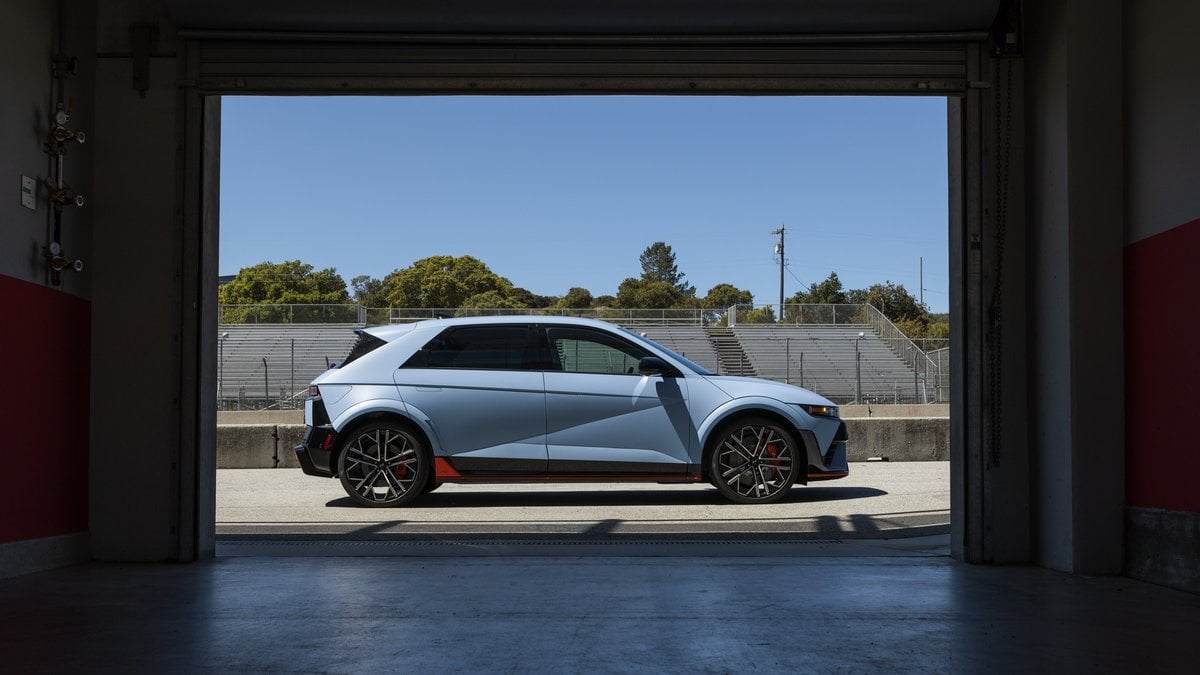
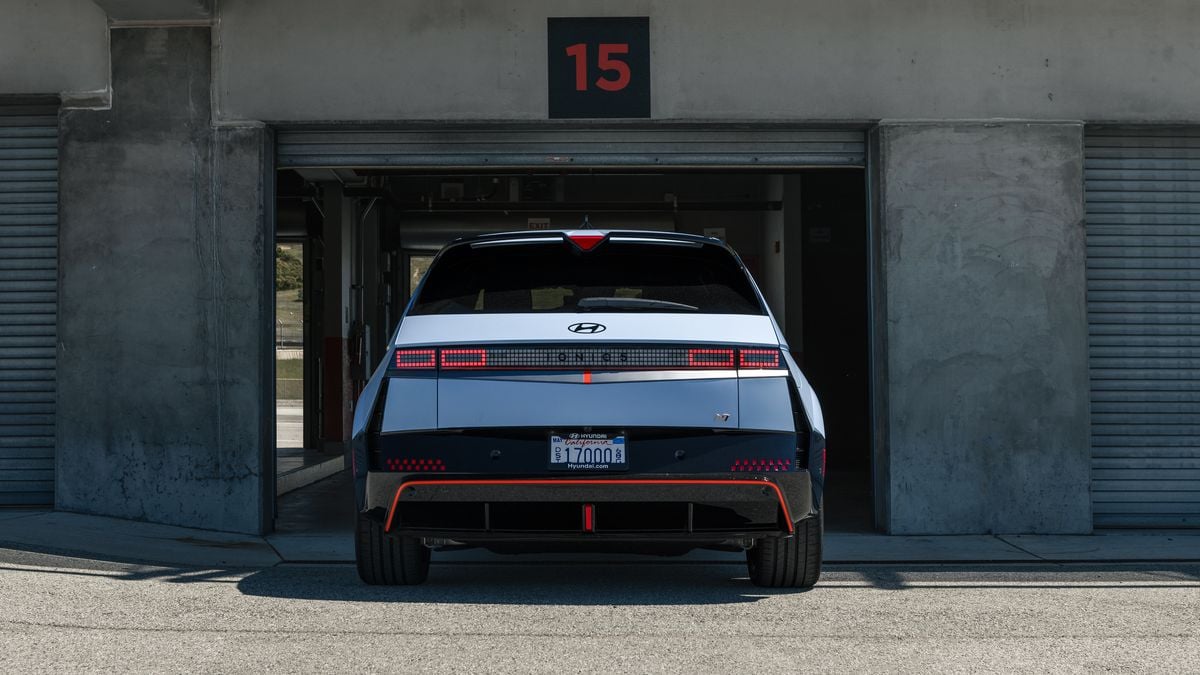
That perspective reframes the situation. The Ioniq 5 N remains widely praised for its chassis tuning, cooling capability, and driver engagement. When functioning as intended, it stands apart from most performance-oriented EVs. The presence of buybacks does not invalidate those strengths, but it does highlight how early failures in critical components can overshadow an otherwise excellent driving experience.
Reliability is no longer judged solely by how often something fails, but by how quickly it can be repaired. For shoppers, low-mileage buybacks demand careful scrutiny and complete documentation. For manufacturers, especially those pushing the performance envelope, it is a reminder that engineering ambition must be matched by service readiness. In the EV era, trust is built not just on innovation, but on the ability to make things right when they go wrong.
Image Sources: Hyundai Media Center
Noah Washington is an automotive journalist based in Atlanta, Georgia. He enjoys covering the latest news in the automotive industry and conducting reviews on the latest cars. He has been in the automotive industry since 15 years old and has been featured in prominent automotive news sites. You can reach him on X and LinkedIn for tips and to follow his automotive coverage.
Set Torque News as Preferred Source on Google
Follow us today...