
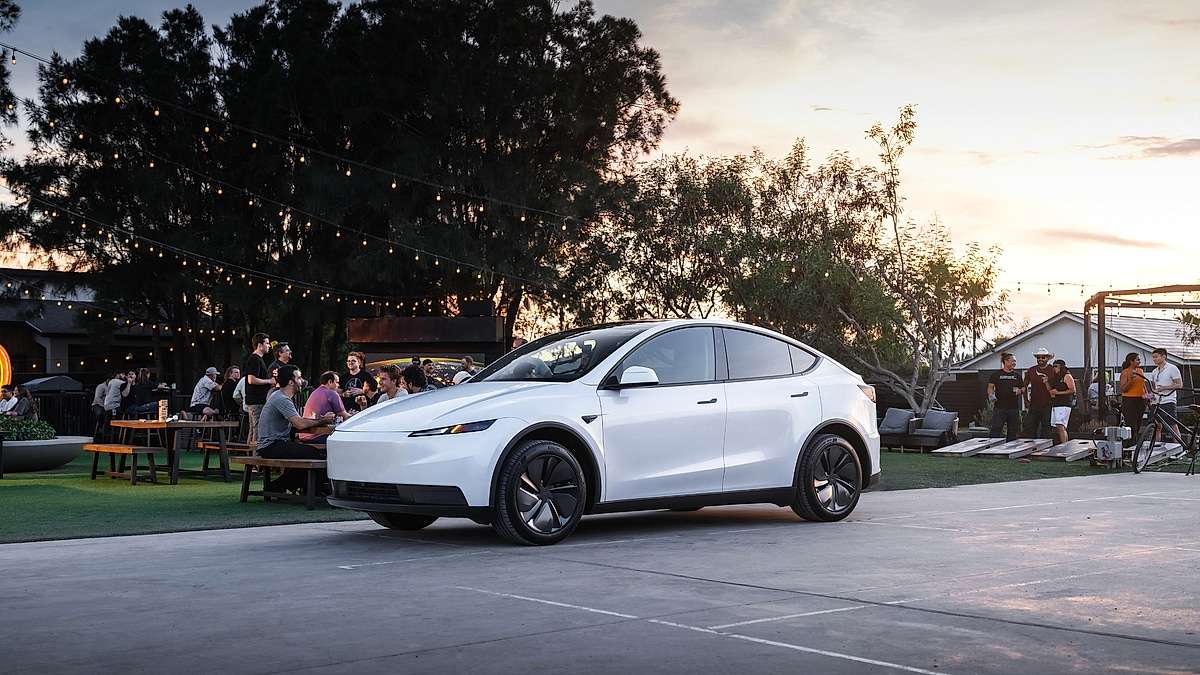

A Tesla Model Y owner is facing a $2,800 charge from the automaker for alleged rodent damage on a demo vehicle, despite having possession of the car for less than 20 hours. This bill comes after the owner's own 2025 Model Y also failed due to similar damage, leaving them with two non-functional vehicles and a significant repair dispute.
Rodent damage is a recurring, industry-wide issue exacerbated by modern wiring materials and a manufacturer's reluctance to acknowledge systemic vulnerabilities. The use of soy-based wire insulation, common across many brands, effectively turns vehicle wiring harnesses into a buffet for rodents, creating a hidden liability for owners and a convenient out for manufacturers. This situation exposes a significant gap in how automakers, particularly Tesla, handle "acts of God" when their own design choices contribute to the problem.
"So my 2025 Model Y stopped working 2 days ago, completely unresponsive, wouldn't even open with the key card. Tesla towed it to the Naperville, IL, service center and gave us a demo car in the meantime.
The next day, the demo car also broke down in the same parking lot, leaving my wife stranded AGAIN.
Now, Tesla is saying both cars have rodent damage, and we are responsible for both. Our insurance covers our own car but not the demo.
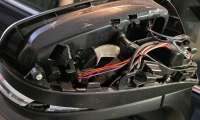
The thing is, we had the demo car for less than 20 hours. Tesla sent me this photo as their evidence. Does that nest look like something that happened in 20 hours to you? Because to me, that looks like days/weeks of work.
Both cars were just parked in a school parking lot. We are completely lost right now. Has anyone dealt with this?"
The owner, u/Tall_Call_817, presents a photo of a rodent nest as evidence, questioning whether such a structure could be built in under 20 hours. This is not a trivial detail; the size and apparent complexity of a nest are direct indicators of the time rodents have had to establish themselves.
Tesla Model Y: Rodent Damage and Warranty Disputes
- The 2025 Tesla Model Y, like many modern vehicles, utilizes soy-based compounds in its wire insulation, making it attractive to rodents seeking nesting materials or food sources. This material choice, while eco-friendly, has led to a documented increase in rodent-related damage claims across the automotive industry.
- Repair costs for rodent damage to a vehicle's wiring harness can range from $500 for minor repairs to over $5,000 for full harness replacement, depending on the extent of the damage and the complexity of the vehicle's electrical system. Tesla's quoted $2,800 for the demo car suggests significant damage.
- Comprehensive insurance policies typically cover "acts of God," which often include damage from animals, provided the damage is not a result of negligence. However, loaner or demo vehicles may fall under different liability clauses, creating a grey area for owners.
- Owners have reported success in mitigating rodent damage using various methods, including ultrasonic deterrents, peppermint oil-soaked cotton balls, and specialized rodent-repellent tape, though no method is 100% foolproof against determined pests.
A fully formed nest suggests a prolonged presence, making it highly improbable that the damage occurred solely within the short window the owner had the demo vehicle. Tesla's claim hinges on the assumption of recent damage, an assumption directly challenged by the visual evidence.
This situation shows a critical disconnect between manufacturer expectations and real-world conditions. Automakers have known about the vulnerability of soy-based wiring for years, yet few have implemented robust, factory-level solutions. Instead, the burden of prevention and repair falls squarely on the owner, often after a catastrophic failure.
Reddit user @webtechmonkey, weighing in on the discussion, states, "The fact that both your personal car and a loaner you were given encountered identical problems with wires being eaten by rodents probably is not a coincidence, and it seems they have a good case to make that this happened under your care." This comment, while understandable from a superficial perspective, misses the larger pattern. The coincidence is that two Teslas, parked in a common environment, both experienced a known failure mode exacerbated by design choices. The common denominator is the vehicle's inherent susceptibility.
The industry's shift to soy-based wiring was driven by cost savings and environmental initiatives, but it introduced a new, costly problem for consumers. This is where the industry's responsibility must be scrutinized. When a design choice creates a predictable vulnerability, the manufacturer cannot simply wash its hands of the consequences, especially when the damage is extensive and expensive.
However, the most insightful contribution comes from u/pugmugg, who recounted a similar experience with a Honda Civic: "This EXACT thing happened to me with my Honda Civic. Apparently, they make the wire covering out of soybeans now. So your wires are literally rodent food." This direct experience validates the owner's suspicion about the nature of the damage and, crucially, provides context for the broader issue. U/pugmugg goes on to detail how their insurance covered the full wiring harness replacement as an "act of God" and offers practical solutions like ultrasonic deterrents. This is a blueprint for how owners should approach these claims and how insurance companies should respond.
The point made by u/pugmugg is that "you aren't responsible for an act of god, nor their lack of insurance on the vehicle." You aren't responsible for what a rodent does." This cuts directly to the heart of Tesla's demand for payment. If the damage is indeed an "act of God," as many insurance policies categorize it, then the responsibility shifts away from the individual who merely possessed the vehicle for a short period. Tesla, as the owner of the demo car, should have its own comprehensive insurance to cover such events, or at the very least, acknowledge the pre-existing nature of the damage.
Tesla's attempt to charge $2,800 for rodent damage on a demo car used for less than 20 hours is not merely an aggressive business practice; it's a fundamental misapplication of responsibility. The evidence, both visual and anecdotal from other owners, strongly suggests the damage was pre-existing or developed over a period far exceeding the owner's brief tenure. This situation reveals the industry's ongoing failure to adequately address the known vulnerability of soy-based wiring and shows a manufacturer's willingness to transfer the cost of its design choices directly to the consumer, even under questionable circumstances. Owners facing similar issues should challenge these charges, leverage their comprehensive insurance, and demand that manufacturers take accountability for the predictable consequences of their material selections.
Image Sources: Tesla Media Center
About The Author
Noah Washington is an automotive journalist based in Atlanta, Georgia, covering sports cars, luxury vehicles, and performance culture. His reporting focuses on explaining the engineering, design philosophy, and real-world ownership experience behind modern vehicles.
Noah has been immersed in the automotive world since his early teens, attending industry events and following the enthusiast communities that shape how cars are built and driven today. His work blends industry insight with enthusiastic storytelling, helping readers understand not just what a car is, but why it matters.
Noah is also a member of the Southeast Automotive Media Association (SAMA), a professional organization for automotive journalists and industry media in the Southeast.
His coverage regularly explores sports cars, luxury vehicles, and performance-driven segments of the automotive industry, including the evolving culture surrounding Formula Drift and enthusiast builds.
Read more of Noah's work on his author profile page.
You can also follow Noah here:
Set Torque News as Preferred Source on Google
Follow us today...


Comments
My insurance covers use of…
Permalink
My insurance covers use of non owned vehicles.
The extra coverage is very cheap.
If you rent vehicles you should have the rider.