
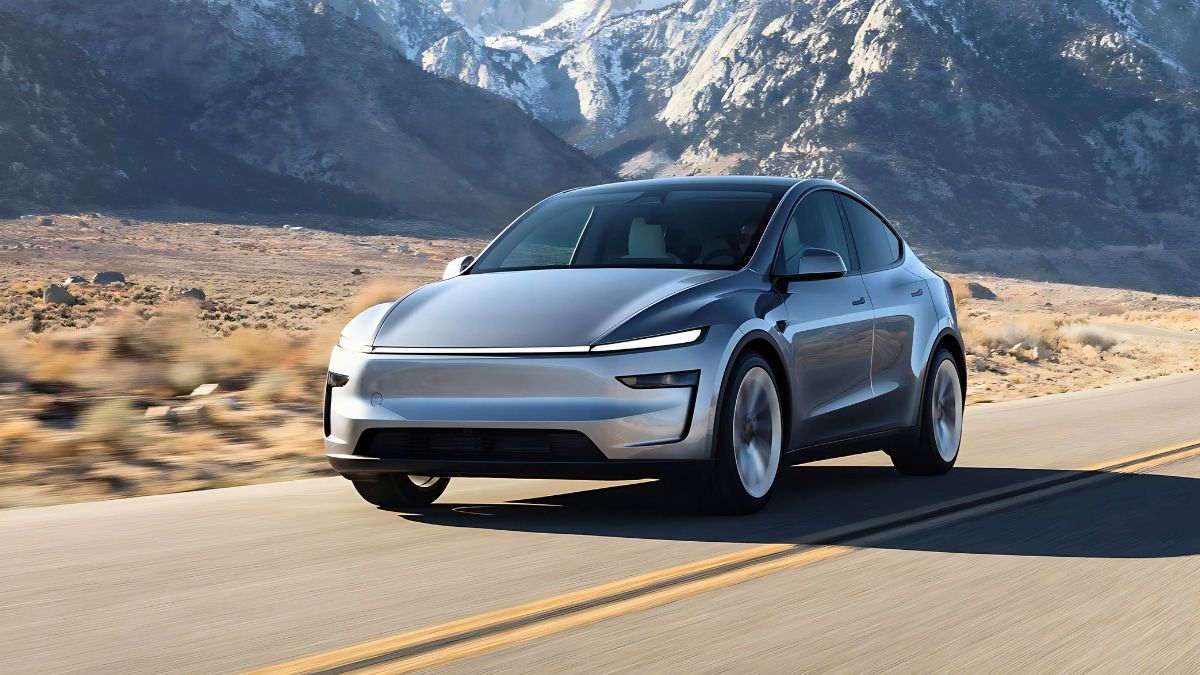

In 2025, the Tesla Model Y solidified its dominance in Norway by obtaining 15.4% market share of all new car registrations. This is truly impressive, but the sales success is driving scrutiny. All major Scandinavian countries (Sweden, Norway, and Denmark) have mandatory, periodic car inspections and the Model Y appears to be struggling. Several social media threads raise the topic, including this one on the r/electricvehicles subreddit where Danish driver SjalabaisWoWS posted:
“Almost half of all Tesla Model Ys fail mandatory tech inspection in Denmark and make headlines for it. There are similar numbers in Tesla-country Norway.”
Anther European driver going by the handle of digistyl3, responded with:
“This is my personal experience with a 2019 Model 3 with 70,000 miles where technical inspection was due in 2025:
- Front control arms worn out.
- Steering rack was loose, screws had to be re-tightened.
- Brakes had to be serviced and some "springs" changed.
I took the car in to Tesla for prep work, otherwise it wouldn't have passed inspection: ~$1,900 USD.”
Finnish driver Pontus_Pilates added the following assumption about cause:
“It's mainly a design issue. The suspension is inadequate for a car so heavy and capable of such acceleration.
Here in Finland something like 50% of Model 3s don't pass inspection because the joints are worn out.
If you look at cars that fail the most and the least, ID.3 and Ioniq are performing the best. It's not like people fail to maintain their electric cars.”
High Failure Rates for Tesla Model Y Inspections
New inspection data from the Danish Road Authority shows that the 2021 Tesla Model Y is failing its first mandatory vehicle inspection at an unusually high rate in Denmark. The Model Y is the country’s most common electric vehicle, with over 45,000 on the road. Since the model launched in 2021, these vehicles reached their first inspection cycle last year. Despite being relatively young, nearly half did not pass.
Out of 2,394 inspected 2021 Model Y vehicles, 1,069 failed, equal to about 45%. By comparison, only around 7% of all electric vehicles inspected in 2025 failed. The contrast is even sharper when looking at competitors. The Volkswagen ID.4, Denmark’s second most popular EV, saw just over a 2% failure rate from more than 7,100 inspections of the same model year.
Most failures fall into four categories, braking systems, lighting equipment, axles wheels and tires, and steering components. The single most common issue is excessive play in the suspension, found in roughly 22% of inspected Model Y vehicles. For comparison, suspension related failures on the VW ID.4 were measured at just 0.1%. It has been reported that these are common problems when inspecting Tesla vehicles of this age.
The Model Y is not alone. Inspection results for the Tesla Model 3 show a similar pattern. Among 2021 Model 3 vehicles inspected last year, about 34% failed. That equals 2,937 out of 8,564 cars. The failure rate is higher than the year before, representing a roughly 48% increase. As with the Model Y, the main problem areas are brakes, lights, suspension, and steering.
Tesla did not make major production changes to the Model 3 until late 2023, and to the Model Y until 2025. This means earlier builds share many of the same components and potential weaknesses. Tesla offers a four-year vehicle warranty, which lines up closely with the first inspection deadline. Given the high failure rates, Tesla Model 3 and Model Y owners are starting to get independent inspections before the warranty period ends.
Bottom Line
The Danish inspection data paints a consistent picture for early Tesla Model Y and Model 3 vehicles. Despite strong owner satisfaction and modern design, these cars are failing inspections at rates far above the EV average, largely due to suspension and steering wear. For owners, regular maintenance and early inspections before warranty expiration may be critical. For Tesla, the findings raise ongoing questions about durability standards in its earlier production years.
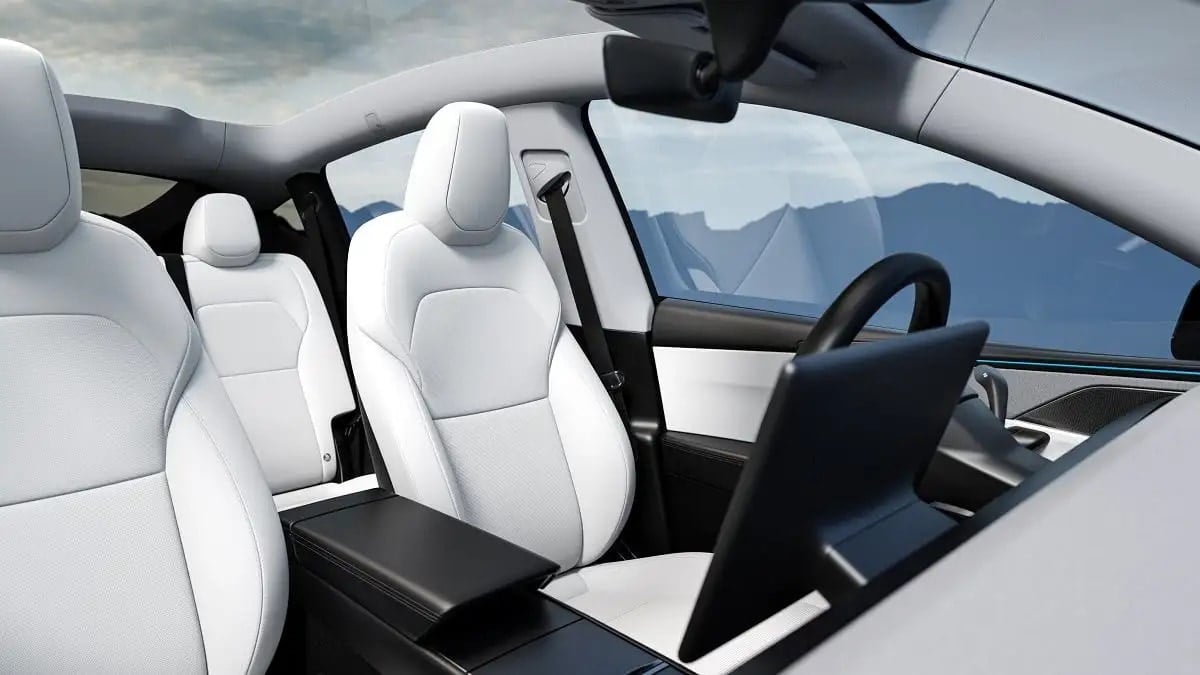
The Tesla Model Y
The Tesla Model Y is popular because it blends real world range, quick acceleration, lots of cargo space, and access to Tesla’s Supercharger network in a package that feels simple to live with, plus the software, navigation, and driver assistance features tend to feel more integrated than many rivals. Tesla unveiled it in 2019 and began deliveries in early 2020, and it stands apart from other EVs by pairing strong efficiency with a minimalist cabin and frequent over the air updates that can improve features over time. Pricing varies a lot by trim and incentives, but it typically lands from the mid $40,000s to around $60,000 in the U.S. market, and it is sold primarily as a compact crossover SUV with two rows, with a small third row offered in some versions and years. Quality and satisfaction are a mixed story across major trackers, Consumer Reports often shows very high owner satisfaction for Tesla while reliability and build quality have been more uneven than top brands, J.D. Power studies have frequently placed Tesla toward the lower end on initial quality and dependability and sometimes list Tesla as not award eligible, and ACSI has generally rated Tesla customer satisfaction near the top of the auto industry even when it has slipped year to year.
What Do You Think?
Are suspension and steering wear a Tesla design problem, or just a result of heavy EVs and strong acceleration?
Should Tesla introduce a fixed service interval for the Model Y like other automakers?
Chris Johnston is the author of SAE’s comprehensive book on electric vehicles, "The Arrival of The Electric Car." His coverage on Torque News focuses on electric vehicles. Chris has decades of product management experience in telematics, mobile computing, and wireless communications. Chris has a B.S. in electrical engineering from Purdue University and an MBA. He lives in Seattle. When not working, Chris enjoys restoring classic wooden boats, open water swimming, cycling and flying (as a private pilot). You can connect with Chris on LinkedIn and follow his work on X at ChrisJohnstonEV.
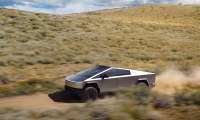
Photo credit: Tesla media kit
Set Torque News as Preferred Source on Google
Follow us today...



Comments
'Almost half..." What on…
Permalink
'Almost half..." What on Earth does this mean?... Ever? In the first 50k miles...? What?
Besides which, the Y is a 'high performance' vehicle. Most such vehicles would require main suspension bushings to be changed before 70k miles.
Disappointed that TN is falling for this sort of hysterical nonsense AKA 'fake news'.