
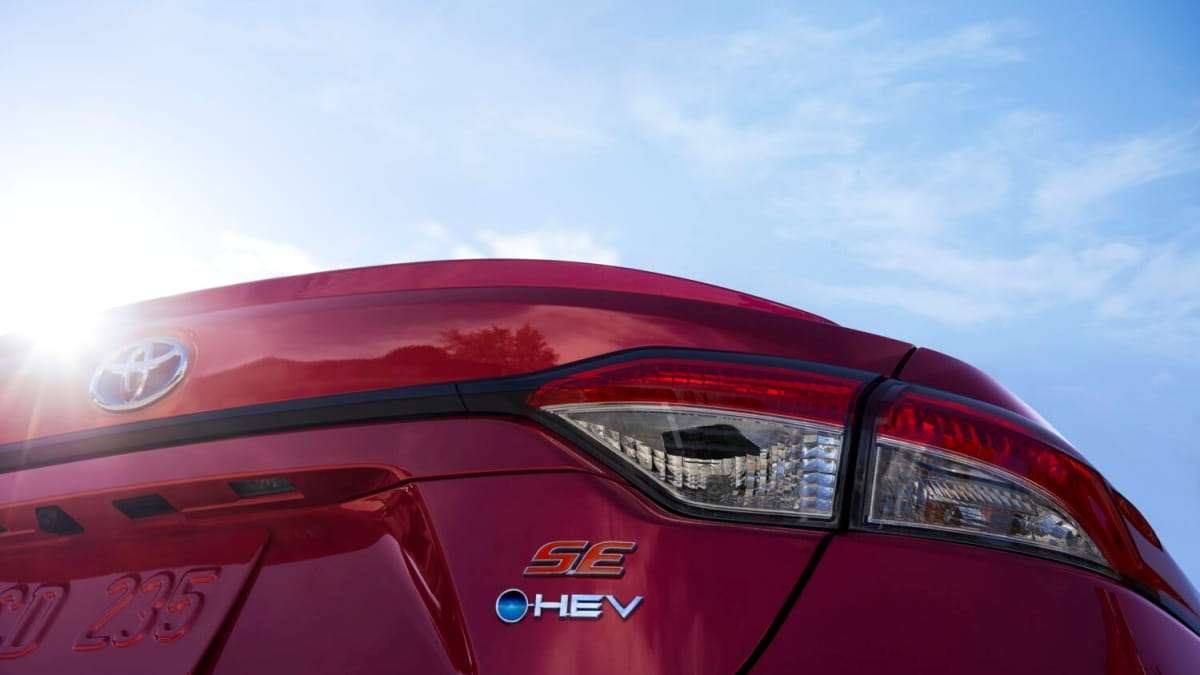

In the automotive industry, the principle “first-come, first-serve” often applies. Toyota is the manufacturer that effectively pioneered the modern-day hybrid car. It did so with the first-generation Prius, which debuted in 1997 in Japan and became available in the US two years later, in 1999.
The competition did not rest, as Honda introduced the hybrid Insight just a year later, in 2000. By the way, not long ago, we spoke of one example of the first-generation Honda Insight that has driven nearly a million miles on the original engine, with no serious repairs.
But out of all carmakers, it was Toyota that managed to stay consistent in the hybrid segment from the very start. The Prius’ hybrid tech quickly carried over to the company’s most popular model - the Corolla - and nowadays, the model is offered almost exclusively as a hybrid.
While 2028 could see the first fully-electric Corolla, the company’s hybrids continue to dominate, now more than ever. There are a few key reasons why that is, and most of them have to do with the way Toyota has designed its more mainstream hybrid powertrains, which include (but are not limited to) the Dynamic Force engine family.
Built to last, not to flex
At first glance, Toyota’s mass-produced hybrid powertrains may not seem cutting-edge, but they manage to address all issues with modern vehicles. For starters, the Atkinson-cycle engines used in the Corolla, Corolla Cross, and Prius models, particularly the 1.8-liter, feature port fuel injection instead of direct fuel injection, which is simpler and more reliable.
The only exceptions are the Dynamic Force and the 2.0-liter Atkinson engines, which feature both direct and port injection (D4-S). Port injection means fuel passes through the exhaust valves, negating carbon buildup, from which many direct-injected (only) engines suffer.
There are no turbochargers - a potential failure point on many modern engines, especially after 60,000-80,000 miles. Granted, the 2.4-liter i-Force (and i-Force Max) and 3.4-liter twin-turbo V-6 engines are an exception, but we are focusing on the more affordable spectrum of Toyota vehicles.
The Toyota’s hybrid system based around an Atkinson-cycle engine features no conventional starter motor to wear out from the constant use of the start-stop system. The eCVT transmission may not be the most exciting, but in Toyota’s case, it doesn’t feature a clutch pack to wear out. Frankly, we don’t hear a lot about issues with the brand’s CVTs. While carmakers like Mazda are developing unusual new ways to reduce emissions, Toyota’s frugal hybrids make do without relying on most of the complex tech other companies employ.
That said, many of the latest models, including the 2.0-liter Corolla hybrid, feature gasoline (petrol) particulate filters. While it can regenerate itself, frequent short drives may still get clogged, especially at higher mileage, and with the use of low-quality fuel.
The fifth-generation Toyota hybrids use permanent magnet synchronous electric motor-generators. They are brushless and could last the vehicle's lifetime. Toyota is so confident in its small hybrid powertrain that in some cases, the warranty can reach up to 15 years. For models 2020 or newer, the standard warranty for the batteries is 10 years or 150,000 miles.
To summarize
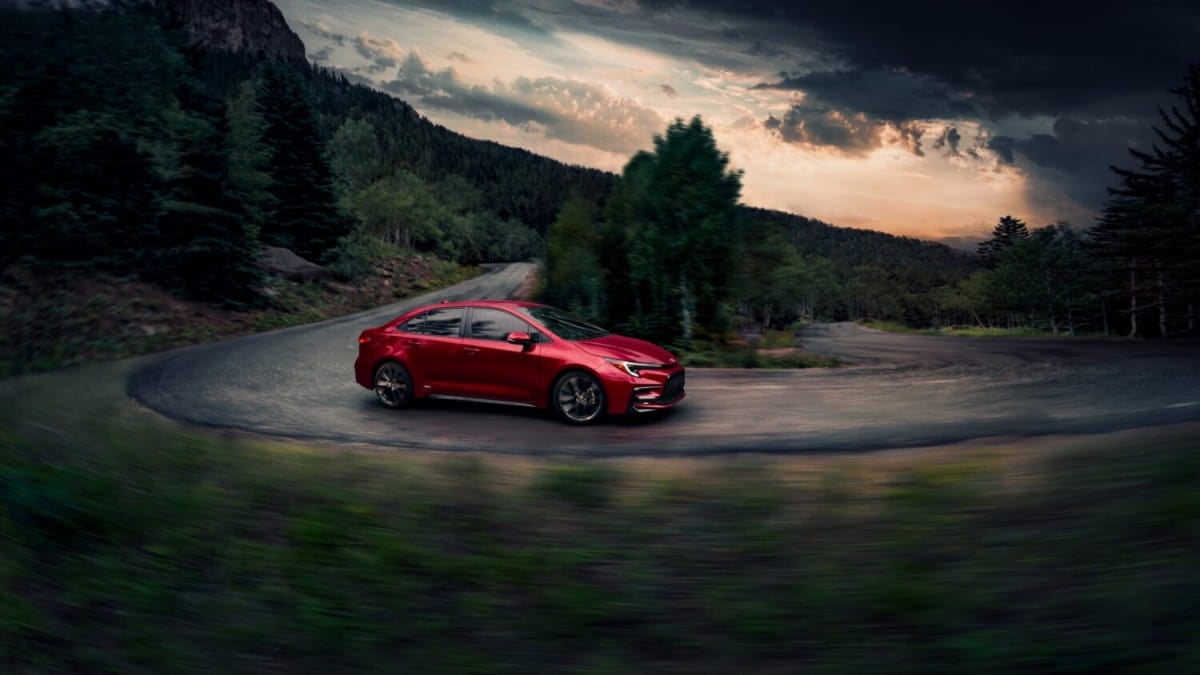
The Toyota Corolla hybrid, particularly the base, 1.8-liter variant, is simple, reliable, frugal, and cheap to run. It does away with all of the modern complexity that plagues almost all modern vehicles. Sure, it isn’t the most thrilling ride, but it is a reasonably-priced, dependable transportation that packs generous standard equipment. If you have any experience with Toyota’s hybrids, Corolla or otherwise, I would love to learn about them in the comment section below.
Image source: 2026 Toyota Corolla Hybrid press
More stories:
At $42,844 All in, is this Toyota GR86 Yuzu Edition A Bargain Or a Potential Buyer's Remorse?
Why Are People Trading In Their Toyota 4Runner So Soon?
This Is The Ultimate Toyota Land Cruiser Pickup Truck, And You Can't Have It Just Yet
About the author
Dimitar Angelov has been an automotive journalist since 2014. His passion for cars and motorcycles led him to take up classic car restoration at the Classic Car Museum in Malta. While living there, he also graduated with a Master's in Media and Communications. Aside from Torquenews, his work can also be seen on Topspeed.com, HotCars.com, Motorheads.com, Jalopnik.com, and his own website, Ridereverie.com, where he also includes motorcycle content.
Other relevant experiences in the automotive scene include working at a Toyota dealership, professional driving, and automotive insurance. Dim is happy to get behind the wheel of any car and share his impressions. You can follow Dimitar on X, LinkedIn, Instagram, and Facebook.
Experience
- 2012-2017 and 2025-Present: Insurance Advisor - ANG Univers and Generali Insurance Group
- 2016-2016: Car salesman at Toyota dealership
- 2014-Present: Automotive journalist, blogger, vlogger, test driver
Education
- Bachelor's degree in International Economic Relations
- Master's degree in Marketing
- Master's degree in Media and Communications
Dimitar Angelov has been quoted in the following publications:
Set Torque News as Preferred Source on Google
Follow us today...



Comments
Hope the new Toyota hybrids…
Permalink
Hope the new Toyota hybrids are near as good as the old ones. Our 2007 Highlander Hybrid has had one repair (radiator) in 152k miles and its original nickle-metal-hydride batteries still work well. In warm weather it will still drive half a block in electric mode! I have also heard of other hybrid Toyotas running original batteries for well over 20 years. Amazing.
As the owner of a 2020…
Permalink
As the owner of a 2020 highlander hybrid, I can verify that they are bulletproof. 40 mpg plus is common, and the ride is very comfortable. The toyota hybrid system is the gold standard, don't settle for anything else!
I agree. They really do last…
Permalink
In reply to As the owner of a 2020… by George (not verified)
I agree. They really do last. 40 MPG is great for an SUV like the Highlander.