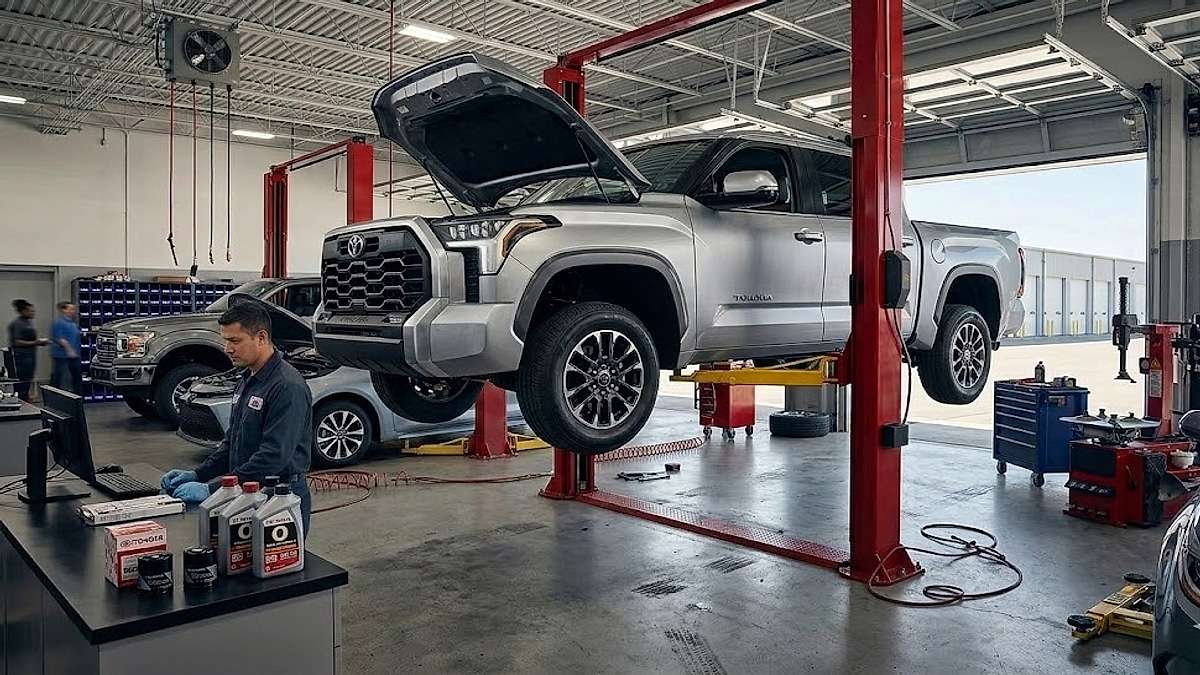

The 2024 Toyota Tacoma, the fourth-generation (Gen 4) of America’s best-selling midsize pickup, is currently facing intense scrutiny following reports of metal contaminants in the engine oil of high-mileage units. Despite strict 5,000-mile maintenance intervals, owners are discovering “glitter” or “sparkles” in their oil pans at approximately 40,000 miles. This investigation explores whether these findings are normal break-in remnants or a symptom of machining debris issues that led to a massive recall of 102,000 Toyota V6 engines in 2024 and 2025. I analyze the technical implications of the T24A-FTS i-FORCE turbocharged engine and provide guidance for owners stuck between keeping their new rigs and retreating to the reliability of older V6 models.
I have spent three decades in the automotive trenches, and if there is one thing I have learned, it is that metal in the oil pan is the universal language of mechanical distress. The shocking discovery for 2024 Toyota Tacoma owners is that even obsessive maintenance cannot always outrun a manufacturing defect. We are seeing a disturbing trend where meticulous 5,000-mile oil changes are revealing "metal sparkles" that shouldn’t be there after the break-in period. My investigation confirms that these particulates often signal a deeper systemic issue with machining debris, similar to the catastrophic failures that rocked the Tundra lineup earlier this year.
The answer for owners like Trevor Christensen in Portland is clear: those sparkles are a warning shot across the bow. While some dealership techs might brush this off as "normal," my experience tells me that once a turbo engine starts shedding material at 40,000 miles, the clock is ticking. This isn't just a minor glitch; it is a potential threat to the long-term viability of the 2.4-liter i-FORCE powerplant. We are looking at a situation where the "information gain" from real-world owners is now outpacing the official manufacturer's talking points, and the verdict is leaning toward a trade-in before the warranty expires.
The Face Of The 4th Gen Reliability Crisis
Trevor Christensen from Portland, Oregon, on the 4th Generation Toyota Tacoma Owners Group Facebook page says, “I have a 2024 Toyota Tacoma TRD Off-Road with 40,000 miles, and it’s my 7th oil change, so it’s been changed every 5k. Now, I have some metal sparkles each time on oil changes, but never shavings or small chunks. The first three oil changes were done at the dealership, and I’ve done the last four myself, and I haven’t seen these concerning sparkles till now. I own the truck outright, and now I’m wondering if it's time to trade it in for a 2026 model? Or should I go back to the reliable 3rd-gen Tacoma truck?”
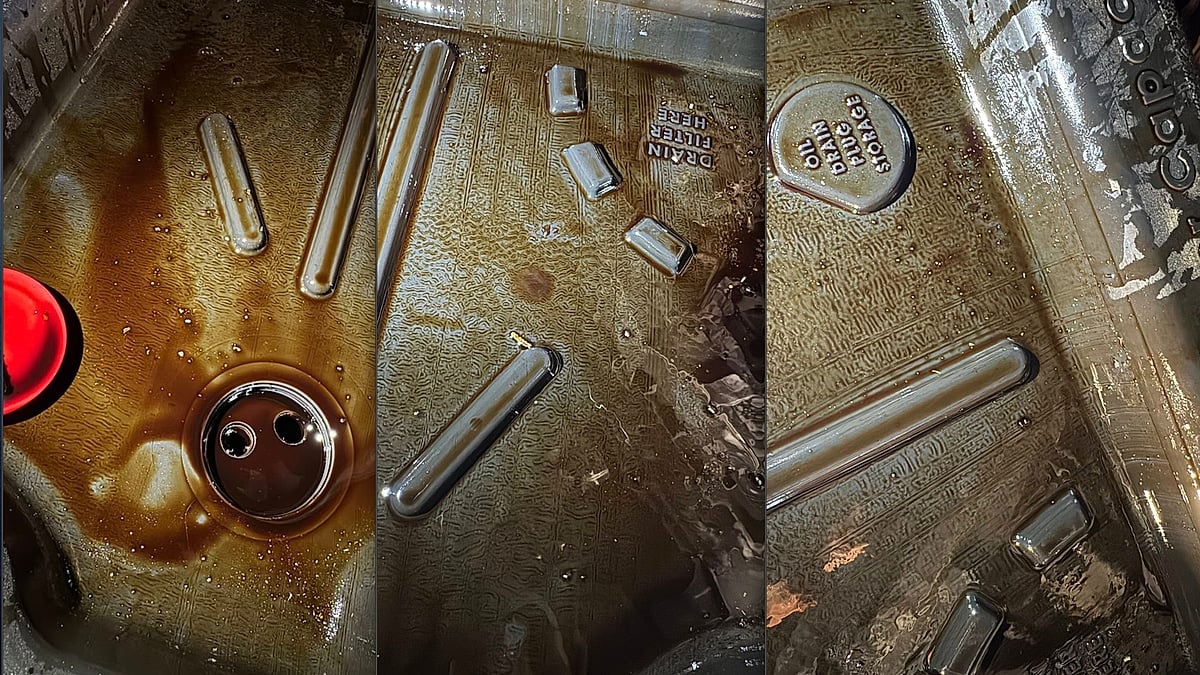
When I read a report like Trevor's, my investigator instincts go into overdrive. He is doing everything right, yet the machine is failing the chemistry test. This brings up a painful comparison to the V35A engine issues. A report from the automotive data specialists at RepairPal confirms that while the Tacoma generally has lower-than-average ownership costs, repair severity can be higher when major components fail, as detailed in their comprehensive 2026 truck reliability study. This aligns with what we are seeing: the 4th Gen is expensive to fix when those "sparkles" turn into "seizures."
The Machining Debris Connection
I have been tracking the "debris" narrative since the first Tundra engines started knocking. It is a messy situation. In my own previous reporting, I noted that some 2024 Tacoma owners found significant metal particles in their filters as early as the first 5,000 miles, proving that manufacturing residues are often left behind in the block. This is not an isolated incident. It is a pattern.
Outside experts are beginning to voice similar concerns about the complexity of these new turbocharged units. An analysis from Pickup Truck+SUV Talk highlights that many mechanics and enthusiasts are skeptical of the new 2.4-liter engine's complexity and its use of materials such as plastic coolant couplings, which could raise long-term durability concerns. When you combine complex cooling paths with internal metal contamination, you create a recipe for a thermal event or a bearing failure that no amount of synthetic oil can prevent.

Technical Observations From Owner Communities
The chatter in the forums is reaching a fever pitch as more trucks hit the 40,000-mile mark. In a recent technical discussion on r/ToyotaTacoma, one owner shared a photo of a heavily contaminated pan, stating, "Just did my 25k mile oil change and found all this metal left in my pan. No way this is still just a break-in thing, right?" which you can read in the full discussion here. From my 30 years of experience, this aligns with how internal bearings begin to gall when microscopic debris acts as an abrasive under the high heat of a turbocharger.
Another owner highlighted the vulnerability of the newer design during a debate about trade-in values, mentioning, "The 4th gen engine seems reliable so far, but only time will tell... just because it has been reliable in a crossover doesn't mean it will hold up doing truck stuff," found in this Reddit thread.
A truck engine faces duty cycles, towing, hauling, and off-roading that a Highlander engine never sees. If those "sparkles" are present at 40K, those high-stress cycles will only accelerate the inevitable.
Navigating The Reliability Gap Of 2026
We have to look at the transition to the 2026 model year with a critical eye. Is the 2026 Tacoma actually "fixed"? Toyota has supposedly revised the "wash and clean" protocols at its engine plants. We know they are aware of the problem because they were forced to replace over 100,000 V6 engines in the Tundra and Lexus LX models. I believe the 2026 units will be the "safe" version of the 4th Gen, as manufacturers typically resolve assembly line hygiene issues within the first two years of a new platform.
However, the allure of the 3rd Gen Tacoma remains strong for a reason. That 3.5-liter V6 was a "lazy" engine. It didn't have a turbocharger working it to death, and it didn't have the sophisticated thermal management valves that we see failing now. If you are a high-mileage driver who frequently travels into areas without cell service, the peace of mind offered by the older, proven tech is worth more than the 465 lb-ft of torque found in the new hybrids.

Advice For The High Mileage Owner
If you find yourself in Trevor’s shoes, do not panic, but do not ignore the evidence. My first recommendation is to have an oil analysis performed by a lab like Blackstone. You need to know if that metal is aluminum, lead, or copper. Each one tells a different story about which part of your engine is currently being eaten alive. If the lab report comes back with high "wear metals," take that report to your dealer immediately and get it documented while you still have a powertrain warranty.
Secondly, consider the market timing. On May 1, 2026, the resale value of a well-maintained 4th Gen remains high, but that could shift if a formal recall is announced. Trading into a 2026 model allows you to reset your warranty and benefit from the manufacturing corrections Toyota has implemented. Or, you can join the "V6 Forever" club and find a low-mileage 2023 model.
Key Takeaways
- Maintenance does not always guarantee immunity from internal component wear if manufacturing residues remain present in the block.
- Identification of "sparkles" versus "shavings" is the critical diagnostic threshold for determining if a catastrophic engine failure is imminent.
- Evaluation of the 2026 Toyota Tacoma remains the primary exit strategy for early adopters wary of first-year production defects in the 2024 models.
- Transitioning back to a 3rd Gen Tacoma is becoming increasingly popular, significantly impacting the resale value of older V6-powered trucks.
The Next Logical Step For Owners
Does the 2026 Toyota Tacoma use the same engine components as the 2024 model? Yes, the 2026 Toyota Tacoma continues to utilize the T24A-FTS 2.4-liter turbocharged i-FORCE engine. However, Toyota has implemented revised "wash and clean" protocols at the production plants to eliminate the machining debris issues that plagued earlier versions of this engine family, making the 2026 model a significantly safer bet for long-term reliability.
The Final Verdict On Tacoma Sparkles
We are at a crossroads where owner transparency is the only thing protecting our wallets. These "sparkles" are not a figment of a worried owner's imagination; they are physical evidence of a manufacturing era defined by tight tolerances and, occasionally, loose quality control. Whether you choose to stick with the 4th Gen or retreat to the 3rd Gen, the goal is the same: a truck that doesn't leave you stranded. I will continue to investigate these reports and bring you the ground-truth data as it evolves.
Tell Us What You Think. If you found metal in your oil at 40,000 miles, would you trade the truck immediately or trust the warranty? How about you? Are you seeing any "glitter" in your pan? Leave a comment in the red Add new comment link below.
About The Author
Denis Flierl is a 14-year Senior Reporter at Torque News and a member of the Rocky Mountain Automotive Press (RMAP) with 30+ years of industry experience. Based in Parker, Colorado, Denis leverages the Rockies' high-altitude terrain as a rigorous testing ground to provide "boots-on-the-ground" analysis for readers across the Rocky Mountain region, California EV corridors, the Northeast, Texas truck markets, and Midwest agricultural zones. A former professional test driver and consultant for Ford, GM, Ram, Toyota, and Tesla, he delivers data-backed insights on reliability and market shifts. Denis cuts through the noise to provide national audiences with the real-world reporting today’s landscape demands. Connect with Denis: Find him on LinkedIn, X @DenisFlierl, @WorldsCoolestRides, Facebook, and Instagram.
Photo credit: Denis Flierl via Trevor Christensen
Set Torque News as Preferred Source on Google
Follow us today...