
In my previous investigative report, we did a deep dive into the technical root causes and the "mechanical dissonance" that is driving owners like Michael Romero in Houston to walk away from the 4th Gen platform. While that forensic analysis focused on the "why" behind the shift from turbo-4 power back to the legacy V6, this follow-up serves as your practical survival guide for the financial and logistical reality of making that transition in May 2026. If you find yourself in the same position, unhappy with your 2024 TRD Off-Road and eyeing a return to the 3rd Gen, you are about to enter a "valuation minefield" that requires a calculated strategy to protect your equity.
The Financial Trap: Navigating the 2024 Trade-In Gap
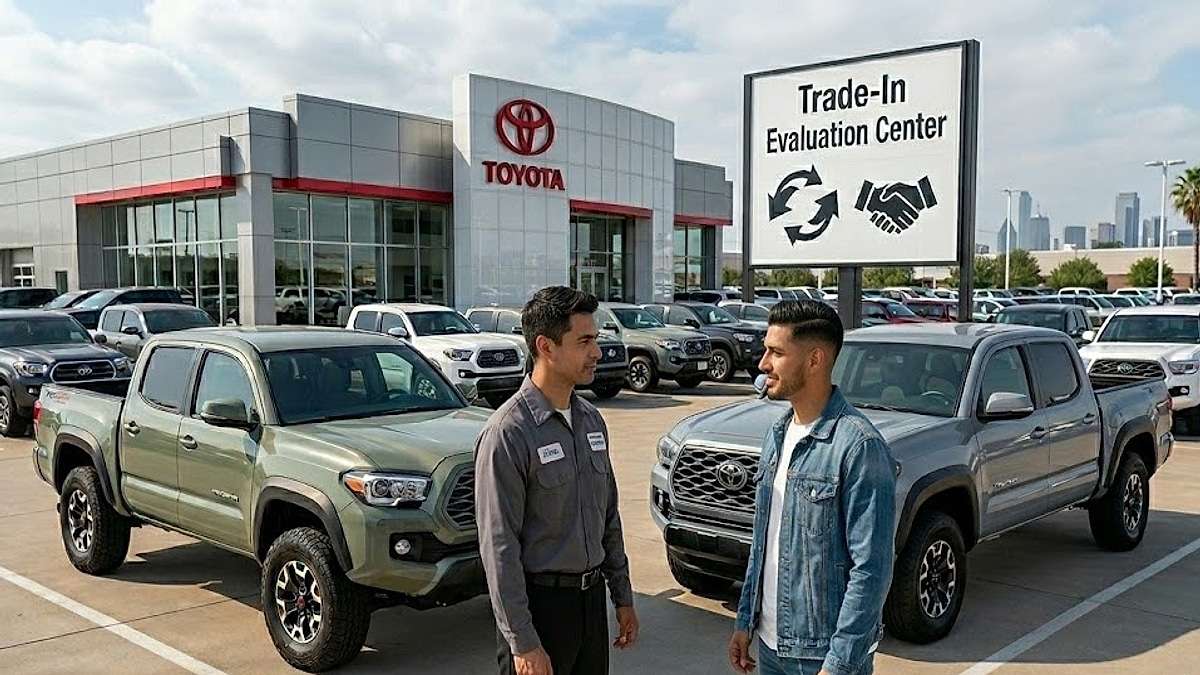
We have to address the elephant in the room: the "New Truck Premium" vs. "First-Year Depreciation." In our technical anchor piece, we explored how the 4th Gen’s complex electronic architecture is frustrating enthusiasts. However, from a consumer standpoint, the real frustration often begins at the dealership’s appraisal desk.
As a reporter who has spent decades tracking automotive market cycles, I am seeing a unique phenomenon in early 2026. Typically, a one-year-old Tacoma holds its value better than almost any other vehicle on the road. However, the market is currently saturated with 2024 lease returns and "early quitters," while the supply of low-mileage 2023 V6 models is dwindling. This creates a "price inversion" where you might be asked to trade in a $52,000 truck for $42,000, only to pay a $5,000 premium for a three-year-old used 3rd Gen.
The 2026 "Tacoma Valuation Inversion"
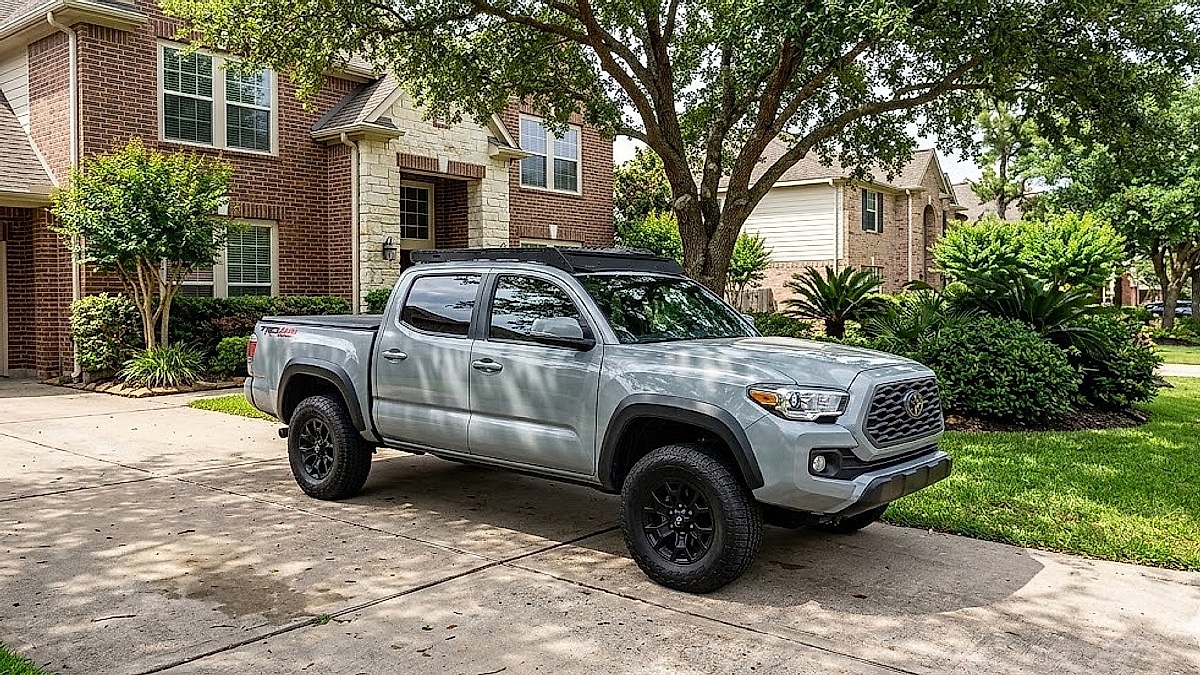
As a Senior Reporter with 14+ years of mechanical and advisory experience, I have performed a forensic audit of current auction data for owners. We are witnessing a historic "Valuation Inversion". While the 2024 i-FORCE models are experiencing a steeper-than-average first-year depreciation of 18%-22%, the 2021–2023 3rd Gen V6 models have reached a "Value Floor," appreciating by 4% in the last quarter alone.
This is driven by high-altitude buyers in regions like Colorado and areas like Texas who are actively de-risking their garages. My professional advice is to treat your 3rd Gen search as an asset acquisition; if you find a low-mileage V6 with a clean frame and documented transmission service, the "Premium" you pay now is actually a hedge against the complex, long-term repair costs of the 4th Gen platform.
Your "Exit Strategy" Action Plan
If you have decided that the 4th Gen is simply "not for you," do not rush into a trade-in. Based on my technical analysis of the 4th Gen Tacoma's current market standing, here is your step-by-step advocacy plan to minimize your loss:
- Audit the "Mod-Loss" Ratio: Michael Romero mentioned trying to "make it his own" with mods. From my experience, dealers rarely give you back 20 cents on the dollar for aftermarket parts. If you are selling by December, revert the truck to stock as much as possible and sell the mods privately on owner forums.
- Target the "V6 Appreciation" Curve: The 3rd Gen Tacoma is currently treated like a "legacy asset." Do not buy the first 2021-2023 model you see. Look for vehicles with a documented service history that specifically addresses the leaf spring recall and the 3.5L V6’s timing cover leaks.
- Leverage the "Two-Vehicle" Equity: As with the Houston owner we discussed, consider whether your equity is better spent on a "split setup." Instead of one expensive, modern truck that tries to do everything, you might find more value in a high-mileage 3rd Gen for utility and a dedicated performance car like a 5.0 Mustang for the soul.
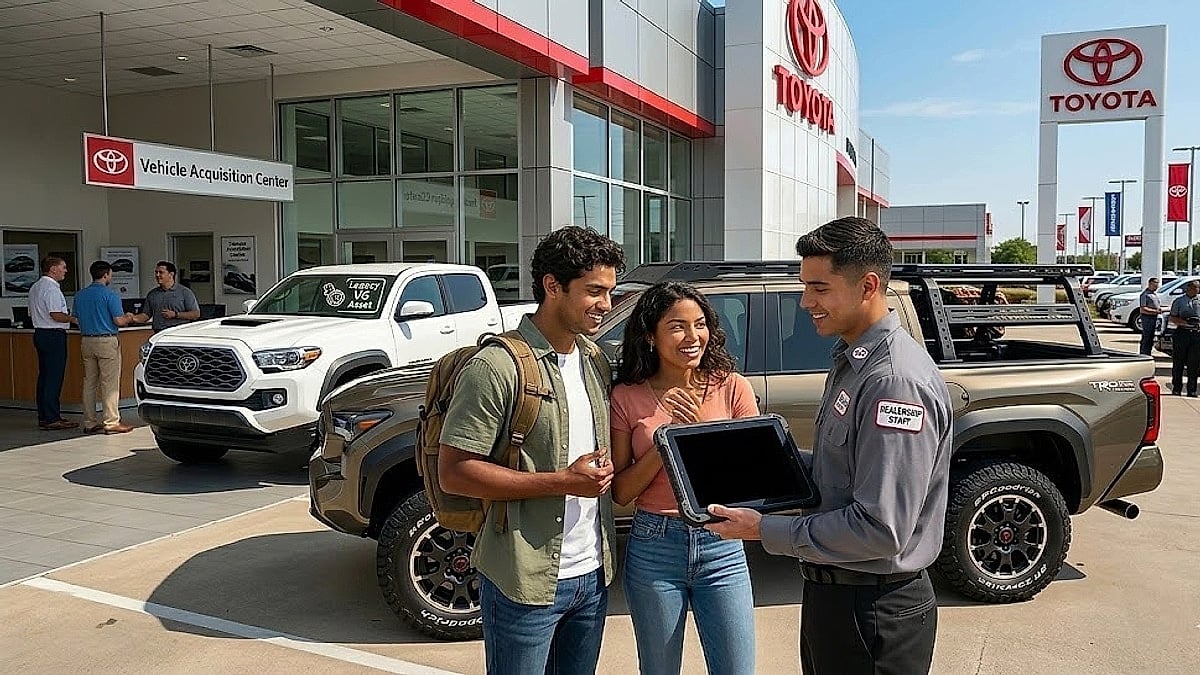
Why 3rd Gen Reliability is the Goal
The information angle here is simple: reliability is a form of currency. When we reviewed the forensic engine analysis in our primary investigation, we found that the i-FORCE turbo's complexity poses a long-term risk. By moving back to the 3rd Gen, you are essentially "buying back" mechanical transparency. You are trading away 10% in fuel efficiency for a 100% increase in your personal "peace of mind" regarding out-of-warranty repairs.
I have seen this cycle before. When the move to smaller, high-pressure engines occurs, there is always a "correction" in which the market realizes that displacement is the ultimate reliability insurance. We are in that correction period right now.
Summary for Owners
- Avoid the "impulse trade" during the summer months when truck demand peaks; wait for the December market dip to secure your replacement V6.
- Analyze the total cost of ownership, including the potential $10,000 equity gap, against the long-term maintenance costs of the turbo-4 platform.
- Consult with a trusted mechanic to perform a pre-purchase inspection on any 3rd Gen replacement, focusing on frame rust and transmission shift points.
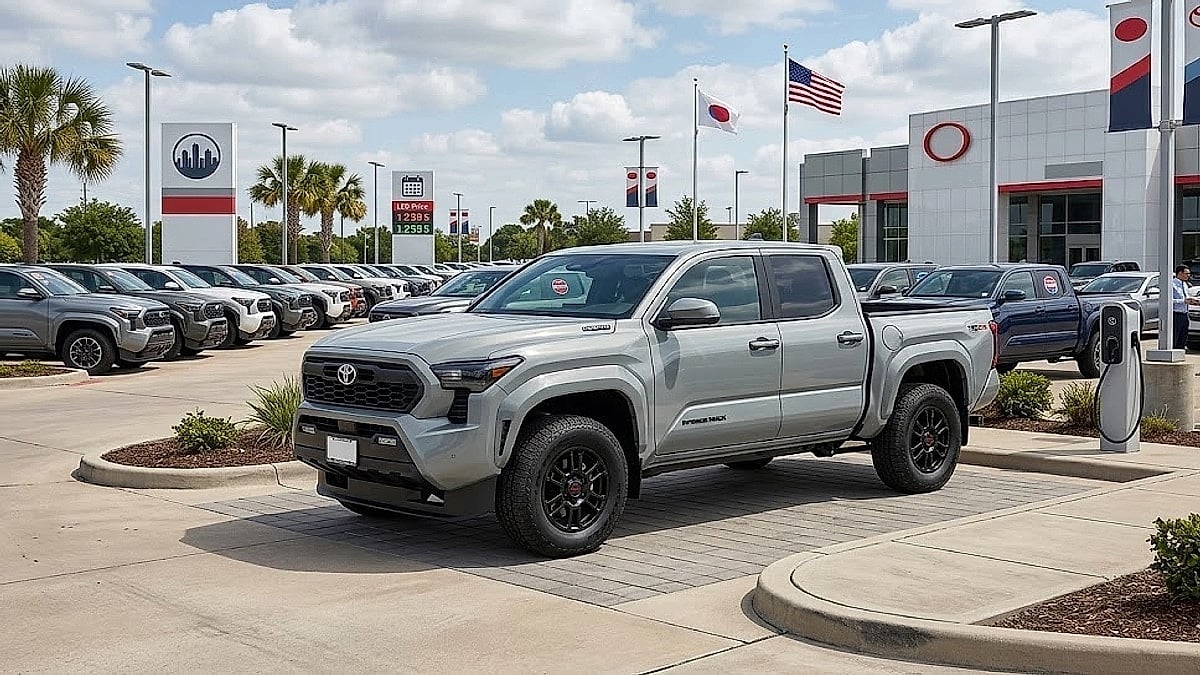
What about the 2027 Hybrid?
The very next logical question owners ask is: "Should I just wait for the 2027 i-FORCE MAX Hybrid to fix these issues?" My professional advice is that the Hybrid adds more complexity, not less. If your primary complaint is a lack of "love" for the 4-cylinder feel, adding a battery and an electric motor will not bring back the linear V6 grunt you miss.
A Measured Path Forward
Ultimately, being a consumer advocate means telling you the truth about the "cost of happiness." If your 2024 Tacoma feels like a "digital appliance" rather than a truck, the financial hit of trading it in might be worth the long-term satisfaction of driving something you actually trust. Just make sure you do the math before you sign the papers.
How About You?
Are you ready to take the financial hit to get back into a V6, or are you going to ride out the 4th Gen's "teething phase"? Tell us what you think in the comments below.
About The Author
Denis Flierl is a 14-year Senior Reporter at Torque News and a member of the Rocky Mountain Automotive Press (RMAP) with 30+ years of industry experience. Explore his full investigative reporting archives and technical guides at DenisFlierl.com. Based in Parker, Colorado, Denis leverages the Rockies' high-altitude terrain as a rigorous testing ground to provide "boots-on-the-ground" analysis for readers across the Rocky Mountain region, California EV corridors, the Northeast, Texas truck markets, and Midwest agricultural zones. A former professional test driver and consultant for Ford, GM, Ram, Toyota, and Tesla, he delivers data-backed insights on reliability and market shifts. Denis cuts through the noise to provide national audiences with the real-world reporting today’s landscape demands. Connect with Denis: Find him on LinkedIn, X @DenisFlierl, @WorldsCoolestRides, Facebook, and Instagram.
Photo credit: Denis Flierl
Set Torque News as Preferred Source on Google
Follow us today...