
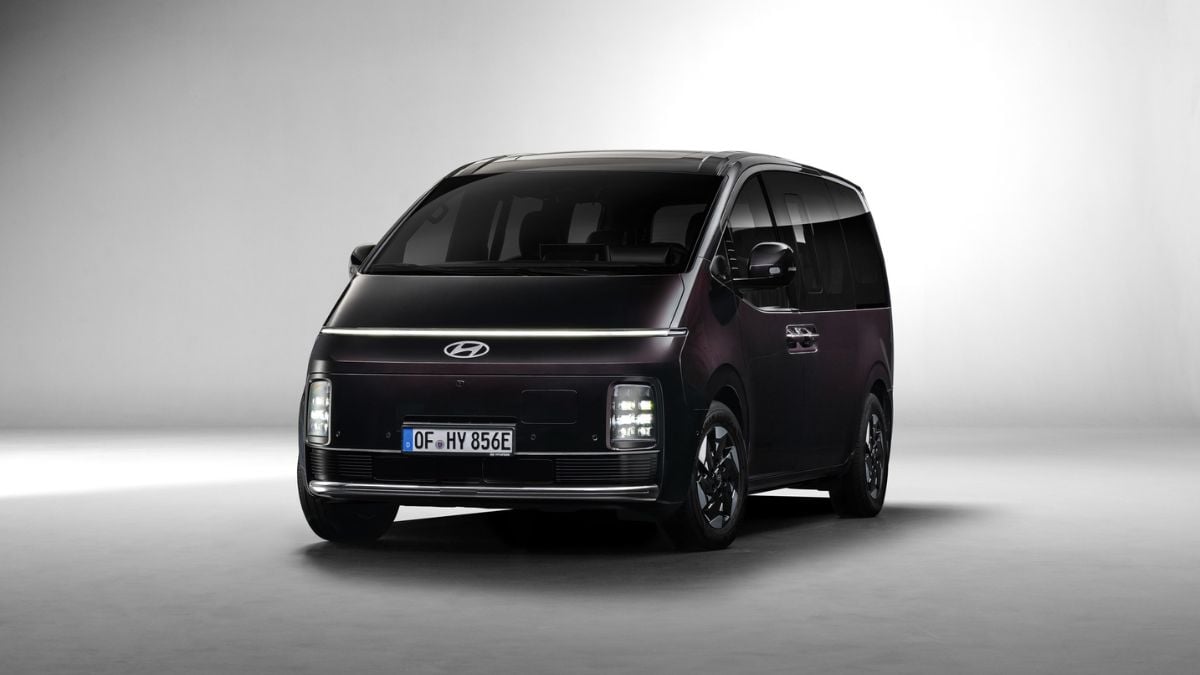
Hyundai just pulled the wraps off the Hyundai STARIA Electric, and I’ll be honest right up front: this is one of those vehicles that makes you stop, squint, tilt your head, and ask yourself whether you love it, hate it, or simply admire the audacity. The STARIA EV is not trying to be sexy, sporty, or aspirational in the Instagram sense. It’s trying to move a lot of people, a lot of stuff, and do it quietly, efficiently, and quickly charged. And in that context, Hyundai may have quietly built one of the most interesting electric people-movers we’ve seen so far.
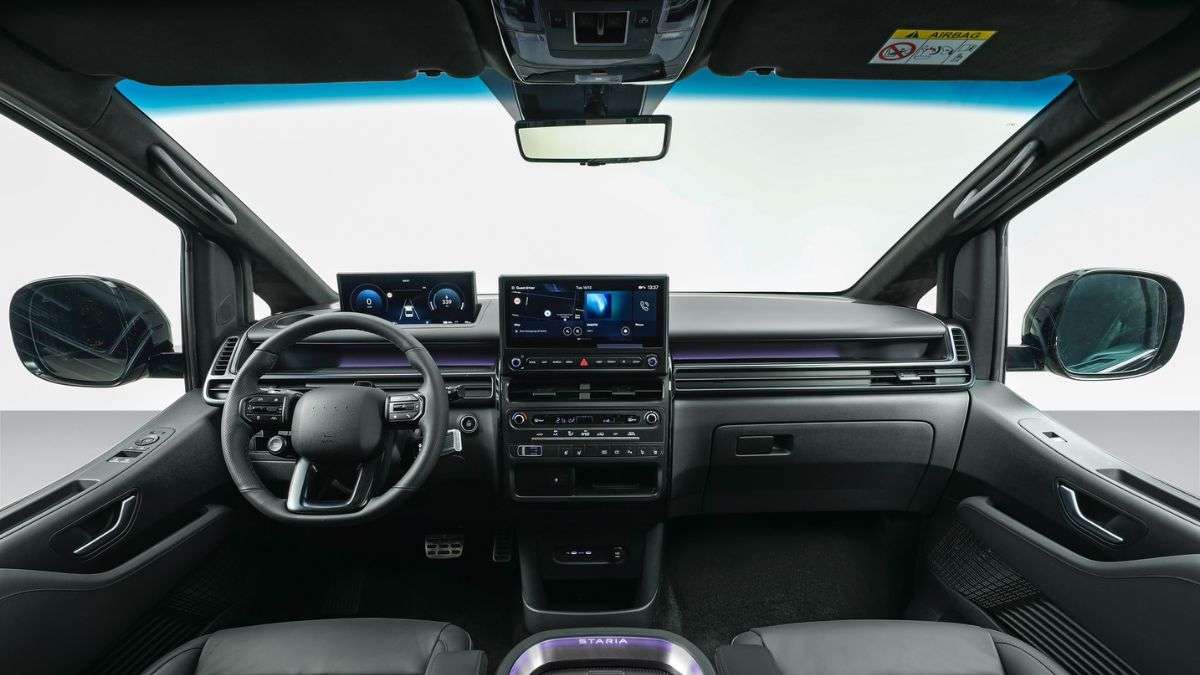
But first, let’s talk about the interior. Because wow. The dashboard looks like something that escaped from a late-1990s concept car folder that Hyundai found on an old ZIP disk. Horizontal lines everywhere, a very flat, almost appliance-like layout, and a design language that feels more “Windows 98 optimism” than “2026 minimalist chic.” Hideous? Maybe. Lovable? Also maybe. Functional? Almost certainly.
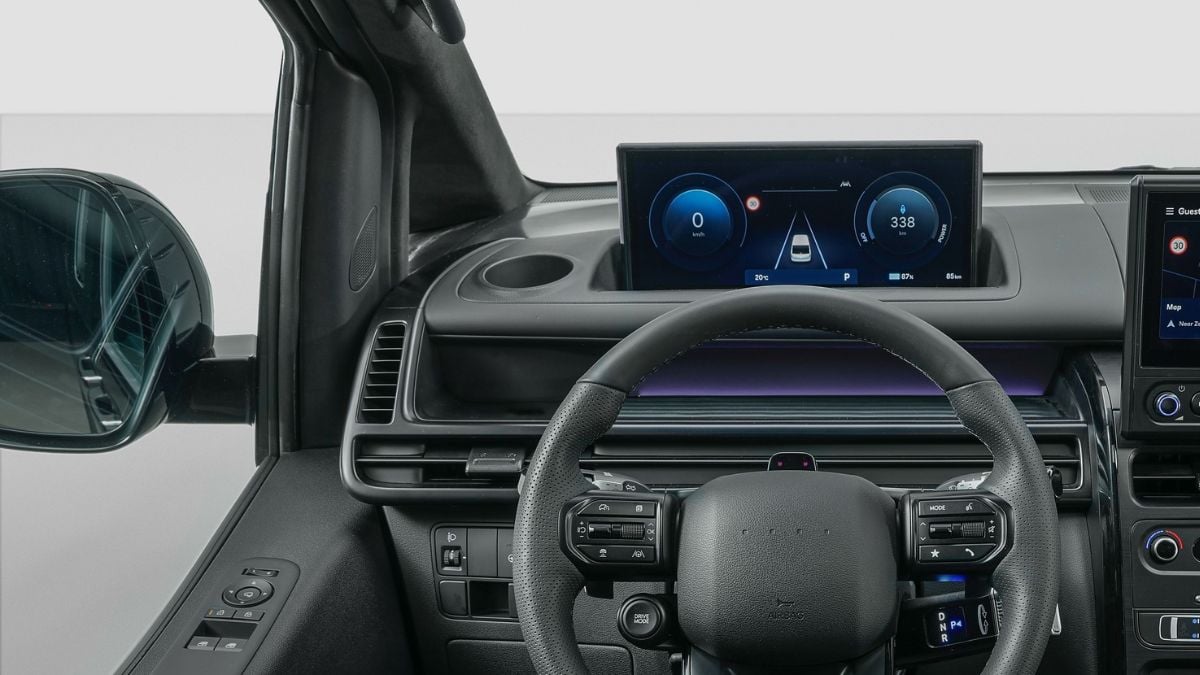
And then there’s that driver-specific cup holder on the left side. I’m genuinely stuck on this detail. Who exactly is this for? Who drinks coffee with their left hand while driving, unless they’re left-handed? Is Hyundai quietly doing something very inclusive here, or did an engineer just win an internal argument we’ll never hear about? Either way, it’s one of those oddly human details that makes the STARIA Electric feel less like a sterile EV appliance and more like a van designed by real people who argued about real things.
The Big Picture: What the Hyundai STARIA Electric Is
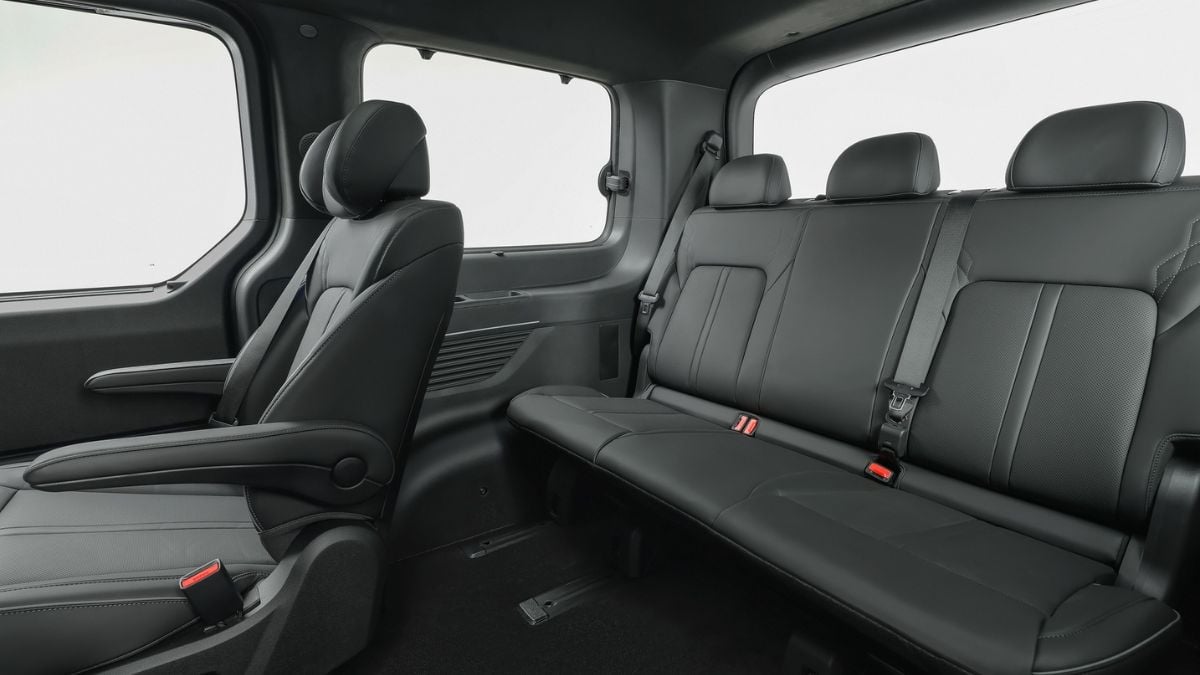
At its core, the Hyundai STARIA EV is a full-size, 9-seater electric van designed for families, shuttle services, leisure travel, and light commercial use. Think airport transfers, hotel shuttles, big families with gear, or anyone who has outgrown the traditional three-row SUV and is tired of pretending that minivans aren’t actually great.
Hyundai confirmed that the STARIA Electric rides on an 800-volt electrical architecture, which immediately puts it in serious company. This is the same basic philosophy Hyundai uses in vehicles like the Ioniq 5 and Ioniq 6, and it pays off in a big way where it matters most for large EVs: charging.
According to Hyundai, the STARIA EV can charge from 10 to 80 percent in about 20 minutes on a fast DC charger. For a van with an 84 kWh battery, that’s a big deal. Long charging stops are one of the biggest pain points for large EVs used for people hauling or commercial duty, and Hyundai seems determined not to let that become the STARIA Electric’s Achilles’ heel.
Hyundai STARIA EV Specs That Matter
Here are the key Hyundai STARIA Electric specs that people will be Googling the moment this thing starts showing up in real-world photos:
- Battery: 84 kWh
- Range: Up to 400 km WLTP (roughly 248 miles, likely less under EPA standards)
- Motor: 160 kW (218 PS)
- Charging: 800V architecture, 10–80% in about20 minutes
- Seating: Up to 9 passengers
- Towing capacity: Up to 2,000 kg
- Tech: Vehicle-to-Load (V2L), Digital Key, OTA updates
- Interior: Dual 12.3-inch displays, horizontal layout
- Infotainment: Next-generation ccNC system
This isn’t a performance monster, and it’s not trying to be. The STARIA EV is about usable power, predictable range, and minimal downtime, which is exactly what matters in this segment.
Why Hyundai’s Timing Is Interesting
What makes the STARIA Electric particularly fascinating is when it arrives. The electric van and people-mover space is suddenly full of awkward pauses and missed opportunities.
Volkswagen’s ID. Buzz was supposed to be the emotional home run, but as we’ve written before in “I’m Bummed the VW ID. Buzz Isn’t Coming Back for 2026, Here’s What VW Got Wrong and What Has to Change for 2027,” nostalgia alone doesn’t carry a product when pricing, range, and availability don’t line up.
And things got worse when Volkswagen effectively pulled the plug on the ID. Buzz in the US market after extremely limited deliveries, as detailed in “Another One Bites the Dust After Delivering Less Than 6,000 Vans, VW Pulls the Plug on ID. Buzz US Market."
Against that backdrop, Hyundai looks almost boringly competent. No hype circus. No retro cosplay. Just a van that charges fast, carries nine people, tows a respectable amount, and doesn’t pretend it’s something else.
The Interior: Ugly, Honest, and Probably Great to Live With
Let’s go back to that interior for a moment. The horizontal layout with dual 12.3-inch displays feels intentionally calm. This is not a cockpit designed to thrill the driver. It’s designed to reduce fatigue, make controls easy to find, and give passengers space and light.
The ccNC infotainment system and over-the-air updates mean the STARIA Electric won’t feel obsolete in three years, which is especially important for commercial buyers and families who keep vehicles for a long time.
And features like Vehicle-to-Load (V2L) and 100W high-power USB ports are more than gimmicks here. In a van, they’re lifestyle tools. Camping, tailgating, work sites, road trips with kids who all have devices, and this is where EV utility quietly outclasses gas vans.
How the STARIA EV Stacks Up Against Competitors
In many ways, the STARIA Electric exists because the market failed to deliver alternatives.
-
Rivian R1S: Technically impressive, but expensive and overkill if you just want space. As Tung Vu from The Ioniq Guy Facebook page put it perfectly:
Advertising
“I’ve been waiting for a 7-seater EV. The Rivian is way out of price range. If this STARIA EV is under $60K, count me in!”
- VW ID. Buzz: Emotional appeal, limited practicality, and now questionable future in key markets.
- Gas and hybrid minivans: Still excellent, especially models like the Kia Carnival, which I discussed in "Why the Kia Carnival Is Emerging as a Better Value Minivan When Toyota Sienna Buyer Priorities Are Still Pushing." But once you go electric, the daily convenience gap becomes very real.
The STARIA EV’s biggest advantage is that it doesn’t try to reinvent the wheel. It simply electrifies a form factor that already works.
Will the Hyundai STARIA Electric Come to the US?
Short answer: probably not anytime soon.
Hyundai has confirmed sales for Korea and likely Europe, but the US market remains a big question mark. Mark Young summed up the prevailing sentiment perfectly when he wrote:
“Very cool. Always loved the design of this van. Don’t think they’ll bring it here, sadly.”
From a business perspective, Hyundai may be cautious. Vans don’t sell in massive numbers here unless they’re cheap or commercial. But from a brand perspective, the STARIA Electric could be a quiet halo product that shows Hyundai understands real-world EV needs better than most.
Why the STARIA Electric Matters
The Hyundai STARIA Electric matters because it pushes EVs out of the luxury and performance echo chamber and back into everyday usefulness. It’s not about 0–60 times or Nürburgring laps. It’s about moving people efficiently, charging quickly, and aging gracefully.
And yes, it’s also about weird design choices, nostalgic dashboards, and cup holders that make you question your dominant hand.
So here’s where I want to hear from you.
Would you take an “ugly but honest” electric van like the Hyundai STARIA EV over a flashy electric SUV if the price were right?
And do you think Hyundai should take the risk and bring the STARIA Electric to the US, or is this exactly the kind of vehicle America doesn’t realize it wants yet?
Drop your thoughts and real-world perspective in the comments below.
Armen Hareyan is the founder and Editor-in-Chief of Torque News. He founded TorqueNews.com in 2010, which since then has been publishing expert news and analysis about the automotive industry. He can be reached at Torque News Twitter, Linkedin, and Youtube. He has more than a decade of expertise in the automotive industry with a special interest in Tesla and electric vehicles.
Set Torque News as Preferred Source on Google
Follow us today...