

December was a painful month as EV enthusiasts watched the U.S. market recalibrate. Ford announced that it was cancelling the F-150 Lightning, a favorite EV in the space and the best-selling electric pickup truck in the U.S. for 2025.
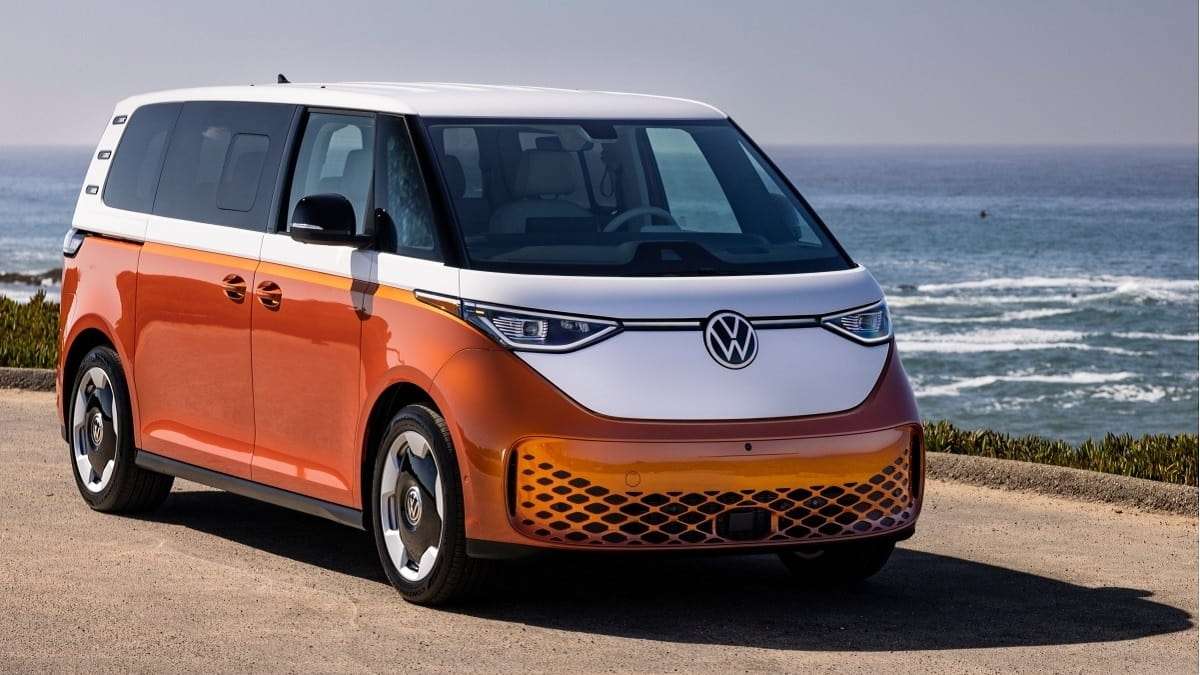
In the same month, Volkswagen announced that they were pausing exports and production of the ID. Buzz for the U.S. for the 2026 model year, but not permanently cancelling it. The move was done to focus on selling existing 2025 inventory and prepare for a potential 2027 return amidst declining EV sales and market challenges.
The good news for VW is that the U.S. market hasn’t given up on the ID Buzz and social media has lots of suggestions for what they’d like to see improved in the 2027 model. Here’s a great thread from the r/electricvehicles subreddit started by carmichaelcar:
“Even casual EV enthusiasts could have easily predicted that the ID Buzz wouldn't sell more than 500 VINs a month in the US. However, VW is a major OEM and didn't know this. This means that they may not know other things that all of us already know. So, what advice can we give them besides a 300+ mile range and a sub-$50K price would be the best 2 things?”
Comicidiot responded about not being overdependent on nostalgia:
“Consumers are price sensitive and not driven by nostalgia. Nostalgia may be a motivator, but it’s not enough to overcome an underwhelming vehicle.”
mattwb72 agreed:
“We were waiting for years for the ID Buzz to come out since it seemed ultra cool. We could not have been more disappointed when we saw the price and range. Nostalgia may get customers in the door, but won’t close a sale.”
Fojoart mentioned the lack features that made the original Microbus a camping icon:
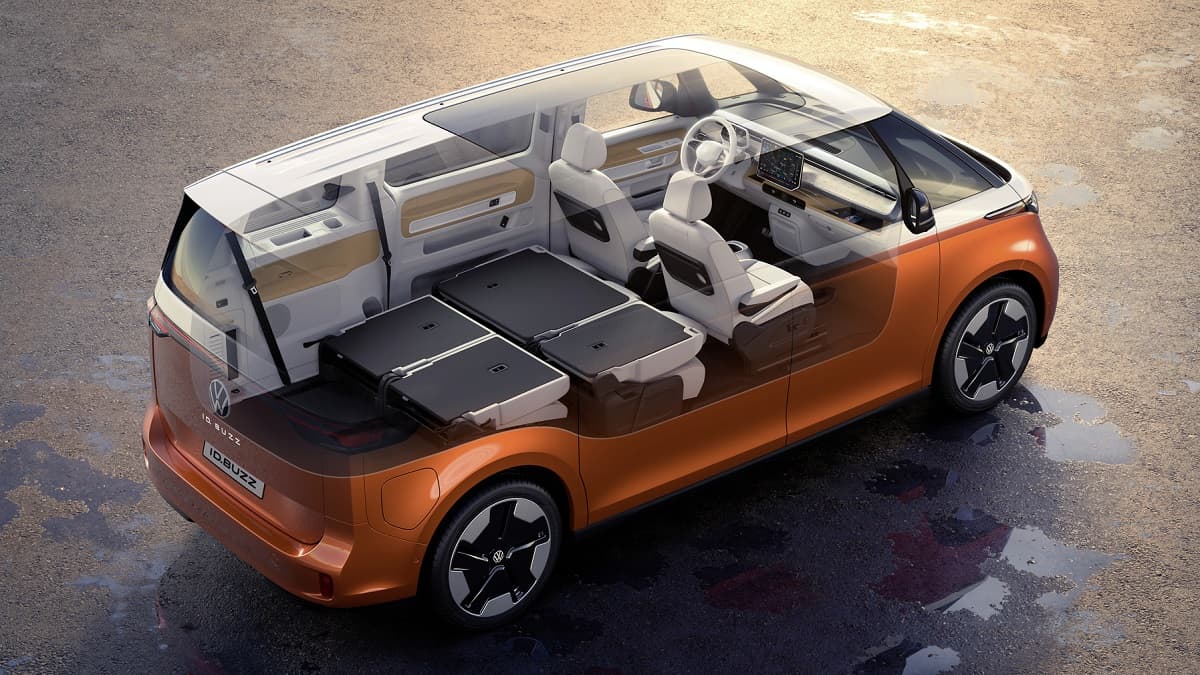
“VW needs to have the Westfalia camping package. An EV for ‘van lifers’ would be groundbreaking.”
unique_usemame agreed:
“The ID Buzz is a camping type vehicle that is missing the camping type features found in most large EVs. It doesn’t have camp mode (maintain AC). The power outlet is only for 200w instead of 1,800w. The range is too low, and all that stuff.”
Delayed Momentum and Missed Expectations
The Volkswagen ID Buzz arrived in the United States with years of anticipation behind it. After multiple concept teases and a long wait, the production version finally landed as a 2025 model in late 2024. Many people expected a competent launch and strong early demand. Instead, Volkswagen announced it will skip the 2026 model year in the US, a surprising pause for a vehicle that was meant to symbolize an electric revival.
Going into 2025, Volkswagen reportedly expected the ID Buzz to sell in the low tens of thousands annually in the US, with internal targets often discussed in the 15,000-to-20,000-unit range once supply normalized. Reality fell well short of that. Industry tracking shows that in the first nine months of 2025, Volkswagen sold about 4,930 ID Buzz units in the United States. This reflected a slower than expected dealer turn, pricing resistance, and launch disruptions that made it hard for the Buzz to gain momentum and find its footing despite strong early interest.
Pricing and Uncompetitive Range
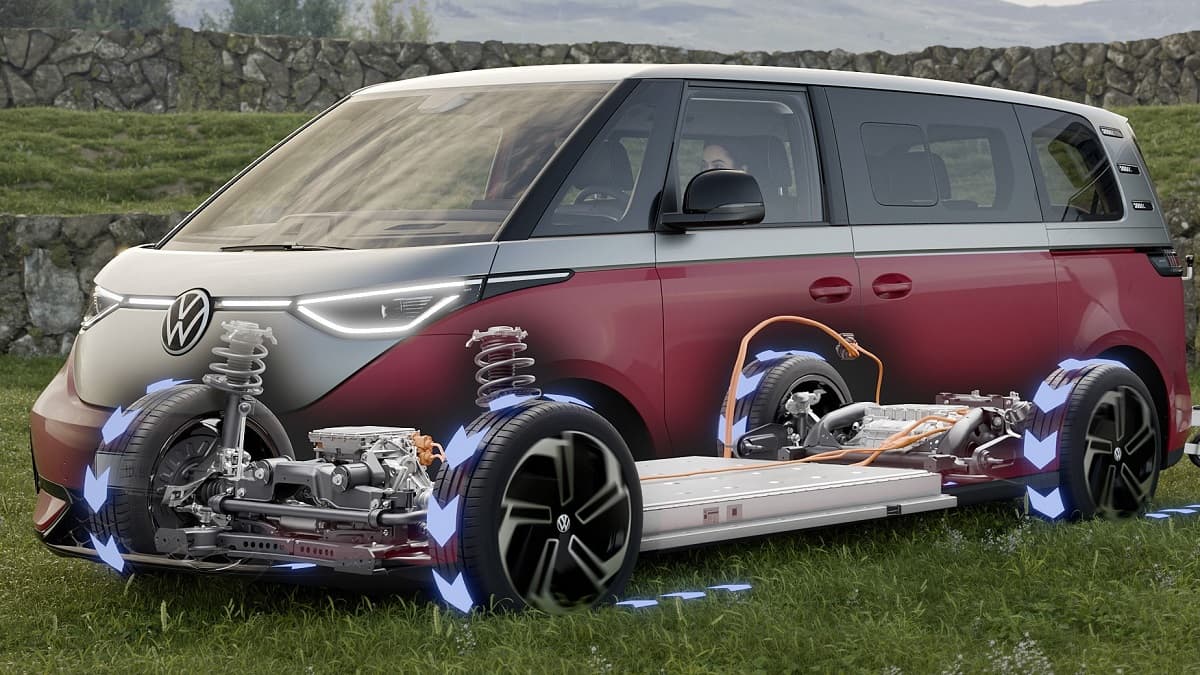
Cost quickly became a major hurdle. With a starting price around $61,545 and roughly 234 miles of range, shoppers were forced to make tough comparisons. The versions many buyers actually wanted, such as all-wheel drive with the iconic two-tone look, pushed pricing closer to $70,000 while offering even less range. For a family sized van marketed around road trips and adventure, that value/ price mix was difficult to justify.
Launch Disruptions and External Headwinds
The rollout faced additional setbacks from recalls and stop sale orders that disrupted early momentum. At the same time, the ID Buzz is built in Germany, and new import tariffs added further cost pressure. These issues landed just as overall EV demand in the US began cooling and incentives became less reliable, amplifying the challenge for a premium lifestyle vehicle.
Shifting Market Conditions and Disappearing Government Incentives
The broader EV market context also worked against the Buzz. When the federal EV tax credit ended on September 30, 2025, many undecided buyers stepped back. Losing that incentive mattered most for higher priced vehicles, and the ID Buzz sits squarely in that category. The result was a smaller pool of buyers willing to take the leap at its asking price.
A Pause, not a Cancellation
Volkswagen has been clear that this is not a full cancellation. The company still views the ID Buzz as a “halo” product that supports brand image, even without high sales volume. Skipping the 2026 model year allows Volkswagen to focus on selling existing 2025 inventory and reset for a potential 2027 return with compelling improvements.
Bottom Line
The ID Buzz has charm, personality, and undeniable visual appeal, but the current market is less forgiving than before. Style alone is no longer enough. Value, range, reliability, and everyday usability now decide success. Volkswagen has an opportunity to regroup and come back stronger for 2027, yet nostalgia may spark interest, while specs and pricing are what ultimately close the deal.
To be competitive in 2027, it’s clear that VW will need to match the price and range table stakes, as well as add features that will make the ID Buzz stand out in a competitive market. The most common request seems to be for an ID Buzz Westfalia to reincarnate the iconic 1960’s VW camper van that most expected.
What Do You Think?
Would you have seriously considered the ID Buzz if it had 300 miles of real world range?
Should VW have launched a Westfalia style camper version from day one?
Chris Johnston is the author of SAE’s comprehensive book on electric vehicles, "The Arrival of The Electric Car." His coverage on Torque News focuses on electric vehicles. Chris has decades of product management experience in telematics, mobile computing, and wireless communications. Chris has a B.S. in electrical engineering from Purdue University and an MBA. He lives in Seattle. When not working, Chris enjoys restoring classic wooden boats, open water swimming, cycling and flying (as a private pilot). You can connect with Chris on LinkedIn and follow his work on X at ChrisJohnstonEV.
Photo credit: Volkswagen media kit
Set Torque News as Preferred Source on Google
Follow us today...



Comments
VW has been working on the…
Permalink
VW has been working on the midterm MEB+ battery utilizing LPF chemistry. That bodes for cheaper manufactering, also due to packing even though LPF is less charge dense than Nickle Lithium batteries, VW can pack more cells in. VW has stated that the MEB+ should be around a third of the cost of the MEB battery to manufacture. Secondly, a vehicle with the MEB+ managed a 435 mile range. Now that is something smaller than an ID4 and most likely on the WLTP cycle. Still, doing some number working that could get the buzz into the 285 to 300 mile range. Also even with tariffs, if the battery costs that much less, VW could drop the price by 10K in the US and still manage a profit.