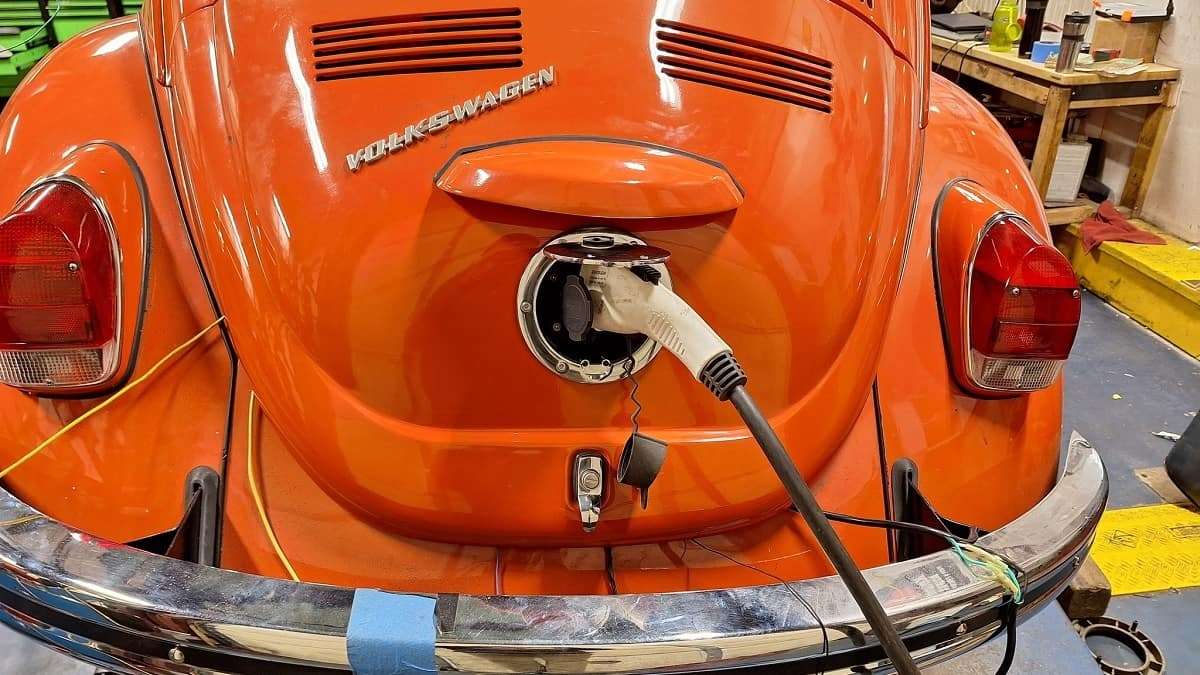

Back before the dream of mass market electric vehicles became a reality, “e-gearheads” were converting gas-powered cars to electric. Some have been at it for over 30 years. Their projects are a testament to human ingenuity. With more kits, parts, and detailed info on the net, the good news is that it has become easier convert classic and everyday cars to electric.
Social media is a rich source of interesting and inspiring content about EV conversion projects for those looking to get started. Here’s a good thread from Reddit started by Novel_Commercial4165:
“Anyone here tried converting classic car to EV? How painful is it?
Been toying with the idea of converting an old Mini or Super Beetle to electric. I love the vintage look but want something cleaner and more reliable to drive around town.”
OrchardsBen, a veteran EV converter, responded with:
“The cost has never been lower if you know what you are doing. But the cost in time is very high. If you are looking for an EV on the cheap buy an old leaf.
Still it's a great hobby to get sucked into.”
Further down, MattsAwesomeStuff responded with some insights about sourcing parts:
“Here's some advice that you probably won't take, which is why you need the advice:
A kit makes the easy part easier. It doesn't make the hard part easier.
Kits are generally a waste of money because the kit selling places are charging ~5-10x what it would cost to source parts yourself. They only want to click on an order form to restock. A kit seller can spend 60 second re-ordering. That is a great deal for them.
For a Kit user (you), to re-use junkyard parts might take you an extra day or so. Maybe eight hours between going there, pulling it, and figuring out how to use it. That eight hours is NOTHING compared to the time you'll be putting into building your car - maybe 1% extra work.
Kit sellers will almost never sell you used parts. They will only sell you brand new, low-volume, weird motors they can order out of a catalog.
So which parts are better? The junkyard parts, no question. They're actual EV parts that were built in quantities of 1,000x as times as much as the "new DIY" weird stuff the kit companies will sell you.”
The Volkswagen Super Beetle
Converting a Volkswagen Super Beetle to electric is a great choice. It’s a classic icon that’s simple mechanically with an easily accessible chassis and engine compartment. The Super Beetle launched in 1971 as an upgraded version of the popular Beetle. It kept the familiar rounded shape but offered significant improvements in comfort and handling. The main difference was a redesigned front suspension that replaced the old torsion bar setup with MacPherson struts, which created more trunk space and a smoother ride. This upgrade is better at accommodating the extra weight of EV batteries. The Super Beetle also featured a curved windshield, better ventilation, and a slightly longer nose. About 3.4 million units were produced before the model ended in 1979. It remains a favorite among collectors for blending vintage charm with a more refined driving feel.
EV Conversions Are the Next Automotive Frontier
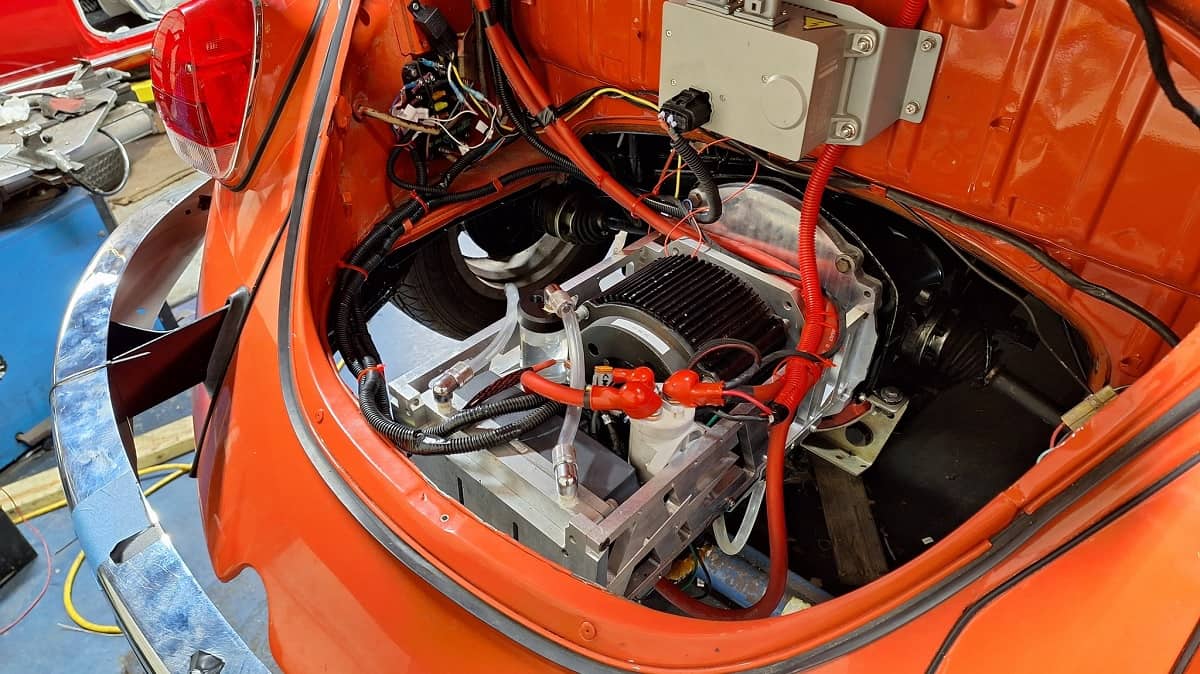
Professional shops and hobbyists are converting gas-powered cars to electric at a faster pace. By salvaging motors and battery packs from EVs like Tesla and the Nissan LEAF, they are giving classic cars like the BMW 2002 and Porsche 911 a second life with modern electric drivetrains. Over the last five years, we’ve seen a surge in aftermarket suppliers and conversion specialists responding to rising EV demand.
Electric conversions trace their roots to the hot-rodding culture of the 1940s, when mechanics and tinkerers experimented with speed and engineering creativity. Today’s enthusiasts apply that same spirit to electrification. Early pioneers like the “White Zombie” Datsun drag racer proved that electric power could deliver extraordinary performance. It was a customized, 1972 Datsun 1200 that was converted into an all-electric drag car and held the record for the world's quickest street-legal electric car for many years. As purpose-built components became available, conversions evolved from repurposing wrecked Teslas to custom kits and modular systems made for nearly any vehicle.
DIY Builders and the Next Generation
The accessibility of EV technology has inspired a new wave of do-it-yourself builders. Many projects, some even by teenagers, are documented on YouTube. A community of online mentors and sponsors has emerged to give encouragement and help bring projects to life, symbolizing how younger generations are blending curiosity, engineering, and sustainability into personal mobility projects.
The Expanding Aftermarket Industry
Major automakers like Ford and GM now sell “crate motors” for EV conversions, while the broader aftermarket is seeing explosive growth. At the annual SEMA show in Las Vegas, the EV section grew from 2,000 to 22,000 square feet in just two years. To support this trend, SEMA has proposed legislation offering $2,000 rebates for people converting their cars to electric, a step toward making conversions more attainable for everyday drivers.
Economic and Practical Realities
While conversions are exciting, they remain costly. Transforming a classic car typically runs $40,000 to $60,000, plus the donor vehicle. Full electrification is unlikely to become mainstream for everyday cars due to the engineering challenges of fitting large, distributed battery packs into older chassis. However, fleet vehicles such as garbage trucks or utility rigs that are designed for long service lives present strong economic cases for mid-life EV conversions, especially when factoring in lower maintenance and fuel costs.
Education and Workforce Development Is Creating Jobs
The rapid growth of the conversion industry is creating demand for skilled EV technicians. Some professional EV conversion shops are offering hands-on STEM education for students and adults. Programs are emerging nationwide, preparing the next generation of mechanics for careers in electrification as adoption accelerates globally.
Professional EV Conversion Shops
As an alternative to converting your gas car to EV by yourself, there are professional shops like EV Works in Bainbridge Island, WA and Ambler Electric Vehicle in Ambler, PA. These shops are options for top-notch EV conversions, but you will need to be prepared to pay about $40,000 or more for a highway-capable, professional conversion. Keep in mind, that they take about 240 hours of labor plus the overhead of a professional shop.
Bottom Line
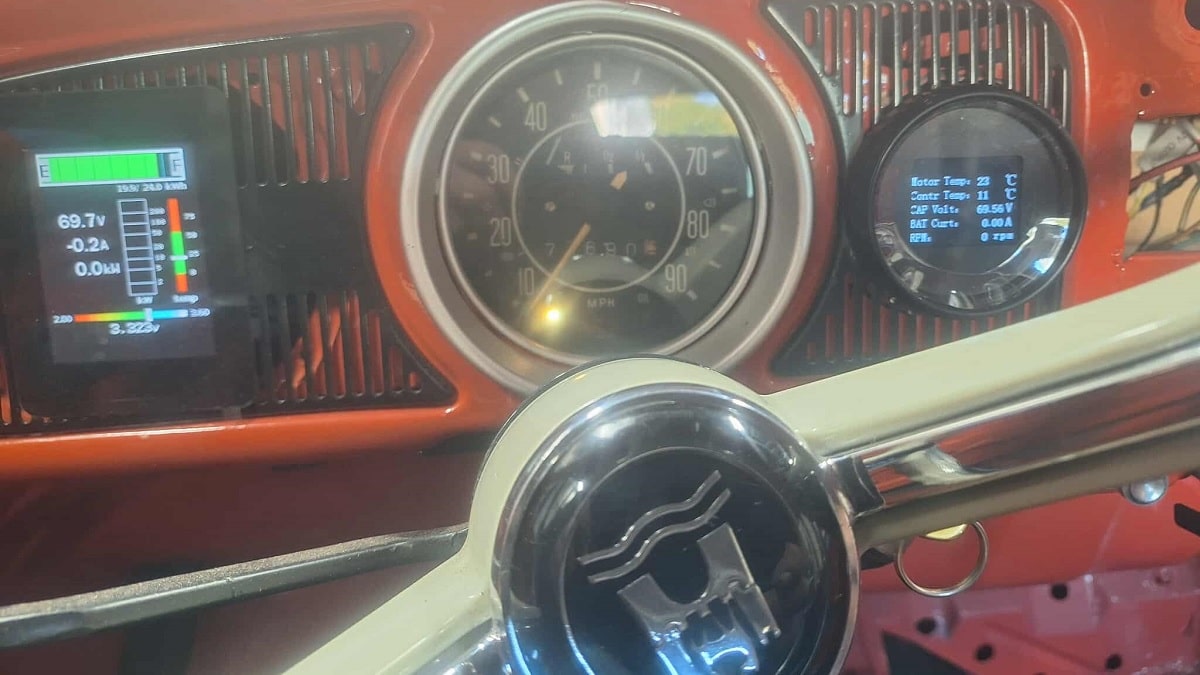
EV conversions combine nostalgia, performance, and sustainability into one movement bridging automotive history and the future. From professional shops to teenage builders in home garages and high schools, the trend reflects both innovation and passion. Whether pursued for fun, performance, or the planet, the shift toward electrifying old gas cars has become one of the most creative frontiers in the evolution of personal transportation.
What Do You Think?
If you could electrify any classic car, which one would you choose and why?
Do you think converting a VW Super Beetle to electric preserves its spirit or changes it too much?
Chris Johnston is the author of SAE’s comprehensive book on electric vehicles, "The Arrival of The Electric Car." His coverage on Torque News focuses on electric vehicles. Chris has decades of product management experience in telematics, mobile computing, and wireless communications. Chris has a B.S. in electrical engineering from Purdue University and an MBA. He lives in Seattle. When not working, Chris enjoys restoring classic wooden boats, open water swimming, cycling and flying (as a private pilot). You can connect with Chris on LinkedIn and follow his work on X at ChrisJohnstonEV.
Photo credit: Ambler Electric (with permission)
Set Torque News as Preferred Source on Google
Follow us today...