
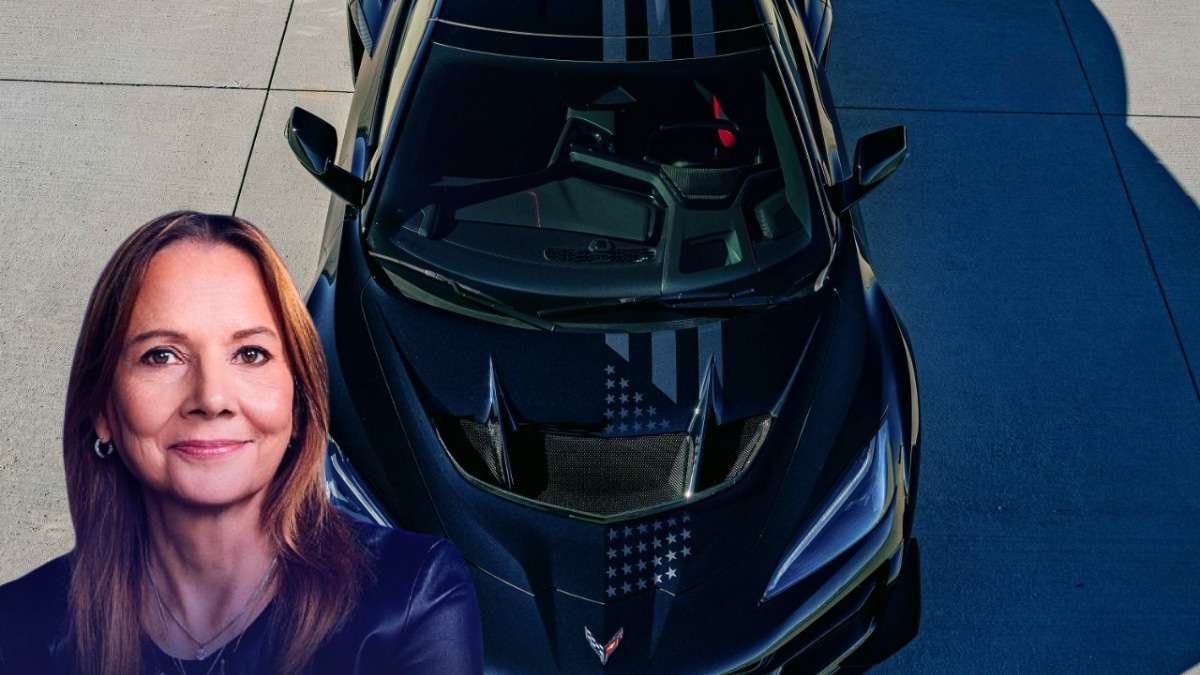

You buy a Chevrolet Silverado. You shake hands, sign the paperwork, and drive home thinking the deal is done. Three years later, you're still paying General Motors every month, and the store where you bought the truck barely knows you exist. That is the future GM is quietly building, and it looks a lot like what we already described when we asked whether car dealerships are becoming tech companies whose most valuable asset is no longer the metal on the lot.
Why Is GM Suddenly Making More Money From Software Than From Selling Cars?
General Motors says its software business keeps roughly 70 cents of every dollar it brings in. During GM's Tuesday earnings call, executives called out OnStar and Super Cruise as the company's fastest growing software services, and the numbers behind that growth are why the rest of the industry is paying attention. Compare that to vehicle sales, which typically generate four to 10 cents per sales dollar, and you can see why Wall Street perks up every time GM mentions OnStar or Super Cruise on an earnings call. Selling steel is a low margin grind. Selling a monthly subscription attached to that steel is a different business entirely.
How Does OnStar Generate $800 Million In Just Three Months?
OnStar brought in about $800 million during the second quarter, up more than 20% from a year earlier. GM expects to add roughly 1 million new OnStar subscribers this year, pushing the total close to 13 million. That number matters because OnStar started as an emergency assistance system decades ago. It has since grown into a connected services platform that GM has even used to power outside projects, including the early peer to peer car sharing partnership we covered when GM opened its OnStar API to a car sharing service.
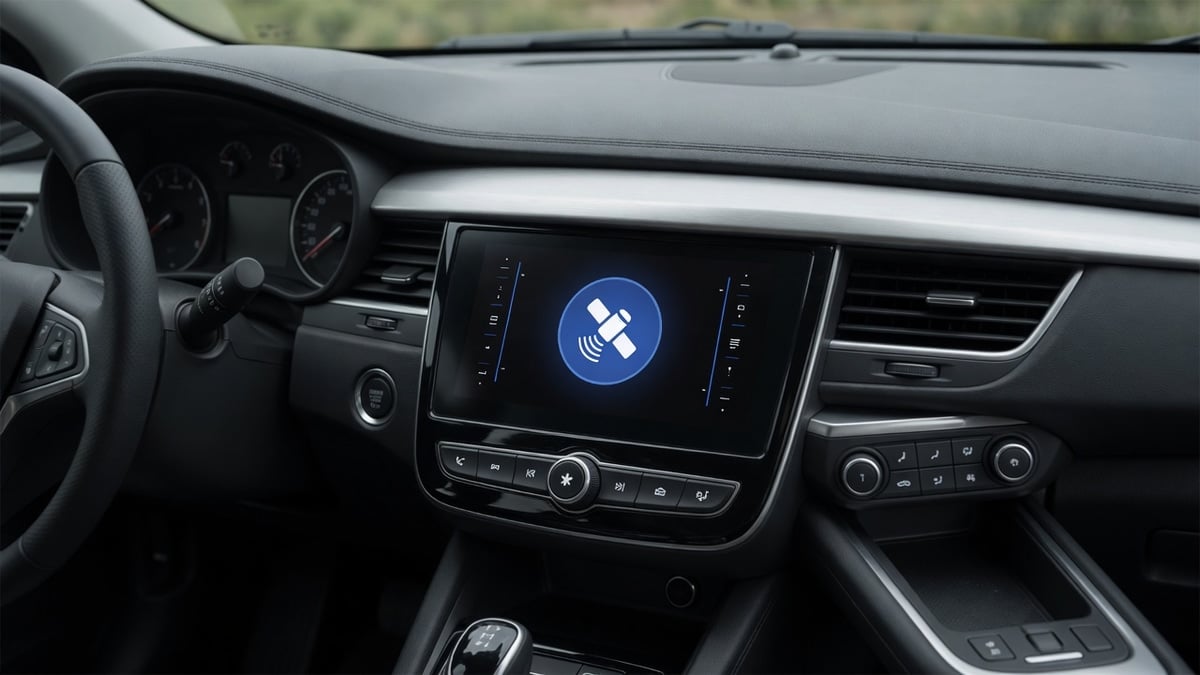
What used to be a safety feature is now a recurring revenue engine.
Why Is Super Cruise Becoming One Of GM's Fastest Growing Businesses?
Super Cruise, GM's hands free, eyes on highway driving system, grew even faster. GM added about 70,000 subscribers during the quarter and expects to end the year with more than 850,000. Revenue climbed roughly 70% from a year earlier. Back when Super Cruise first launched on the Bolt EUV as a $2,200 option, we noted that buyers did not actually own the feature outright, since a separate subscription kicks in once the included trial expires. That structure is now paying off at scale. Between 30% and 40% of eligible owners keep paying once their three year included subscription runs out.
Why are that many people willing to keep paying month after month for a feature they already paid for once at the dealership? That is a genuine question worth sitting with.
Is GM Quietly Becoming A Technology Company?
This might be the most important thread in the whole story. Recurring revenue, over the air updates, and subscription income give investors something they rarely get from an automaker, which is predictable income. GM CEO Mary Barra said on the call, "We do think we have tremendous levers, multiple levers of growth. We definitely think there's a lot of opportunity at GM to grow, improve margins, and become less cyclical." That is a technology company's language, not a traditional manufacturer's language. We have already flagged the friction this shift can cause, especially after GM's move to remove Apple CarPlay and Android Auto in favor of its own subscription based software stack.
Does Buying A GM Vehicle Now Mean Entering A Long Term Subscription Relationship?
For a lot of buyers, yes, whether they realize it at signing or not. There is a free trial period, then a renewal decision, then an ongoing relationship that lives entirely inside GM's app and billing system. Some of it is optional. Some of it may not stay optional forever, which is exactly the tension we raised when we looked at automakers hiding features behind software locks that owners technically already paid for.
What Does This Mean For GM Dealers?
This is where the story gets complicated, and it is where Adrian Martin, founder of Storefront Audit and a former GM dealer, offered a perspective worth quoting in full. Commenting under a post by Steve Greenfield on this exact topic, Martin wrote:
"The margin story is the headline everyone will run with. From the store side there's a quieter one underneath it. Every one of those subscription dollars is a recurring relationship GM owns directly with the customer, over the dealer's head. The dealer sells the car, and then the automaker quietly keeps the monthly touchpoint and the revenue that rides with it. Great for GM's less cyclical story. It also chips away at the one thing the dealer still had, the ongoing relationship with the owner. Curious whether you see any of that subscription money ever flowing back to the store, or if the dealer is fully cut out of it."
The dealer sells the vehicle once. GM owns the OnStar relationship, the Super Cruise billing, and the monthly touchpoint with the owner for years afterward. That is a real shift in who talks to the customer, and how often. It echoes what we heard directly from a dealership technology executive when we explored who actually owns the customer relationship once a shopper's data starts flowing through multiple systems before a sale even happens.
So who really owns the customer after the sale closes?
Will Dealers Ever Share In Subscription Revenue?
Nobody outside GM's finance department knows the answer to this yet, and that is what makes it interesting. Could dealers eventually receive a commission on renewals, an incentive tied to activation rates, or some other cut of the subscription pie? Or does GM keep every dollar of that recurring stream for itself? Dealers have already shown they will look for other ways to make up lost service revenue, sometimes in ways that frustrate owners, like the pattern we documented when a GMC Sierra owner was charged $100 for a special EV tire rotation that had already been completed. If subscription income never trickles down to the store level, dealers may keep hunting for revenue elsewhere, and not always in ways that build trust.
Why Does Wall Street Love Subscription Businesses?
Think about Netflix, Apple, and Amazon Prime. Investors do not value those companies the way they value a traditional retailer, because subscribers generate steady, forecastable income month after month. GM is not Netflix, and nobody should pretend otherwise, but the appeal to investors is the same. Predictable monthly income smooths out the bumps that come with cyclical new vehicle sales.
Could Other Automakers Follow GM's Strategy?
Ford, Toyota, Hyundai, BMW, Mercedes, and Tesla are all experimenting with some version of software driven revenue, whether it is connected services, driver assistance subscriptions, or performance unlocks. Ford has leaned into BlueCruise. Mercedes has tested subscription based acceleration boosts in some markets. Tesla sells Full Self Driving as a standalone purchase or subscription. None of these approaches are identical, but the direction is the same across the industry, which is fewer one time transactions and more ongoing digital relationships with owners.
What Features Might Become Subscription Services Next?
This is one of the most searched questions in this space, and it is worth framing as an industry trend rather than speculation about GM's specific unreleased plans. Advanced driver assistance, premium navigation, remote start and monitoring, performance modes, and periodic software upgrades are all candidates across the industry. Some of that friction is already visible at the dealer level, where owners have complained about post sale software gaps, including the frustration one Blazer EV owner described spending 10 hours at the dealer over a service issue tied to the vehicle's software.
Is This Good Or Bad For Car Buyers?
Both, honestly, and it depends on how it is executed. On the upside, subscription revenue can fund continuous software improvement, new features rolled out after purchase, and safety updates that would not otherwise reach an older vehicle. On the downside, recurring costs add up, subscription fatigue is real, and plenty of buyers still feel confused about what is included in the original purchase price versus what requires an ongoing payment. We have heard this frustration directly from readers, including one exchange about a GM owner worried about hidden tracking devices and future subscription creep at the dealership level.
Is GM Trying To Become Less Dependent On New Car Sales?
Barra's comments point directly at this. Economic downturns, high interest rates, and slower new vehicle sales all hit automakers hard in cyclical years. A growing subscription base smooths that out. It is a defensive financial strategy dressed up as a technology story, and both things can be true at once.
The Bigger Question: When You Buy A Car In 2030, Will You Really Own The Experience?
That is the question worth sitting with after all these numbers. As InsideEVs reported that GM pulled in $5.4 billion from OnStar and Super Cruise combined in 2025, and expects that figure to keep climbing. The trend line is not slowing down. Meanwhile dealers are already navigating a landscape where buyers increasingly bypass the traditional showroom altogether, a pattern we detailed when covering how outdated dealer laws are pushing more buyers toward direct sales EV makers. Add subscription revenue that flows straight to the manufacturer, and the dealer's role in the ownership story keeps shrinking on two fronts at once. InsideEVs
Is GM Quietly Building An Automotive Version Of Apple?
I would not overstate that comparison, but the parallel is easy to grasp. Apple sells you a phone once, then earns recurring revenue for years through the App Store, iCloud, and services. GM is increasingly doing the same thing with a truck or SUV instead of a phone. The hardware sale gets you in the door. The software ecosystem is where the long term money lives.
Not every dealer will lose ground here. Stores that build a real ongoing relationship with owners, the way we described dealers doing when they treat every customer letter and phone call with respect rather than a mass mailed lowball offer like the one we covered involving a Hyundai Ioniq owner who received an unsolicited buyback letter, will still have a role to play. The relationship still has to live somewhere. The question is whether it lives at the store, or inside an app that reports straight back to Detroit.
The moral of this story is simple. In an industry that is shifting from one time transactions to ongoing digital relationships, whoever controls the monthly touchpoint with the customer ends up controlling the future of that relationship, whether that is the dealer, the automaker, or eventually the customer themselves through how they choose to spend their money.
Would you pay a monthly subscription for features like Super Cruise or OnStar if they genuinely made your driving experience better, or do you believe those features should be included for the life of the vehicle?
Do you think automakers or dealerships should own the long term relationship with customers after the sale, and why?
Return tomorrow, or check our Torque News Home Page for more interesting automotive news articles.
About The Author
Armen Hareyan is the founder and Editor-in-Chief of Torque News and an automotive journalist with over 15 years of experience writing car reviews and industry news. Now based in the Charlotte region (Indian Land, SC, he founded Torque News in 2010, which since then has been publishing expert news and analysis about the automotive industry. He can be reached at Torque News on X, Linkedin, Facebook, and Youtube. Armen holds three Masters Degrees, including an MBA, and has become one of the known voices in the industry, specializing in the landscape of electric vehicles and real-world stories of actual car owners. Armen focuses on providing readers with transparent, data-backed analysis bridging the gap of complex engineering and car buyer practicality. Armen frequently participates in automotive events throughout the United States, national and local car reveals and personally test-drives new vehicles every week. Armen has also been published as an automotive expert in publications like the Transit Tomorrow, discussing how will autonomous vehicles reshape the supply chain, and emerging technologies in vehicle maintenance.
Set Torque News as Preferred Source on Google
Follow us today...







Comments
I would imagine the cell…
Permalink
I would imagine the cell phone apps integrating directly with these vehicles will help drive service business. Despite what consumers say they are 100% will to spend more on cars/service if the experience is more convenient.
If service centers can adequately adjust too these changes and interface with the data these apps can provide it’s going to be a gold mine for them.
At the end of the day it, GM needs its dealers selling cars and selling AC Delco parts. I see little reason to try to cut them out. I genuinely doubt GM sees any value in moving to a direct to consumer business model.
Ford pays out if the dealer…
Permalink
Ford pays out if the dealer signs them up for the digital programs.