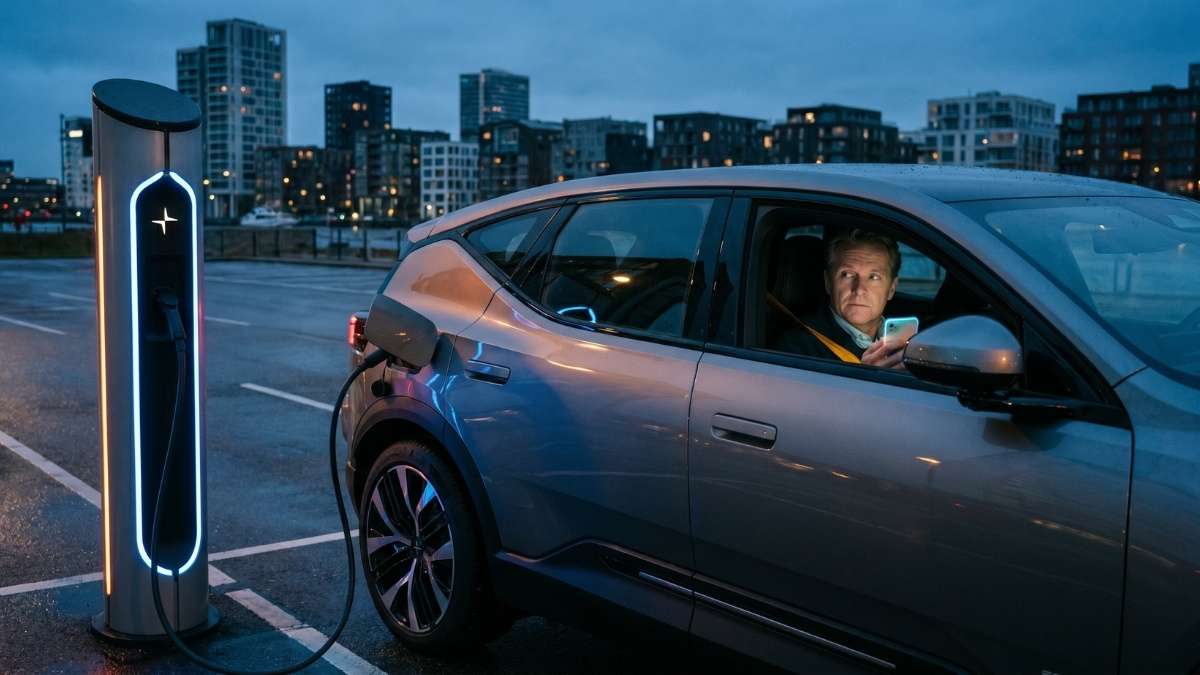

In the world of technology, there is a recurring theme: companies often believe they can lock customers into an ecosystem to extract recurring revenue. In the automotive world, General Motors is currently the poster child for this dangerous strategy. By deciding to remove Apple CarPlay and Android Auto from its vehicles - beginning with its EVs and expanding to all models by 2028 - GM hasn't just removed a feature; it has declared war on the digital lifestyles of its customers.
As a long-time analyst of both the tech and automotive sectors, I’ve seen this movie before. It usually ends with the "walled garden" crumbling under the weight of consumer resentment. For GM, the timing couldn't be worse as the industry shifts toward Software-Defined Vehicles (SDVs).
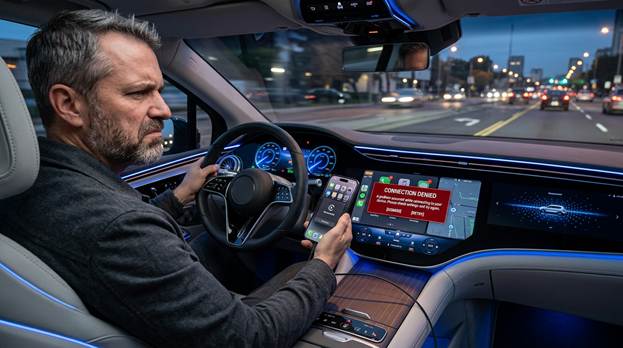
The Fatal Flaw in GM’s Native Strategy
GM’s pivot to a native platform built on Android Automotive OS—but stripped of the mirroring features we’ve grown to love—is transparently about one thing: data and subscription revenue. By forcing users into a proprietary interface, GM gains control over user data and the ability to upsell monthly services for navigation and entertainment. GM CFO Paul Jacobson has openly stated that software services can command 70% gross margins, making the allure of a closed system irresistible to the board.
However, this move ignores a fundamental rule of Experience: the user's current habit is the strongest force in the market. As noted in this detailed analysis of GM removing CarPlay, the backlash has been swift and severe. Consumers don't want another "system" to learn; they want their car to be an extension of the device that already manages their entire lives. According to recent survey data, over 50% of drivers consider the absence of CarPlay a deal-breaker, a figure that jumps to nearly 90% among current GM owners.
The Smartphone Bond: More Than Just an App
For younger buyers - Millennials and Gen Z - the smartphone is not a peripheral; it is the primary interface for their reality. When a car buyer realizes they cannot simply "plug and play" their curated Apple Maps or Spotify playlists, the car becomes an obstacle rather than a tool.
The "Trustworthiness" of a brand is built on meeting these expectations. By cutting off CarPlay, GM is signaling that its profit margins are more important than driver convenience. This creates immediate sales headwinds. Ford’s CEO Jim Farley has capitalized on this mistake, doubling down on Ford’s commitment to Apple and Google, noting that roughly 70% of Ford customers are Apple users. In a competitive market, handing your rivals a 70% advantage is corporate malpractice.
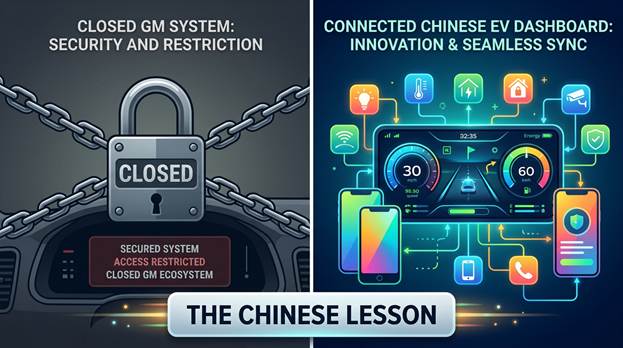
The Chinese Lesson: Integration as a Competitive Edge
While GM is busy building walls, Chinese automotive giants are doing the exact opposite. Companies like Xiaomi have built cars that are essentially mobile extensions of their smartphone ecosystems. The Xiaomi SU7 features "Human x Car x Home" integration, allowing the vehicle to sync seamlessly with over 1,000 smart home devices and, crucially, it still supports Apple CarPlay.
In China, the car is viewed as the "third space." These manufacturers realize that if you win the software experience, you win the customer for life. GM’s strategy of closed-platform vehicles feels like a throwback to the 1990s, whereas the Chinese market is proving that openness and deep smartphone integration are the primary drivers of EV adoption and brand loyalty.
The Historical Arrogance of Closed Platforms
The desire to create a "closed platform" vehicle isn't new. From early proprietary radio sizes to the disastrous "MyFord Touch" era, automakers have always tried to own the dashboard. They fear becoming "dumb pipes" - hardware manufacturers that provide the wheels while Apple and Google provide the brains.
But here is the reality: Apple and Google already provide the brains. They spend billions annually on UI/UX research. GM cannot compete with the R&D budgets of Silicon Valley. By trying to lock the platform, GM is repeating the mistakes of the PC industry in the 1980s, where proprietary hardware was eventually steamrolled by open, compatible standards.

Long-Term Damage and the "Experience" Gap
The long-term risk for GM is a "brand tax." When customers have a poor experience with a buggy native nav system, they blame the car brand. If the native system requires a subscription to show live traffic—a feature free on the phone—the customer feels extorted. GM aims for billions in annual subscription revenue from Super Cruise and OnStar by 2030, but these goals rely on a willing customer base, not a captive one.
To fix this, GM must re-enable the mirroring layer. A "both/and" strategy is the only way to reduce sales drag. Provide a great native system for those who want it but allow CarPlay/Android Auto for the majority who demand it.
Wrapping Up
GM’s decision to remove Apple CarPlay and Android Auto is a classic example of corporate overreach. By prioritizing potential subscription revenue over established user behavior, they have created a significant barrier to purchase. In an era where Chinese manufacturers are successfully blending the digital and physical worlds through open ecosystems, GM’s closed-door policy looks dangerously obsolete. To avoid a long-term sales slump, GM must pivot back to a consumer-centric model that respects the smartphone’s central role in the modern world. If they don't, they may find that their "native" system is a very lonely place to be.
Disclosure: Images rendered by Artlist.io
Rob Enderle is a technology analyst at Torque News who covers automotive technology and battery developments. You can learn more about Rob on Wikipedia and follow his articles on TechNewsWord, TGDaily, and TechSpective.
Set Torque News as Preferred Source on Google
Follow us today...