
Sitting in an electric vehicle for the first time often feels like stepping into the future. The cabin is quiet, the design is clean, there’s no engine rumble, just instant power. While the driving experience is futuristic, the process of actually buying an EV can feel stuck in the past, depending entirely on where you live.
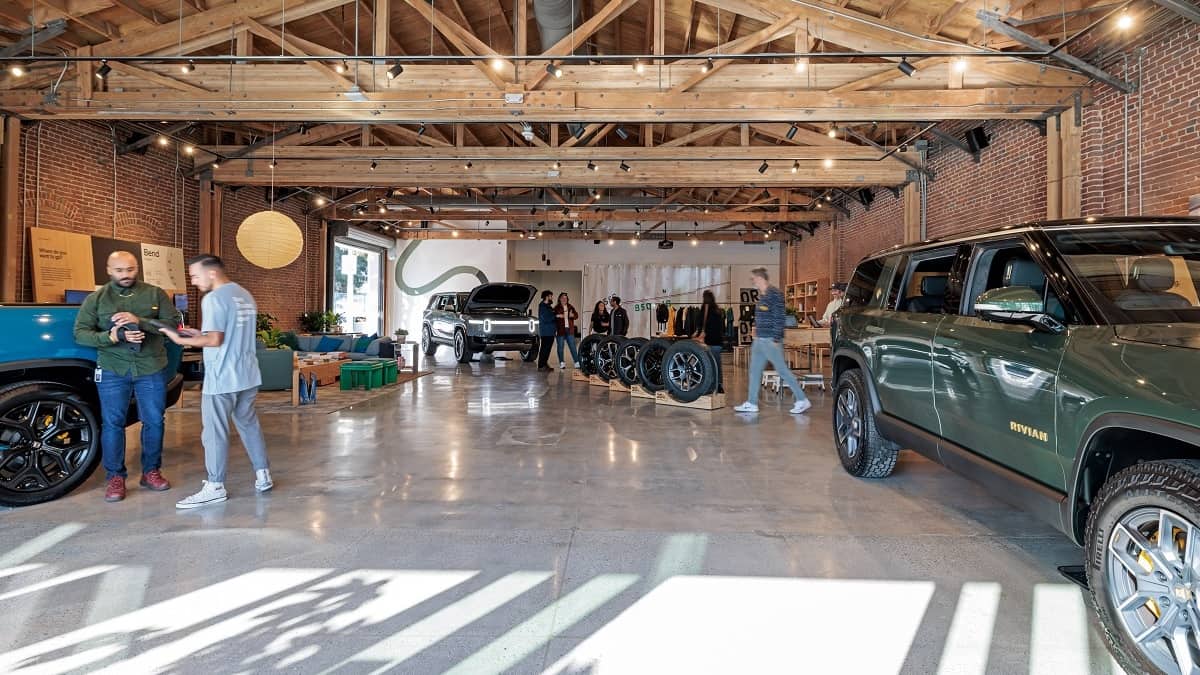
In states like California, Oregon, Idaho, Arizona, Nevada, and most of the West, drivers enjoy the freedom to buy their EVs directly from the companies that build them. These states allow Rivian, Lucid, Tesla, and other EV makers to offer a clean, no-pressure experience with test drives, transparent pricing, and no middlemen. The process aligns with the products. It’s streamlined, digital-first, and designed around the needs of the customer.
Other states have taken a different approach. Washington, Montana, and New Mexico continue to enforce dealership outdated and inefficient franchise laws that were written long before electric vehicles existed. These laws require all automakers to sell through franchised dealerships, even when those dealerships have little interest in selling EVs. In these states, buyers must complete their purchases online, finalize paperwork across state lines, and wait for delivery without ever taking a test drive.
It creates a frustrating and unfair system. Legacy brands get a clear path to the market, while newer EV companies are sidelined simply for doing things differently (and more efficiently). If you’re someone who wants cleaner air and fewer oil changes, the whole thing feels backward. The system isn’t just outdated, it is holding back real progress.
This situation has created a storm of social media reactions. Here’s a recent viral post on Reddit by Hminney.
“I keep reading on here that dealerships in USA are terrible, and driving people away to buy Tesla. So how does Tesla manage to sell direct (especially since their HQ is in Texas)? Any suggestions to get other car manufacturers to insist that their ev models can also be sold direct to the public?”
droids4evr responded with:
“Tesla doesn’t register the sale in Texas. They will register the sale as being finalized in another state, like California, then they just deliver the car and the buyer has to arrange registering it after the purchase.
It's not up to the manufacturers in many states. It is state laws that prevent manufacturers selling directly to the public.
If you want that changed, go to your state legislature and work to get the dealer protection laws changed.”
Bondominator added:
“There are also different state level regulations for new vs. used cars. The whole thing is actually fairly ridiculous. Feels like the dealer lobby is a sleeping giant that nobody knew about until now.”
Dealership Mandates Are Failing to Serve Today’s Drivers
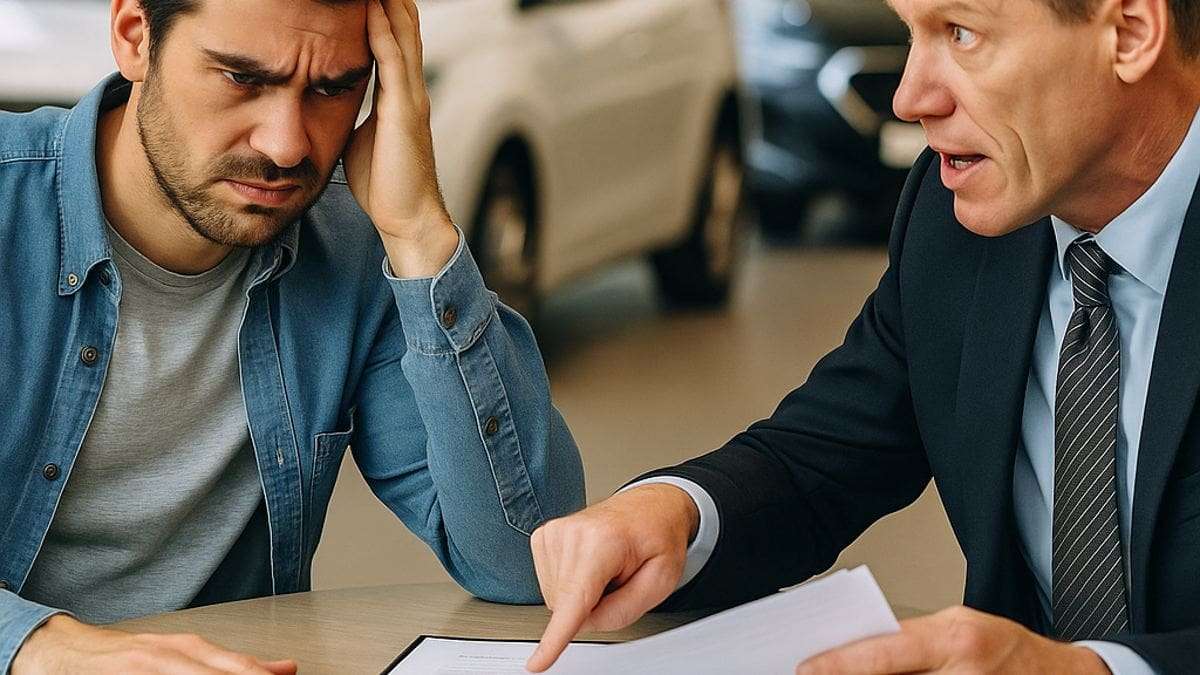
Dealerships have argued that franchise laws protect jobs, support local economies, and ensure competition. The reality is more complicated. In many cases, buyers report feeling pressured, upsold, or confused by fees that are added at the last moment. There’s the old cliché about the car salesman saying that he has to check with his manager only to go out back, have a smoke, and then return to say that he can drop price. EV startups, on the other hand, offer showrooms that are calm, informative, and focused entirely on the customer’s experience with no haggling.
The difference is not subtle. It is the same contrast that people felt when they moved from the BlackBerry’s physical keyboards to the iPhone’s touchscreens. Once they experience the future, going back feels almost absurd.
Why Do Automotive Dealers Resist EVs?
Automotive dealers earn most of their profits from “the back of the store” by servicing and maintaining vehicles, not from selling cars. Oil changes, tune-ups, and brake work keep the service bays busy and profitable. Finding additional work to do on a gas-powered vehicle can be like a treasure hunt for service technicians. Because electric vehicles are far less complex and dramatically reduce service needs, some dealer groups have resisted a shift to all-electric cars as they desperately try to preserve their service revenue.
Direct Sales Support Climate Goals and Consumer Choice
Leaders in clean energy advocacy have pointed out that direct access to electric vehicles makes it easier for people to make the switch. Consumers benefit from clarity, convenience, and the ability to explore vehicles in person before making a decision. With no dealerships acting as gatekeepers, buyers can have a conversation, not a sales pitch.
Direct-to-consumer automotive sales has huge business benefits. For example, it’s one reason why the Tesla Model Y is one of the best-selling vehicles of any type in the United States. Tesla’s success is not only rooted in its technology, but in how it sells cars. By bypassing traditional dealerships and selling directly to customers, Tesla offers a transparent, no-haggle experience that many buyers find refreshing. Customers appreciate knowing the price upfront without the pressure of upsells or last-minute fees. For many women, the experience feels safer and more empowering, free from the stereotypical sales tactics often associated with car dealerships. Direct-to-consumer has increased Tesla’s brand loyalty and it has drastically reduced their costs, as they don’t have to pay for a massive dealership infrastructure or commissions to third party dealer organizations.
Many states have committed to reducing carbon emissions and transitioning to zero-emission vehicles. These goals are ambitious, but they are also achievable if policies support them. Allowing EV manufacturers to sell directly to consumers is one of the simplest and most effective ways to accelerate adoption.
The Road Ahead Demands Smarter Policy
Efforts to modernize these laws are growing. Environmental organizations, EV manufacturers, and consumer rights advocates are calling for reform that reflects the way people live, drive, and shop. These groups are not asking for special treatment. They are asking for fairness, for access, and for the freedom to choose.
The transition to electric vehicles is not a distant goal. It is happening now. For that shift to reach everyone, the rules must reflect the world we are moving toward, not the one we are trying to leave behind.
There Are Options to Buy a Used EV in States with Restrictive Laws
Services like KeySavvy act as a licensed dealer to facilitate private party car sales, making them eligible for the federal used EV tax credit in many cases. They handle identity verification for both buyers and sellers, verify vehicle titles and registrations, and ensure a worry-free transfer of ownership.
KeySavvy is helping modernize the used EV buying experience by making private-party sales simpler, safer, and more financially rewarding. As a licensed dealer, KeySavvy facilitates transactions between individual buyers and sellers, allowing many of these sales to qualify for the federal used EV tax credit, something typically unavailable in a private party sale.
The platform handles identity verification for both parties, checks titles and vehicle registrations, and ensures a smooth, worry-free transfer of ownership. This eliminates the guesswork and risk often associated with buying a used car from a stranger.
In states where restrictive dealership laws limit access to new EVs, KeySavvy expands the market by making used electric vehicles more accessible and appealing. It lowers the barrier to entry while maintaining the integrity and trust that buyers expect from a professional transaction.
As more people look to EVs for cleaner, simpler transportation, services like KeySavvy are helping bridge the gap between old systems and new expectations. It’s a smarter, safer way to step into the electric future, whether you’re buying your first EV or selling one to someone else ready to make the switch.
You Can Get Involved
The shift to electric vehicles is already happening, but access should not depend on your zip code. Forward-thinking policies are making it easier for drivers in many states to embrace cleaner transportation, while outdated laws in others still protect legacy systems that no longer serve the public. Anyone who wants to see fairer, simpler access to EVs can make a difference. Reach out to local legislators, share your experiences, and support organizations working to modernize dealership laws. Progress happens when everyday voices speak up. A more accessible, sustainable future is within reach, it just needs a few more people willing to help open the road.
Please Drop Your Thoughts in the Comments Below
What’s the most frustrating thing you've experienced while trying to buy a car at a dealership?
If you could buy your next EV directly online and skip the dealership, would you? Why or why not?
Chris Johnston is the author of SAE’s comprehensive book on electric vehicles, "The Arrival of The Electric Car." His coverage on Torque News focuses on electric vehicles. Chris has decades of product management experience in telematics, mobile computing, and wireless communications. Chris has a B.S. in electrical engineering from Purdue University and an MBA. He lives in Seattle. When not working, Chris enjoys restoring classic wooden boats, open water swimming, cycling and flying (as a private pilot). You can connect with Chris on LinkedIn and follow his work on X at ChrisJohnstonEV.
Image sources: AI, Rivian media kit
Set Torque News as Preferred Source on Google
Follow us today...