
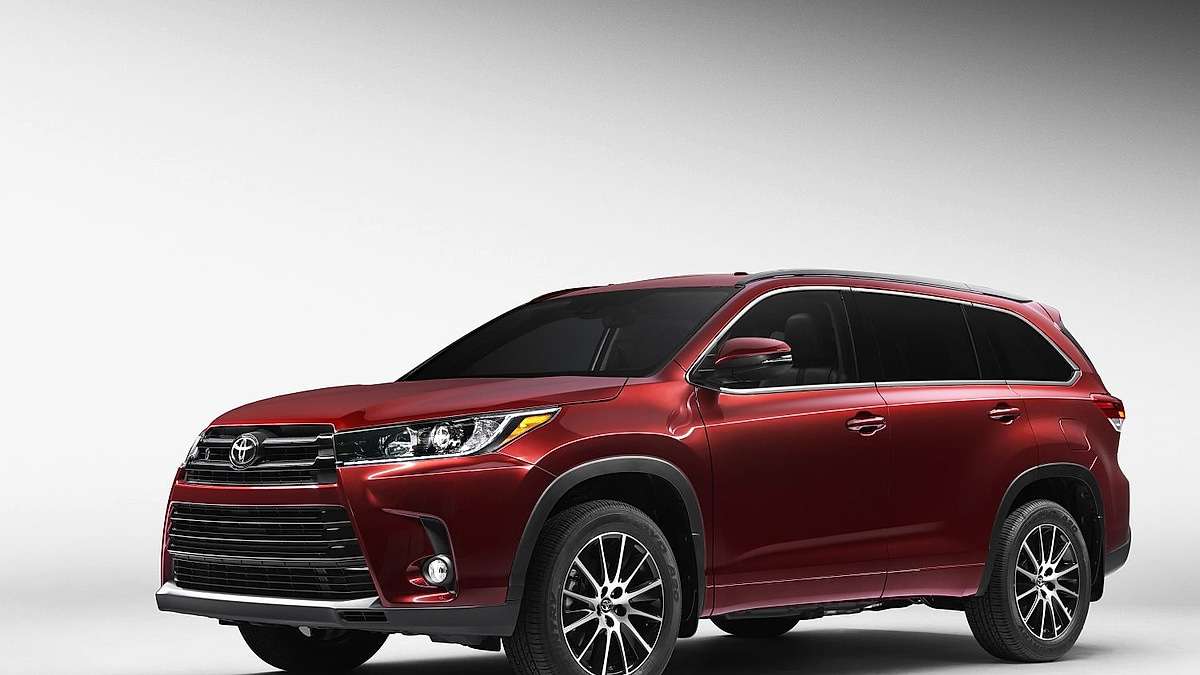

Here's the Facebook post that kickstarted the conversation, lightly edited for clarity and grammar:
I have a 2015 Highlander Limited with 168,400 miles and need to replace my brakes. Is it preferred to use Toyota breaks [sic] or can I get them from an Auto Zone or something like that? TIA.
We'll break down the difference in brakes -- and other auto parts -- below.
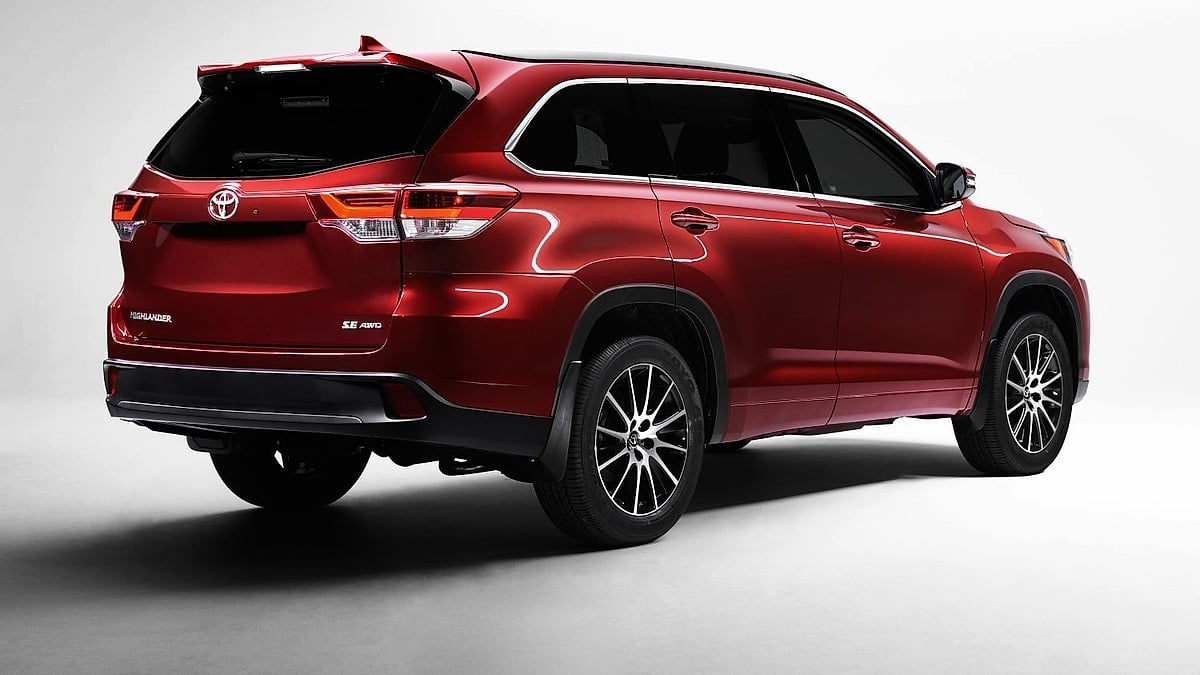
Torque News Says There Is No Easy Answer
It might seem like a no-brainer -- either you stick with OEM parts because they are designed and engineered by the same company that designed and engineered your car, or you go aftermarket because they're cheaper, but still built to OEM specs, or something close to it.
It's not quite that easy.
Like many things in life, the answer to this question is: "It depends."
Some aftermarket brands make quality products, some don't. Sometimes, OEM parts just work better with a vehicle -- and sometimes, it depends on the part. For example, batteries are a category in which it's generally not problematic to go aftermarket.
Where you get your car repaired matters, too. Independent shops will usually use aftermarket parts, and dealerships almost always use OEM parts.
If you're not worried about budgeting, you should be fine taking your car to the dealer and using OEM parts. We'd even recommend that you use OEM parts for warranty repairs.
You can, sometimes, save money by buying aftermarket parts and bringing them to your dealer technician who is performing the repair, but this often frowned upon. Sometimes techs believe that OEM parts are superior, but in most cases, the dealership wants to use parts from its parts department because they will make more money off of the repair.
It's a bit opposite for independent shops -- they aren't making money directly off of selling parts, though they will, of course, charge you for the parts and add a slight markup so that they can profit. In theory, then, you can bring them OEM parts and they might be a tad more open to installing them.
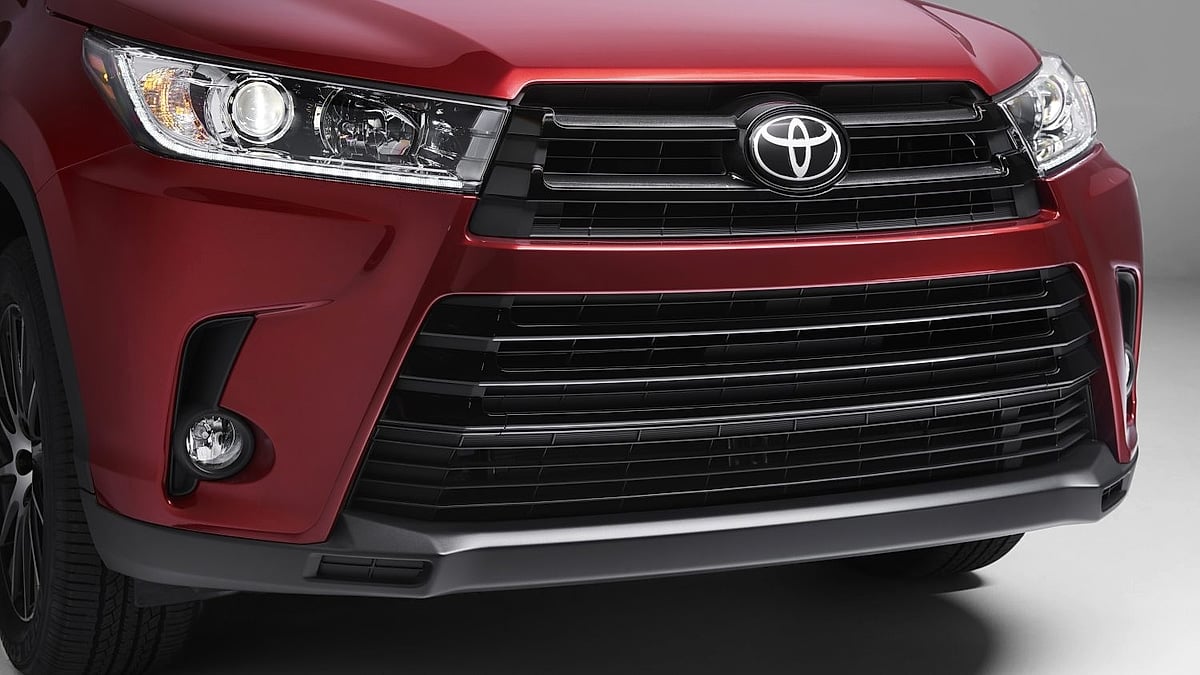
Torque News Says Ask Around
What the Toyota Highlander owner above is doing is a good thing. Asking around to find out if aftermarket brakes will work well with their car is one thing, but it's also nice to find out which aftermarket brands offer quality and value for the money. And asking around in a social-media group for fellow owners of your vehicle can help, since others have experiences you can learn from.
Reading online reviews of aftermarket parts can also help, of course. There are a lot of aftermarket companies out there, and the quality of product can vary wildly. You'll also want to learn about warranties and that sort of thing, as well. Parts are usually warrantied in case of failure.
If you have time to call and check ahead before bringing your car in for service, do so. Ask various dealers and independent shops in the area if they can give you a ballpark quote, and ask if you can bring parts purchased yourself. Heck, ask the techs what type of parts are recommended.
As for our Highlander owner, there have been at least three answers. One suggests using only OEM parts, one says parts from AutoZone is fine, and another recommends a specific aftermarket brand.
Here the replies:
Auto zone lifetime warranty on the pads. You'll never have to buy them again.
Car Care Nut on YouTube say only use oem Toyota replacements
You don't want to hear this but I'd go at least Raybestos. My rear rotors replied twice now and rear warped in 2000 miles... I'm going for vented next...2026 Limited 125k
About The Author
Tim Healey is an experienced automotive writer and editor from Chicago. He has covered automotive news at Consumer Guide Automotive, Web2Carz, AutoGuide, and was the managing editor at The Truth About Cars. Tim is a member of the Midwest Automotive Media Association. You can find him on Facebook, X/Twitter, and on LinkedIn.
Set Torque News as Preferred Source on Google
Follow us today...



Comments
Use akebono they make pads…
Permalink
Use akebono they make pads for many OEMS
Good to know!
Permalink
In reply to Use akebono they make pads… by Budlar (not verified)
Good to know!
The orginal brakes on my car…
Permalink
The orginal brakes on my car with 25K on them produced so much dust it caused the ABS sensor to fail. Therefore I replaced them with slotted and drilled rotors and ceramic pads. Sold the car with 100k+ on it and the pads were still good and with very little dust.
Good call on the ceramics!
Permalink
In reply to The orginal brakes on my car… by Frank Menefee (not verified)
Good call on the ceramics!