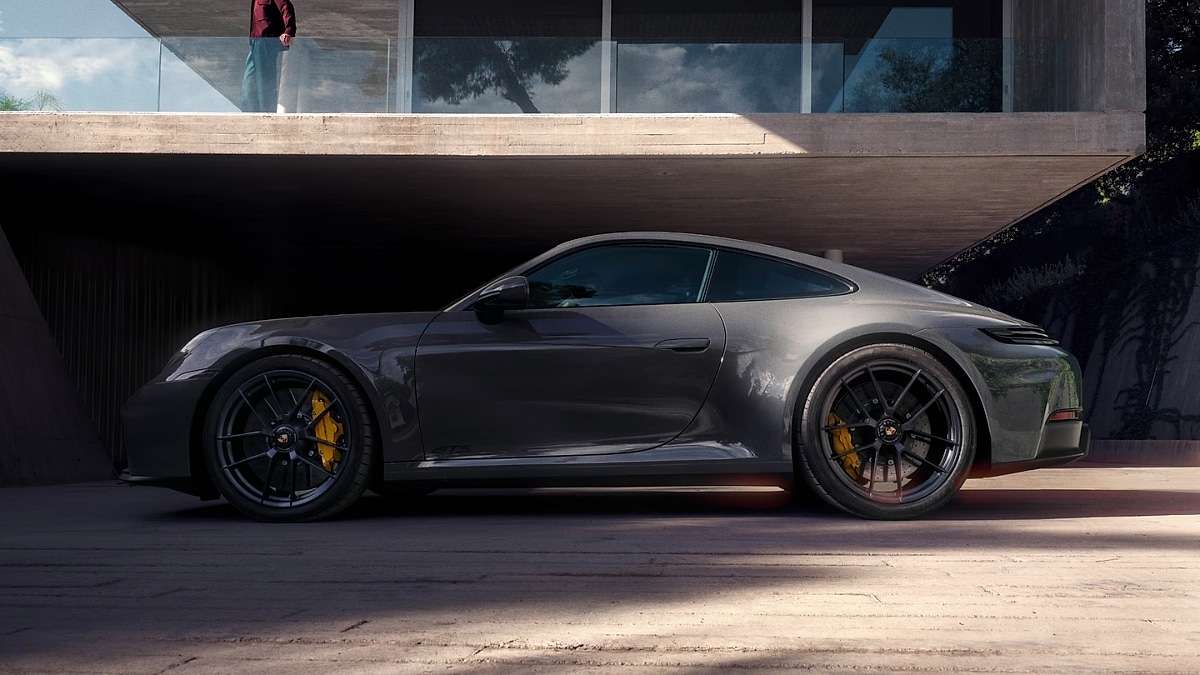

Porsche has represented something unique in the automotive world for years. It was unquestionably premium, but unlike brands such as Ferrari or Lamborghini, Porsche still felt attainable to many enthusiasts. A Cayman, Boxster, or even a modestly optioned 911 once represented the kind of dream car that hardworking enthusiasts could realistically aspire to own one day. That balance between prestige and accessibility helped Porsche build one of the strongest enthusiast communities in the industry.
Now, however, many longtime fans believe the company is drifting away from the formula that made people fall in love with the brand in the first place. I recently came across a post in the “Apex Automotor” Facebook group written by Dan M Henderson who shared his frustration over what he believes has become an increasingly disconnected luxury car market. While his criticism focused heavily on Porsche, it also opened the door to a much larger discussion involving rising luxury car prices, shrinking accessibility for enthusiasts, and growing concerns that modern ownership experiences are no longer matching the premium prices consumers are paying.
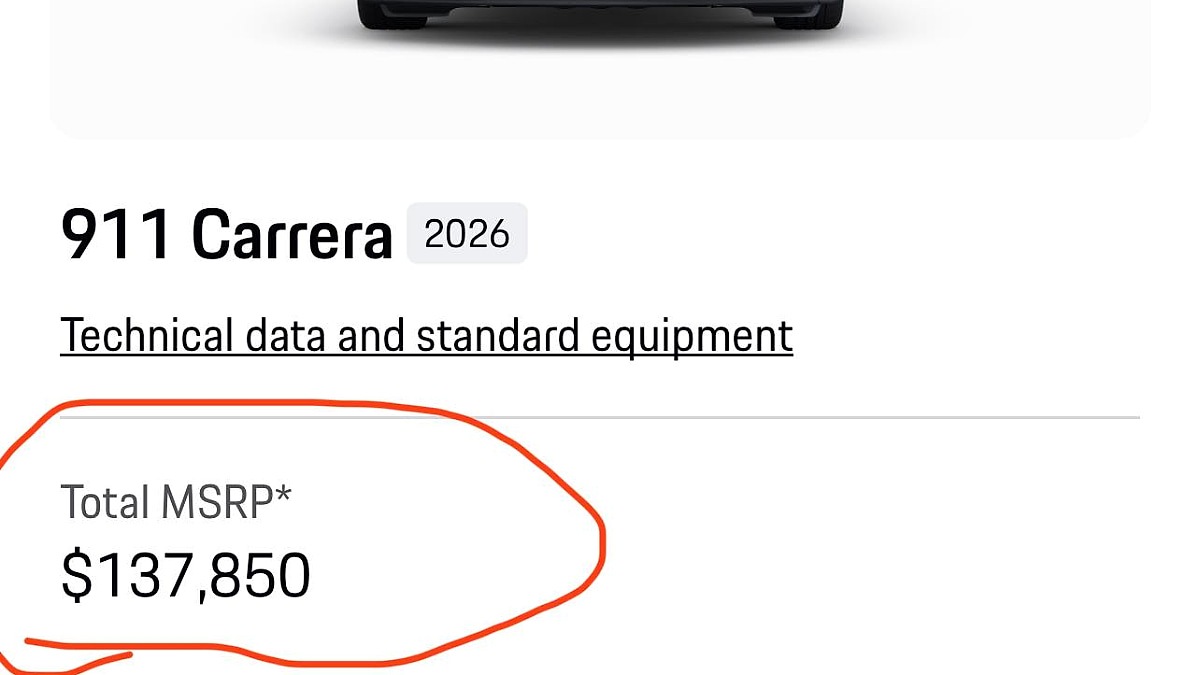
Here’s how Dan put it: “$138,000 would theoretically buy you the cheapest Porsche sports car as long as you want a white exterior, black interior, and zero options. Reality is even worse.
A quick U.S. national inventory search at Porsche’s own website shows this base model is selling at their own dealers for no lower $156,000. White on black with no options. It looks like a Chevy Traverse at the Avis rental counter.
What about a Cayman or a Boxster? Forget it. They’re gone. While Porsche is trying to figure out how to stuff an ICE back into their highly developed EV platform, it’s turned into a Mickey Mouse operation. You may not see those two back for a good while.
I’m a huge Porsche fan. I’ve recommended so many to friends. I have bought Cayennes and Panameras for my family. I’ve tracked and driven everything from classics to GT3’s.
To spend $160,000 for the cheapest basic Porsche, when Chevrolet is offering a C8 with a 6.7-liter V8 for $70K, is asinine and not a good trajectory for the company.
Porsche didn’t gain fans by being elitist like Ferrari. They had cars anyone could buy. That’s why Toyota has so many fans. When people own a brand, they tend to think higher of that brand. Now they’ve become a boutique car maker that makes convertible GT3’s and special editions galore for the wealthy. They'll talk to you if you have $200K+ to spend on a sports car. Otherwise, you better go to the other end of the lot and look at used Macans.
If I owned any Porsche stock, I’d dump it. This is not how a healthy company behaves. It’s a sad day.”
The Porsche Formula That Once Felt Attainable
What makes Dan’s post resonate with so many enthusiasts is that it touches on something much larger than simple sticker shock. Porsche earned its reputation by building sports cars that felt aspirational without becoming completely detached from reality. A 911 was expensive, but it was not viewed as some impossible fantasy reserved only for celebrities or hedge fund managers.
For many enthusiasts, the Cayman and Boxster represented the heart of that philosophy. They delivered real Porsche engineering, excellent balance, engaging driving dynamics, and a relatively accessible entry point into the brand. That's why my fellow colleague recently reporting on the disturbing rumors surrounding Porsche discontinuing the Boxster and Cayman while reevaluating its EV strategy struck a nerve with enthusiasts who already feel Porsche ownership is drifting further out of reach.
That concern isn't just about price but about identity. Many enthusiasts believe Porsche built its reputation on engineering-first sports cars that ordinary successful professionals could realistically buy after years of hard work. Today, some feel the company is leaning harder into exclusivity, limited allocations, expensive trims, and high-margin collector-focused models.
Allocation Culture Starts Replacing Enthusiast Culture
One of the most interesting themes throughout the comments section was not simply pricing, but how customers feel they are treated during the buying process.
Miles Bedford shared a particularly revealing story: “I own a 2010 987.2 Boxster S. It's a great car and was relatively affordable when it came out, but as the years rolled by, every new iteration got more and more expensive in comparison to competitors. The guy I bought mine off had 5 other Porsches, including a new GT3, but was told by his dealer that he didn't qualify for an allocation for a new GT4RS because they had other more valuable customers and that the allocation would be offered to them first. This is a man who describes himself not as a car guy, but as a Porsche guy. What a despicable way to treat a long-term customer.”
That comment highlights something increasingly common throughout the luxury performance market as buying a Porsche no longer simply comes down to whether you can afford one, but increasingly depends on your relationship with the dealership, your ownership history, and whether the dealer believes you are “valuable” enough for limited-production models.
Ferrari has operated this way for years, but Porsche historically built a different reputation. That difference mattered because many enthusiasts viewed Porsche as the company that still prioritized driving passion and engineering over exclusivity games. Now, some buyers feel that distinction is fading.
Brij Reddy commented: “That’s just a little shy of what the 992.1 Carrera S was with decent options in 2021-2022. Crazy how much they jacked the prices.”
That perspective is important because it reflects how rapidly pricing has escalated in only a few short years. Gradual price increases are expected in the automotive world, especially with inflation and increasing technology costs, but when enthusiasts start comparing today’s base Porsche pricing to what well-optioned higher trims cost only a few years ago, the shift becomes impossible to ignore for a lot of buyers.
What makes this even more complicated is that performance itself is no longer exclusive to six-figure European sports cars. A Chevrolet Corvette C8 now delivers performance numbers that rival or exceed many far more expensive European competitors. EVs from Tesla, Lucid, and even Hyundai are producing acceleration figures that once belonged exclusively to exotic supercars.
That changes the conversation entirely. Luxury brands can no longer rely solely on speed or horsepower to justify massive premiums. Buyers increasingly expect craftsmanship, reliability, ownership experience, dealership treatment, and emotional connection to match the price tag.
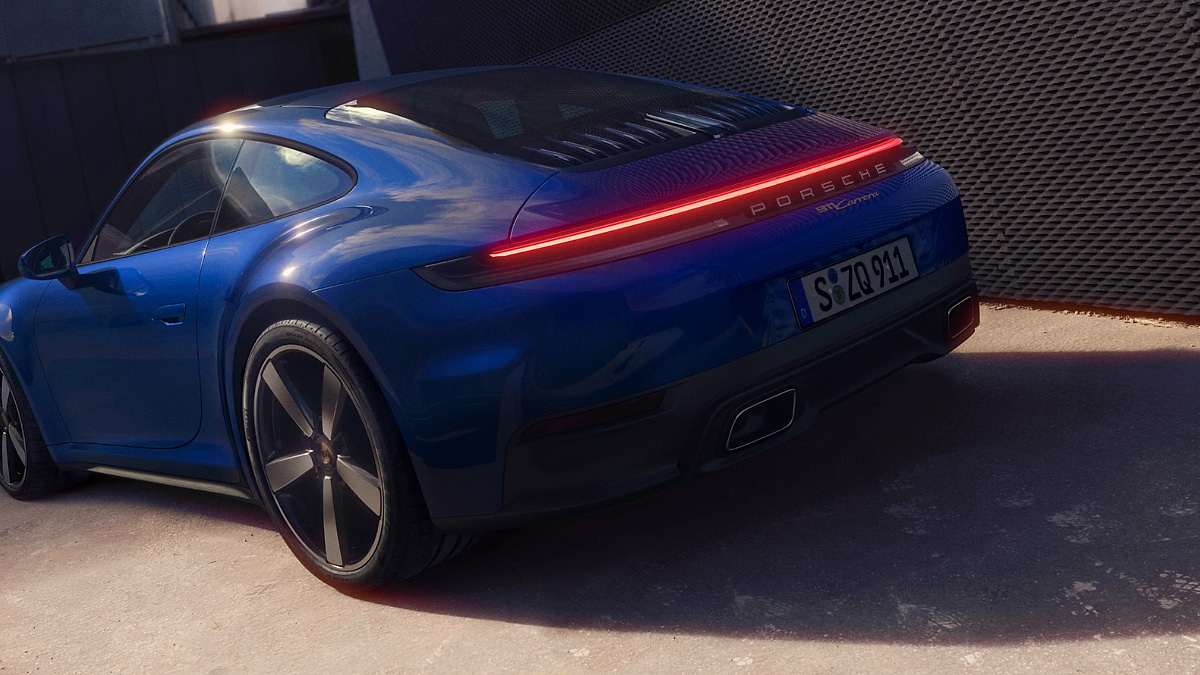
The BMW and Mercedes Problem Porsche Fans Keep Bringing Up
One reason Dan’s post sparked broader discussion is because many enthusiasts believe Porsche is not the only luxury brand facing criticism right now. A growing number of consumers feel brands like BMW and Mercedes-Benz have also become significantly more expensive while long-term ownership confidence appears to be declining.
I recently wrote about a Mercedes-Benz GLE 350 owner facing extensive repairs at only 40,000 miles that ultimately pushed them toward considering a Lexus GX 460 instead. Stories like that are becoming increasingly relevant because luxury buyers are beginning to question whether the ownership experience still justifies the rising costs.
This does not mean modern BMWs or Mercedes vehicles are objectively bad cars. Many are technologically impressive, exceptionally comfortable, and incredibly fast. However, many owners believe modern luxury cars feel more software-focused and less durable long-term than the older analog-focused vehicles that originally built those brands’ reputations.
That shift matters because luxury buyers are paying more than ever before. When customers spend six figures on a vehicle, expectations rise dramatically. Even relatively minor issues can feel unacceptable when the ownership experience no longer feels aligned with the premium branding.
The Corvette Problem Luxury Brands Did Not Expect
Dan’s comparison to the Corvette C8 may sound harsh to some Porsche fans, but it actually reveals a much larger industry trend. For around $70,000, buyers can now access supercar-like performance, aggressive styling, real V8 sound, and exotic proportions without entering six-figure territory. Whether someone personally prefers a Porsche or Corvette almost becomes secondary to the larger point in many cases since performance has become democratized.
That creates a difficult challenge for luxury brands because they now have to justify enormous premiums through factors beyond raw speed. Buyers are asking tougher questions:
What exactly makes a $160,000 Porsche worth more than a Corvette that costs less than half as much?
For some buyers, the answer is obvious. Porsche still offers incredible engineering, refinement, steering feel, braking performance, and heritage. But for younger enthusiasts entering the market today, the value equation looks very different than it did 15 or 20 years ago. The reality is that many younger enthusiasts simply cannot envision spending $150,000 or more on what is considered a relatively “basic” Porsche sports car.
A Growing Concern About Long-Term Brand Reputation
Erik Rummel perhaps summarized the broader frustration most directly: “This is exactly what I’ve been saying. They are ruining their status as a smart buy while they chase unicorn status like Ferrari has. The entire concept that made the 911 a good buying proposition was good quality and performance engineering without the over inflated cost in exchange for exclusive access to “the club” like Ferrari has been doing for so long. When your dealer tells you they don’t have any more allotments for a basic bottom tier production car, you know they are way too high off sniffing their own farts.”
Although Erik’s wording is blunt, his core point reflects a growing concern among enthusiasts. Porsche built enormous goodwill by balancing prestige with attainability. Once buyers begin feeling like a brand no longer wants ordinary enthusiasts participating in ownership, resentment can start replacing aspiration. And that's especially dangerous in today’s market because younger buyers have more alternatives than ever before.
Performance EVs, high-end sports sedans, modern Corvettes, used exotics, and even heavily capable hot hatches now offer levels of performance that would have seemed unbelievable a decade ago.
And as I said before, broader concerns surrounding luxury car reliability are also shaping consumer perception. We highlighted a top mechanic’s warning about several luxury brands becoming expensive long-term ownership risks, which further feeds growing anxiety surrounding whether premium vehicles still represent good long-term value.
When Aspirational Brands Start Feeling Untouchable
I think what makes this conversation so interesting is that it reveals a growing divide between modern luxury brands and younger enthusiasts entering the market today.
For previous generations, owning a Porsche often represented the reward for years of dedication and hard work. It felt aspirational but still realistic enough to motivate people. Today, however, many younger enthusiasts are watching prices climb so aggressively that the dream itself begins to feel disconnected from reality.
I personally think Porsche still builds some of the best driver-focused vehicles in the world. But I also understand why some long-term enthusiasts feel nervous about the company leaning too heavily into exclusivity and ultra-premium positioning. A huge part of Porsche’s success came from building emotional connections with ordinary enthusiasts, not just wealthy collectors. If enough enthusiasts begin feeling pushed away from the brand entirely, that emotional connection can slowly weaken over time.
Important Takeaways for Enthusiasts
- Luxury performance car prices are rising rapidly: Many enthusiasts feel modern Porsche pricing has accelerated much faster than expected over the last several years.
- Allocation culture is frustrating longtime buyers: Some customers believe dealership allocation systems increasingly prioritize wealth and exclusivity over brand loyalty.
- Performance is no longer exclusive to exotic brands: Vehicles like the Corvette C8 and modern EVs now deliver incredible performance at significantly lower price points.
- Luxury buyers expect more than just speed: Reliability, ownership experience, dealership treatment, and long-term value matter more than ever in today’s market.
- Brand identity matters deeply to enthusiasts: Many Porsche fans worry the company could lose some of the accessibility and enthusiast-focused culture that originally built its reputation.
Your Opinions are What Shape the Conversation
Do you think Porsche is becoming too exclusive for average enthusiasts, or do you believe the brand’s pricing is justified given its engineering and reputation?
And if you have owned a Porsche, BMW, Mercedes, or another luxury performance car, do you feel modern luxury vehicles still deliver the same sense of long-term value and ownership satisfaction they once did?
Don't hesitate to let us know your thoughts in the comments below.
About The Author
Aram Krajekian is a young automotive journalist bringing a fresh and analytical perspective to the evolving automotive landscape by reporting on real-world ownership experiences and providing industry analysis. Based in North Carolina, he covers electric vehicles, trucks, and broader automotive trends with a focus on contributing a balanced evaluation. His reporting cuts through brand bias to provide readers with grounded insight into how vehicles perform for everyday drivers beyond marketing narratives.
Aram can be reached on X and LinkedIn for ongoing automotive coverage.
Image Credits
The “Apex Automotor” Facebook group and Porsche’s gallery.
Set Torque News as Preferred Source on Google
Follow us today...